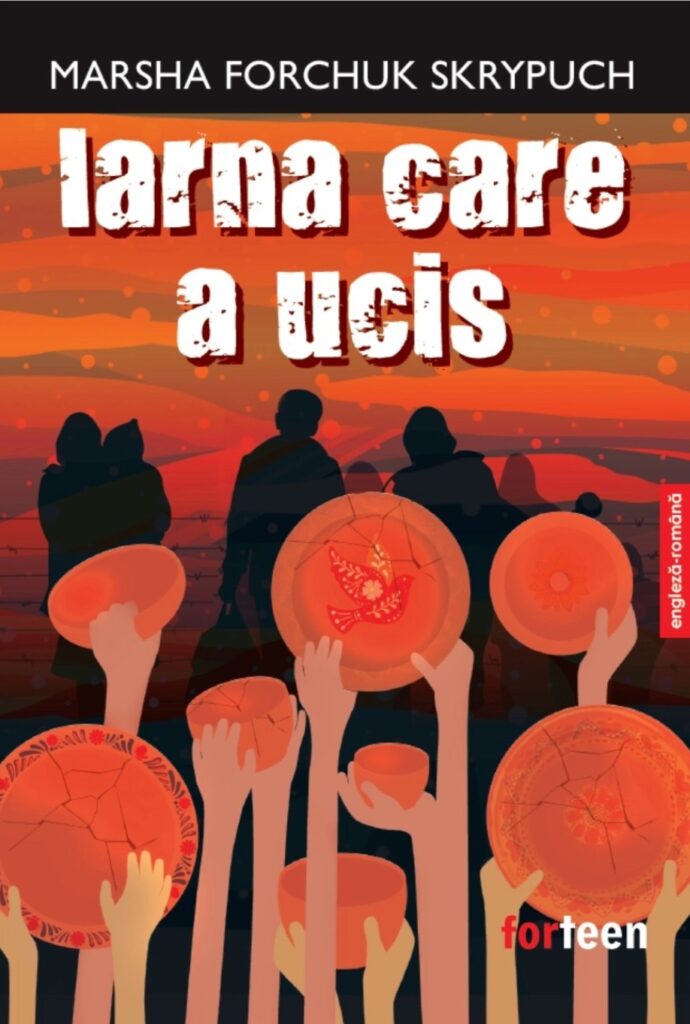
This is the cover art for the Romanian-English bilingual edition of Winterkill, published by Booklet for distribution in Romania and in the Republic of Moldova. This cover really hits me in the gut, with those being starved in Stalin’s Holodomor are holding up their cracked, empty plates.
Winterkill, my Holodomor novel, is being published in a Romanian and English edition by Booklet Romania, for distribution in Romania and the Republic of Moldova. I was contacted by Sorina Rîndașu, a writer in Romania, and also the proofreader for this edition of my novel. She asked if she could interview me for Timpul, saying, “The magazine is led by two very courageous cultural figures: Dumitru Crudu, a novelist and an active activist on the issue of the war started by dictator Vladimir Putin against Ukraine, and Maria Ivanov, a writer and cultural journalist.”
There are so many parallels between what Stalin was doing during the Holodomor and what Putin is doing now. I was honoured to answer Sorina’s questions. Pasted below are my responses in English.
1. I am thinking about the fact that most of the themes in your books are based on explaining and contextualizing major historical conflicts. How do you position yourself, as an author, in this contemporary environment where historical negationism and disinformation are increasingly prevalent issues, especially when writing about historical facts that some are trying to rewrite or minimize? Do you feel a heightened responsibility, an additional one, to act as a kind of `guardian` of historical truth?
I don’t think of myself as an author so much as a vehicle for those silenced to be heard. I think of myself as a listener to individual life experiences, who then does the slow and boring research of placing that individual experience into the context of world events that have either been forgotten or hidden.
I don’t choose the topics; it’s more that the topics choose me. I have a fierce interest in history and life experiences that I knew nothing about, but that are monumental.
Before I wrote books, I was a freelance journalist for a small history magazine in my hometown. Canada, in addition to the aboriginal population, is largely comprised of people who came here as refugees, leaving everything they loved in order for their descendants to have a better life. When I was writing for that magazine, my theme was “coming to Canada” stories. I interviewed people about why they or their ancestor left everything that was cherished and familiar to start a new life in a land that wasn’t always kind to newcomers. Those interviews were the seeds to my books.
What intrigued me was that the stories I heard from refugees were not in history books, nor in popular historical fiction. These stories had been ignored, erased or manipulated. And what we forget, we are bound to repeat.
I felt a responsibility to research, to verify the actual history and to shed light on it. I didn’t have any sort of great plan about this. It’s just that I couldn’t sleep. I would toss and turn, thinking about these stories that had been hidden. They needed to be seen and heard. The stories wouldn’t let me sleep until I wrote them.
Russia’s current disinformation campaign against Ukraine in particular and the west in general is not new, but it has been honed to evil perfection. Russia’s disinformation campaign is particularly good at tricking its own people into believing lies.
2. Have you ever felt that you transitioned from the role of a writer to the role of an activist? Can a writer, especially in contexts like the one we are living through, with wars and genocides happening around us, truly remain neutral? And, if it is possible, is it right to remain neutral?
I have always thought of my writing as a tool for activism. If I didn’t, you’d see titles from me about pink dinosaurs and sparkles. I have acquaintances who’ve made that sort of writing into a lucrative career.
I can only write if I’m passionate about the subject. I am banned by Russia for my writing, and when I first began writing on the Holodomor just around the time that Putin came into power, I endured death threats and hate campaigns. It would have been easier to write about pink dinosaurs and sparkles, but I wouldn’t be able to sleep at night if I had done that.
It’s moral abdication to remain neutral.
3. Beyond the valuable historical information in your books, how do you think and/ or hope young readers will apply the lessons of tolerance, empathy and vigilance to contemporary issues in their communities, issues that do not necessarily involve a major war, but may involve other matters, such as discrimination?
Every young person feels like they’re living in the midst of a war because they see events in their own life as oversize. They’re still in the process of sorting out who they are and where they fit in the context of society. As a writer, my goal is to plunge my reader into the shoes of a person who is living through an actual, horrifying series of events. By identifying with the protagonist, the reader sees the world through their eyes. This helps the reader develop empathy. It also gives them tools to see their own situation in context of what others have to live through. This context gives them appreciation of what they have, and empathy to help others.
I am continually impressed by the feedback I get from my young readers. As an example, readers of Making Bombs for Hitler would never have heard about Ostarbeiters before, and would never have realized that a Ukrainian young person would ever be in a Nazi slave camp. But in addition to the history, my readers grow empathy. One young boy told me that after reading Making Bombs for Hitler, he realized how awful it would be to be separated from his sister even though they argued all the time. He said he’d never complain about what he got for supper, because it was much more substantial than the sawdust bread Lida got in the slave camp. This context that readers get is so important. They learn history, yes. But they identify with a person who is being mistreated, and that gives them empathy.
4. Your characters often struggle with oppressive forces and authoritarian leaders. I am thinking now especially of Nyl from Winterkill, and the disparity in perspective between him and Yulia. How important is it for young readers to clearly name and identify an aggressor, a dictator like Vladimir Putin as an extreme contemporary example, and understand the evil they produce, instead of just perceiving the conflict as a political abstraction?
Vladimir Putin is evil. Stalin was evil. There’s no abstraction about that. But it’s a moral abdication for us to slough it off all on them. The reason their evil is effective is because of their ability to get others to do evil on their behalf. Yulia is naïve and easily manipulated, but she takes the easy and selfish way out at every opportunity. Would the Holodomor have happened if there weren’t a lot of people like Yulia around to do Stalin’s bidding? I think we have to all be honest about the potential for evil that each of us has within us. It’s our moral responsibility to do the hard things that we know are right, even if sometimes that has dire consequences.
5. Are there any moments when you find it necessary to develop a kind of emotional protection against the psychologically challenging material you research for your writing?
Yes. It’s shattering to write on these topics, but it’s magnitudes harder to live through it. My husband is a huge emotional support and he forces me to get out of my head. I have good friends too, who stick with me even when I vent and rage. One respite from book writing is writing pysanky. It’s part of my creative process. I reward myself after a marathon of writing to take a break for a few days and create a marathon of pysanky.
6. Considering the perspective that literature is one of the most important forms of art, how do you see the collaboration between it and other art forms, such as painting, illustration or even documentary films, to convey these lessons of history and morality to the younger generations?
Each form of art gives a different window to the past. I don’t like to think of art as giving lessons, so much as giving a window, a perspective. When I was young, I couldn’t decide whether I would be an artist or a writer. I am a writer, but I see each scene as painting a picture. My pysanky marathon sessions help untangle my story knots. A friend is a documentary producer, but he’s also an artist and actor. Each of these activities informs the other. And for the art consumer, some will connect to one medium better than another. They are all interconnected.
7. The war between Russia and Ukraine includes, among other tragedies, the deliberate destruction of schools, museums and libraries in Ukraine. From the perspective of a writer who often struggles with the tacit erasure of historical records, what does the destruction of Ukrainian cultural heritage represent, and how does it affect the present, as well as the future identity of the people?
It enrages me.
Moscow has tried this time and again over the centuries, yet Ukraine’s cultural and literary history remains strong and will only get stronger.
8. How do you think the moral and historical reparation for the Ukrainian victims of this war should look, beyond material reconstruction?
There were no Nuremburg type trials for Soviet murderers after the Holodomor or after World War II, and because Russians have never had to acknowledge their true and gruesome history, they live in a mirage of exceptionalism. There’s needs to be a moral reckoning for every citizen of Russia. Those so-called leaders of Russia need to be arrested for war crimes and genocide and subjected to public trials.
For individual Ukrainians living through this horror, I worry most about the post-war trauma and the psychological damage that the survivors will live with for the rest of their lives. I hope there will be a system in place to deal with this. The magnitude of the emotional and psychological damage will reverberate through generations.
9. After dedicating so much of your career to documenting and telling the stories of history’s darkest chapters, and in light of today’s disturbing events, what is the essential message you want every reader of yours to remember about the power of truth, empathy and human resilience?
That one person equals one person. And that we need to give each person the grace, the love and respect that we’d hope to receive for ourselves.
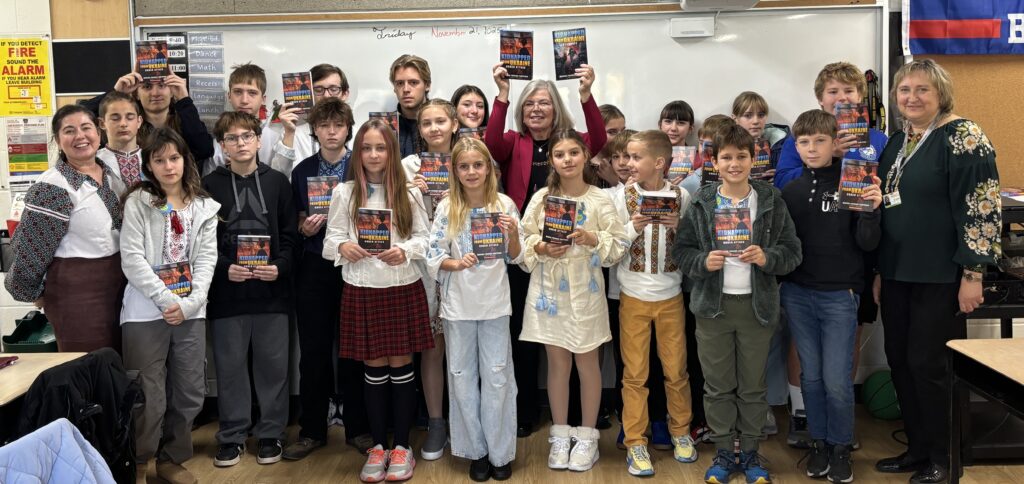
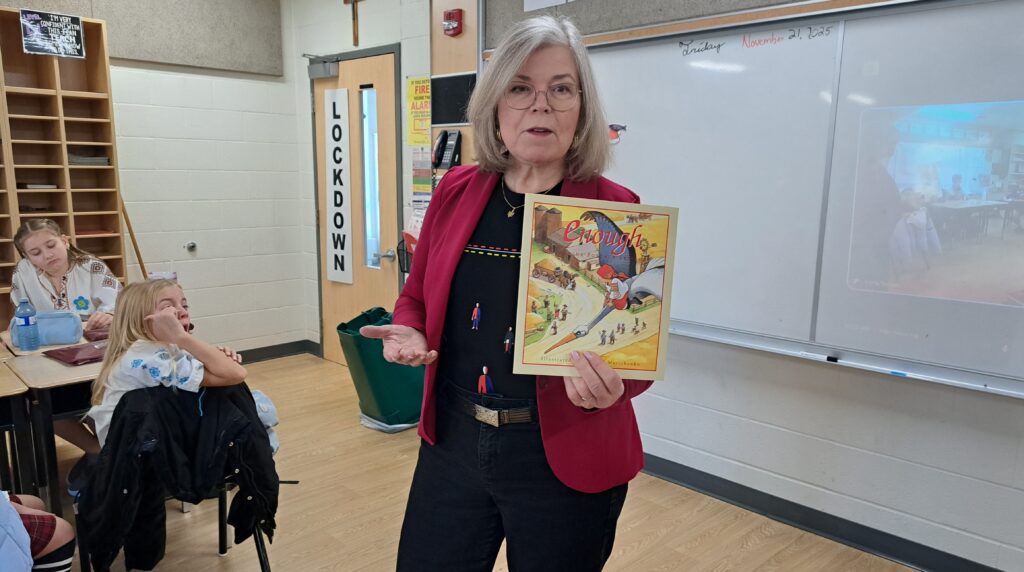
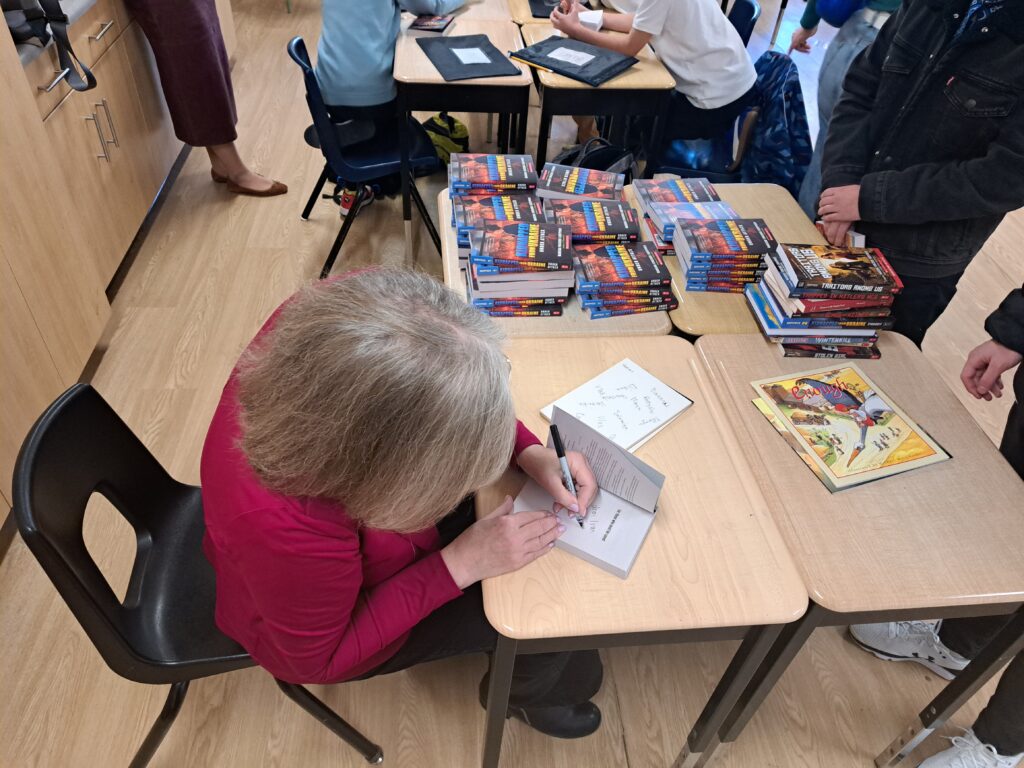
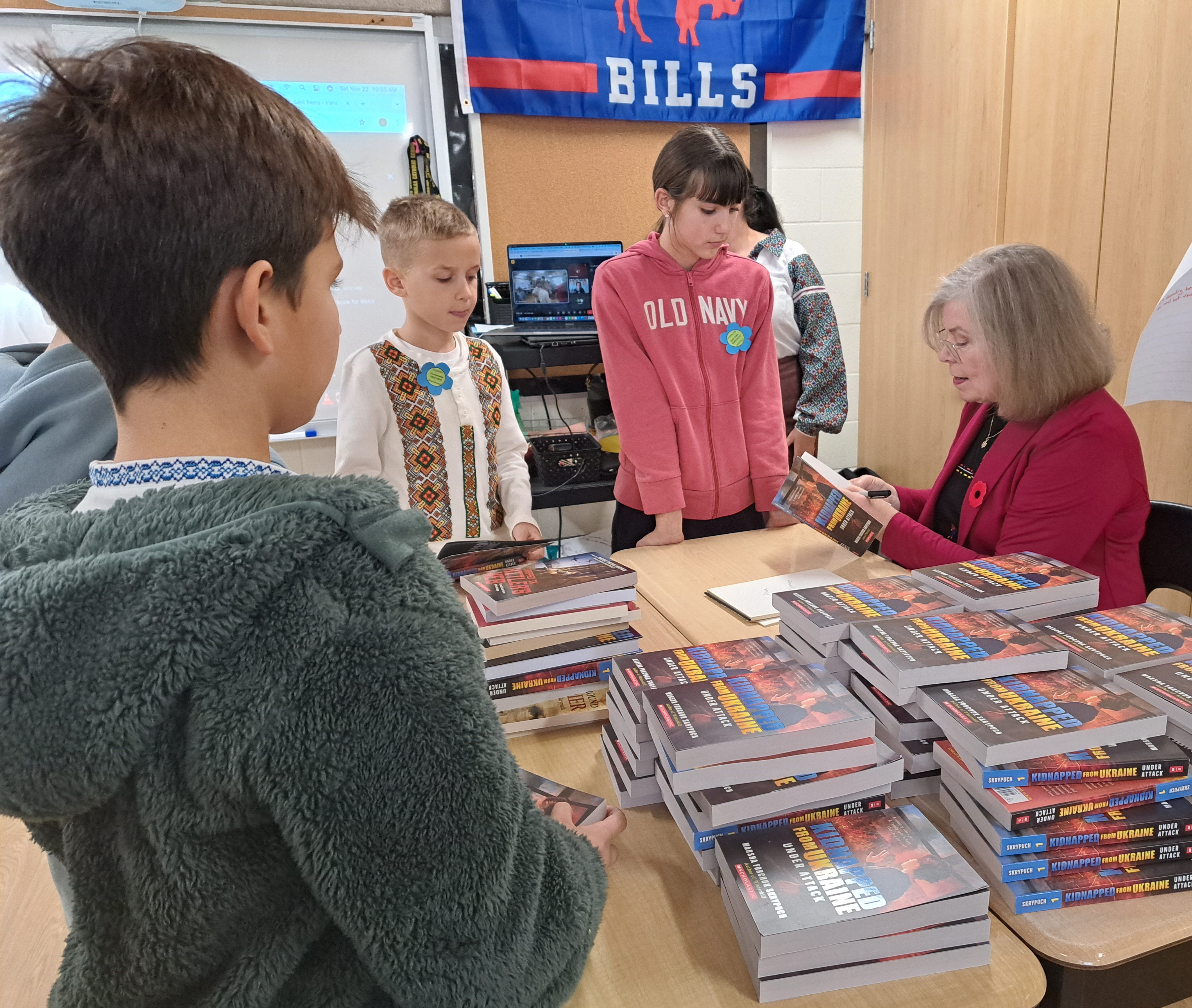
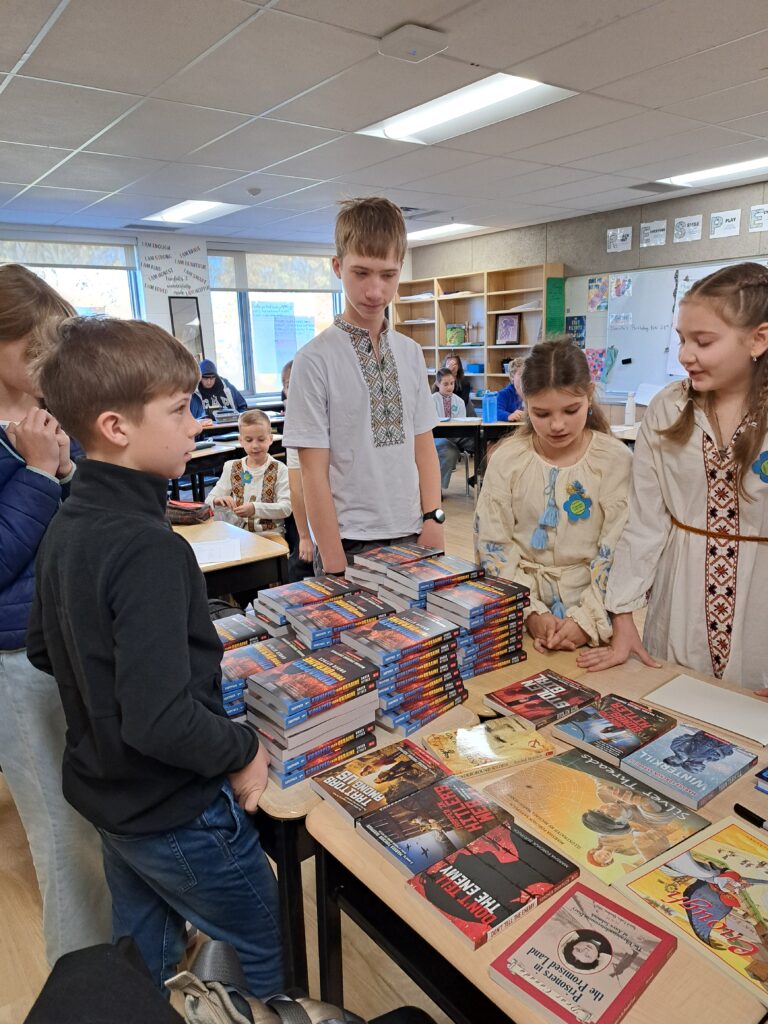
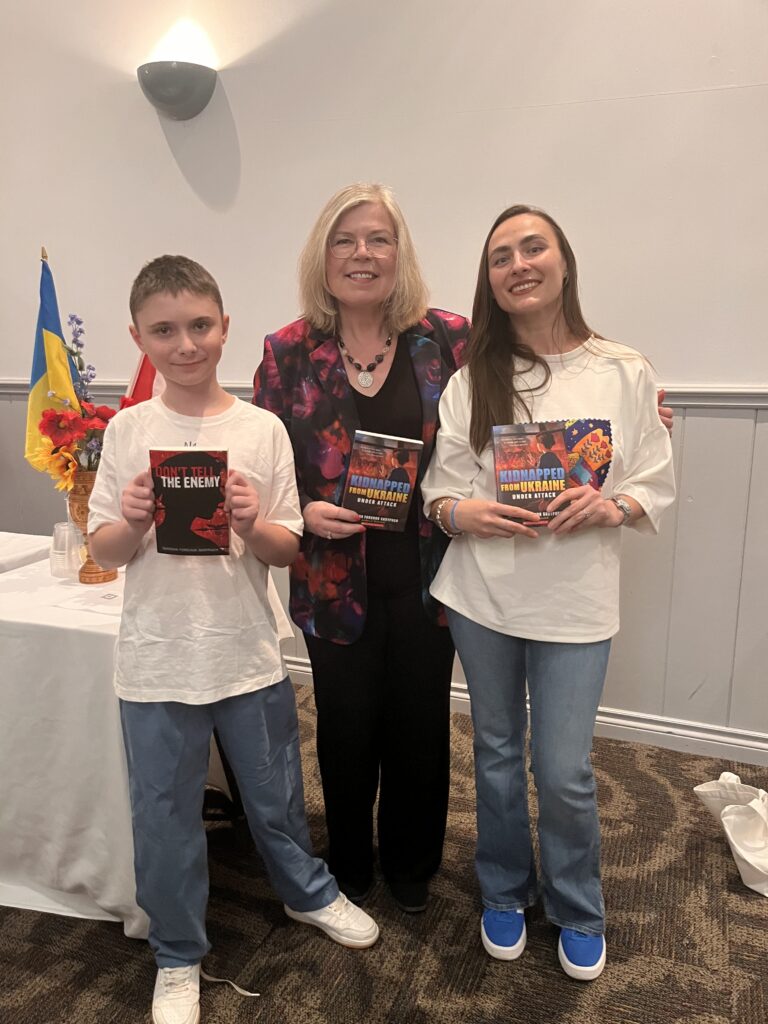
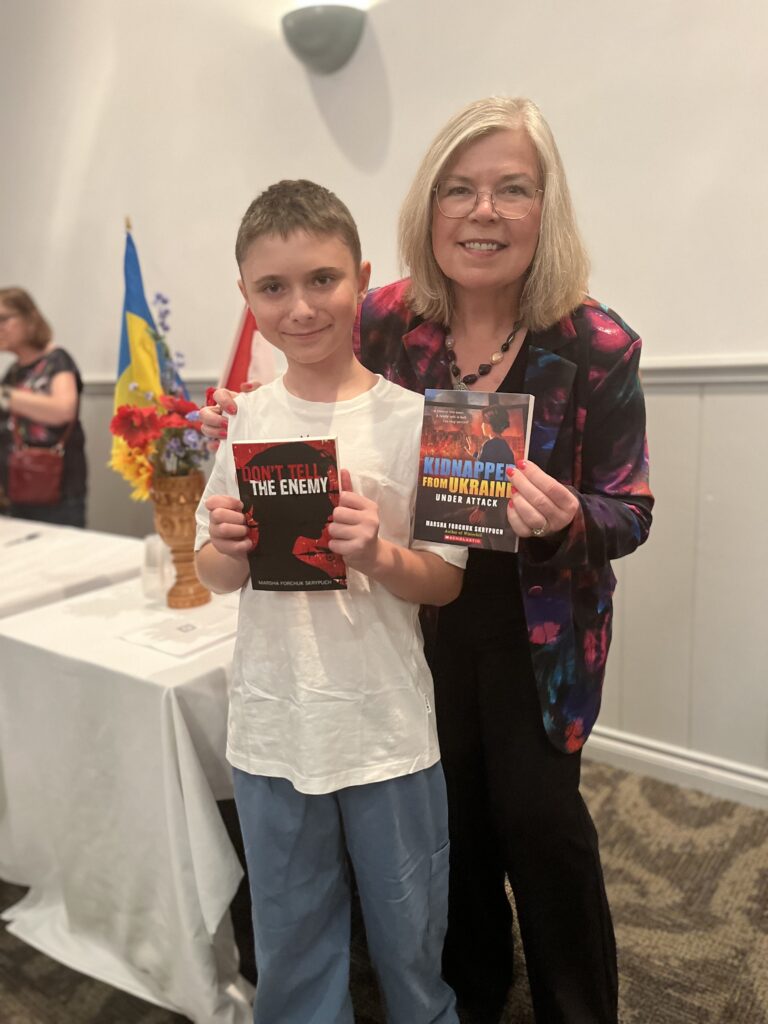
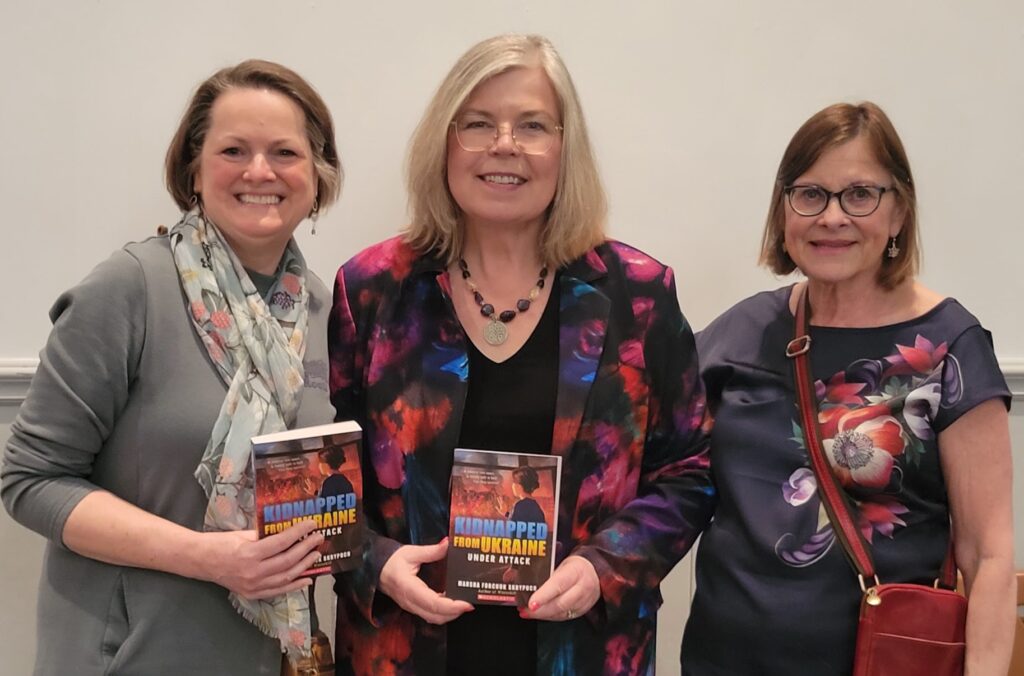
Many thanks so educator extraordinaire Oksana Levytska, her team, and her fabulous students. It was a pleasure to discuss my books set during various times in Ukraine’s history, particularly my books set during the Holodomor, and my Kidnapped from Ukraine trilogy, which is set during a time these students are all too familiar with. It was a dual presentation, with some students in person, and others attending remotely.
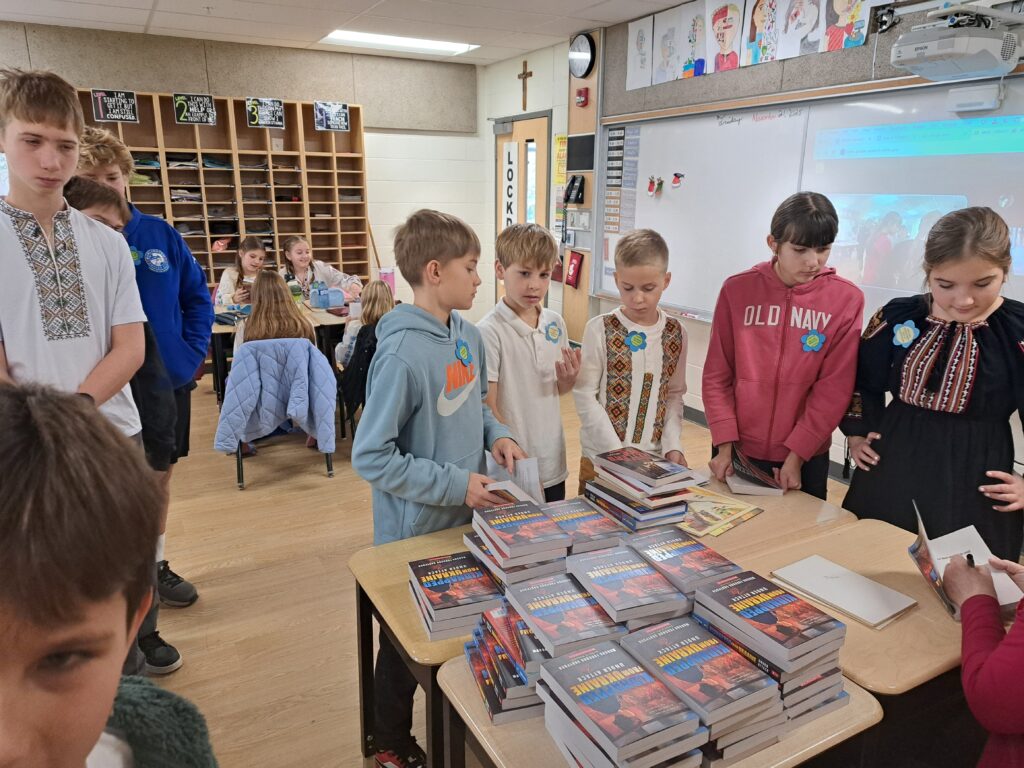
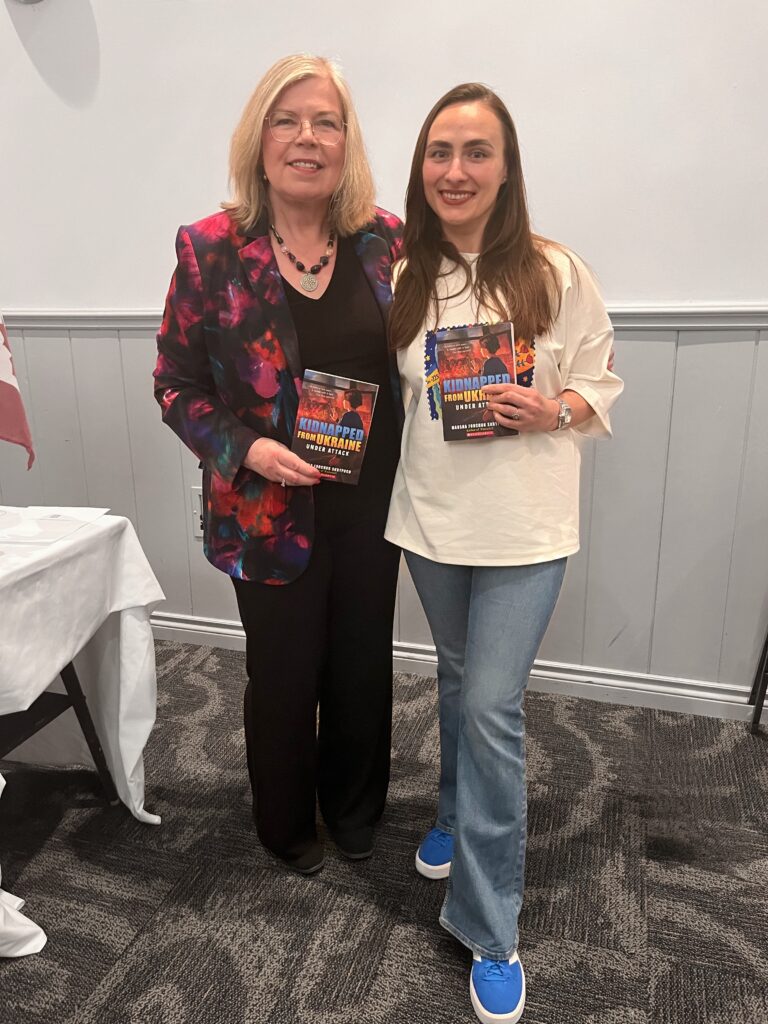
Copies of Under Attack, book #1 of my Kidnapped from Ukraine trilogy had been pre-purchased through Koota Ooma, my favourite Ukrainian book and gift store, so I got to know the names of each student as I signed them.
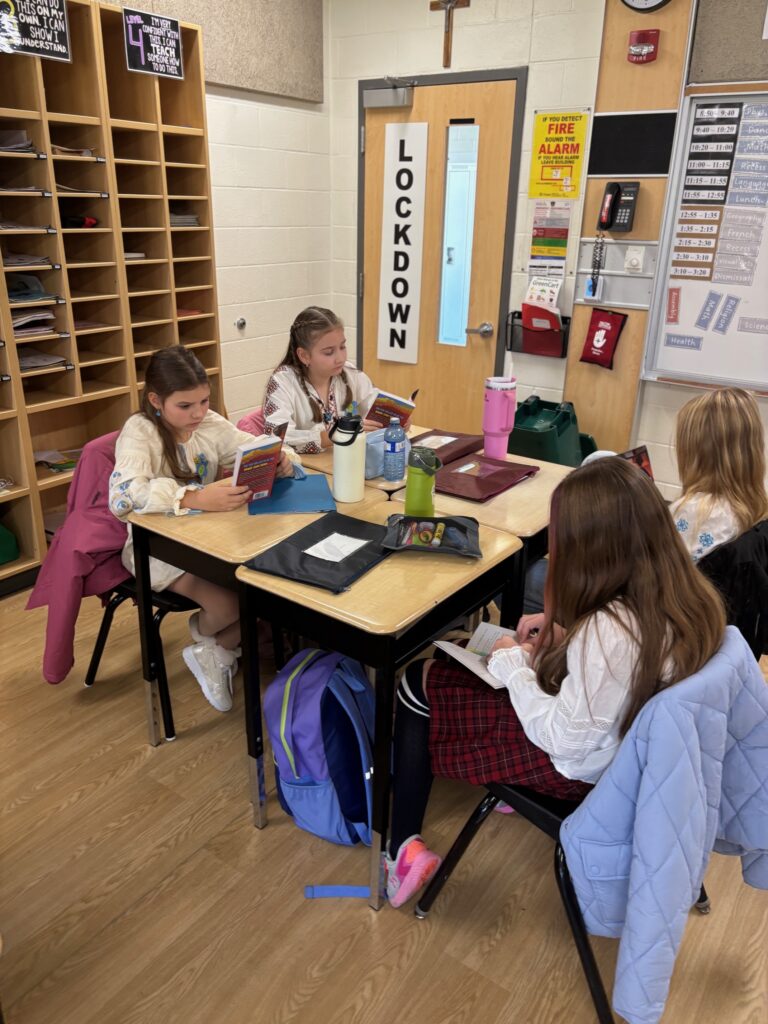
After all of the books were signed and I was packing up my things, it was thrilling to see so many students reading their brand new books — an author’s dream.
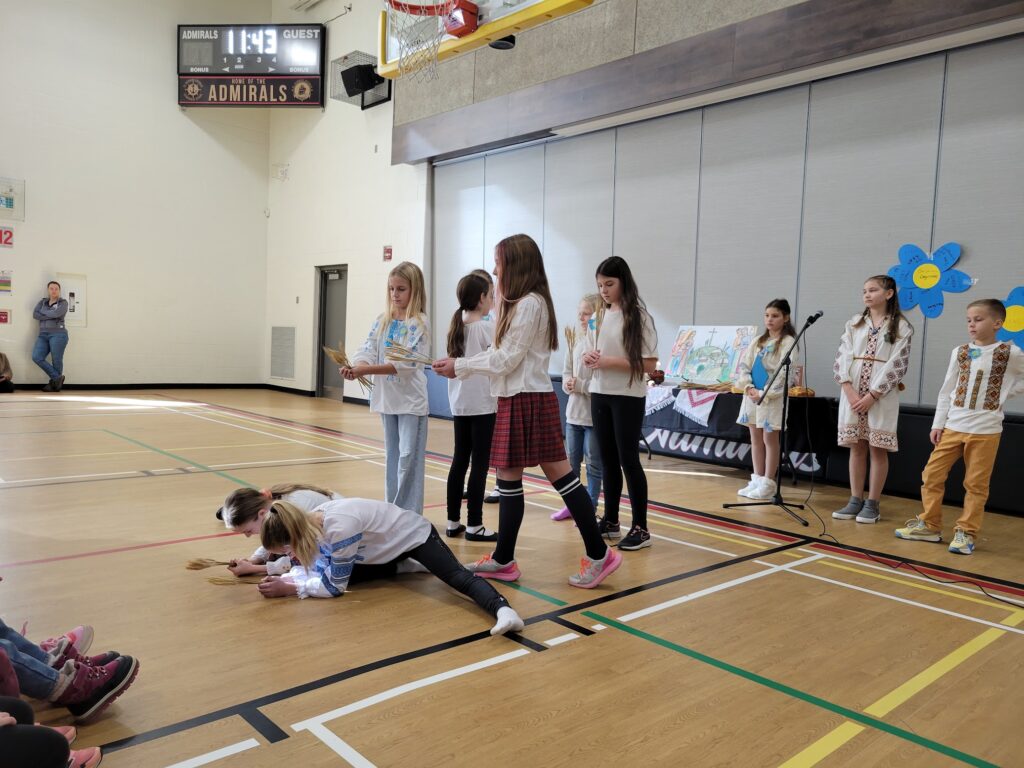
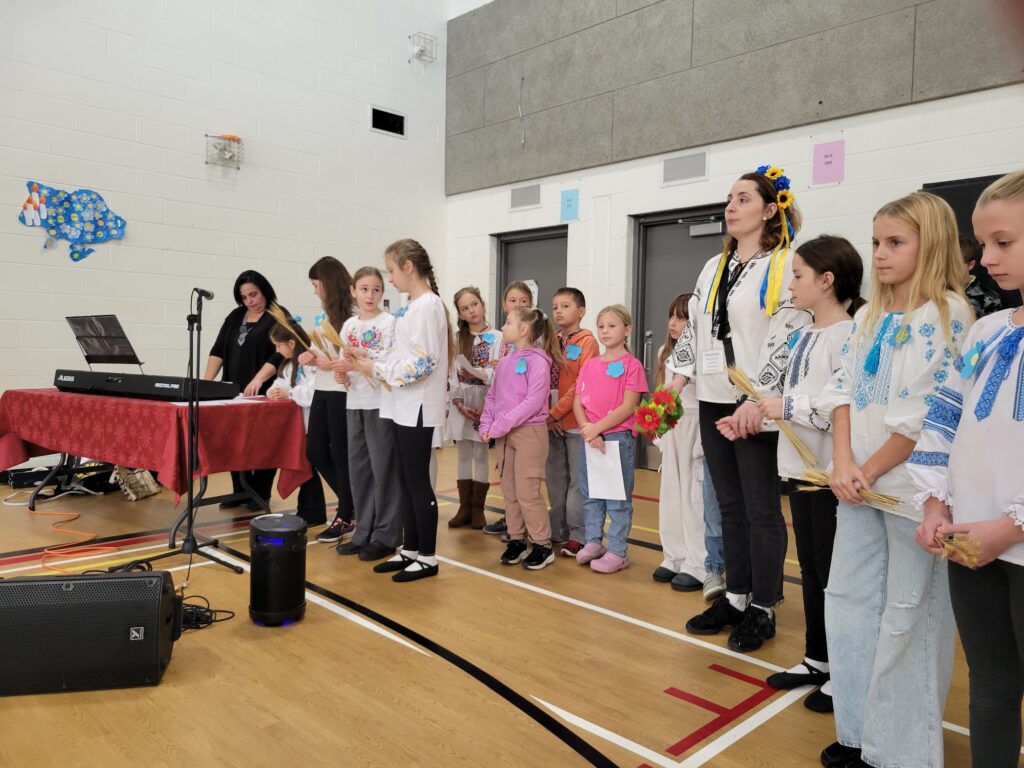
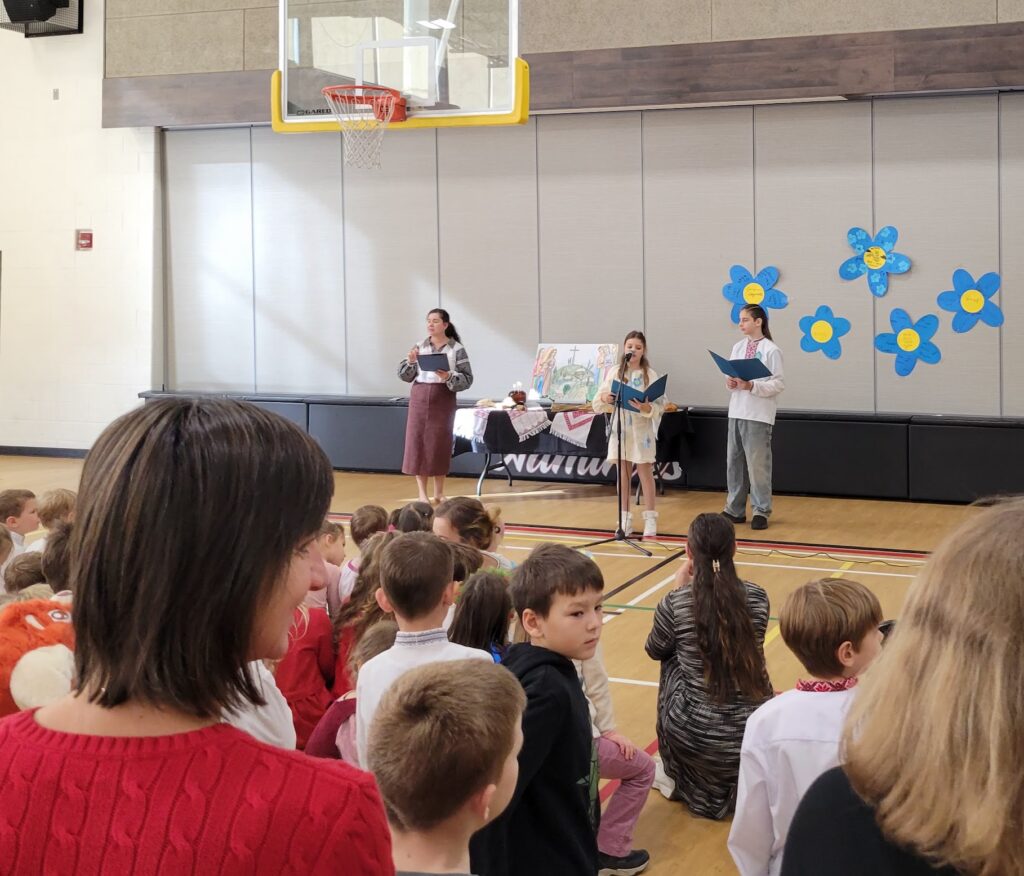
Ms Levytska invited me to attend the school’s Holodomor assembly. I was moved by students’ dedication and talent in honouring those who had perished in this genocide orchestrated by Stalin.
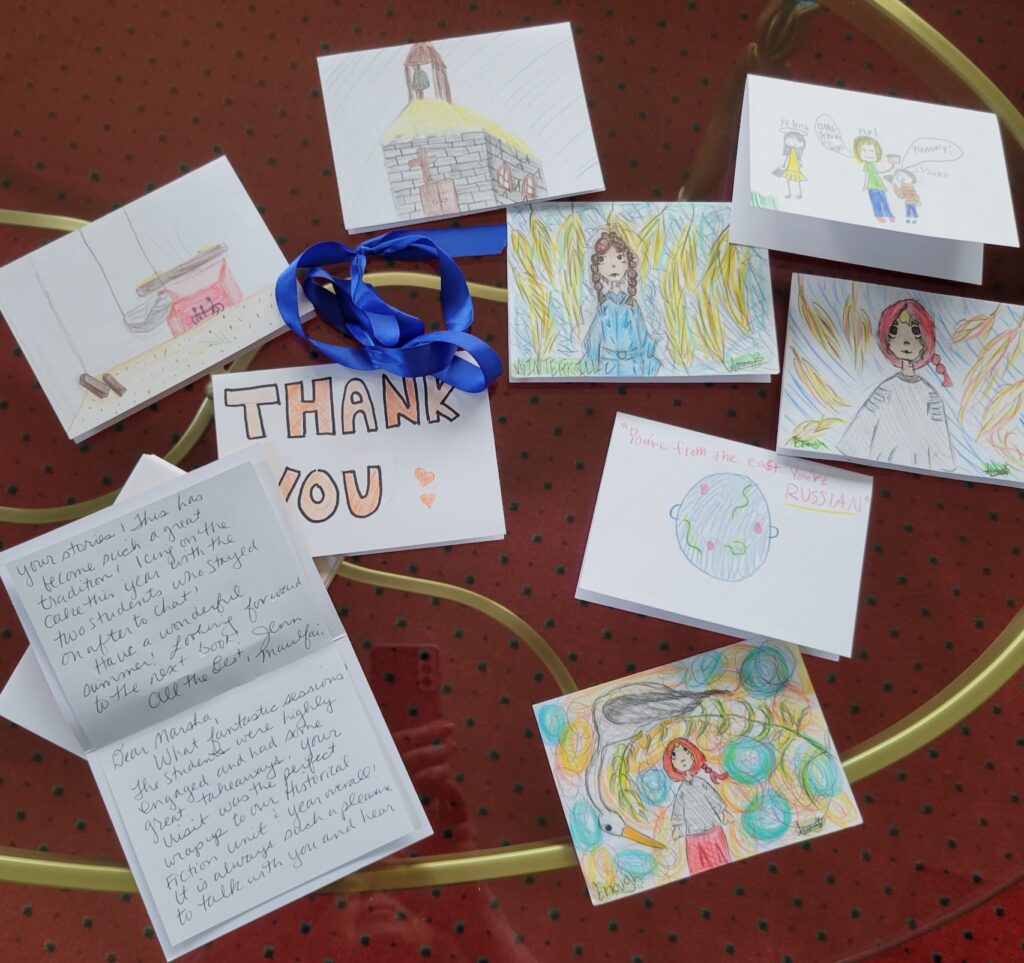
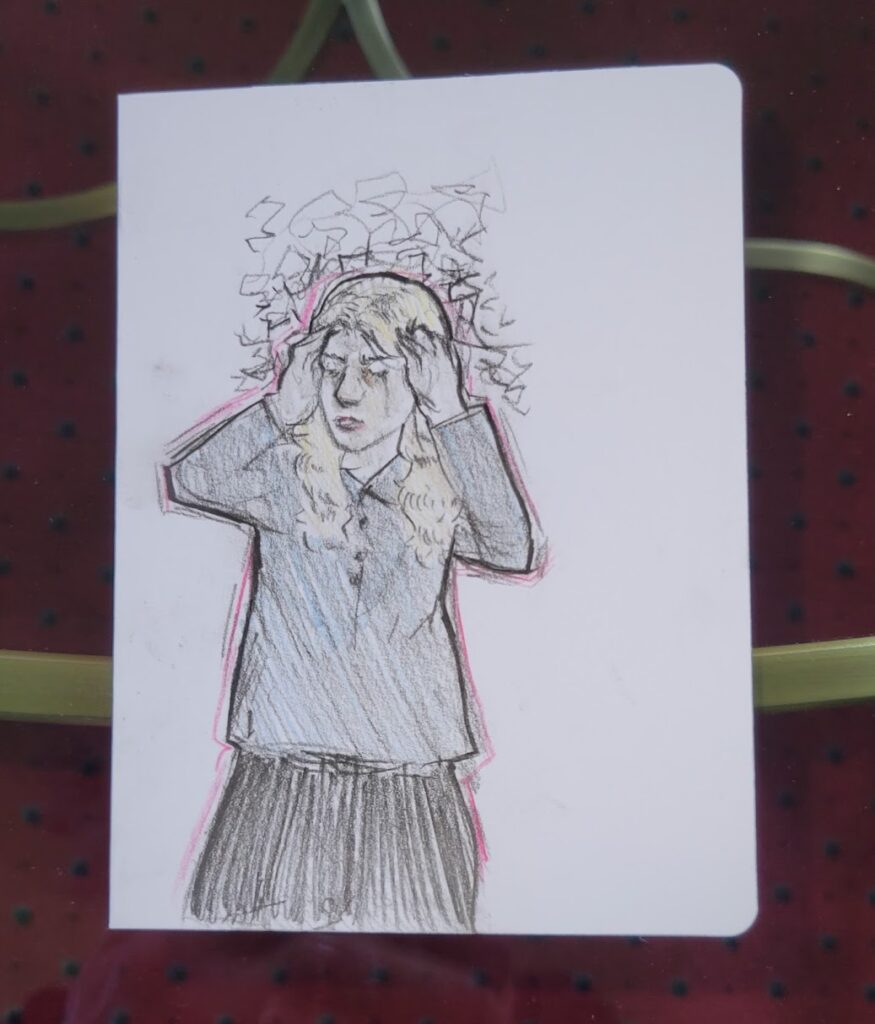
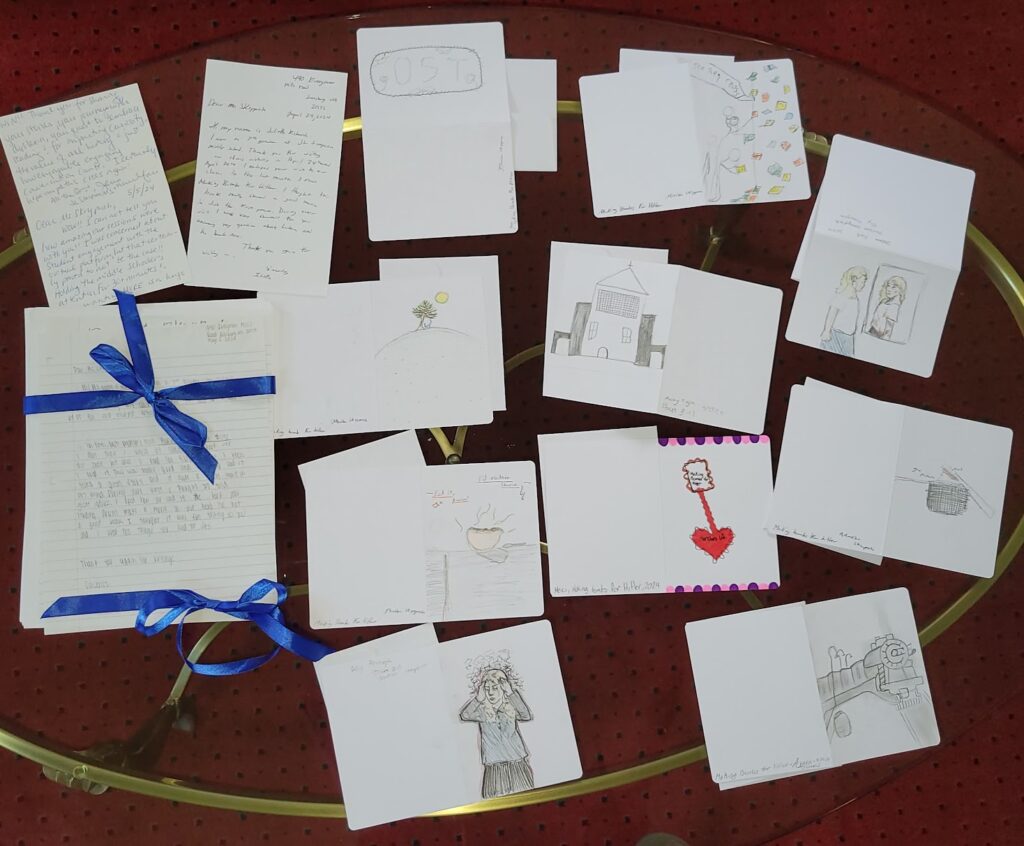
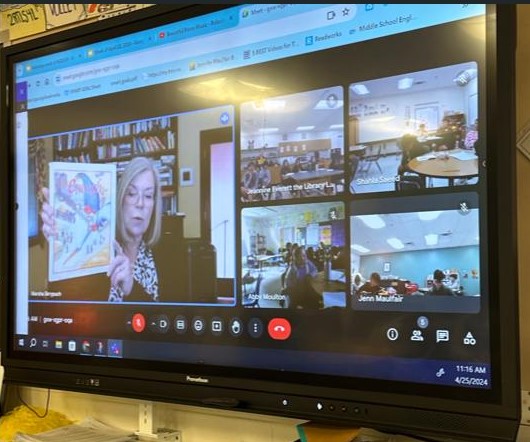
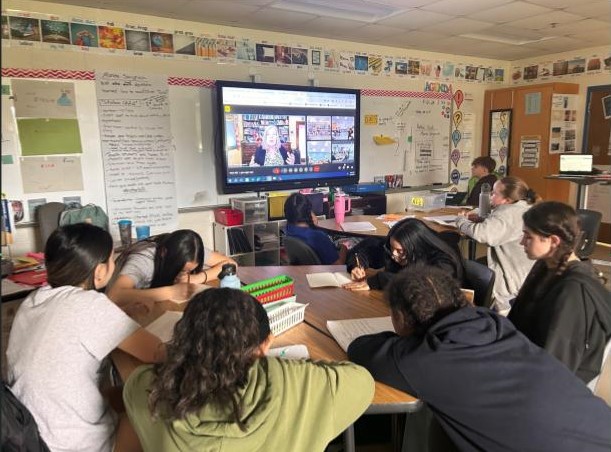
It was such a pleasure to speak with 7th grade students at JL Simpson Middle School this May. This is the second year in a row that I’ve virtually visited with all 11 classes. Students are well-prepared and avid readers and I really admire their teachers because they know how to combo a whole lot of learning for maximum effect. I got this package in the mail — thank you notes from the kids, and also from Jennifer, media specialist extraordinaire. But these aren’t just any thank-you notes. Students created thank you notes for me to use as thank you notes! The outside of each note card has student-created art based on a scene from one of my books. On the back of the cards is the student’s name and the name of the book that inspired their art. So a learning opportunity that combines art, literature, history, communications and courtesy! Wow!
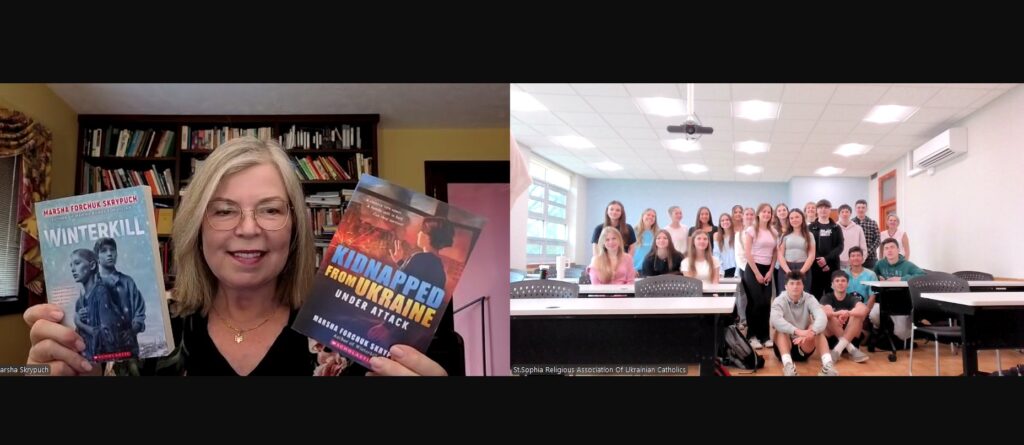
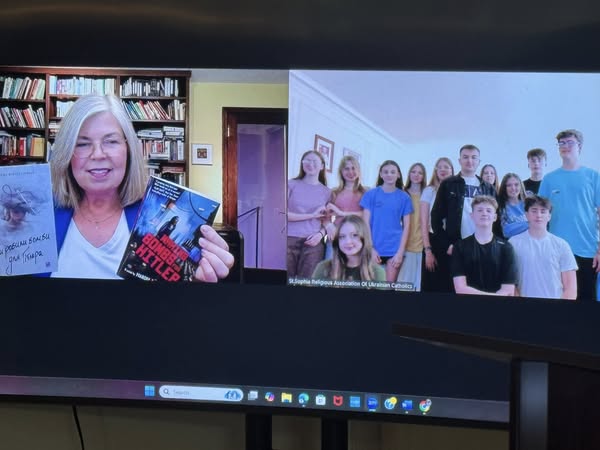
This morning I did another presentation with St Sophia Religious Assn of Ukrainian Catholics, USA (Philadelphia). This audience was two 10th grade classes. Thank you so much for the invitation!
It was such an honor to speak with the youth group at St. Sophia Religious Assn USA of Ukrainian Catholics this evening. Thank you, Iryna Ivankovych for the invitation. Students had read Making Bombs for Hitler and we talked about why I write what I write, Ukraine’s traumas over the last century and the intergenerational impact of war. A meaningful and heartfelt conversation.
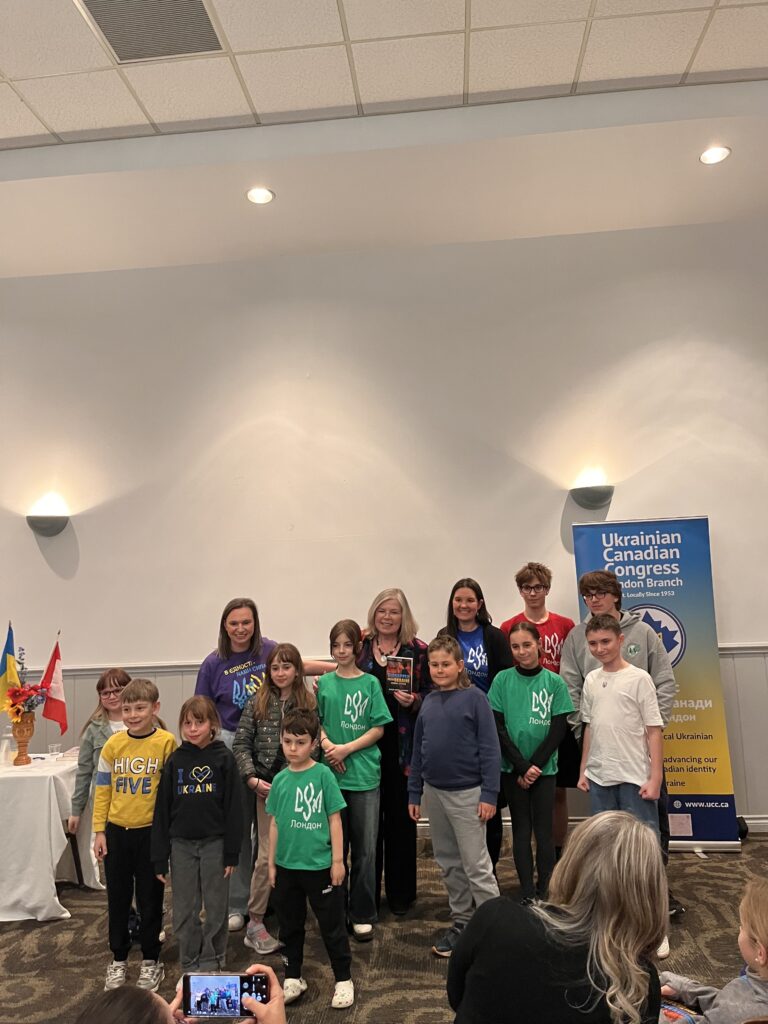
Thank you so much, Olha Nowosad and all of the organizers for such a wonderful event last night. Coming back to the London Ukrainian Centre felt like coming home because I spent many a Saturday night here, at zabavas. It was a great way to get more use out of old bridesmaids’ gowns.
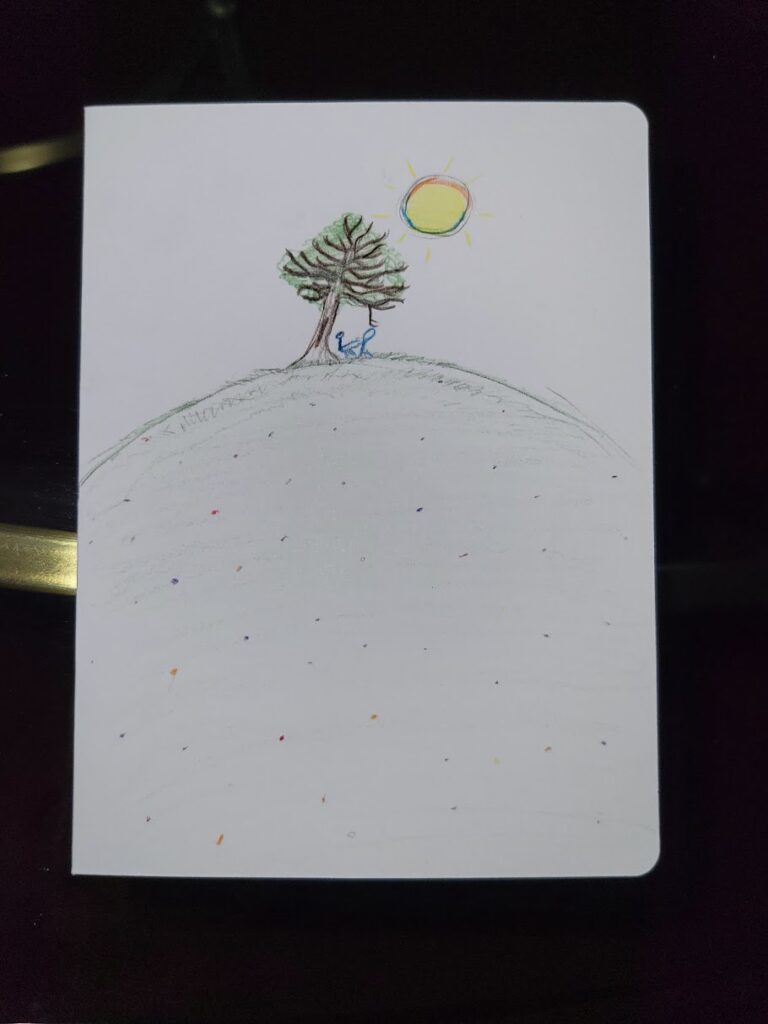
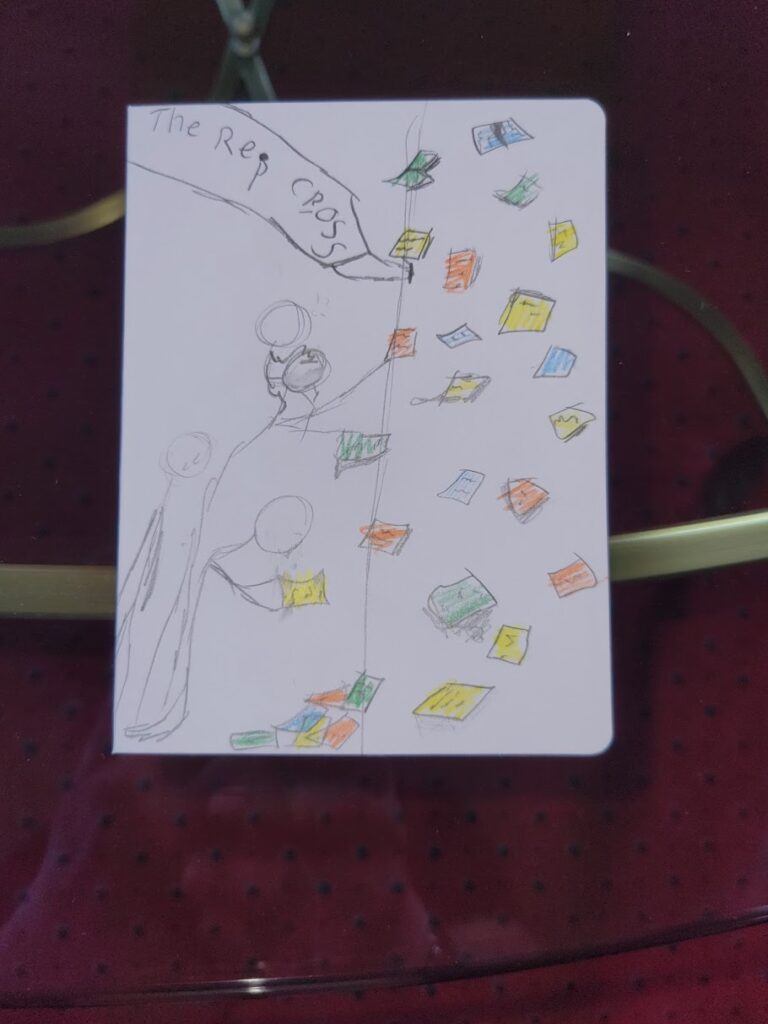
I just received the most beautiful package of letters and cards from students and staff at JL Simpson MS (Virginia) in response to 6 virtual visits over two days that we did together a few weeks ago. Jeannine and I had corresponded about this for about a year and I was very impressed by the students and their in-depth questions on a wide variety of my books, and about history, and about the current war in Ukraine. The letters were tied in a blue satin ribbon, and the cards are amazing. Individual student artists created cards based on scenes from books. The artwork below is inspired by Stolen Girl, about Nadia’s joy at having a tree with a swing, now that she’s safe and living with people who love and care for her.
This is from Making Bombs for Hitler, when Lida is in the Displaced Persons’ camp. She’s checking the hundreds of bits of fluttering paper that have been attached to one of the few stone walls still standing. Each paper was a note with a person’s details on it, as they were trying to connect with loved ones who survived. I think of the war going on now in Ukraine when I look at this artwork, and think of all the people trying to find their loved ones.This is from Stolen Girl. It’s Nadia’s confused memories because of the Nazi brainwashing she endured, making her forget her true family. It breaks my heart seeing this picture because there are kids right now kidnapped by Russia, in the midst of having their memories washed.Here are all of them.
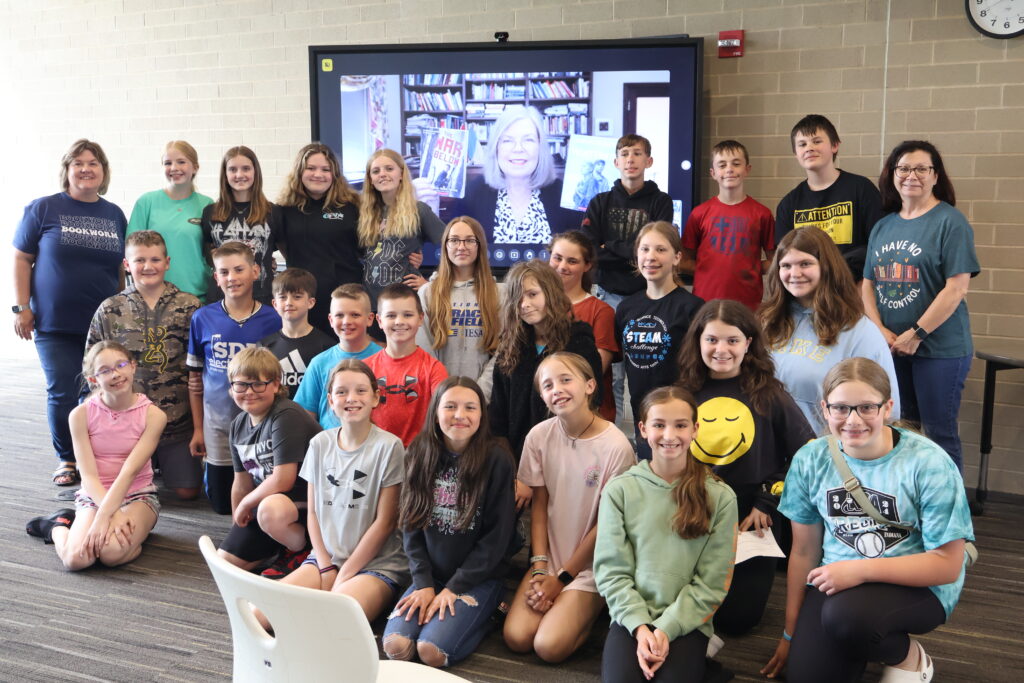
Thank you, Ms Coffman, for the opportunity to meet with your avid readers from Limestone MS, IL! I loved their well-thought-out questions about a bunch of my books, and also about creativity and research!
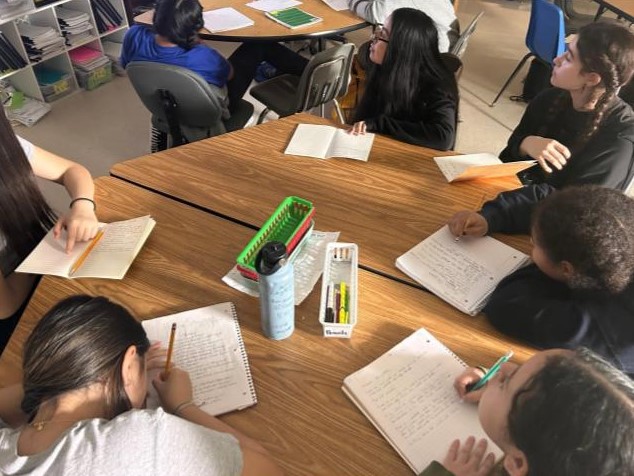
Last week I had the pleasure of meeting with 300 students in 7th grade at J.L. Simpson in Leesburg Virginia over the course of 6 virtual sessions. Jeannine, their media specialist extraordinaire cobbled together grants from the Nora Roberts Foundation and HREC ED to make this happen and also to purchase copies of Winterkill for the students. The planning had been in the works since April of 2023! Students asked great questions, and look at the notes they took!