Arriving in Winnipeg on Tuesday

I flew in last Tuesday to Winnipeg for the Thin Air Literary Festival in Winnipeg. I was picked up from the airport by a Thin Air volunteer and had the most fascinating conversation about World War II on the way to the hotel.

Once I dumped my stuff in the room, I met up with Ian P, a very talented kidcrit member. I LOVE meeting kidcritters in person. It takes a special bond to share and constructively crit writing and that’s what we do amongst ourselves. We do have kidcrit litgets every year or so in Toronto, but Winnipeg has a LOT of kidcritters, former and current as well.

Here is the view from my Inn on the Forks hotel room:

20140924_085900

Ironic, really, seeing as I had been misquoted all week in a Reuters news article about this very place. For the record, what I said is that a Canadian Human Rights museum has a mandate to concentrate on lesser-known Canadian human rights stories, rather than showcasing atrocities that are well known, and my examples of lesser-known injustices were Canada’s treatment of First Nations people and Canada’s internment of “enemy aliens” during the First World War.

Ten Tips For Writing That First Novel

by Marsha Skrypuch

this was originally posted on Brenda Kearns’ blog here.

Tip #1: Read A LOT

Like a thousand novels or more. You’d be amazed at the number of people who want to be a novelist but hate reading. Being a voracious reader is the single most important attribute of successful novelists.

Tip #2: Write every day for at least ten minutes

“When I retire, I’m going to be a novelist.” Just like you can’t suddenly run a marathon, you can’t suddenly write a novel.  Muscles need to be trained for both activities and that’s where the ten minutes comes in. Give yourself ten minutes each day even if you have no idea what you’re going to write. Give yourself ten minutes a day even if those ten minutes are the commercial breaks for So You Think You Can Dance.

The first few days that you’re confronted with your ten minutes, you’ll probably stare at a blank screen (or page) and sweat. But after a while, you’ll develop writerly habits. You’ll eavesdrop on the next table at lunch, not for the gossip, but for the nuance of speech. When you read the paper, your mind will spin with story potential from the various little tidbits. Your mind will wander with story ideas on the way to work and you may even end up missing your stop. As this begins to happen, you’ll barely be able to contain yourself until you get to your precious ten minutes. Once you’ve been writing enthusiastically for about a month solid during your ten minutes a day, you’re ready to start on your novel.

Tip #3: Ask yourself, “What would happen if…”

This is the beginning of a novel. As an example, my WWII trilogy

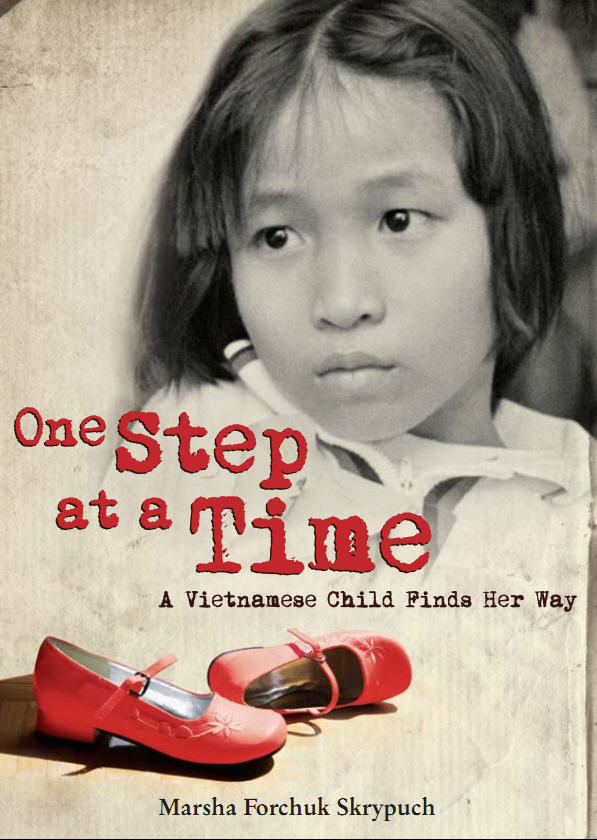
Stolen Child/Making Bombs for Hitler/Underground Soldier

all started with this question: “What would happen if two sisters were kidnapped together by the Nazis in WWII yet both suffered completely different fates?”

Tip #4: Brainstorm your characters

Once you’re brainstormed your core story question, you need to brainstorm your characters. For each key character, sketch out this:
*What/whom does my character want? Love? Need? Be very specific.
*What quirks and habits does my character have?
*What could get in the way of them achieving their wants/loves/needs? Think of the interaction of characters and how if one person gets their goal, someone else won’t get theirs.

Tip #5: Go to McDonalds or Starbucks

Not to eat—to grab a job application form. Make copies. Fill one out for each of your characters.

Tip #6: Take your character through a 24 hour day

Begin at dawn. Be careful to note each action, and also the physical space, right down to what their sleeping area looks like and what they break their fast with. Depending on whether they’re in a space ship or medieval England it will all be very specific to your story. You’ll be amazed at how much you learn about your character by following them for 24 hours. And if you listen closely, you’ll find out what your story is really about.

Tip #7: Don’t try to write your story in chronological order

Is there a scene vivid in your mind but you don’t know the before or after? Awesome! Write it. Keep on writing these scenes that are vivid. Once you have a critical mass of them, you’ll see that they practically self-organize, sort of like how raindrops form a puddle.

Tip # 8: Take breaks

Once you’re plunged into your story, you’ll be writing far more than ten minutes a day, but stop writing before your brain is completely empty of story. Stop partway through a paragraph, even partway through a sentence, and go out and do something physical. Everyone has their own creativity limit. For me, it’s three hours. Anything written beyond the three hours a day is trash.

Tip #9: Do Kamikaze research

In other words, write what you can while in the heat of it, leaving blanks and XXXs for spots that you’ll fill in later. Do research as you need to after you’ve done your daily writing but don’t use research as an excuse not to write.

Tip #10: Let yourself write crap

One of the best revision methods is to delete the first 25% of your first draft. Now that you know this, don’t angst over every word. You’re going to revise, delete rejig down the line, but right now you’ve got to get the story down in first draft.

index

Fiction, Non-fiction and Narrative Non-fiction

Brenda Kearns

This post was originally published on Brenda Kearns’ blog here.

Most people will say that fiction is fake and non-fiction is true, but have you ever had a news article written about yourself or a topic you’re very familiar with? Was it 100% accurate? Not likely!

Yet news articles are supposed to be non-fiction. Ditto for textbooks. They’re filled with facts and figures that are based on suppositions of the time but that doesn’t make them true. Continue reading “Fiction, Non-fiction and Narrative Non-fiction”

Blue Dog — plaque and launch day

Erin Woods of Pajama Press came in early on the train so I picked her up and took her to the Blue Dog Cafe so she could fortify herself for the book launch and plaque unveiling. Here she is, about to fortify herself with carrot cake.

erin

Erin snapped this of me, chugging down mint tea:

marshaaug22


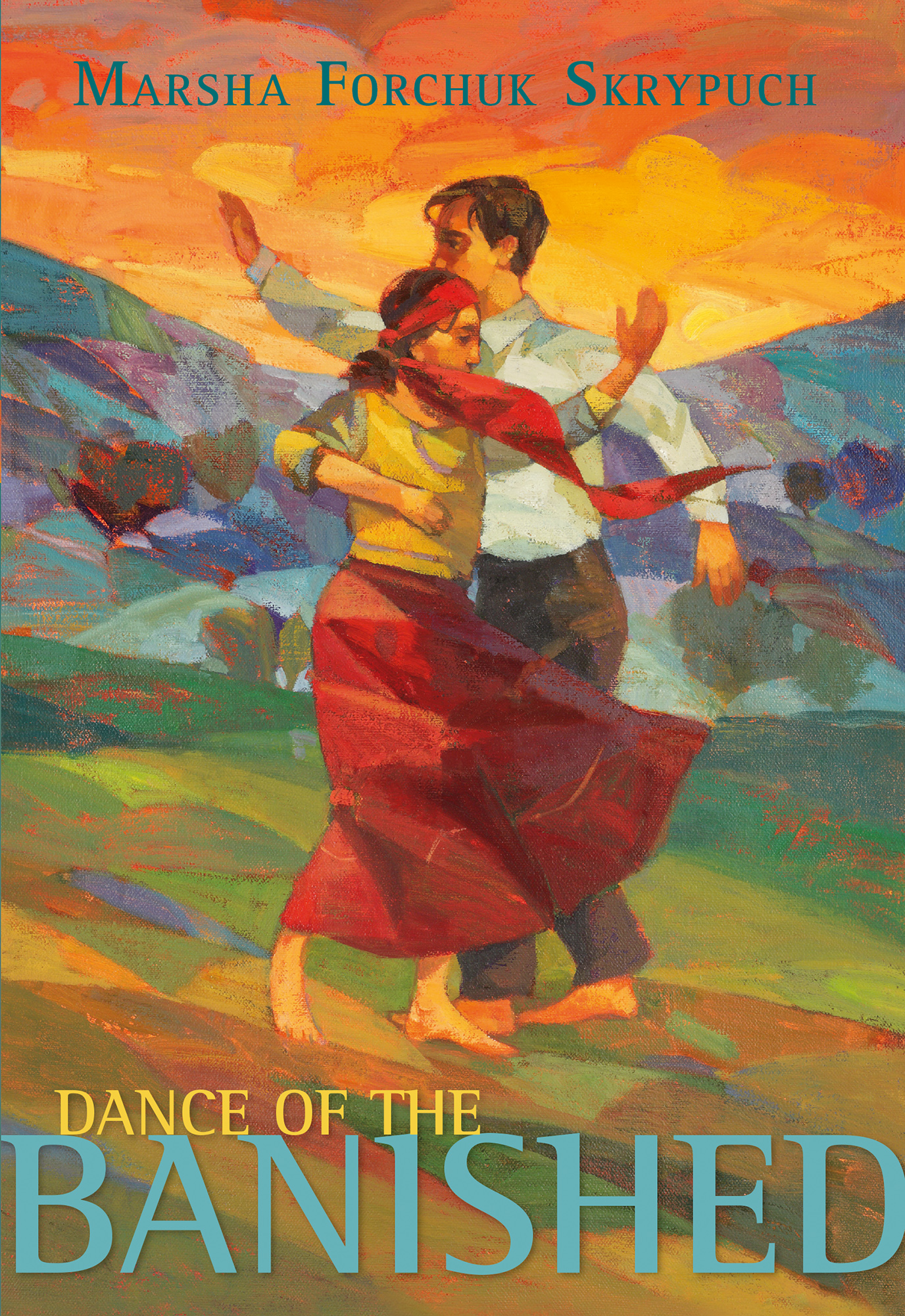
August 22, 2014 — Dance of the Banished book launch

Marsha signing Dance of the Banished

Erin Woods of Pajama Press and freelance publicist Kim Therriault were both on hand to help out with the book signing table. It was so nice to see many familiar faces, including Helen Kubiw, who had posted this fabulous review just hours earlier.

It was also wonderful to see Suleyman Guven, who helped me tremendously with cultural and historical details of Alevi Kurdish life from a century ago. He too had just published an interview that we had done. It is published in Turkish and English in Yeni Hayat, the Toronto Kurdish/Turkish newspaper, of which he is the editor. He brought me a paper copy of the newspaper as well and it is beautiful!

Lada and Olya, women I met on my first trip to Ukraine back in 2001 drove in from Toronto together, and CANSCAIPers Lynne Kositsky (and husband Michael) and Judy Robinson also came out, as well as a mother-daughter avid reader blogging team.

I was especially honoured to see so many people from the Armenian Canadian community. One young man who towered over me said he’d heard me speak about my first novel, The Hunger, when he was in elementary school. How nifty is that?!

And Joan Mailing, I am glad that you did get postcards and bookmarks this time!

Brantford plaque unveiling for 100th anniversary of WWI Internment

What an honour it was to be part of the wave of plaque unveilings across the country on Friday at 11am, commemorating the 100th anniversary of Canada’s first national internment operations. The hundred plaques project, known as CTO (Ukrainian for 100) was the brainchild of Dr. Lubomyr Luciuk and was organized and funded by the Canadian First World War Internment Recognition Fund.

Since there were only 100 plaques for the entire country, as soon as I heard about this project, I put Brantford down for one. Here’s what the plaques look like:


STO plaque image

There were about 80 people in attendance, many driving in from Toronto and Cambridge including people of Alevi and Armenian heritage. The prayers and hymns were a moving tribute to those who had been unjustly imprisoned by Canada one hundred years ago. Both priests spoke eloquently, as did our government representatives.

What sets Canada apart from many countries is that we do acknowledge injustices. That’s what these 100 plaques are all about — commemorating a past injustice so it will never be repeated.

btfdcto
The Very Reverend Father Bohdan Mironovich of the Ukrainian Catholic Church of St. John, The Reverend Father Vartan Tashjian of the Armenian Apostolic Church of Montreal, author Marsha Skrypuch, Dr. John Skrypuch, the Honourable Dave Levac, MPP for Brant and Speaker of the Ontario Legislature, the Honourable Phil McColeman, MP for Brant, Sub-Deacon Paul Vandervet, Diane Martyniuk.


Brantford’s plaque


Researching — every which way! Thank you Hamilton Berry Farm.

When I was writing Underground Soldier, there was a ton of research to do. I had to figure out what was going on in Kyiv before Luka was captured by the Nazis, and I needed to find out what the underground bunkers of the Ukrainian Insurgent Army looked like, and figure out what an escaped slave would eat on the run, and where he would hide.

But there were also small day to day scenes that needed to be accurate. For example, what was growing in the field that Luka walked through once he jumped out of the wagon of corpses? Another thing I had to figure out is what the interior of the barn that he hid in would look like. I’ve been in barns before, but not until you have to write a scene inside a barn do you realize all that you need to know.

For my barn research, I called upon Marna Hamilton, a berry grower who lives not far from me. For years I have been buying berries in season from her farm, but while I was writing Underground Soldier, I noticed her barn. It’s about the same age as the one Luka would have hidden in. It’s in Brant County, not the Third Reich, but all barns of an era have some things in common. Marna kindly took me on a tour of her barn and answered all my questions. That was two summers ago. This week the strawberries are lush and so I dropped back by to get berries, but also to thank Marna for her help and to give her a copy of Underground Soldier. Here she is:


marna