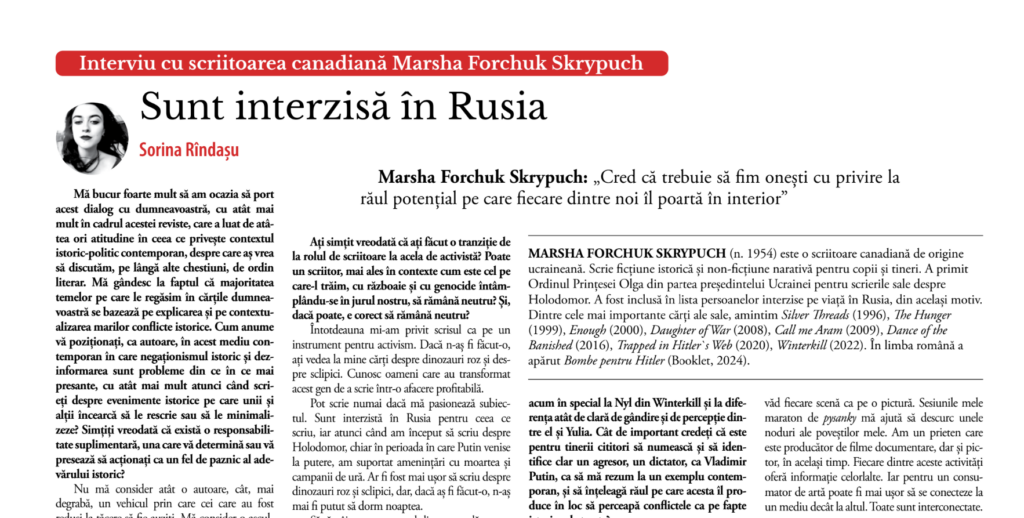
An interview in Timpul Magazine, Republic of Moldova edition

Winterkill, my Holodomor novel, is being published in a Romanian and English edition by Booklet Romania, for distribution in Romania and the Republic of Moldova. I was contacted by Sorina Rîndașu, a writer in Romania, and also the proofreader for this edition of my novel. She asked if she could interview me for Timpul, saying, “The magazine is led by two very courageous cultural figures: Dumitru Crudu, a novelist and an active activist on the issue of the war started by dictator Vladimir Putin against Ukraine, and Maria Ivanov, a writer and cultural journalist.”

There are so many parallels between what Stalin was doing during the Holodomor and what Putin is doing now. I was honoured to answer Sorina’s questions. Pasted below are my responses in English.


1. I am thinking about the fact that most of the themes in your books are based on explaining and contextualizing major historical conflicts. How do you position yourself, as an author, in this contemporary environment where historical negationism and disinformation are increasingly prevalent issues, especially when writing about historical facts that some are trying to rewrite or minimize? Do you feel a heightened responsibility, an additional one, to act as a kind of `guardian` of historical truth?

I don’t think of myself as an author so much as a vehicle for those silenced to be heard. I think of myself as a listener to individual life experiences, who then does the slow and boring research of placing that individual experience into the context of world events that have either been forgotten or hidden.

I don’t choose the topics; it’s more that the topics choose me. I have a fierce interest in history and life experiences that I knew nothing about, but that are monumental.

Before I wrote books, I was a freelance journalist for a small history magazine in my hometown. Canada, in addition to the aboriginal population, is largely comprised of people who came here as refugees, leaving everything they loved in order for their descendants to have a better life. When I was writing for that magazine, my theme was “coming to Canada” stories. I interviewed people about why they or their ancestor left everything that was cherished and familiar to start a new life in a land that wasn’t always kind to newcomers. Those interviews were the seeds to my books. 

What intrigued me was that the stories I heard from refugees were not in history books, nor in popular historical fiction. These stories had been ignored, erased or manipulated. And what we forget, we are bound to repeat.

I felt a responsibility to research, to verify the actual history and to shed light on it. I didn’t have any sort of great plan about this. It’s just that I couldn’t sleep. I would toss and turn, thinking about these stories that had been hidden. They needed to be seen and heard. The stories wouldn’t let me sleep until I wrote them.  

Russia’s current disinformation campaign against Ukraine in particular and the west in general is not new, but it has been honed to evil perfection. Russia’s disinformation campaign is particularly good at tricking its own people into believing lies.

2. Have you ever felt that you transitioned from the role of a writer to the role of an activist? Can a writer, especially in contexts like the one we are living through, with wars and genocides happening around us, truly remain neutral? And, if it is possible, is it right to remain neutral?

 I have always thought of my writing as a tool for activism. If I didn’t, you’d see titles from me about pink dinosaurs and sparkles. I have acquaintances who’ve made that sort of writing into a lucrative career.

I can only write if I’m passionate about the subject. I am banned by Russia for my writing, and when I first began writing on the Holodomor just around the time that Putin came into power, I endured death threats and hate campaigns. It would have been easier to write about pink dinosaurs and sparkles, but I wouldn’t be able to sleep at night if I had done that.

It’s moral abdication to remain neutral.


3. Beyond the valuable historical information in your books, how do you think and/ or hope young readers will apply the lessons of tolerance, empathy and vigilance to contemporary issues in their communities, issues that do not necessarily involve a major war, but may involve other matters, such as discrimination?

Every young person feels like they’re living in the midst of a war because they see events in their own life as oversize. They’re still in the process of sorting out who they are and where they fit in the context of society. As a writer, my goal is to plunge my reader into the shoes of a person who is living through an actual, horrifying series of events. By identifying with the protagonist, the reader sees the world through their eyes. This helps the reader develop empathy. It also gives them tools to see their own situation in context of what others have to live through. This context gives them appreciation of what they have, and empathy to help others.

I am continually impressed by the feedback I get from my young readers. As an example, readers of Making Bombs for Hitler would never have heard about Ostarbeiters before, and would never have realized that a Ukrainian young person would ever be in a Nazi slave camp.  But in addition to the history, my readers grow empathy. One young boy told me that after reading Making Bombs for Hitler, he realized how awful it would be to be separated from his sister even though they argued all the time. He said he’d never complain about what he got for supper, because it was much more substantial than the sawdust bread Lida got in the slave camp. This context that readers get is so important. They learn history, yes. But they identify with a person who is being mistreated, and that gives them empathy.
 

4. Your characters often struggle with oppressive forces and authoritarian leaders. I am thinking now especially of Nyl from Winterkill, and the disparity in perspective between him and Yulia. How important is it for young readers to clearly name and identify an aggressor, a dictator like Vladimir Putin as an extreme contemporary example, and understand the evil they produce, instead of just perceiving the conflict as a political abstraction?

Vladimir Putin is evil. Stalin was evil. There’s no abstraction about that. But it’s a moral abdication for us to slough it off all on them. The reason their evil is effective is because of their ability to get others to do evil on their behalf. Yulia is naïve and easily manipulated, but she takes the easy and selfish way out at every opportunity. Would the Holodomor have happened if there weren’t a lot of people like Yulia around to do Stalin’s bidding? I think we have to all be honest about the potential for evil that each of us has within us. It’s our moral responsibility to do the hard things that we know are right, even if sometimes that has dire consequences. 

5. Are there any moments when you find it necessary to develop a kind of emotional protection against the psychologically challenging material you research for your writing?

 Yes. It’s shattering to write on these topics, but it’s magnitudes harder to live through it. My husband is a huge emotional support and he forces me to get out of my head. I have good friends too, who stick with me even when I vent and rage. One respite from book writing is writing pysanky. It’s part of my creative process. I reward myself after a marathon of writing to take a break for a few days and create a marathon of pysanky.

6. Considering the perspective that literature is one of the most important forms of art, how do you see the collaboration between it and other art forms, such as painting, illustration or even documentary films, to convey these lessons of history and morality to the younger generations?

 Each form of art gives a different window to the past. I don’t like to think of art as giving lessons, so much as giving a window, a perspective. When I was young, I couldn’t decide whether I would be an artist or a writer. I am a writer, but I see each scene as painting a picture. My pysanky marathon sessions help untangle my story knots. A friend is a documentary producer, but he’s also an artist and actor. Each of these activities informs the other. And for the art consumer, some will connect to one medium better than another. They are all interconnected.

7. The war between Russia and Ukraine includes, among other tragedies, the deliberate destruction of schools, museums and libraries in Ukraine. From the perspective of a writer who often struggles with the tacit erasure of historical records, what does the destruction of Ukrainian cultural heritage represent, and how does it affect the present, as well as the future identity of the people?

It enrages me.

Moscow has tried this time and again over the centuries, yet Ukraine’s cultural and literary history remains strong and will only get stronger.


8. How do you think the moral and historical reparation for the Ukrainian victims of this war should look, beyond material reconstruction?

 There were no Nuremburg type trials for Soviet murderers after the Holodomor or after World War II, and because Russians have never had to acknowledge their true and gruesome history, they live in a mirage of exceptionalism. There’s needs to be a moral reckoning for every citizen of Russia. Those so-called leaders of Russia need to be arrested for war crimes and genocide and subjected to public trials.

For individual Ukrainians living through this horror, I worry most about the post-war trauma and the psychological damage that the survivors will live with for the rest of their lives. I hope there will be a system in place to deal with this. The magnitude of the emotional and psychological damage will reverberate through generations.


9. After dedicating so much of your career to documenting and telling the stories of history’s darkest chapters, and in light of today’s disturbing events, what is the essential message you want every reader of yours to remember about the power of truth, empathy and human resilience?

That one person equals one person. And that we need to give each person the grace, the love and respect that we’d hope to receive for ourselves.
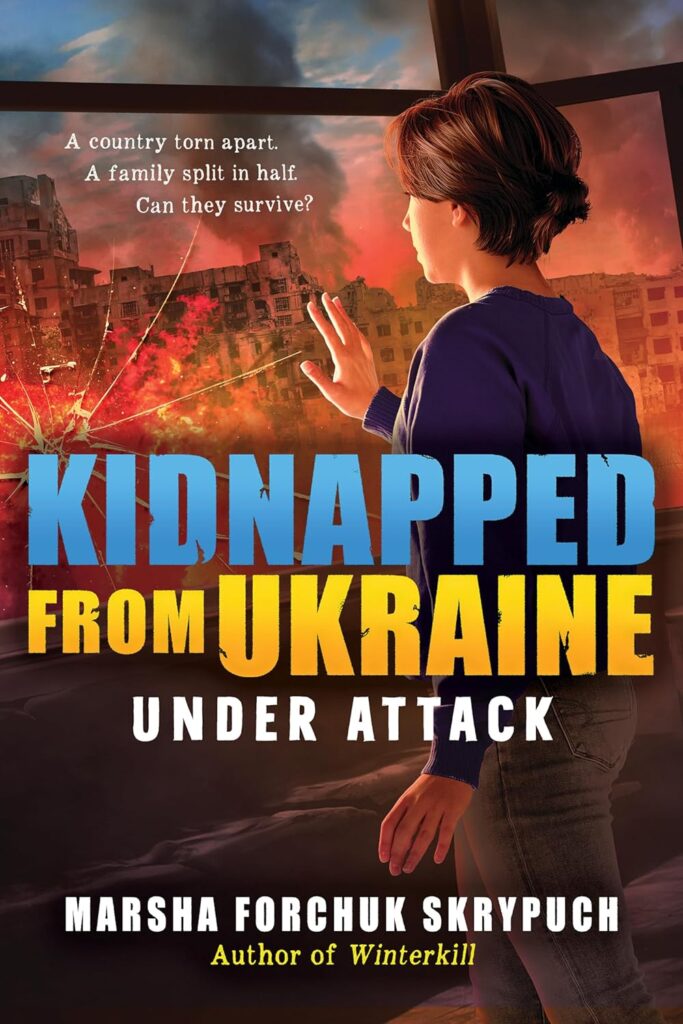

Kidnapped from Ukraine, book #1: Under Attack

Published by Scholastic on Jan 7, 2025.

This gripping, accessible novel by celebrated Ukrainian Canadian author Marsha Forchuk Skrypuch follows two sisters as they struggle to survive the Russian invasion of Ukraine in February 2022.

12-year-old twin sisters Rada and Dariia Popkova couldn’t be more different. Dariia is outgoing and chatty while Rada is a quieter and artsy. But what they have in common is their love for each other and their home. The family lives in the Ukrainian city of Mariupol, which is attacked by the Russians on Feb 24th, 2022.

The attack separates the family — Dariia is with her mom and Rada with her dad. Dariia and her mother are then separated by Russian officials and Dariia is sent to live with a Russian family. As the war rages around them, the sisters and their family must overcome unimaginable hardships. But they will learn how powerful hope is in the face of disaster.

Reviews:

*”Gut-punching: This is essential reading.” — Kirkus, starred review

*”Fans of Alan Gratz and Jennifer Nielsen will devour this fictional account of the all-too-real ongoing experiences of hundreds of thousands of Ukrainian children.” — Booklist, starred review

Starred Selection, Best Books 2025. Canadian Children’s Book Centre.

“important and tough to read novel, which fictionalizes, in harsh detail, true events from a child’s point of view.” — Publishers Weekly

“Despite its hefty 309 pages, this powerful tale of innocence lost moves along at an exemplary pace, engaging readers at every turn. Complete with two black-and-white maps, an author’s note and &A, Under Attack is an invaluable must-read and a must-have educational resource for public, school and home libraries everywhere. Lingering long after the last compelling page is turned, this timely book is inarguably a stirring catalyst for in-depth discussion, empowering readers to engage in further research and get involved in helping to rescue the thousands of Ukrainian children who’ve been kidnapped. Very highly recommended.” — Jennifer D. Foster, Canadian Children’s Book News.

“While a fictionalized story, Marsha Forchuk Skrypuch takes the time and effort to understand the truths, like the truth about how the war started, the propaganda levelled at both Ukrainians and Russians, and the impact of the war on Ukrainians, from children to workers to the elderly. It is a tough story because of these truths which are so distressing and disheartening. Still Marsha Forchuk Skrypuch is a master at telling such stories (e.g.WinterkillTraitors Among UsDance of the Banished, and Making Bombs for Hitler), ensuring a sensitivity to her characters and her readers, and a thoroughness and accuracy of details.” — Helen Kubiw, Canlit for Little Canadians

“I just read this must-read and could not put it down. Thoughtful, gripping, well researched and nicely paced. A hell of an accomplishment. An important novel. A brave author.” — Pam Withers, author.

“Under Attack is fast moving and gut punching. It will appeal to a vast audience, hitting on current events, adventure, family and friendship.” Crackingthecover

“A must-have for all libraries, the perfect historical fiction!! A ‘can’t-put-down’ read!” Goodreads

“I loved the book. It’s my favorite book I’ve read so far. Some people rush through books, but I wanted to understand it, so I tried not to read it too fast.” Coco Kettmann, Growing Up in Santa Cruz.

“This is a must have for libraries serving grades 5 and up and readers should be encouraged to read the author’s note for information on the history that is still unfolding and reminded that this is why learning about world history is so important: If we do not learn from it, we are destined to repeat it as it is being repeated now.” Goodreads

“No one does historical middle-grade fiction like Marsha Forchuk Skrypuch. While “Under Attack’ is set in present-day Ukraine, I am sure fans of “Making Bombs for Hitler” and Skrypuch’s other historical books will enjoy it. The novel is captivating, meticulously researched, and heartbreaking. Another must-read by Skrypuch.” Netgalley

“Teachers and librarians will find this novel to be an important addition to any middle-grade collection. While the language remains straightforward and accessible for readers ages 8–12, the story doesn’t shy away from the harsh, real-life events of the war, making it a compelling way to introduce students to current events and inspire empathy and understanding. It also opens up opportunities for classroom discussions around resilience, survival, and the human cost of war..” Netgalley

What a novel!!!! Truly I cannot do the book justice. It’s an incredible read from cover to cover. I am not surprised–I’d expect nothing less from Skrypuch. She excels at everything–writing, plotting, characterization. But it is the characterization that particularly wows me every time. Because though it shouldn’t be rare, it mostly is. The depth of characterization is outstanding. It isn’t just that there’s depth and substance of the main character, but it is how expansive the characterization is. There’s no shortcuts, no character too small to not get treated as important. It makes it impossible not to get invested and thoroughly absorbed in the story. Becky’s Book Reviews.

Want to support Canadian Independent Bookstores? Use this link:

Author interview.

Q&A with author.

Making Bombs for Hitler published in Ukraine

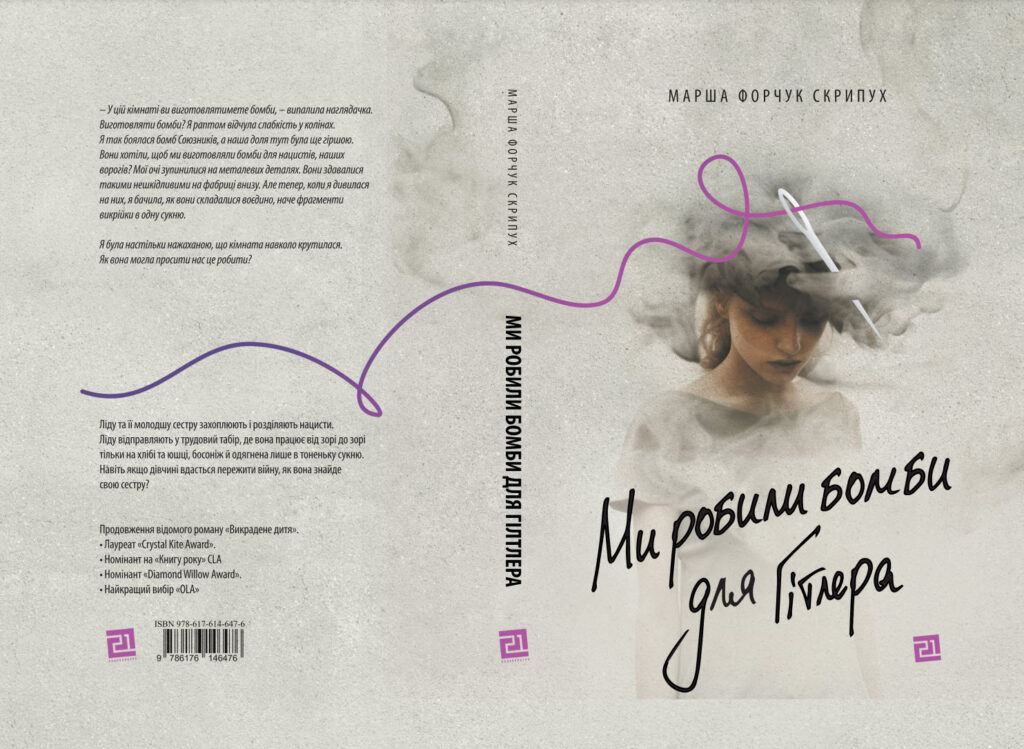
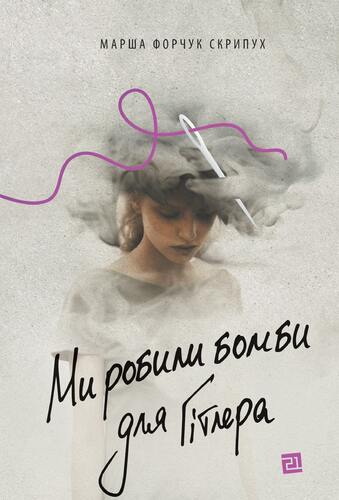
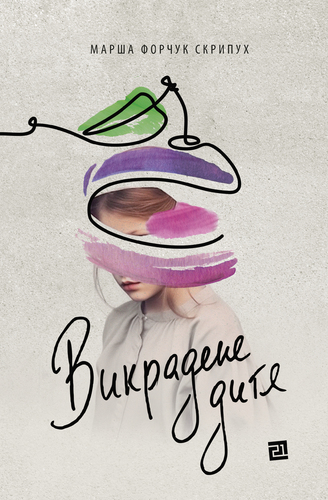
I am so very thrilled to have this novel finally available for Ukrainian readers. Yulia Lyubka’s translation is brilliant and I LOVE the cover art by Anya Styopina. Making Bombs and Stolen Girl tell the tale of two Ukrainian sisters torn apart by the Nazis in WWII. One is considered racially valuable and is kidnapped, brainwashed into thinking she’s German, and placed in a Nazi home. The other sister is considered not racially valuable, and is starved and worked nearly to death. Although these books are historical, they’re unfortunately also current because Putin channels Hitler and Ukrainians are currently going through this all again. The publisher is Books XI. In Canada they’re available through Koota Ooma.

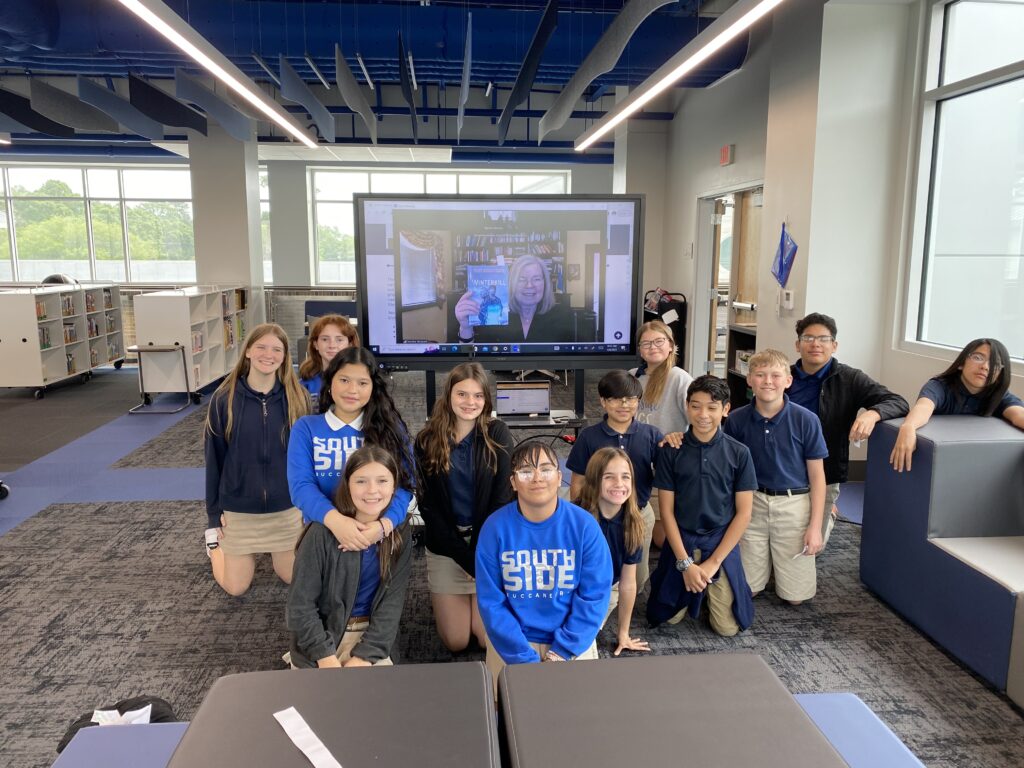
Talking about Winterkill and Putin’s war with avid readers from Southside Junior High

It was wonderful to speak with avid readers from Southside JH this morning. It was great to answer some very good questions and some of them were ones I had never been asked by students before. What I particularly enjoyed were the connections that students made between the Holodomor and the current war in Ukraine, and between Stalin and Putin. One student asked how an American kid could help people in Ukraine. I told them that if they wanted to raise money, the best place to donate is the US-Ukraine Foundation but also said that doing things that keep the reality of war in Ukraine in the minds of regular people was very important too. There’s a simple way to keep it in people’s minds and that’s to follow #KidsFleeWar on social media and to share the images. What is #KidsFleeWar? The Shevchenko Foundation, myself and educators from across Canada who have Ukrainian refugee kids in their schools have been facilitating and sharing artwork about the war from a child’s perspective. Following, commenting and sharing these images keeps the injustices of the war on the radar of regular people but it also gives a voice to kids. I also host those pics on my website here.

Southside students were introduced to Winterkill and the Holodomor many weeks ago by their librarian, Jenna Remedies-France. Many thanks to HREC ED for funding this visit. Here is a quote from Jenna: I read Winterkill a few weeks ago; I absolutely LOVED it! I have to be honest and say that I had never heard of the Holodomor before, much less knew anything substantial about it. I love history! I cannot believe that in all my schooling it was never brought up. Thank you for writing such a beautiful book about this tragic time in history. The story deserves to be told, read, and known by everyone. I will definitely do my part in making that happen! Jenna Remedies-France, Middle School Librarian, Southside Junior High, Denham Springs, Louisiana

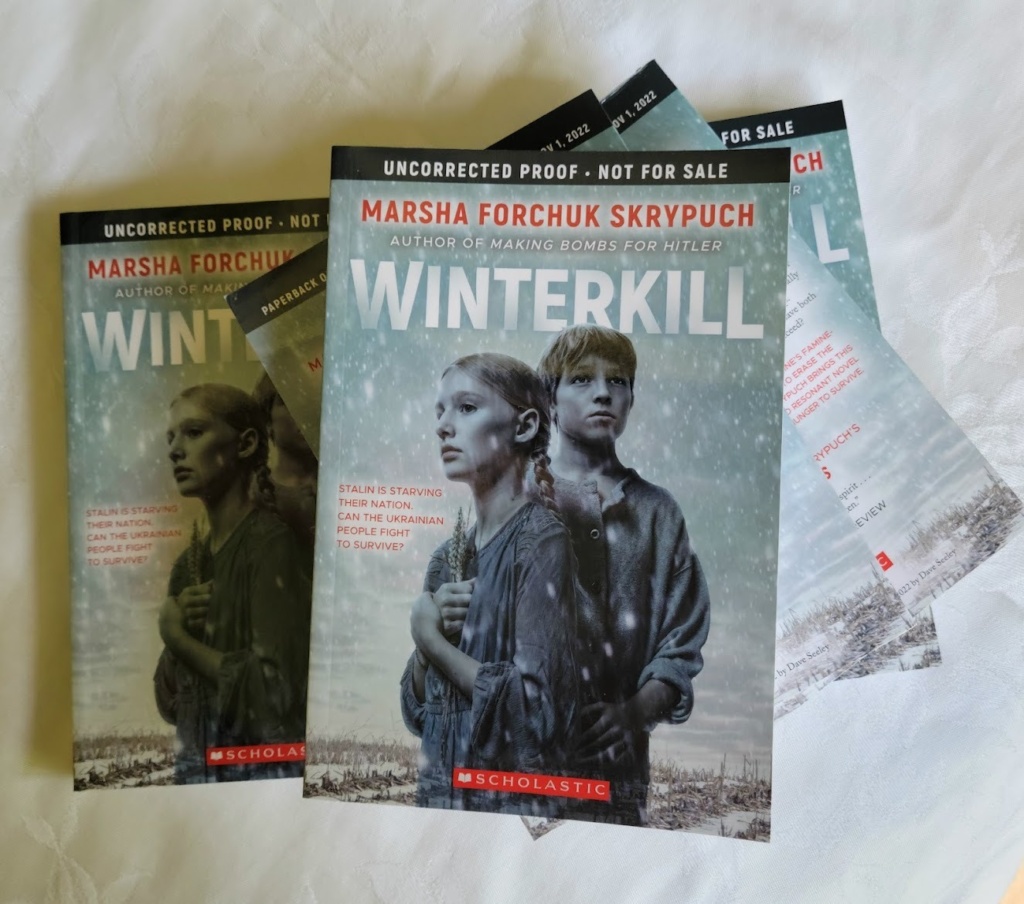
Winterkill ARCs

Writing Winterkill, set during the Holodomor in 1930s Ukraine, was a gut-wrenching experience. I thought I was writing history, but mere weeks after finishing the final edit, Putin launched a genocidal campaign against Ukraine and the world inspired by Stalin’s actions in the Holodomor.

There is satisfaction in holding this book in my hands and I look forward to September 6th when it will be born. I pray that Putin’s war will be history by then. What we forget we do repeat.

Banning books

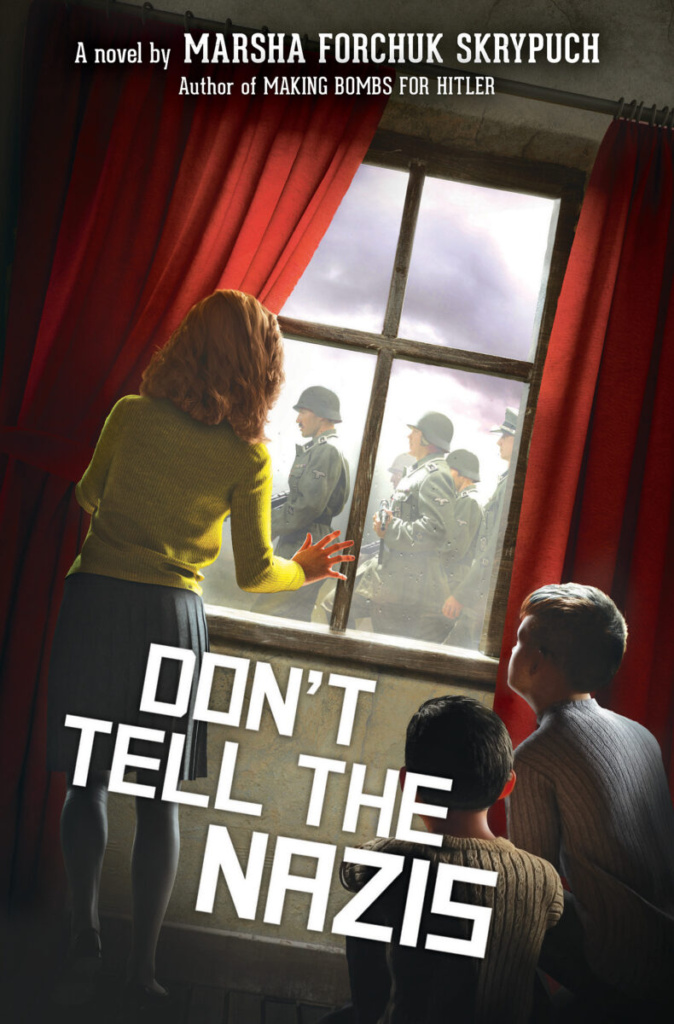
Here’s a recent Amazon.com “review” of Don’t Tell the Nazis: This should not be permitted in our school library. This is not a children’s book. It describes in graphic detail violence against women and children. My child brought this home and we have gone chapter by chapter writing a summary for his class, but I should have investigated the content prior to him using this book. I will be speaking to the school board and superintendent about the removal of any of this disturbed author’s works.

Within hours of the above “review” being posted, someone trolled through my Goodreads list and left a comment on my review of a piece of old Soviet propaganda published in book form titled Famine, Fraud and Fascism: The Ukrainian Genocide Myth from Hitler to Harvard. It’s long been part of the Soviet (and now Putin) playbook to label Ukrainians as fascists and therefore killable. Before WWII, they were labeled kulaks to identify them as “enemies of the people” and a killable group. In the 1930s, using this propaganda method, the Stalinists killed millions of Ukrainians by starving them. My review of this book was simple. I gave it a single star and noted that it was hate propaganda. The troller’s comment was, “found the kulak”. Everything old is new again.

When one writes books on topics that others won’t touch, it’s a given that some people will direct hate your way. I’m not a shrinking violet, but thought the timing was interesting. Two attacks within hours of someone like me, a mere children’s writer. Multiply this by all of the other Russian information warfare out there. Smells of desperation.

Pray for Ukraine, but donate too

If you’re feeling helpless as maternity hospitals, kindergartens and children’s cancer hospitals are routinely bombed, yes, please do pray. But also, please donate. This is a war of attrition and Ukrainians are dedicated to the freedom of their country but they’re outnumbered. Please donate. Canadians, the Canada-Ukraine Foundation is the most efficient way to give Ukraine help. Money is best so the exact supplies needed can be purchased.

I had also been recommending the Red Cross because the Canadian government is matching donations, but I’m alarmed with their negotiations with Lavrov and their potential opening of an office in Rostov-on-Don, which basically legitimizes the abduction of Ukrainians in the Russian “humanitarian” corridors. I think many Red Cross donators would be appalled that their well-meaning donations would go to such a use. More on this in this Reuters story.

If you are American, the US-Ukraine Foundation is the best place.


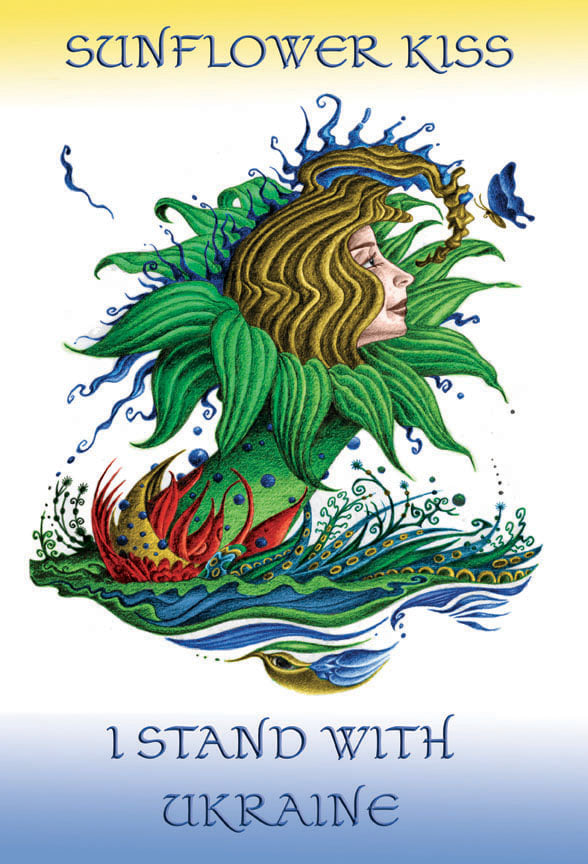
This evocative painting was created by my friend and artist, Martin Springett.https://martinspringett.com/

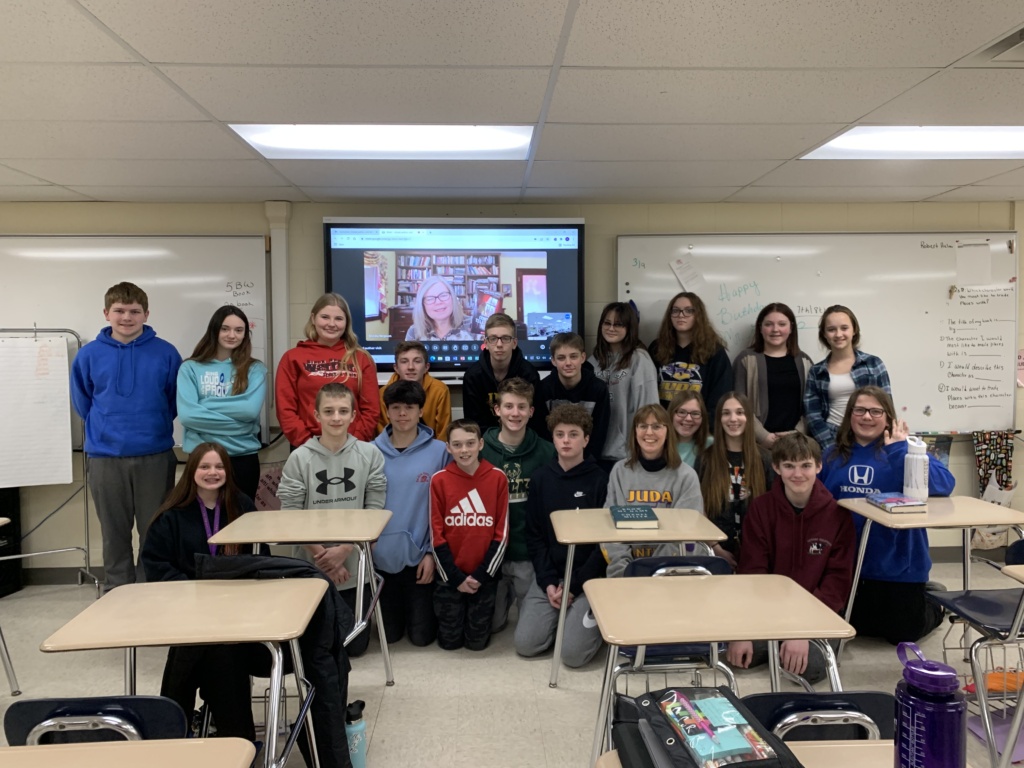
Juda School and questions about Putin’s war in Ukraine

Last Wednesday I had the pleasure to speak with these articulate students from Juda Wisconsin. The session went well beyond the usual hour because in addition to talking about Don’t Tell the Nazis and the Holocaust, we discussed Putin’s authoritarian regime and the horrific assaults on Ukraine right now, and how reading history informs the present. Thank you, Juda students, for your well-considered questions, your compassion and empathy.

Sick at heart over Putin’s mad war but I’m still doing talks with students

Since this mad war began, my virtual visits have continued but students’ questions have changed. My WWII books give context and history to Putin’s expansionist fantasies. They also help students step into the shoes of a Ukrainian on the ground during times of the past that were much like today.

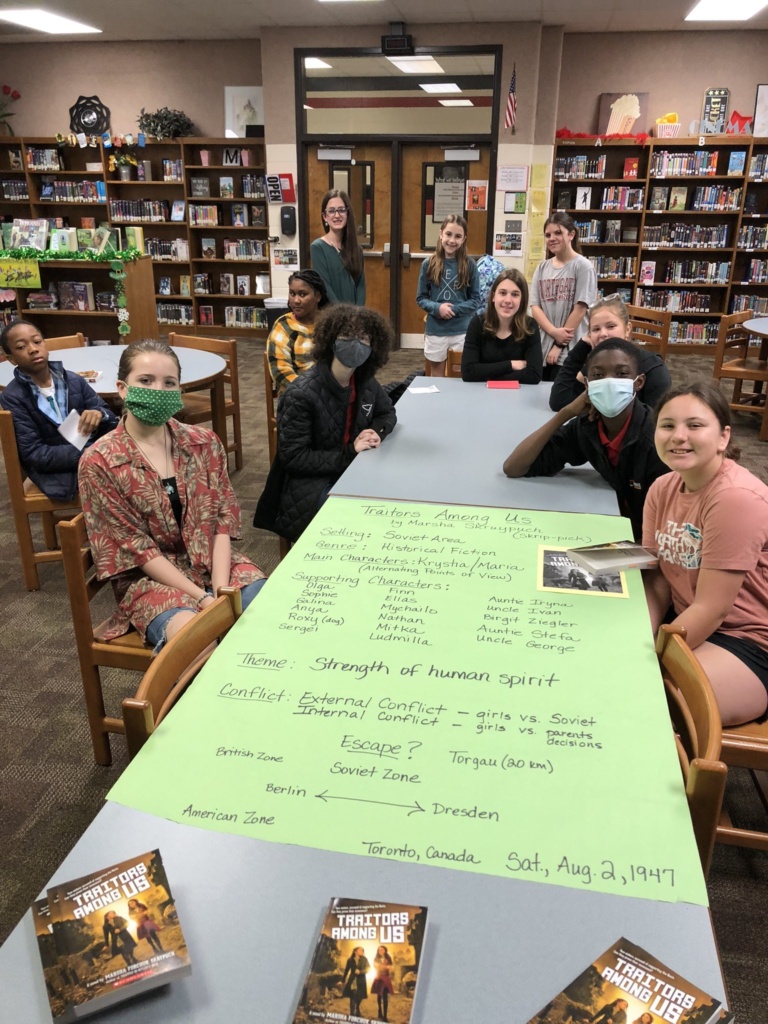
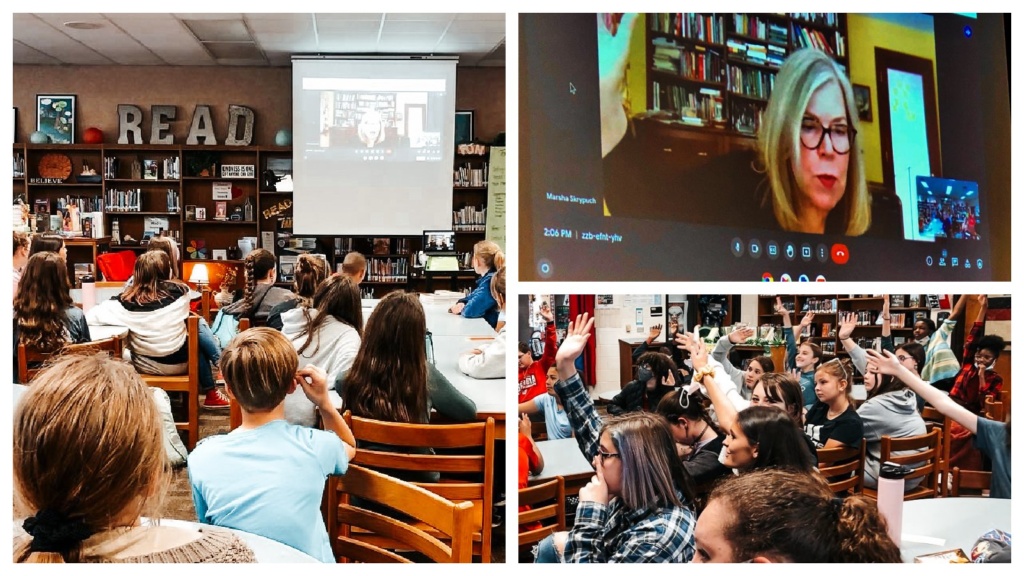
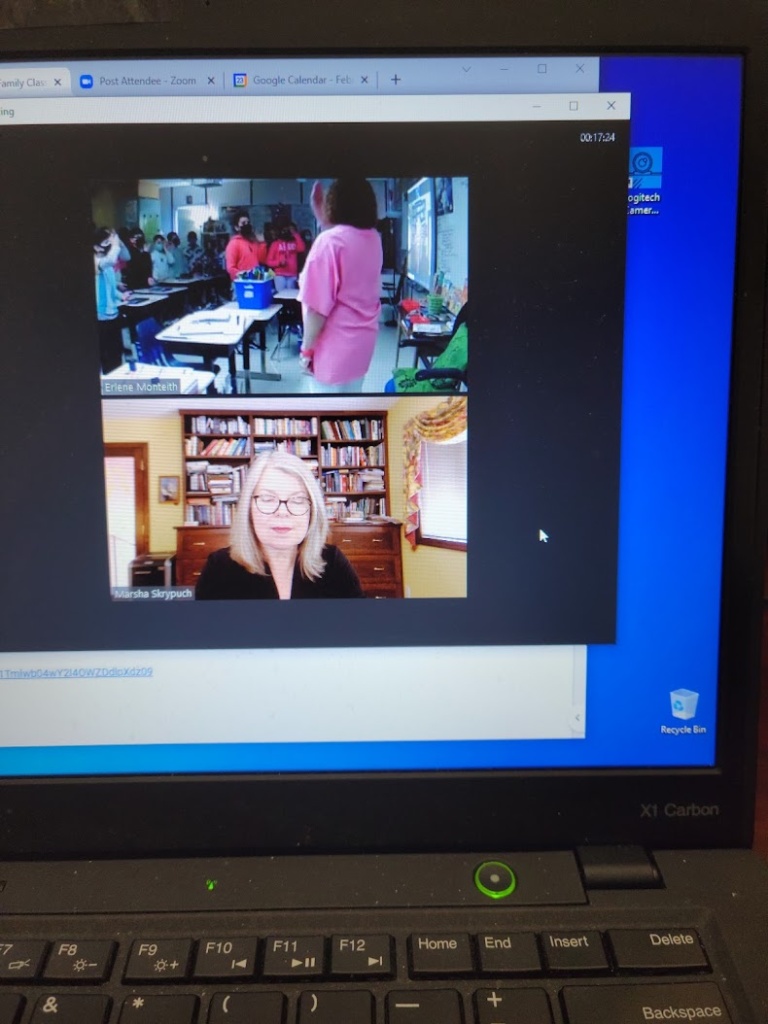
But while I can compartmentalize my rage and despair long enough to do the presentations, I haven’t been keeping up with posting photos of all the smart, inquisitive, and compassionate young people that I get to meet. So here is a gallery.

Madras