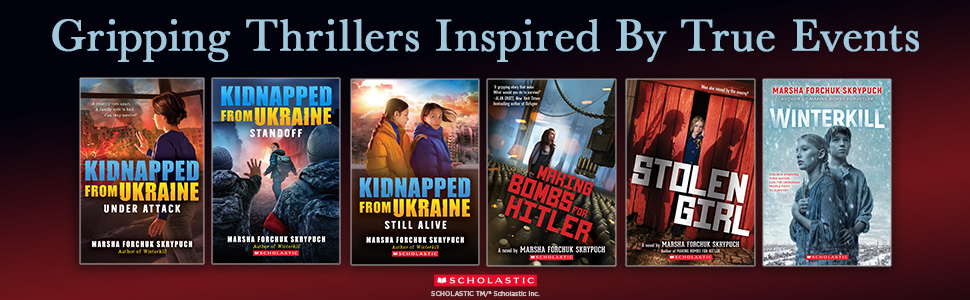
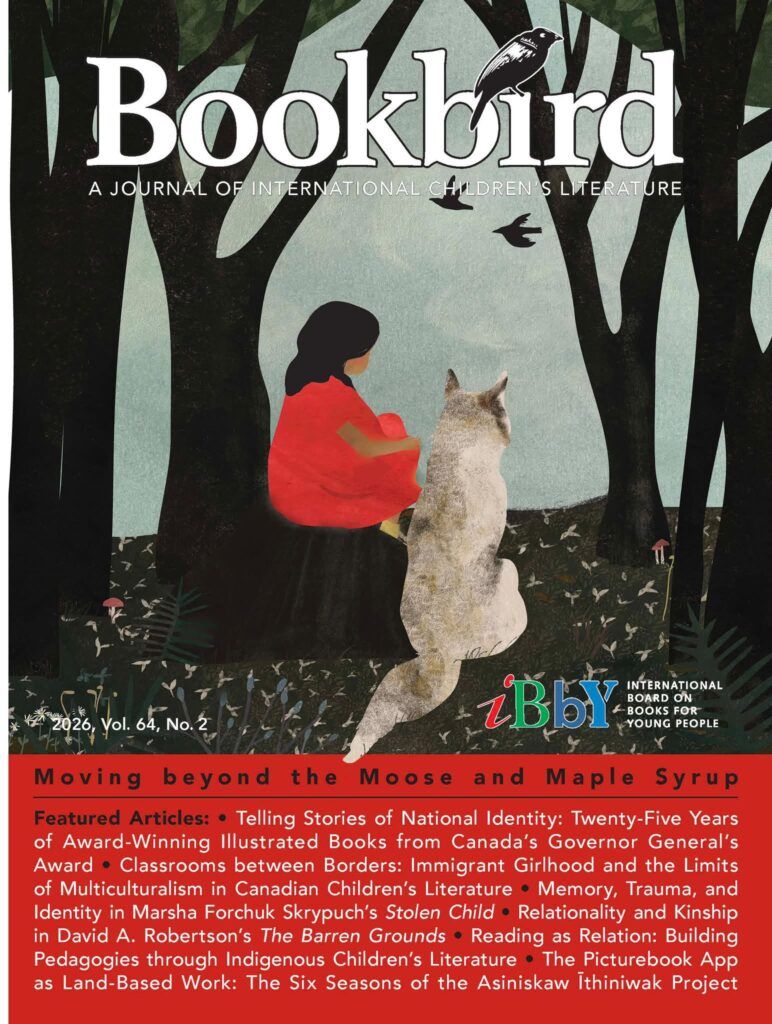
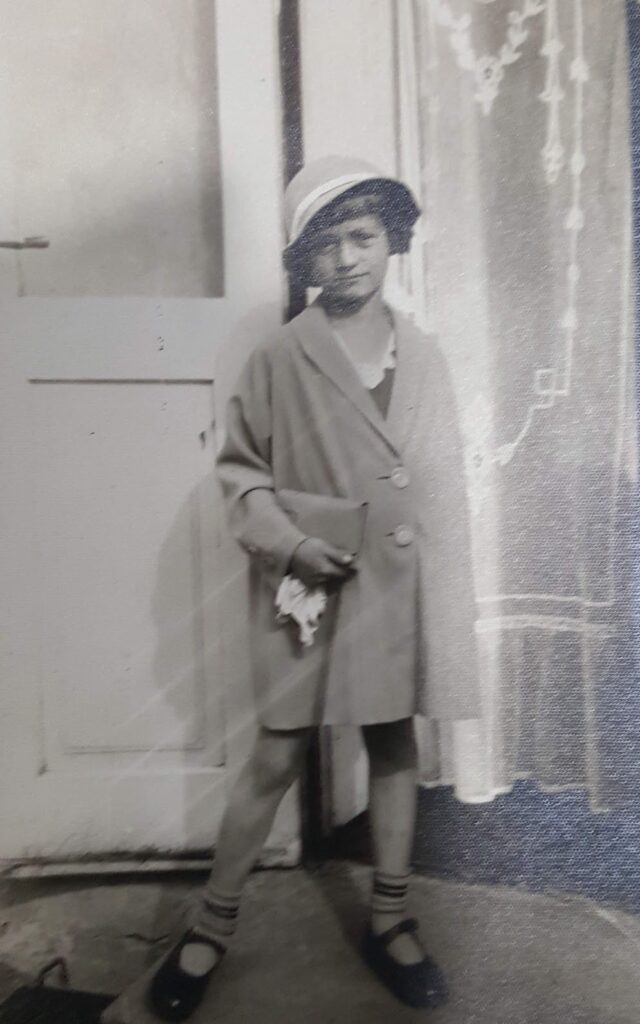
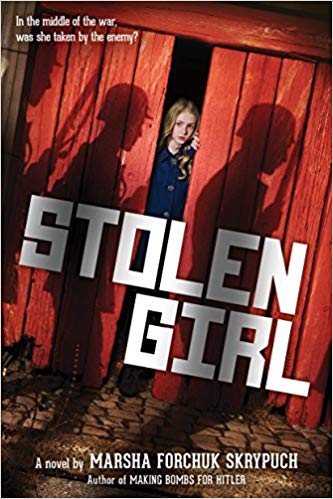
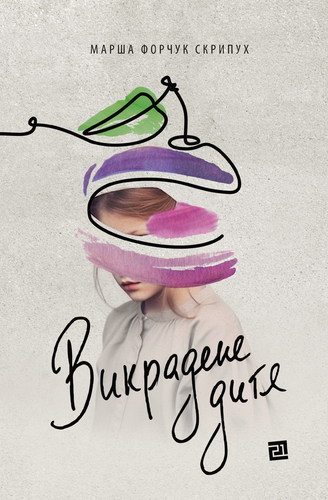
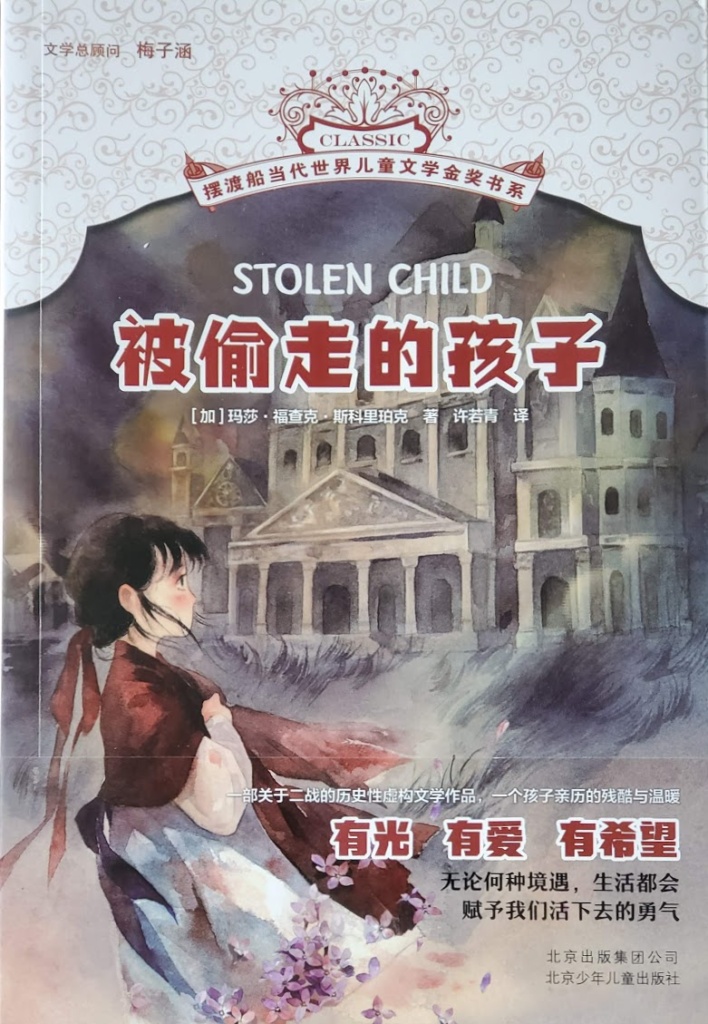
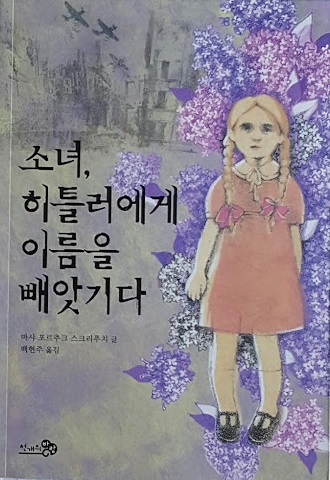
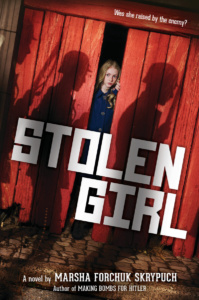
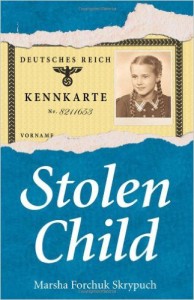
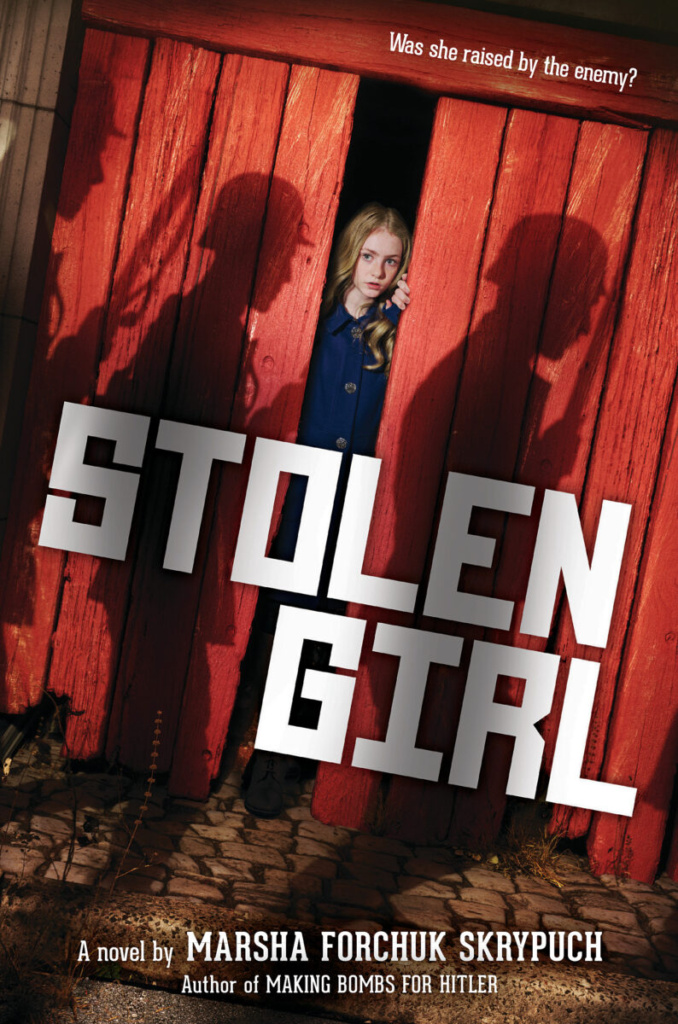
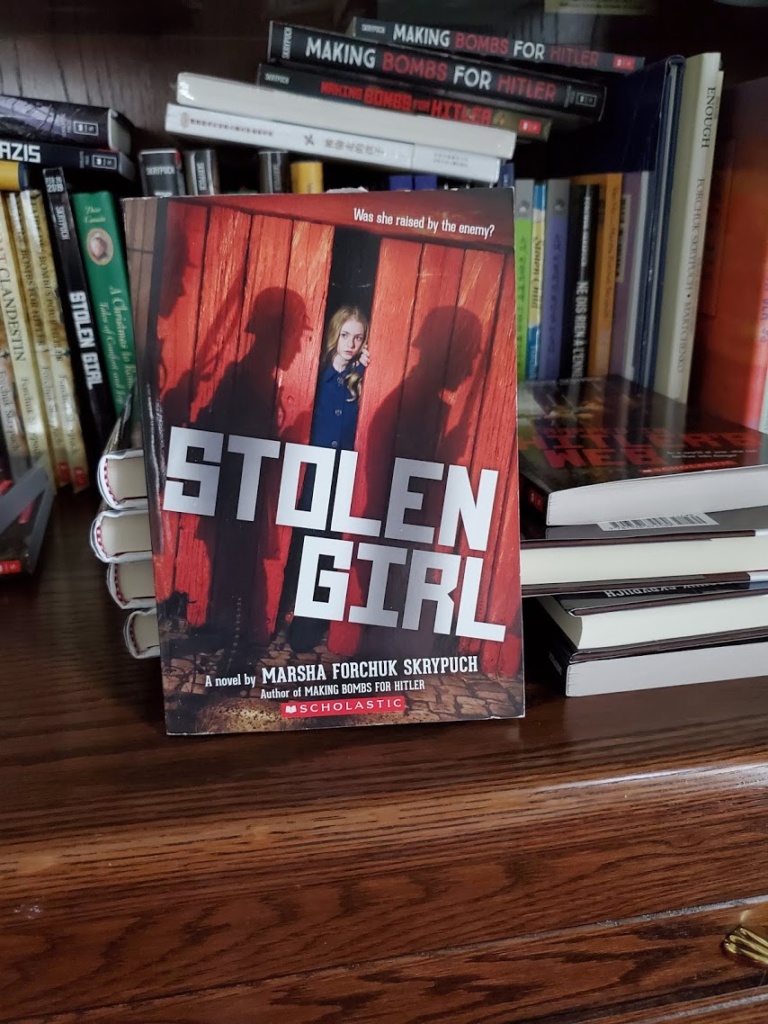
So honoured to have two articles referencing my novel, Stolen Child (Stolen Girl) in the newest edition of Bookbird! Thank you Mateusz Świetlicki and Sharon Smulders for writing such interesting pieces. Stolen Child holds a special place in my heart. It was the first of my Scholastic WWII novels, and is the only one set in Canada. It was written as a tribute to my dear late mother-in-law, whose own WWII experiences inspired the story. Here’s a pic of her as a child:
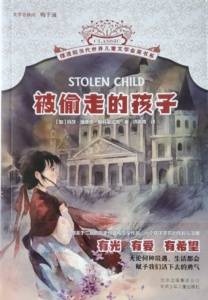
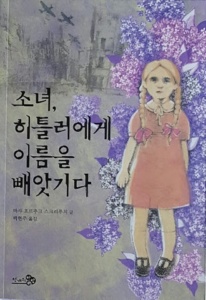
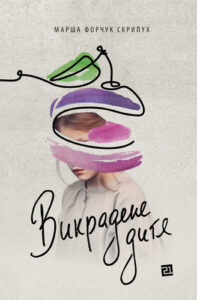
Scholastic Canada original edition Ukrainian editionSimplified Chinese editionKorean edition
The interview was originally published on Christine Kohler’s website here.
One piece of advice that writers are given is to write what we know. I disagree with that. I think it’s more important to write what you don’t know, but what you’d like to know about.
Before I became a writer, I got my Master’s degree in Library Science, not to become a librarian, but to learn what I didn’t know. Becoming a librarian helped me become a history detective. All of my books delve into some fragment of history that has been shoved under the carpet and forgotten.
Lidia, my mother-in-law, died in early 2008. A few weeks before her death she said to me, “You’ve written all these stories about bits of history that no one else has written about, but you haven’t written about what it had been like for me as a Ukrainian child in World War Two.”
Her comment stunned me, but there was much truth in it. She had told me so much her childhood, living on the Front, in the midst of where the battles were actually fought. In case you don’t know what the Front is, it’s where the two fighting armies confront each other— in this case, the Soviets and the Nazis. I asked her once how you could tell when the Front was upon you. “The ground trembles,” she said, “from the tanks.”
The Nazis moved through her home town of Zolochiv in Western Ukraine twice. Both times, they took over her house. They didn’t allow her or her parents to leave: The three were captive hosts, expected to cook and clean for the invaders. But they also listened in on conversations. Once, Lidia heard of an “Action” at her school the next day. “You’re staying home,” said her mother. When she went back two days later, all of the blonde and blued-eyed girls had been taken away, never to be seen again.
Years later, my mother-in-law found out that they were all dead. They had been taken for the “Lebensborn Program” where carefully selected Polish and Ukrainian children were stolen from their families and brainwashed into thinking they were German, then placed into high-ranking Nazi households as trophy children. When the Nazis lost the war, these children were no longer trophies. They were an embarrassment and a badge of guilt. Some were abandoned, never understanding why. Others will killed. Others continued as members of their “family” after the war, but sometimes remembered who they really were in their old age, realizing their whole life had been a lie, and those they considered family were actually the killers of their real family.
This was an aspect of World War Two that I had never heard from anyone beyond my mother-in-law. At her deathbed, I promised her that I would write about her experiences. The first novel of my WWII trilogy was Stolen Child— not about Lidia—but about a girl like one of her less fortunate classmates—stolen by the Nazis and robbed of her identity.
As I did the research for that novel, I realized how rare it was for a child to be deemed “worthy” of the Lebensborn program. The Nazis captured millions of Ukrainian and Polish children, but only a few hundred thousand were selected. The rest were labeled “not racially valuable” and were either killed outright or used as slave labour.
This fact became the inspiration for the second novel of my trilogy. What would it be like to be stolen with your sister, but separated for different fates because your sister was considered “racially valuable” while you were considered disposable?
Lida, the disposable sister, is the heroine of MAKING BOMBS FOR HITLER, the second novel of my trilogy.
While writing that novel, the character of Luka appeared, initially as nothing much more than a “wild-haired boy.” Soon, as good characters are wont to do, he took on a life of his own. Ultimately, he escaped from the slave labour camp. The third novel in the trilogy explored what he ended up doing after hiding in a wagon of corpses and jumping out in the middle of nowhere before the wagon got to the crematorium.
His story is based on real experiences as well—about the many escaped slave labourers and other survivors of the Front who just couldn’t take it anymore. They stole weapons from the Soviets and the Nazis and formed an army that hid literally under the ground. They fought the invaders on two sides—the Soviets and the Nazis—and hid under the mountains and forests. For that novel, I interviewed people who had done exactly this as children—took up arms and fought—realizing that they would likely die, but it was worth it if it meant that future generations might live in freedom.
The events unfolding in today’s Ukraine have chilling parallels to what I’ve written about in my World War Two trilogy. I pray that we are not on the brink of World War Three.
In mid February I had a virtual visit with 6th grade students in Quebec. There were so many questions that I couldn’t answer all of them before the bell rang so I told their teacher I’d be happy to answer by email. Here’s our exchange:
Dear Ms. S, So nice to hear from you! I loved visiting with your students. Thank you so much for donating to the Canada-Ukraine Foundation and thank you for all that you do to encourage a love of reading with your students.
As to your students’ awesome questions, here are the answers:
Question one: Out of the trilogy including Stolen Child, Making Bombs for Hitler, and The War Below, which book is your favourite? – from Luca.
Dear Luca, I love each of these novels for different reasons, but I would have to say that The War Below is my favourite, partly because Luka was such a strong and unexpected character who walked into Making Bombs and was so important to Lida that I had no choice but to give him his own book. Also, the opening scene, where he’s hiding among corpses, is my all-time favourite opening book scene.
Question two: Why do you like writing books? – from Marley
Dear Marley, I love shining a light on people who have lived through extraordinary times but who have been ignored. I think the more we know about other people’s struggles, the better we’re able to deal with our own struggles. Whenever I finish writing a book, I’m glad to finally write The End and I really try to take a break, but then another story shows itself to me and I have to write it. I have to find out more about that person and their circumstances — to honour that experience, and to share it. If I didn’t write these stories into books I think that my head would explode from holding them all in!
Question three: Which character in which story can you relate to more? – from Alexia
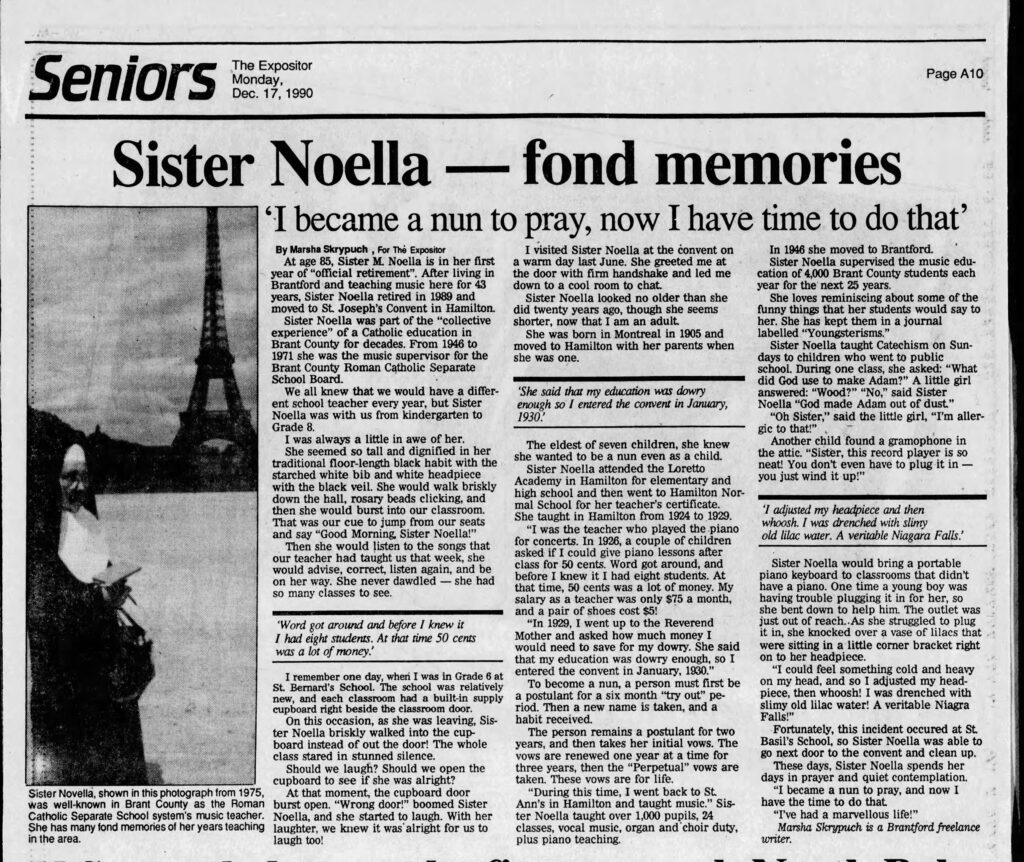
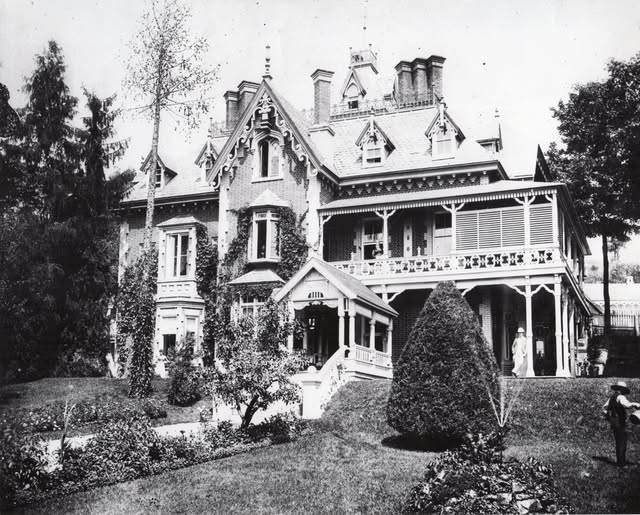
Dear Alexia, the character that I most relate to is Larissa/Nadia/Gretchen in Stolen Girl/Stolen Child. The reason is because a lot of the scenes in this book relate to my own life. The scenes in the Brantford Public Library are inspired by my own trips to that same library because that’s where I taught myself how to read, and in fact, many of the books that Nadia selects are the ones that I selected. The librarian is also based on real librarians from my childhood — their kindness, empathy, and their conviction that loving books meant loving life. Nadia walks through the streets of my childhood — her in the 1950s, and I did that in the 1960s. The local castle (Wynarden Castle) she passes is one that I was obsessed with as a child. I was bullied as a child in elementary school, and so we share that as well. Also, the inspector at the school is based on a music supervisor who was a nun who would go from school to school. Her name was Sister Noella and I was terrified of her as a child, but after she retired, I visited her and interviewed her for the newspaper. Here’s the article:
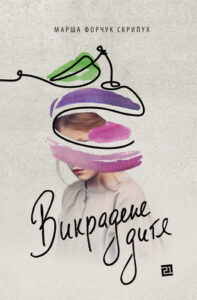
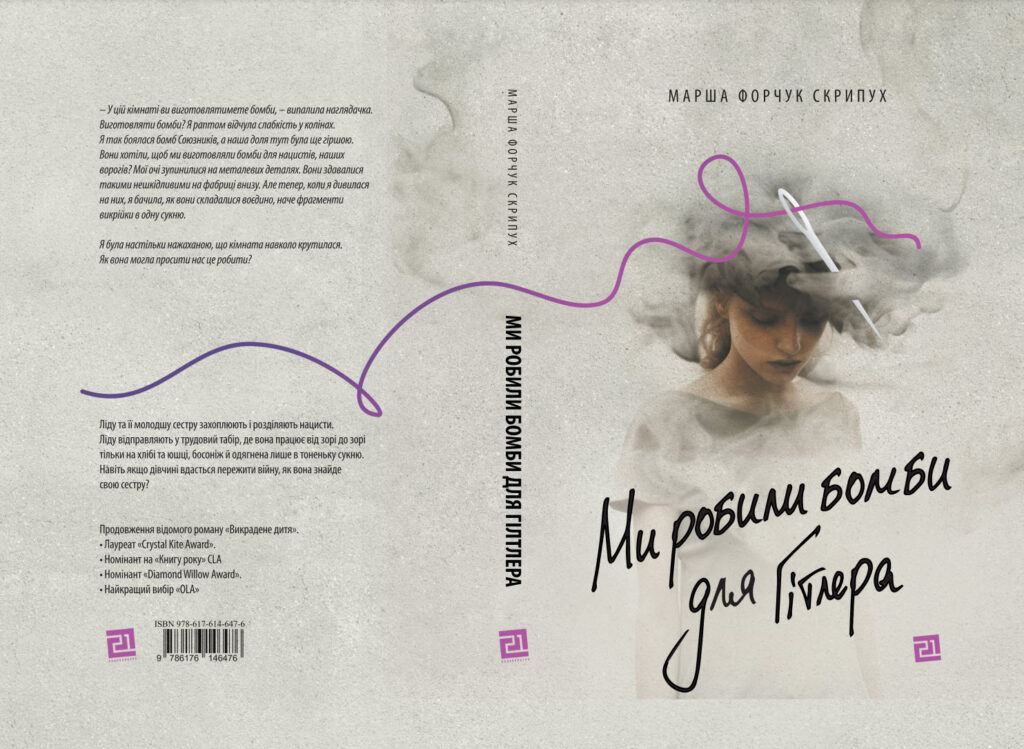
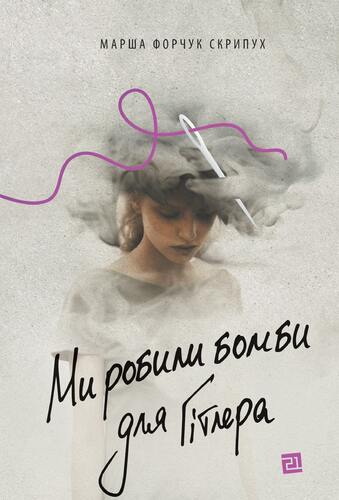
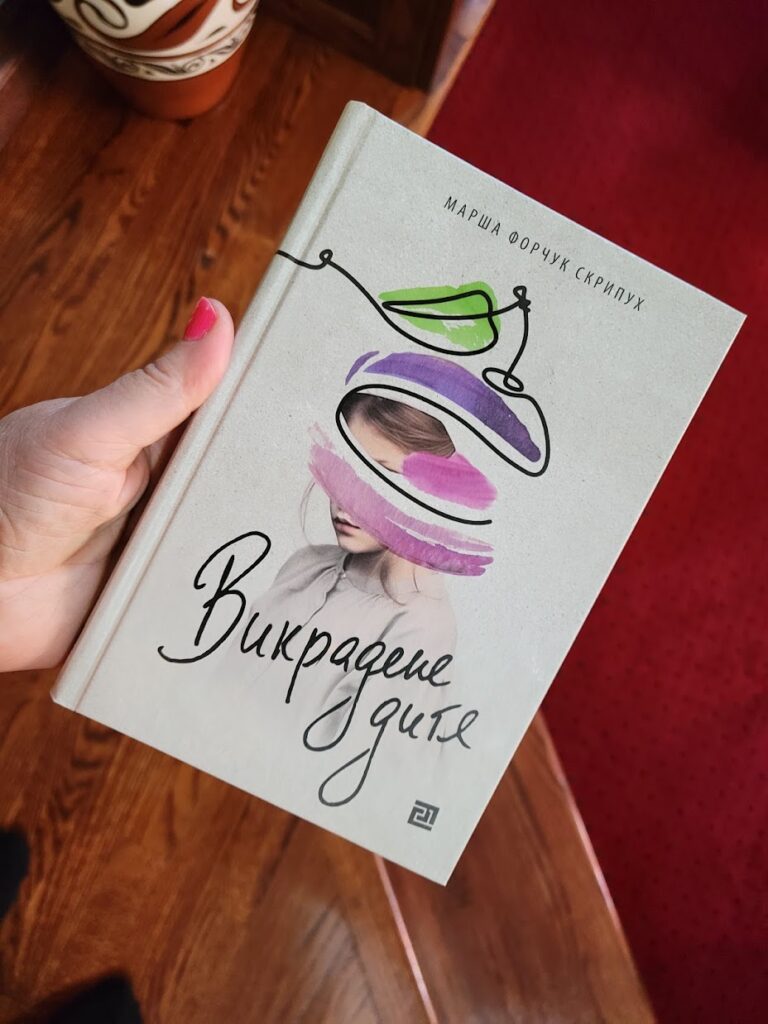
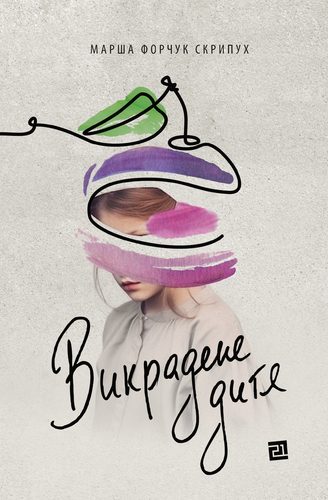
I am so very thrilled to have this novel finally available for Ukrainian readers. Yulia Lyubka’s translation is brilliant and I LOVE the cover art by Anya Styopina. Making Bombs and Stolen Girl tell the tale of two Ukrainian sisters torn apart by the Nazis in WWII. One is considered racially valuable and is kidnapped, brainwashed into thinking she’s German, and placed in a Nazi home. The other sister is considered not racially valuable, and is starved and worked nearly to death. Although these books are historical, they’re unfortunately also current because Putin channels Hitler and Ukrainians are currently going through this all again. The publisher is Books XI. In Canada they’re available through Koota Ooma.
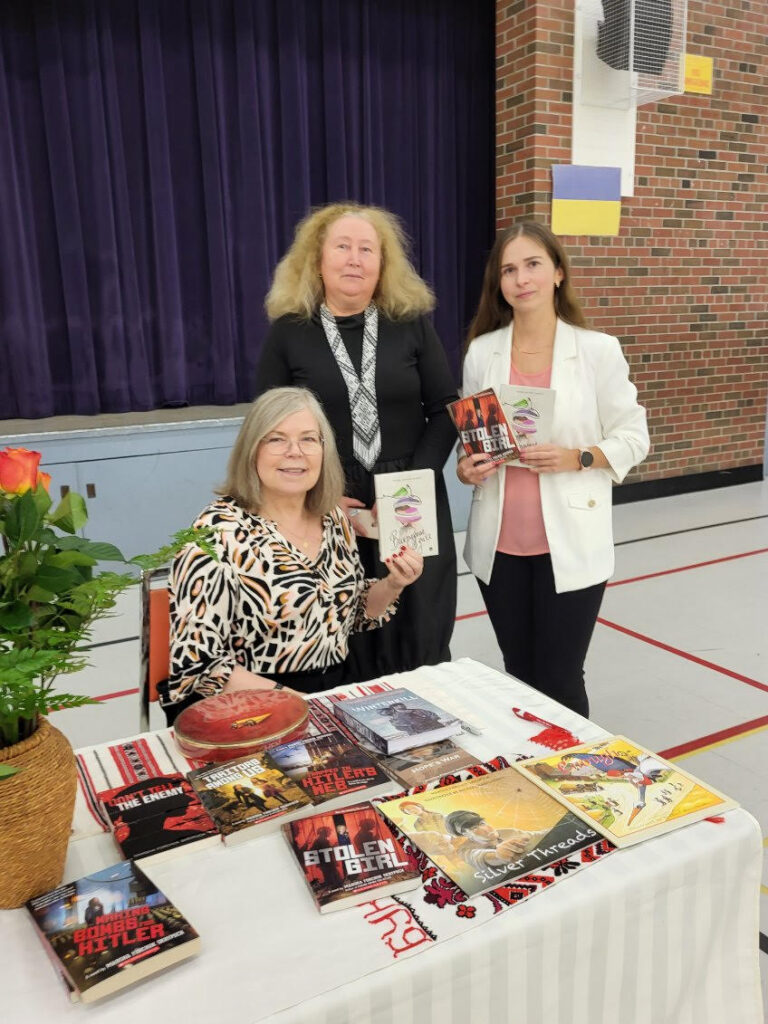
Halyna Kostiuk, Ukrainian teacher extraordinaire at St. Josephat Catholic School in Etobicoke, arranged for me to visit last Thursday with grade 7 and 8 students. They had been reading as a class my novel, Stolen Girl, the Ukrainian version. Many of the students are recent refugees from Ukraine, fleeing Putin’s brutal war.
It was poignant for me to speak with them about the real history behind Stolen Girl — victims of Hitler’s Lebensborn program — the kids who were kidnapped by the Nazis and brainwashed into thinking they were German and placed into German homes. This novel was written to fulfil a promise I made to my mother-in-law before she died. She had lost half of her classmates to the Lebensborn program in WWII and she felt very guilty the rest of her life for surviving while her friends didn’t.
For these students to be able to read this book in their own language is bittersweet, seeing as Putin is now channeling Hitler, and doing his own Lebensborn program, kidnapping Ukrainian children, brainwashing them, and placing them in Russian homes. So much for “never again.”
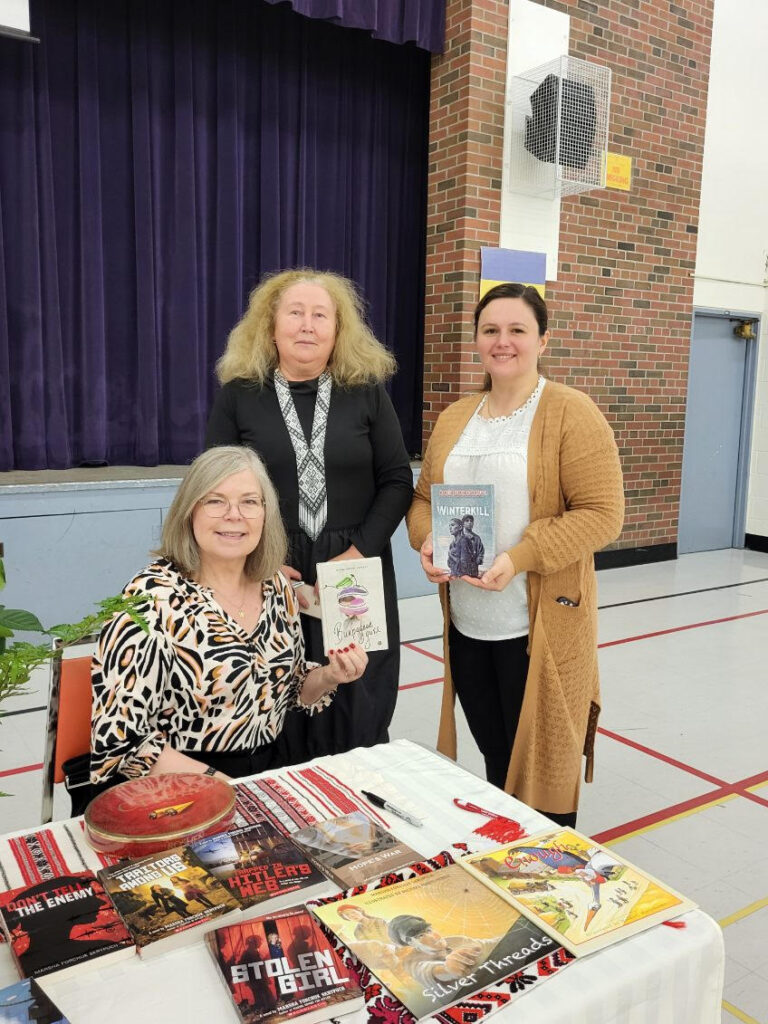
I cannot post photos of the students for privacy reasons, but here are pics with teachers. On the table that was prepared for me to display my books, note the beautiful orange roses the students presented me with, and the Roshen chocolates — yum! It was a Ukrainian-themed day because after the visit, I dropped by Pelman Perogies factory outlet for a LOT of mushroom potato perogies, then off to Koota Ooma to buy my sister a Christmas present.
With Halyna Kostiuk and Olga ShklarWith Halyna Kostiuk and Mar’yana Chornij
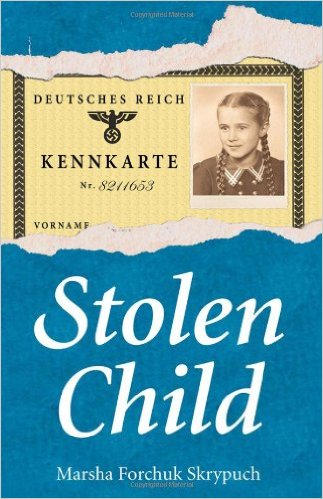
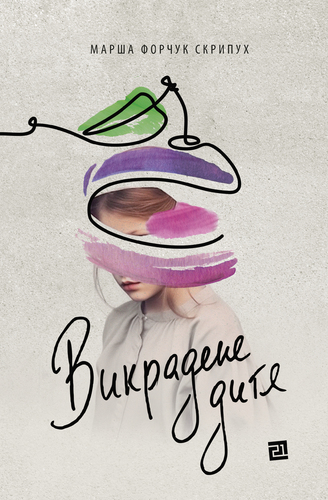
Books XXI in Chernivtsi, Ukraine is publishing this beautiful edition of Stolen Child (Stolen Girl). Titled The Kidnapped Girl for this edition, the translation was done by the talented Yuliya Lyubka. More information can be found here. In Canada it will be available from Koota Ooma and other Ukrainian bookstores.
Many thanks to the Brant Family Literacy Committee for funding this presentation. Since I did this for a Brantford group, I decided to talk about Stolen Girl, which is set in Brantford just after WWII about a young refugee who has troubling memories of what she may have been doing during the war. As a Brantfordian, it was awesome to include some of my favorite local places, like the original Brantford Public Library, now Laurier Brantford, Central School, the Ukrainian Catholic Church of St John, Yates Castle, and the train station, as well as our old downtown and some of the stores that used to be there. Also the neighborhoods where the refugees of that era lived.
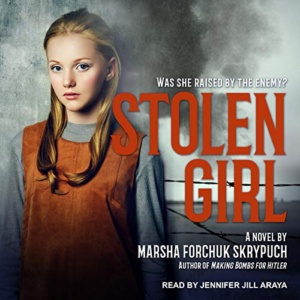
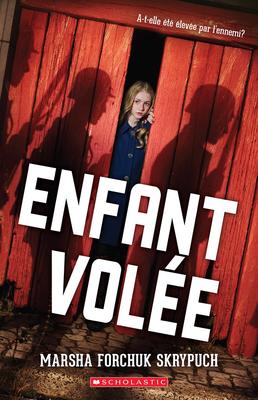
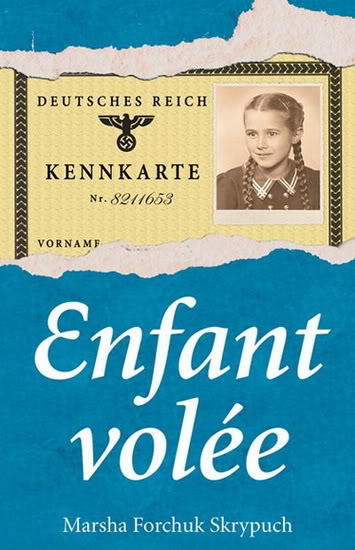
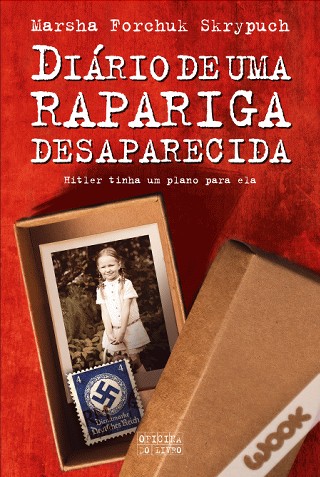
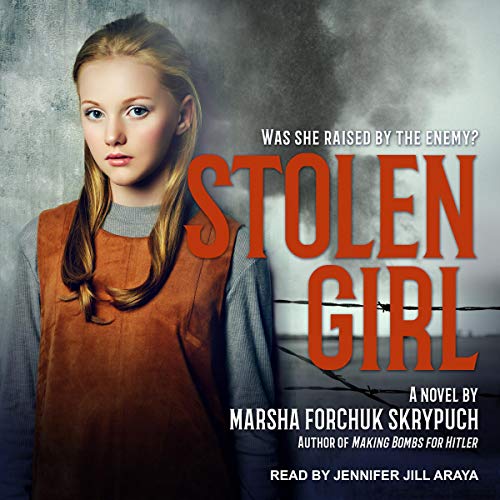
Simplified Chinese editionKorean editionScholastic Canada original edition editionScholastic Canada French editionWook Portuguese edtionAudio edition
Nadia is haunted by World War II. Her memories of the war are messy, coming back to her in pieces and flashes she can’t control. Though her adoptive mother says they are safe now, Nadia’s flashbacks keep coming.
Sometimes she remembers running, hunger, and isolation. But other times she remembers living with a German family, and attending big rallies where she was praised for her light hair and blue eyes. The puzzle pieces don’t quite fit together, and Nadia is scared by what might be true. Could she have been raised by Nazis? Were they her real family? What part did she play in the war?
What Nadia finally discovers about her own history will shock her. But only when she understands the past can she truly face her future.
Inspired by startling true events, Marsha Forchuk Skrypuch delivers a gripping and poignant story of one girl’s determination to uncover her truth.
Reviews
Kirkus: “The author once again deftly sheds light on lesser-known aspects of the Ukrainian experience during WWII. . . A gripping exploration of war-induced trauma, identity, and transformation.”