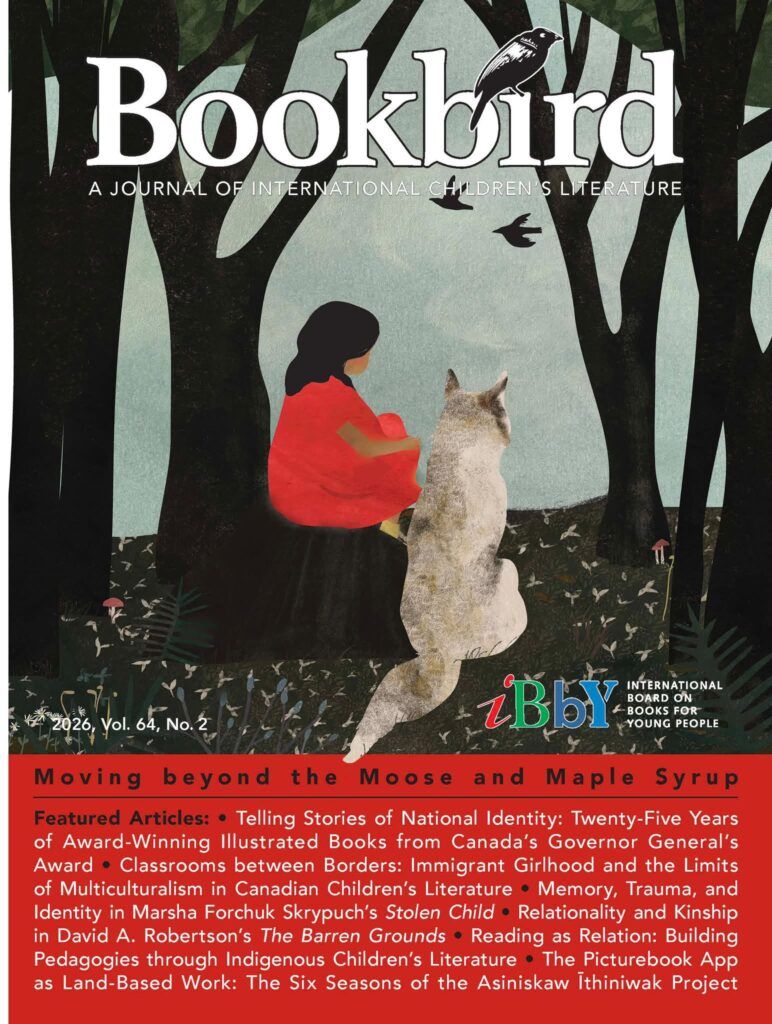
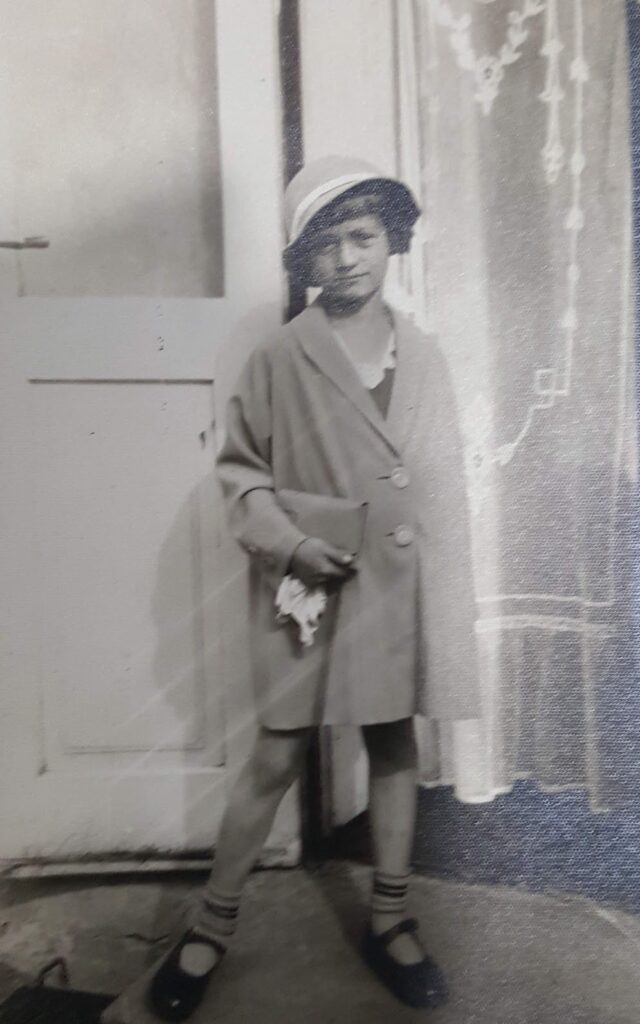
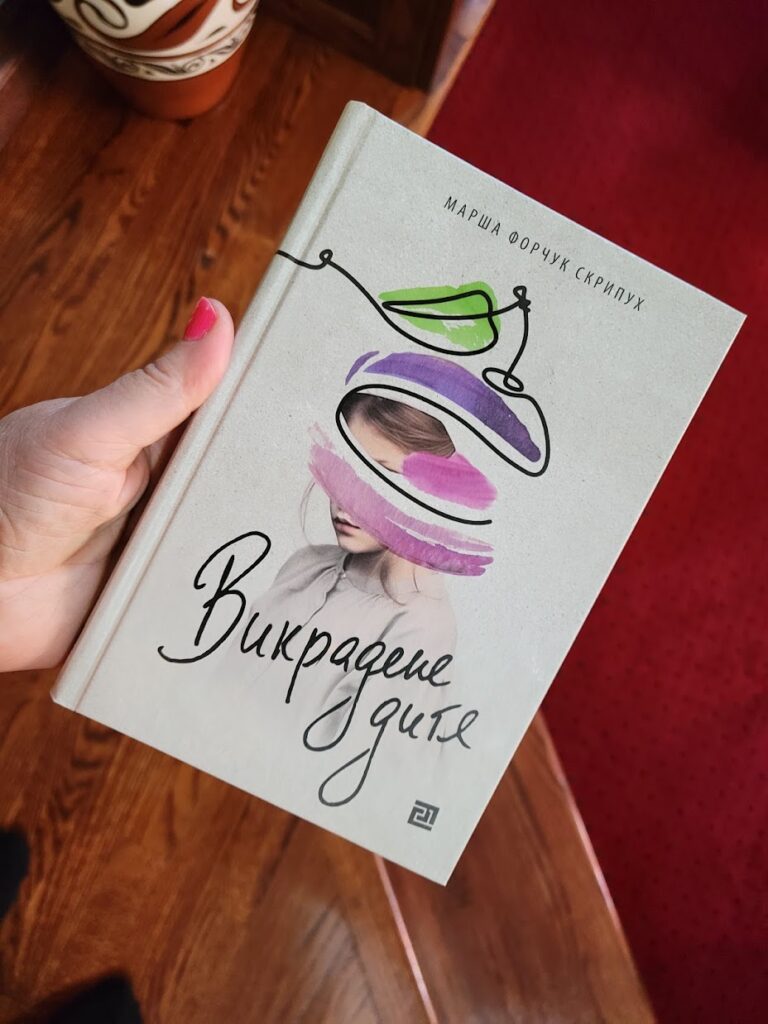
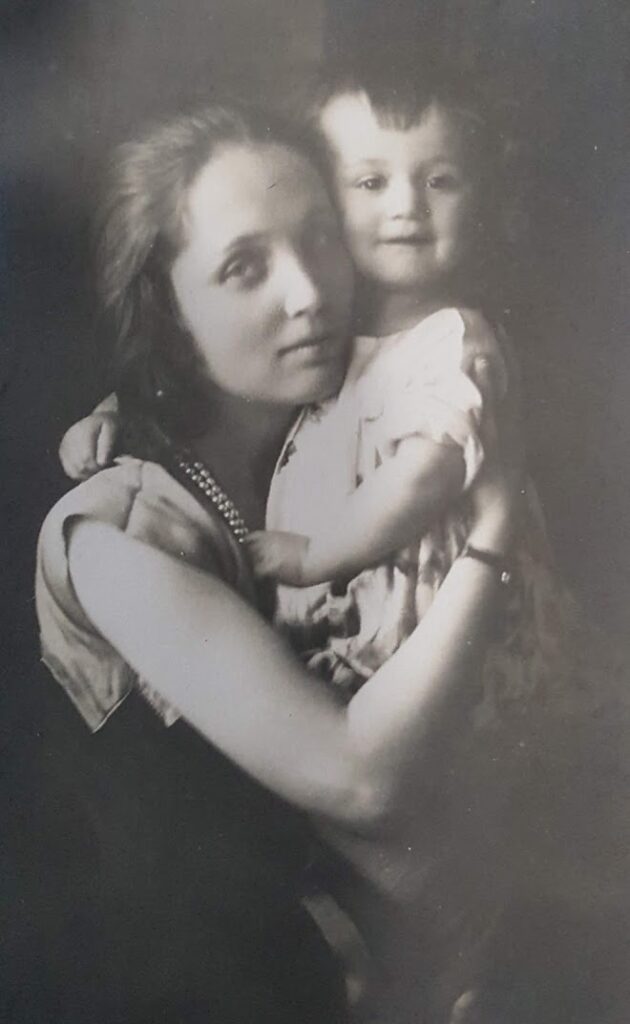
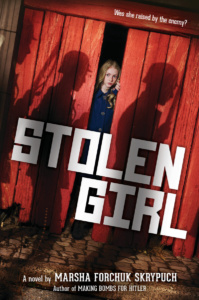
So honoured to have two articles referencing my novel, Stolen Child (Stolen Girl) in the newest edition of Bookbird! Thank you Mateusz Świetlicki and Sharon Smulders for writing such interesting pieces. Stolen Child holds a special place in my heart. It was the first of my Scholastic WWII novels, and is the only one set in Canada. It was written as a tribute to my dear late mother-in-law, whose own WWII experiences inspired the story. Here’s a pic of her as a child:
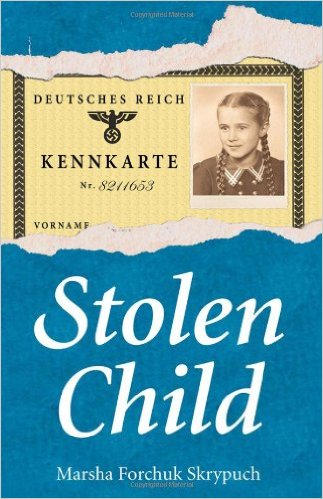
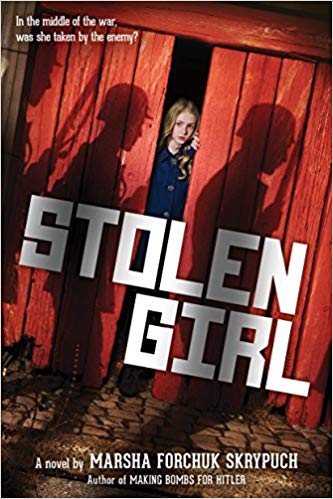
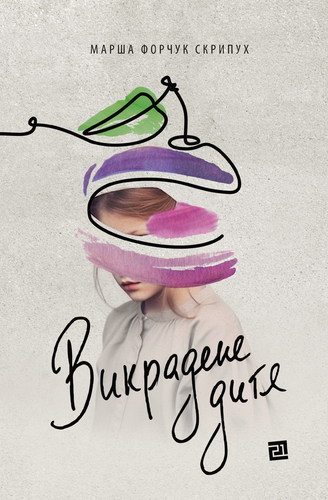
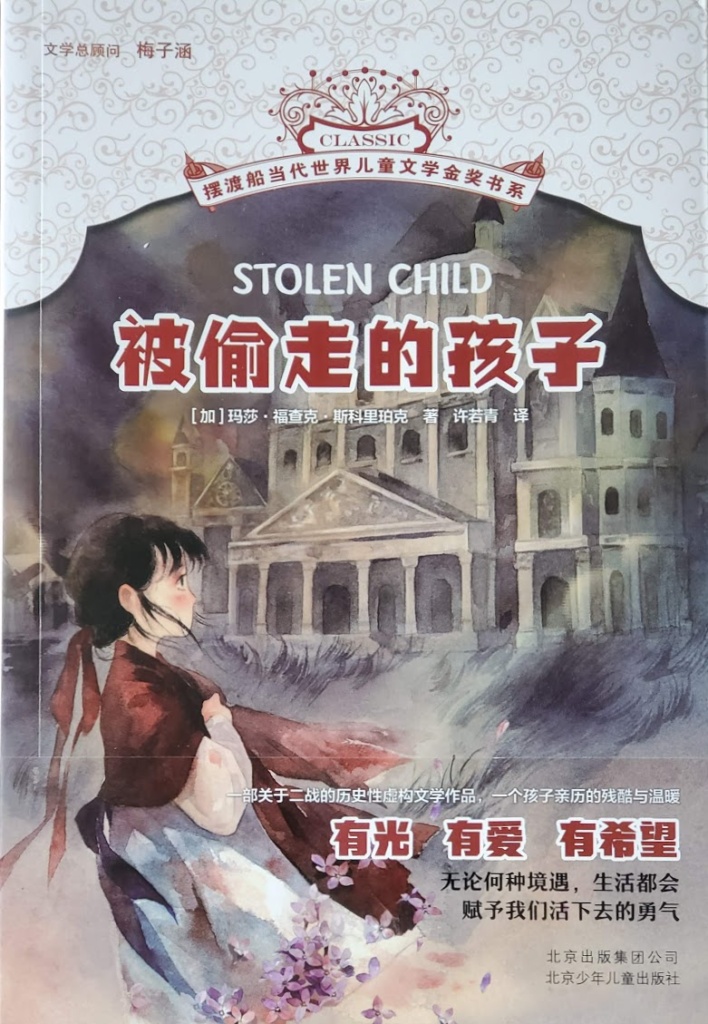
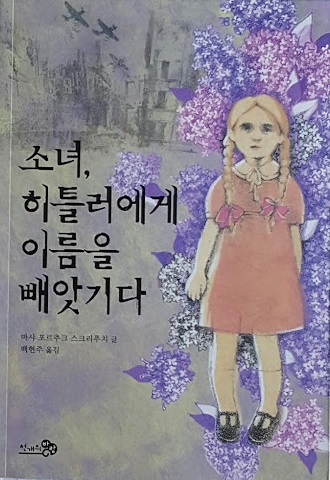
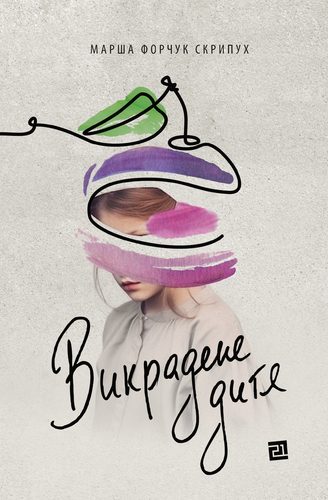
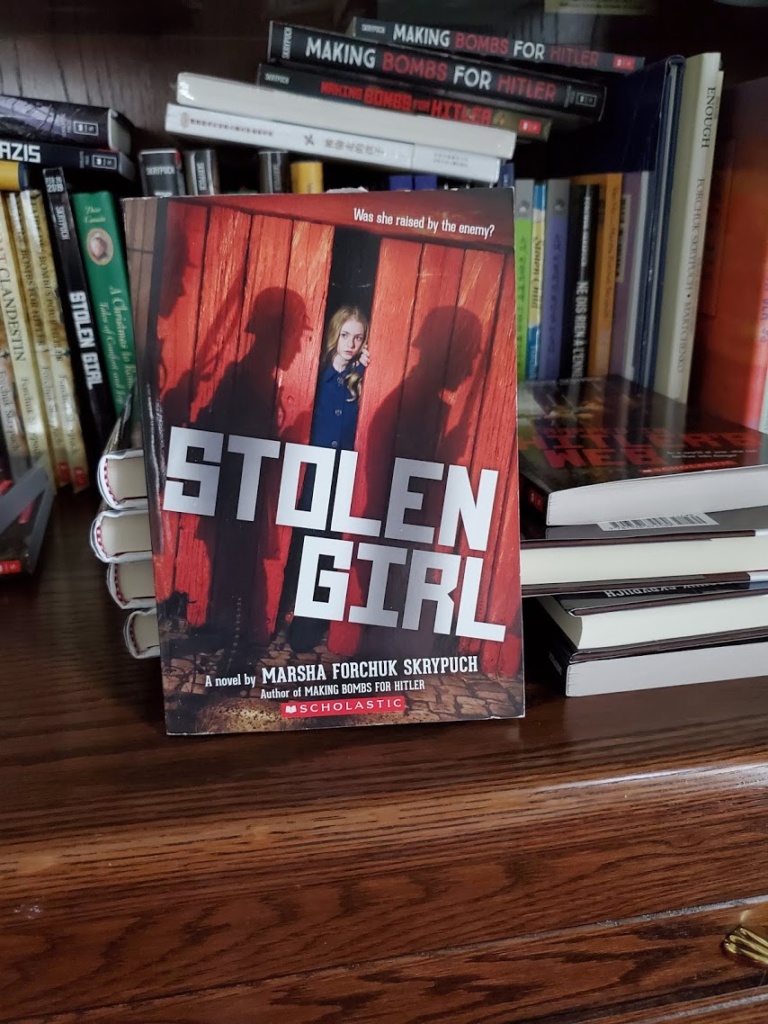
Scholastic Canada original edition Ukrainian editionSimplified Chinese editionKorean edition
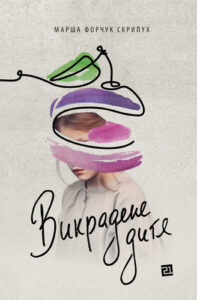
It’s a dream come true to finally have one of my novels translated into Ukrainian and published in Ukraine. The translator is the brilliant Yulia Lyubka and the publisher is Books XXI. Stolen Child (Stolen Girl) holds a special place in my heart because it was written at the urging of my late mother-in-law, Lidia Skrypuch, who was a kid during the Nazi occupation of Ukraine and half of her classmates were victims of the Lebensborn program. That this translation is coming out now is sadly appropriate because the new Nazis, aka Putin’s Z army, are doing Lebensborn all over again: kidnapping Ukrainian kids, brainwashing them and placing them in Russian homes. My mother-in-law used to say that there was little difference between the Nazis and the Moskali: both were genocidal killers and thieves, but the Nazis had better boots.
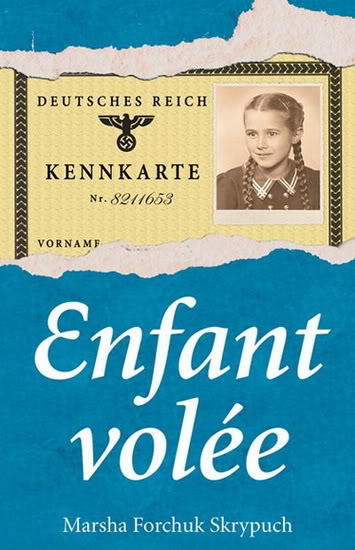
This is a photo of my mother in law as a baby, before anyone in their family had an inkling of what the future would hold.
Books XXI in Chernivtsi, Ukraine is publishing this beautiful edition of Stolen Child (Stolen Girl). Titled The Kidnapped Girl for this edition, the translation was done by the talented Yuliya Lyubka. More information can be found here. In Canada it will be available from Koota Ooma and other Ukrainian bookstores.
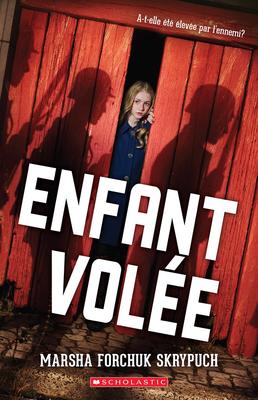
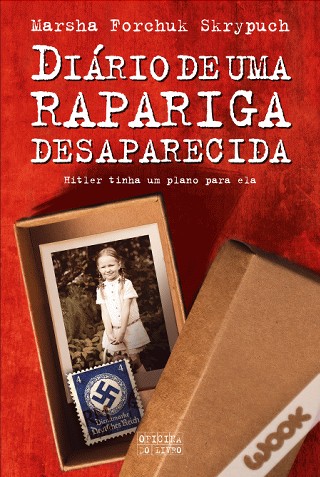
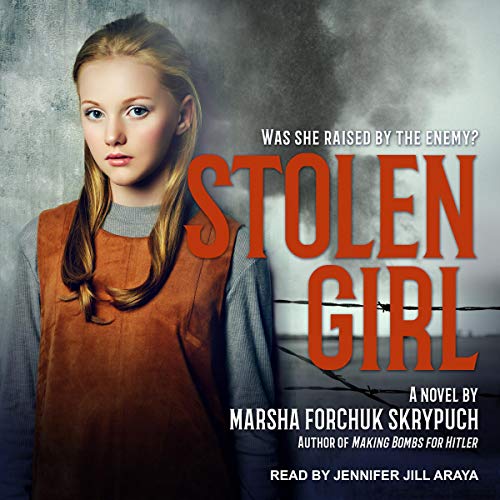
Simplified Chinese editionKorean editionScholastic Canada original edition editionScholastic Canada French editionWook Portuguese edtionAudio edition
Nadia is haunted by World War II. Her memories of the war are messy, coming back to her in pieces and flashes she can’t control. Though her adoptive mother says they are safe now, Nadia’s flashbacks keep coming.
Sometimes she remembers running, hunger, and isolation. But other times she remembers living with a German family, and attending big rallies where she was praised for her light hair and blue eyes. The puzzle pieces don’t quite fit together, and Nadia is scared by what might be true. Could she have been raised by Nazis? Were they her real family? What part did she play in the war?
What Nadia finally discovers about her own history will shock her. But only when she understands the past can she truly face her future.
Inspired by startling true events, Marsha Forchuk Skrypuch delivers a gripping and poignant story of one girl’s determination to uncover her truth.
Reviews
Kirkus: “The author once again deftly sheds light on lesser-known aspects of the Ukrainian experience during WWII. . . A gripping exploration of war-induced trauma, identity, and transformation.”