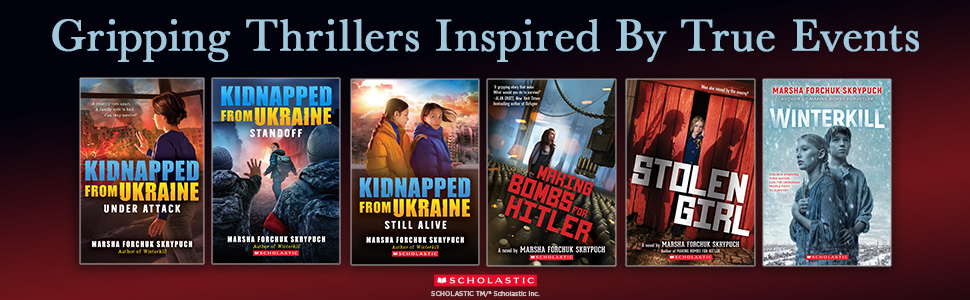
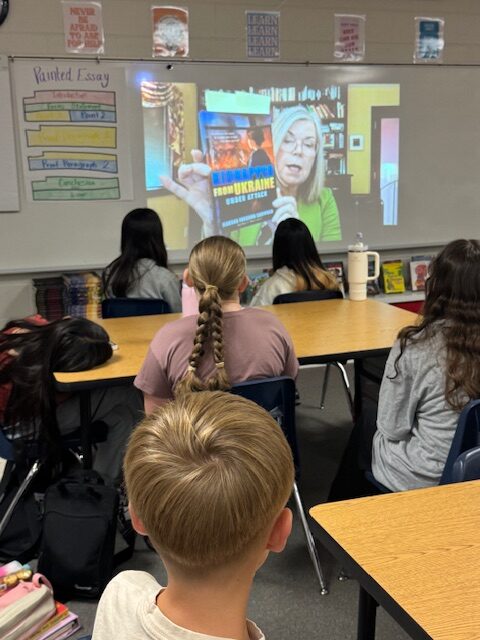
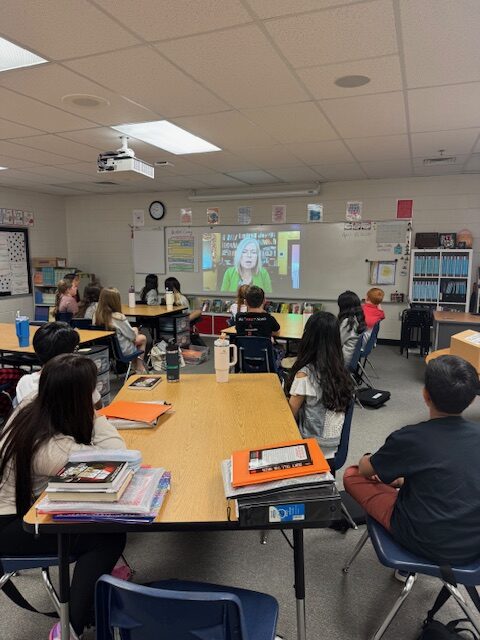
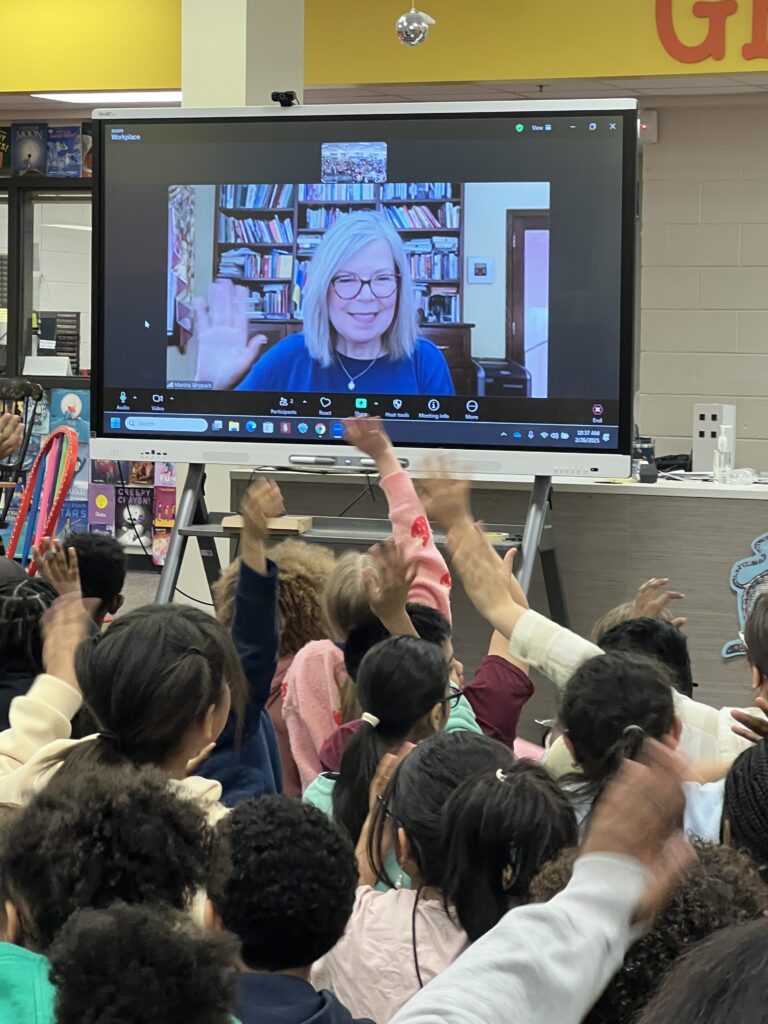
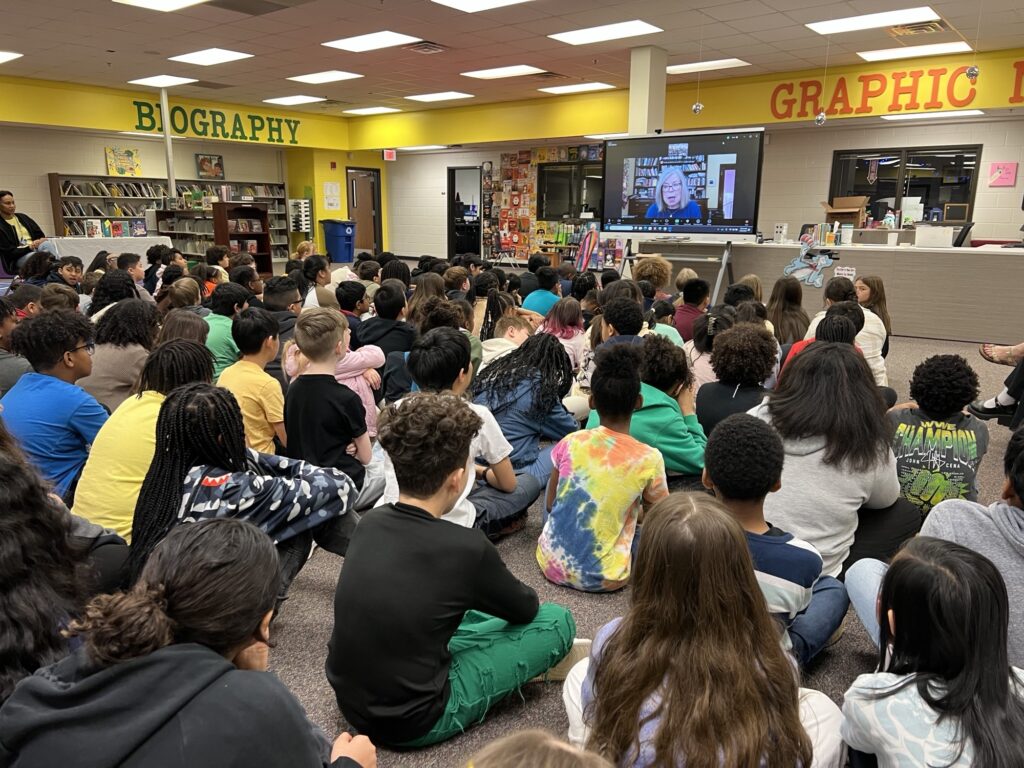
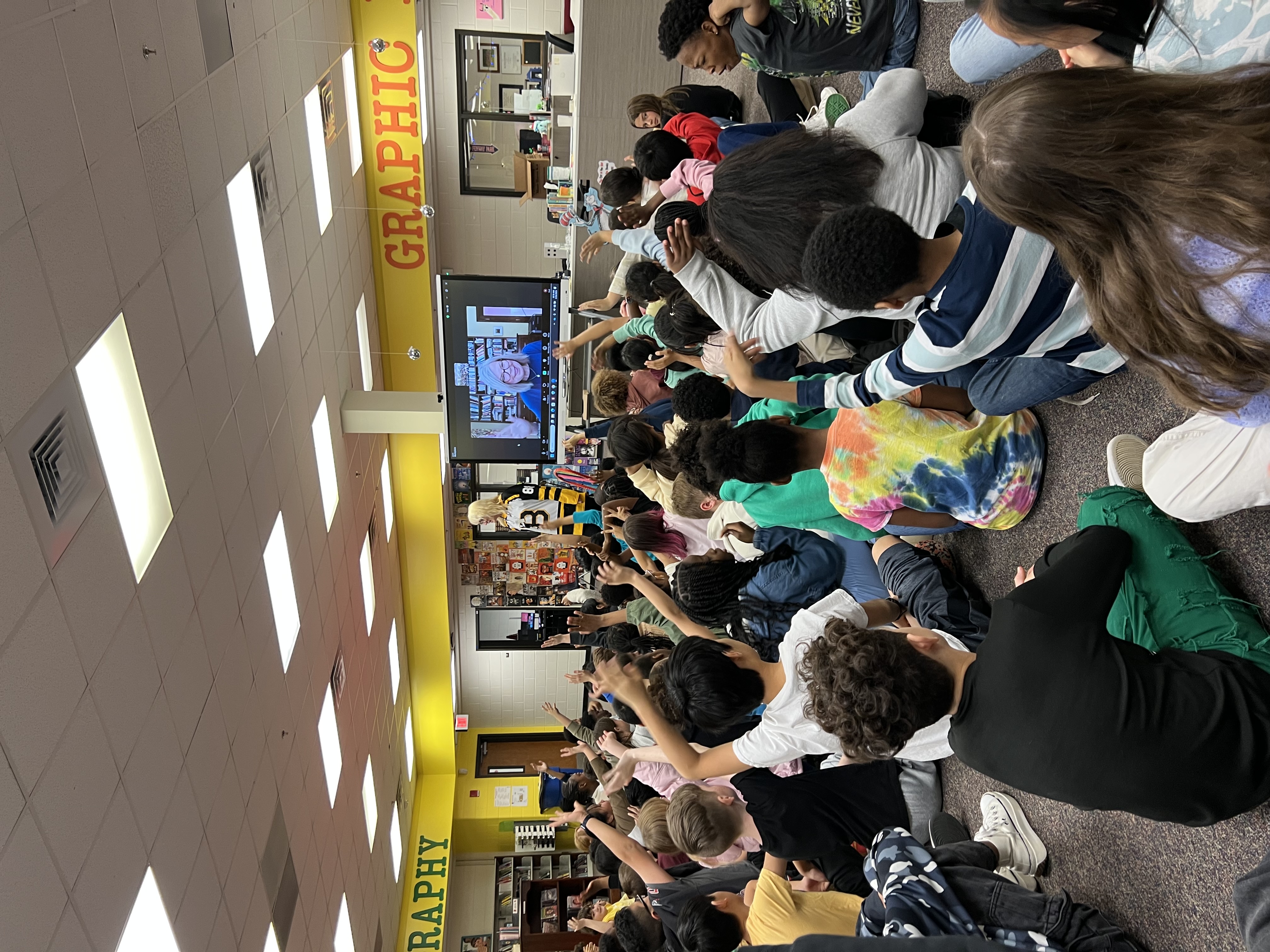
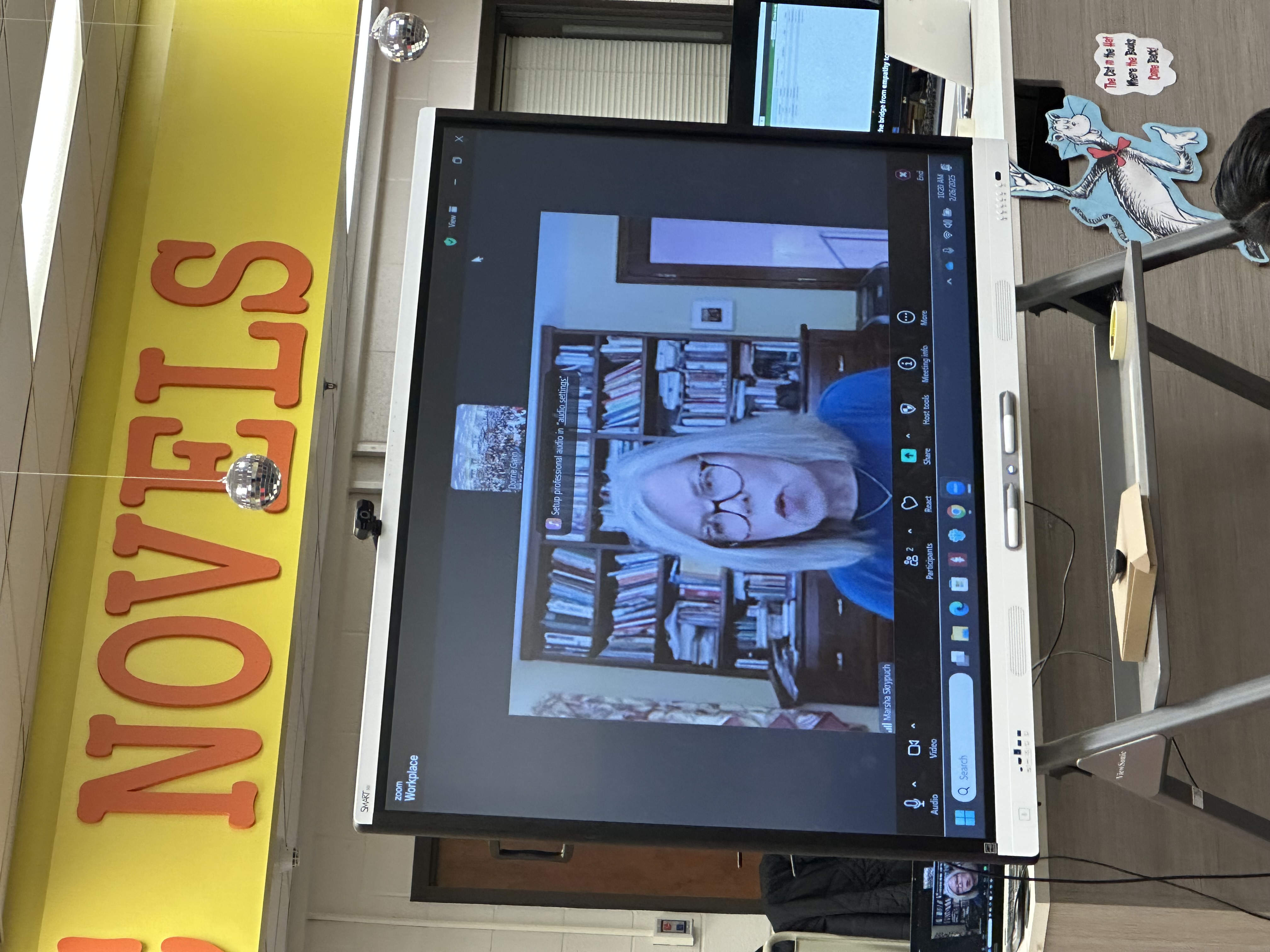
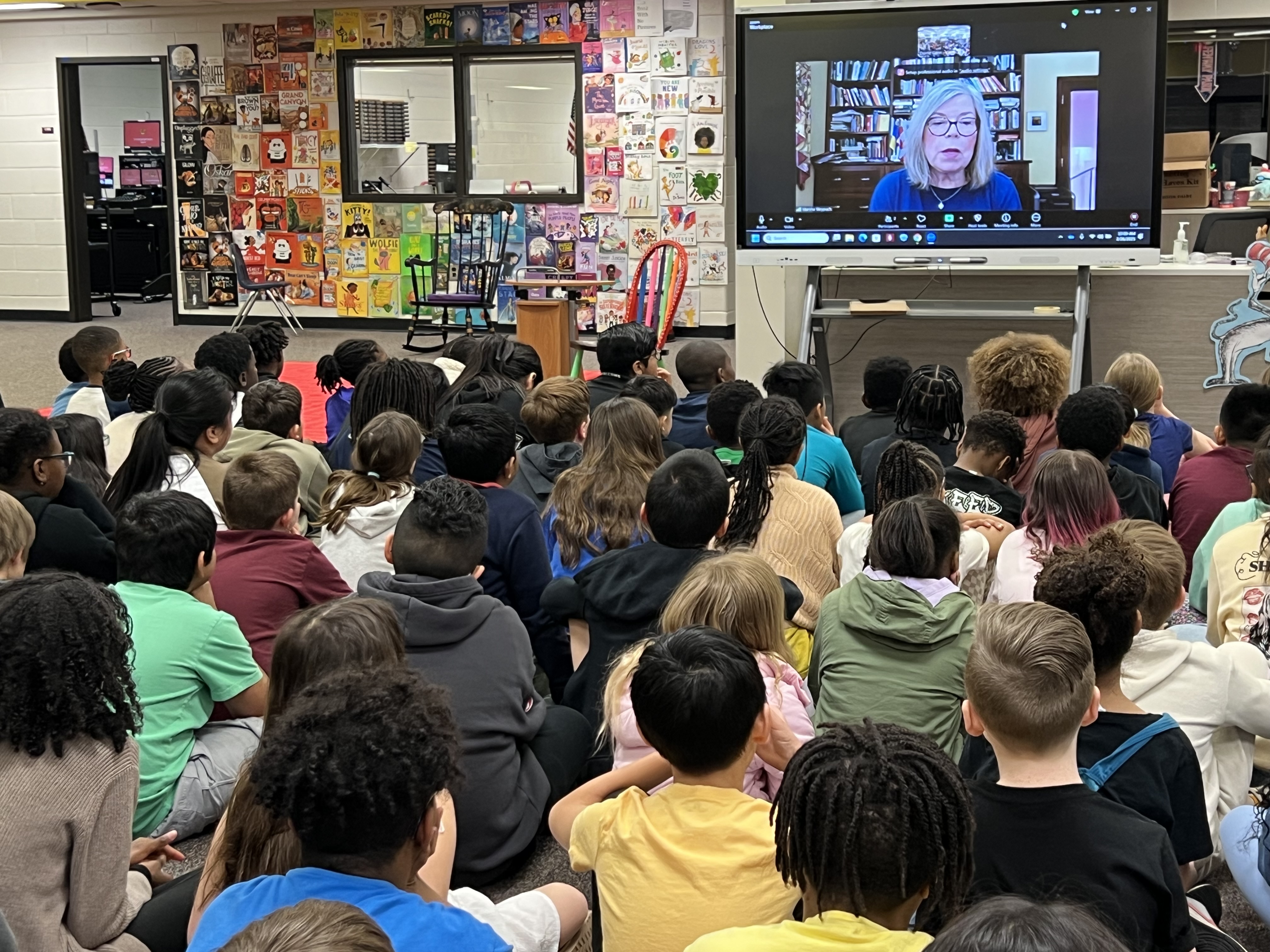
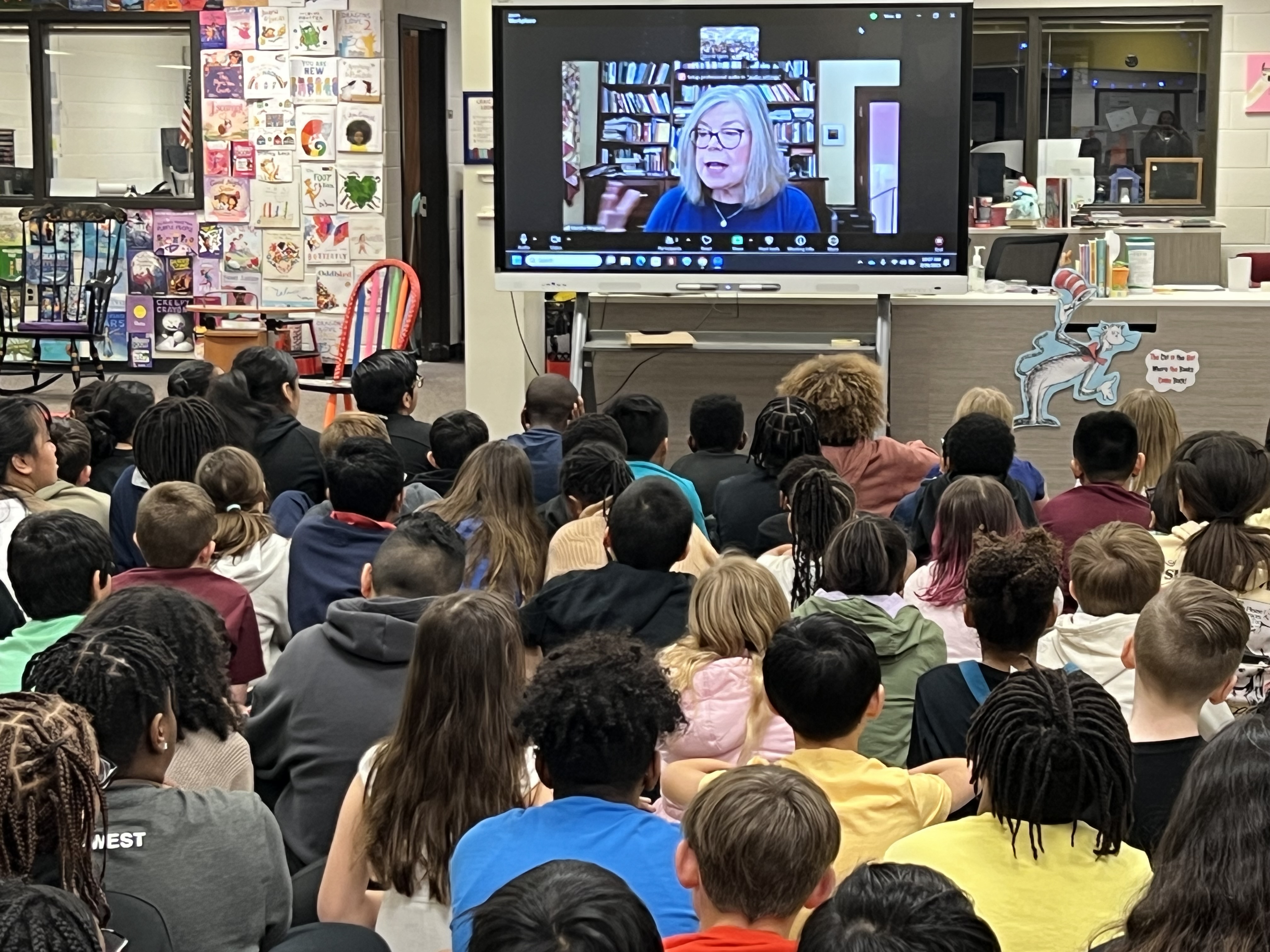
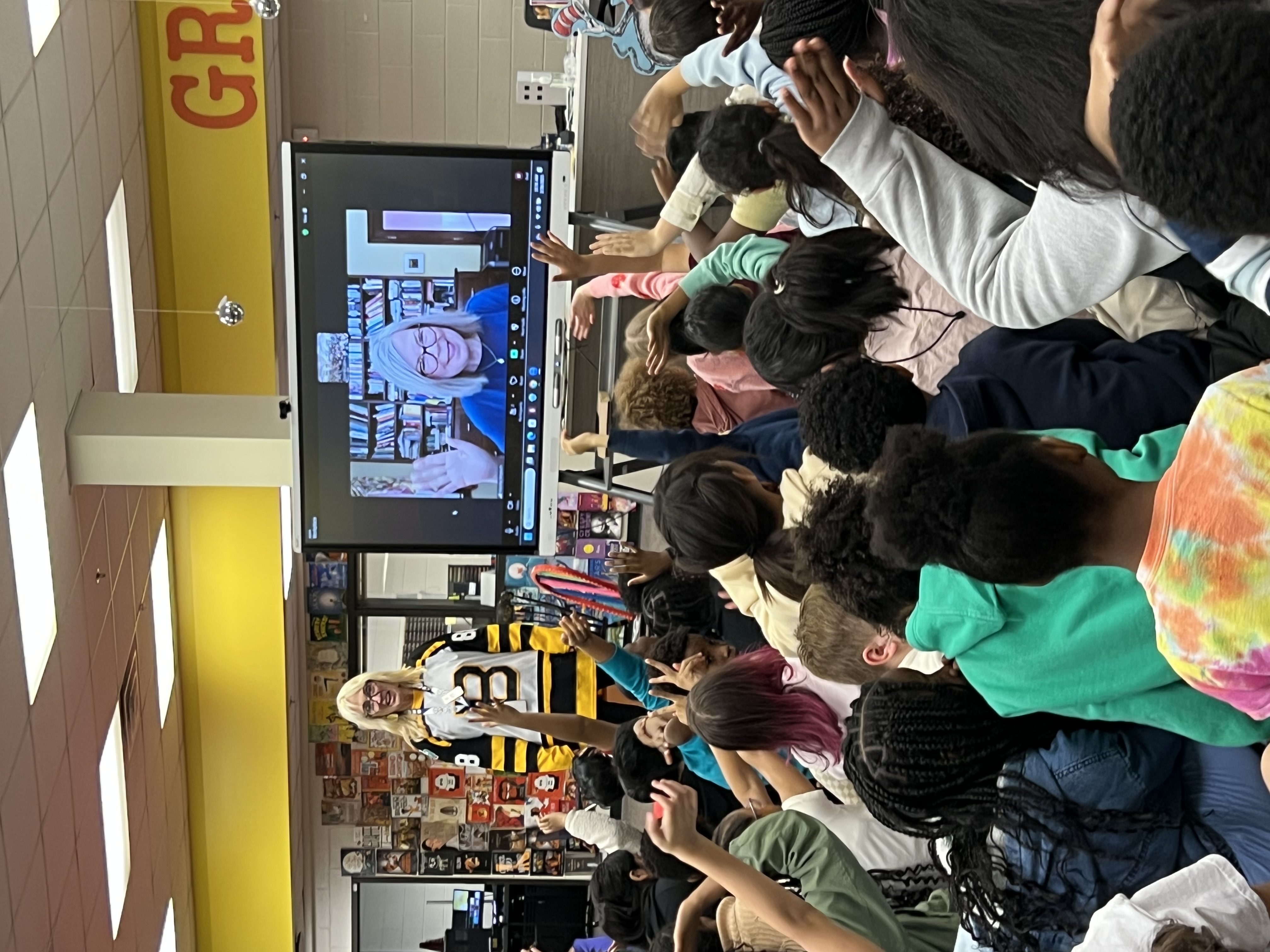
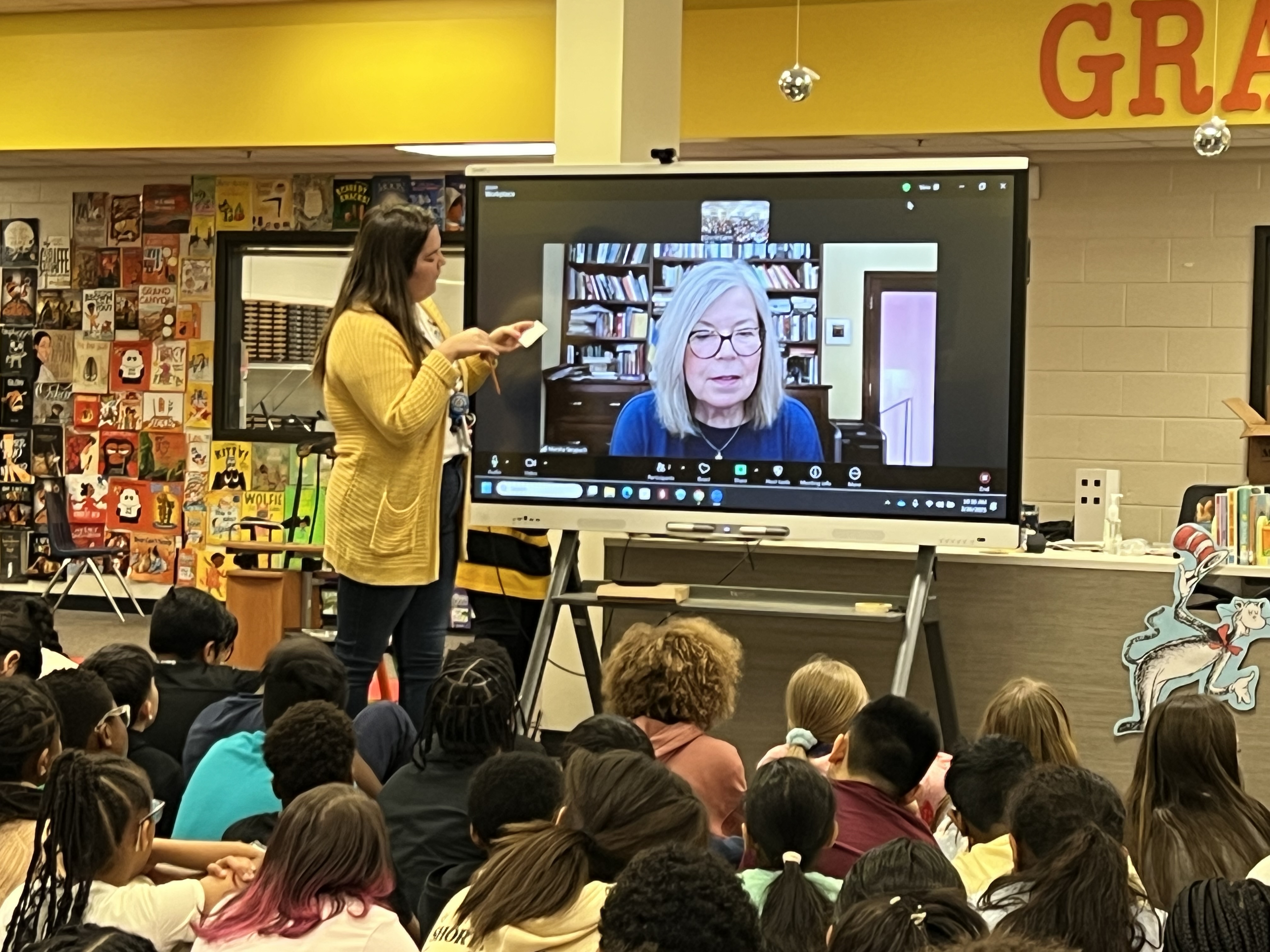
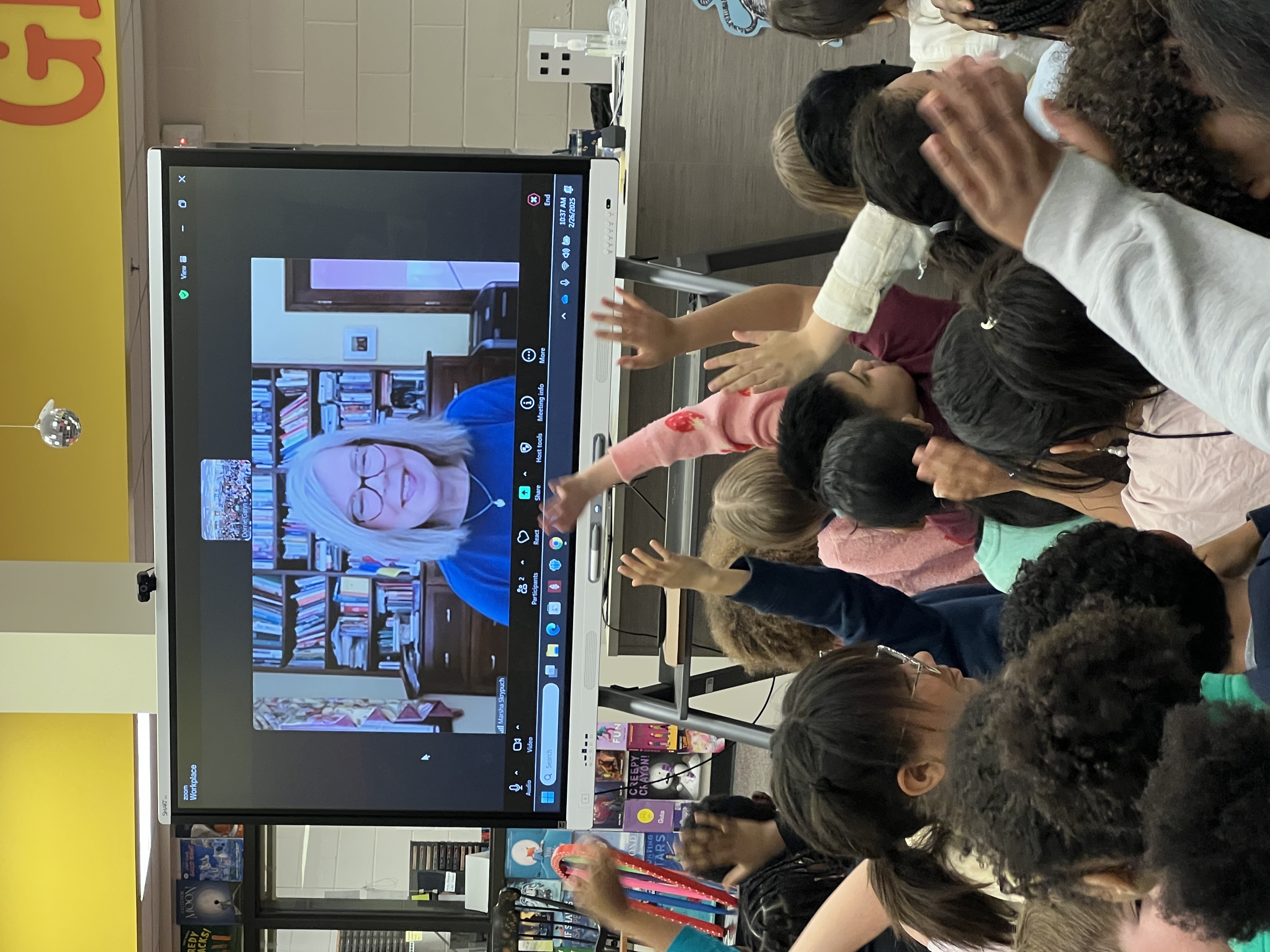
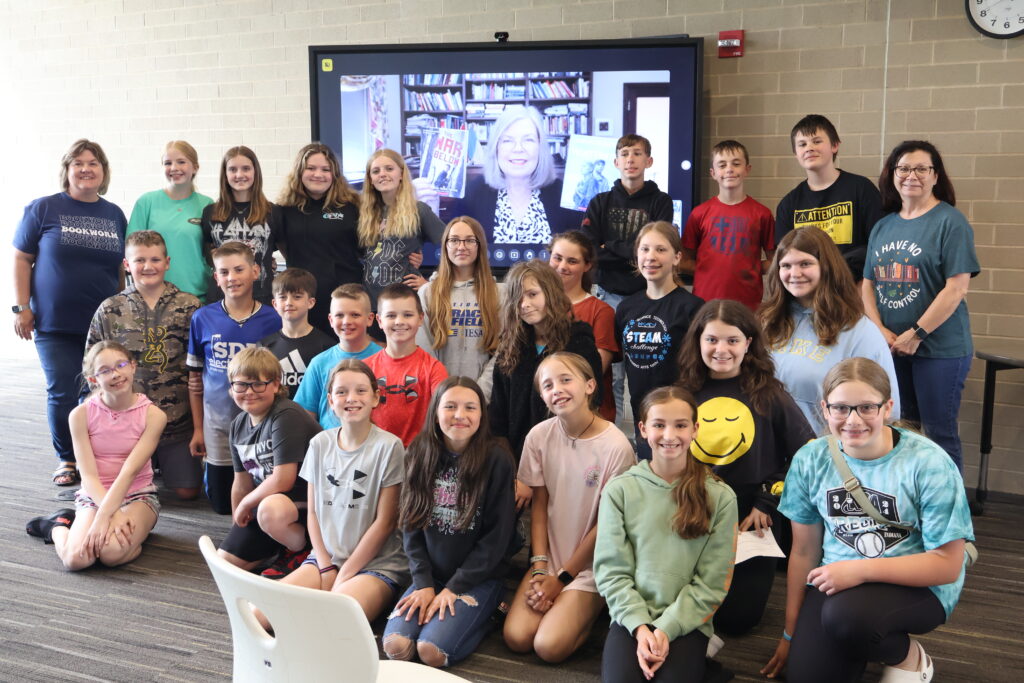
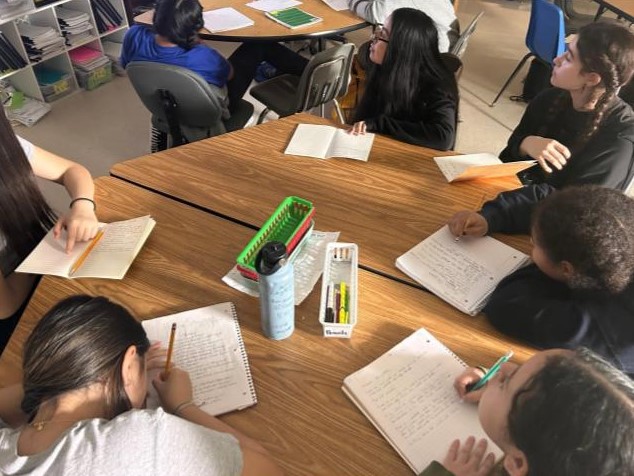
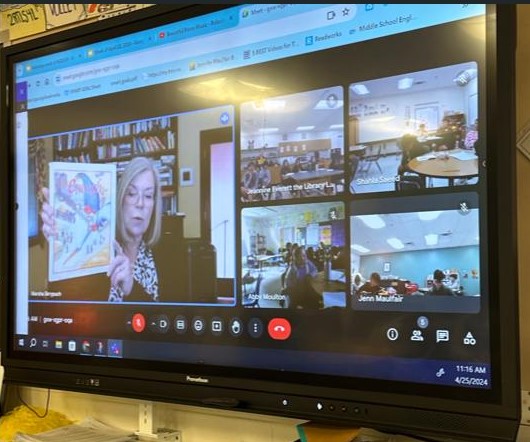
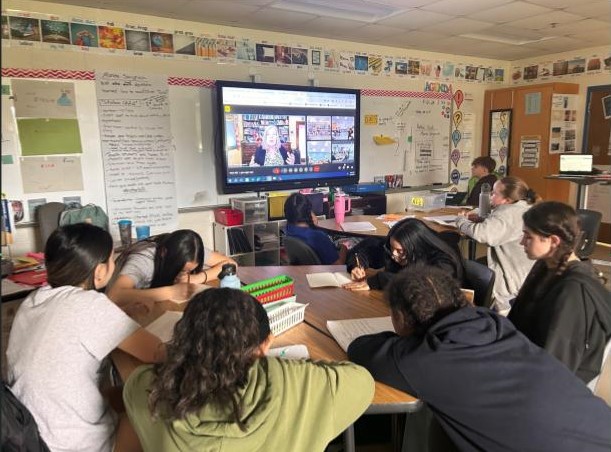
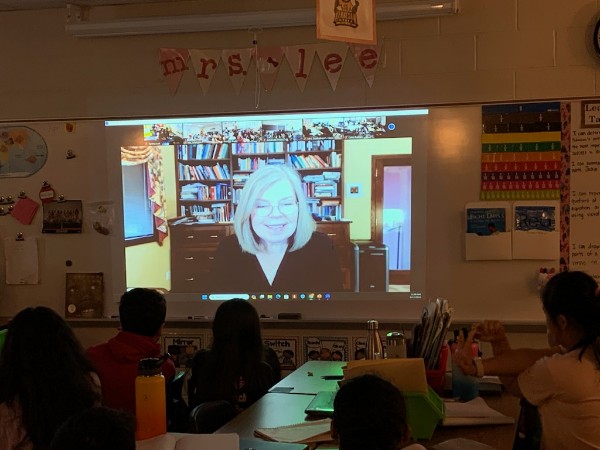
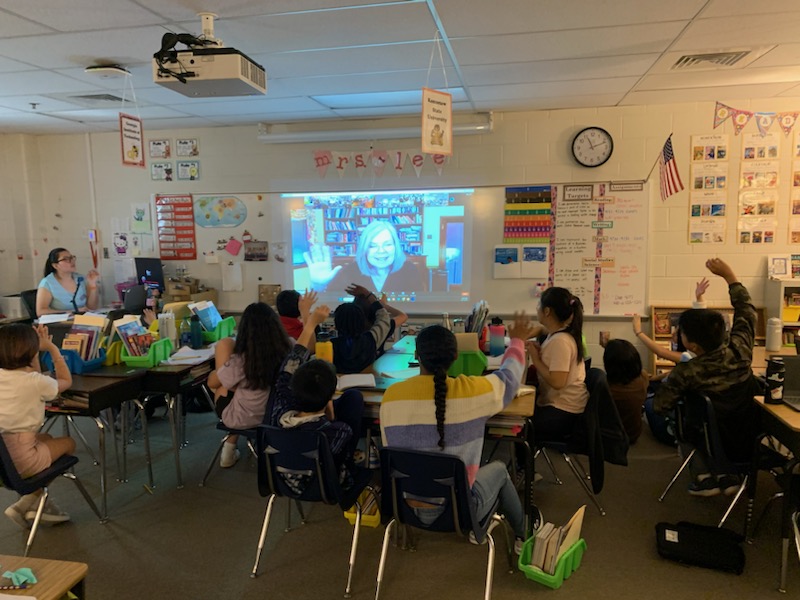
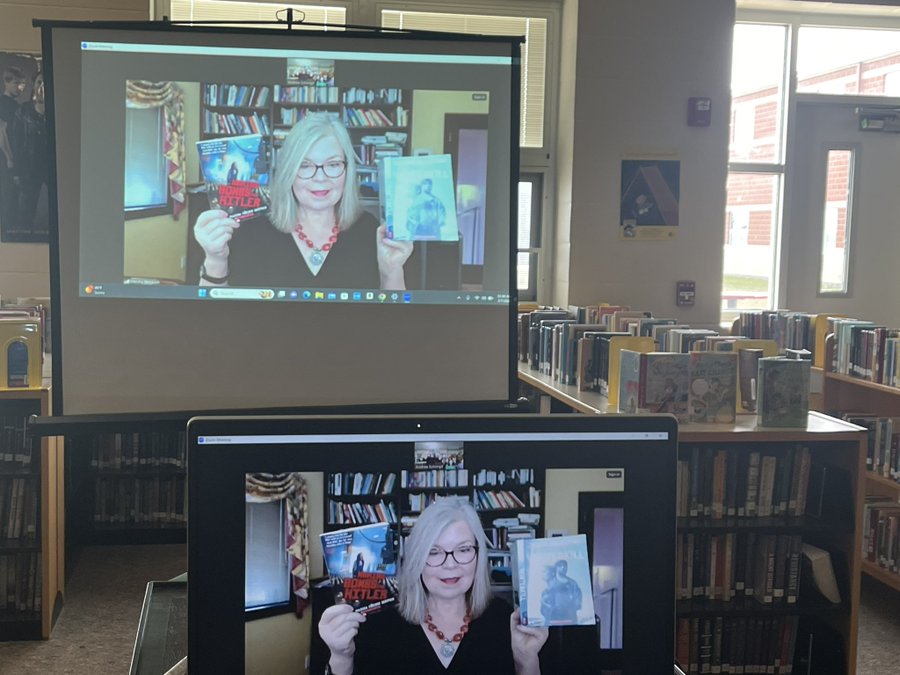
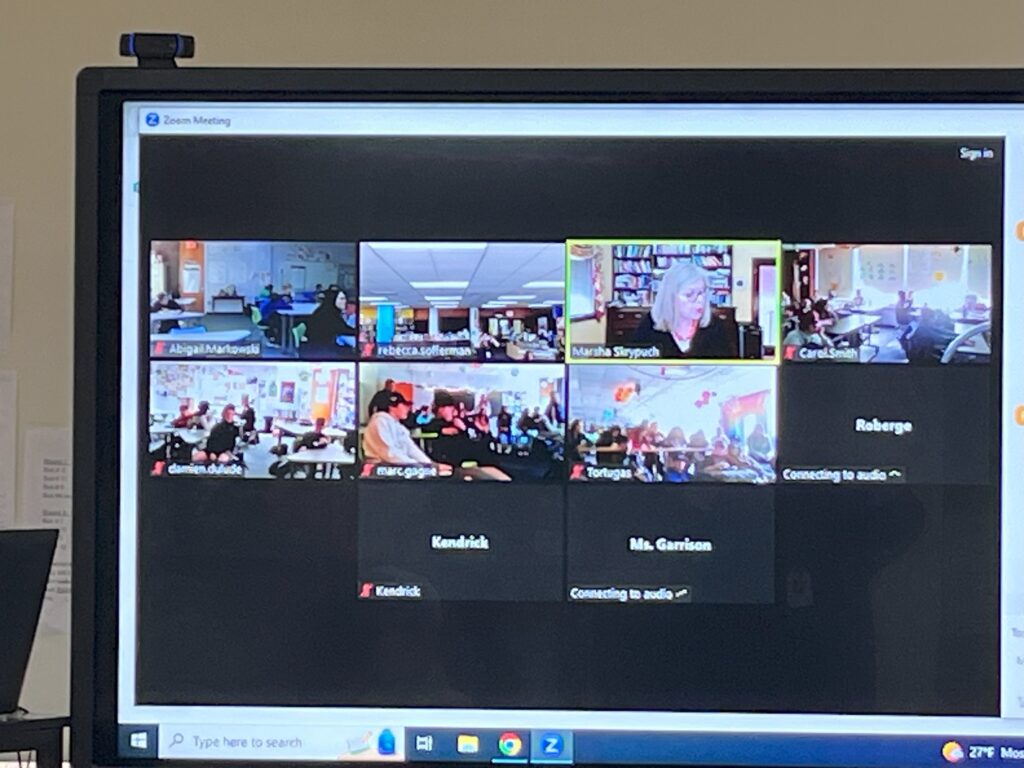
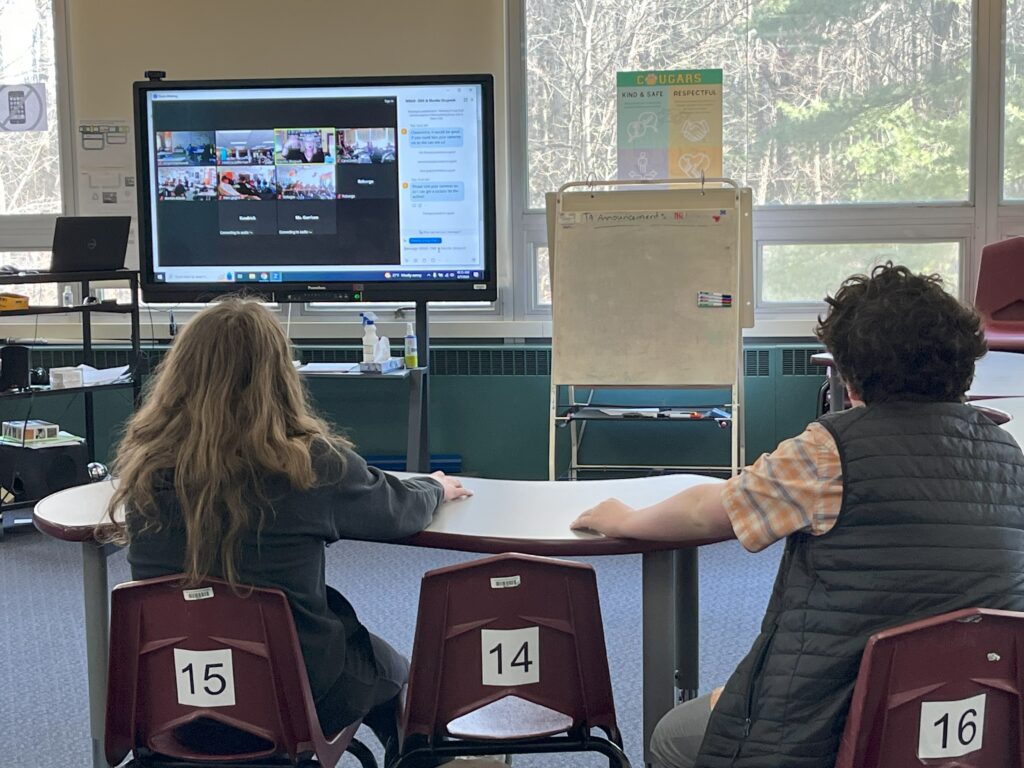
It was such a pleasure to speak with 5th grade students from Roberts Elementary in Suwanee GA on Good Friday morning. Virtually visiting Roberts has become something of an annual tradition! Here are pics from one of the participating classes. Students asked thoughtful questions and made good connections between my WWII novels and Under Attack: Kidnapped from Ukraine, set during Putin’s current war on Ukraine.
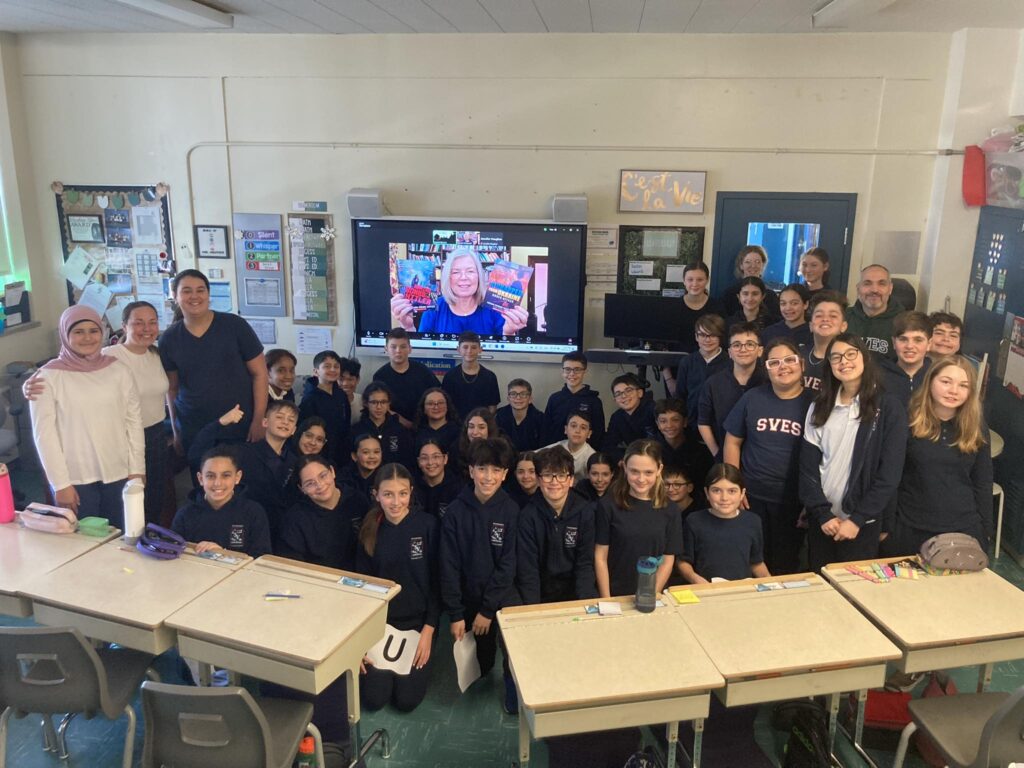
It was so nice to visit with St. Vincent ES students and discuss overcoming personal challenges, empathy and compassion, World War II and the war in Ukraine. Students had lots of questions about Making Bombs for Hitler, Stolen Girl and The War Below.
In mid February I had a virtual visit with 6th grade students in Quebec. There were so many questions that I couldn’t answer all of them before the bell rang so I told their teacher I’d be happy to answer by email. Here’s our exchange:
Dear Ms. S, So nice to hear from you! I loved visiting with your students. Thank you so much for donating to the Canada-Ukraine Foundation and thank you for all that you do to encourage a love of reading with your students.
As to your students’ awesome questions, here are the answers:
Question one: Out of the trilogy including Stolen Child, Making Bombs for Hitler, and The War Below, which book is your favourite? – from Luca.
Dear Luca, I love each of these novels for different reasons, but I would have to say that The War Below is my favourite, partly because Luka was such a strong and unexpected character who walked into Making Bombs and was so important to Lida that I had no choice but to give him his own book. Also, the opening scene, where he’s hiding among corpses, is my all-time favourite opening book scene.
Question two: Why do you like writing books? – from Marley
Dear Marley, I love shining a light on people who have lived through extraordinary times but who have been ignored. I think the more we know about other people’s struggles, the better we’re able to deal with our own struggles. Whenever I finish writing a book, I’m glad to finally write The End and I really try to take a break, but then another story shows itself to me and I have to write it. I have to find out more about that person and their circumstances — to honour that experience, and to share it. If I didn’t write these stories into books I think that my head would explode from holding them all in!
Question three: Which character in which story can you relate to more? – from Alexia
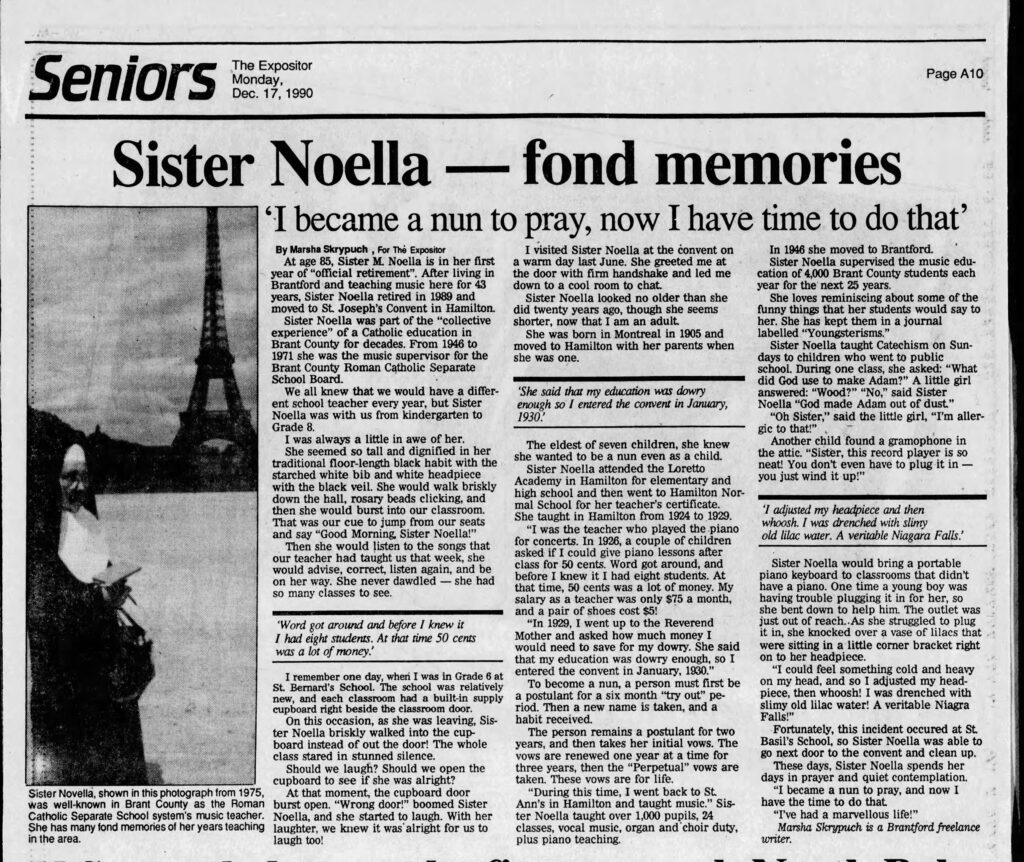
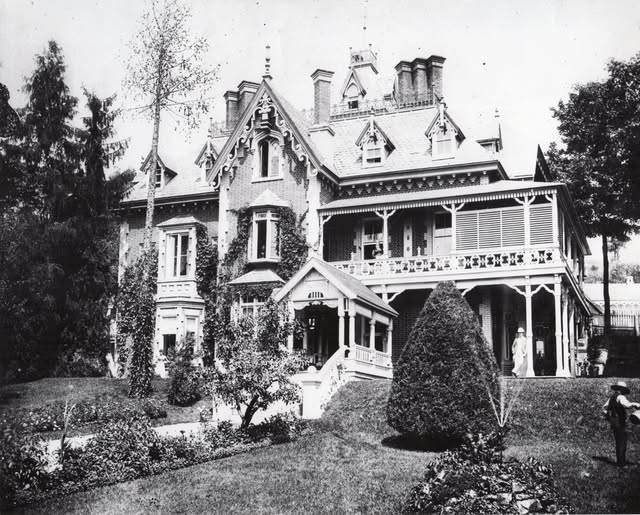
Dear Alexia, the character that I most relate to is Larissa/Nadia/Gretchen in Stolen Girl/Stolen Child. The reason is because a lot of the scenes in this book relate to my own life. The scenes in the Brantford Public Library are inspired by my own trips to that same library because that’s where I taught myself how to read, and in fact, many of the books that Nadia selects are the ones that I selected. The librarian is also based on real librarians from my childhood — their kindness, empathy, and their conviction that loving books meant loving life. Nadia walks through the streets of my childhood — her in the 1950s, and I did that in the 1960s. The local castle (Wynarden Castle) she passes is one that I was obsessed with as a child. I was bullied as a child in elementary school, and so we share that as well. Also, the inspector at the school is based on a music supervisor who was a nun who would go from school to school. Her name was Sister Noella and I was terrified of her as a child, but after she retired, I visited her and interviewed her for the newspaper. Here’s the article:
I had such a wonderful visit with 5th grade students from Craig Elementary School in Georgia who were reading Making Bombs for Hitler and studying WWII. We compared the connections of what happened then and what is happening now with Russia’s war on Ukraine. We talked about revisions, research, and movies in your head. Check out these pics!
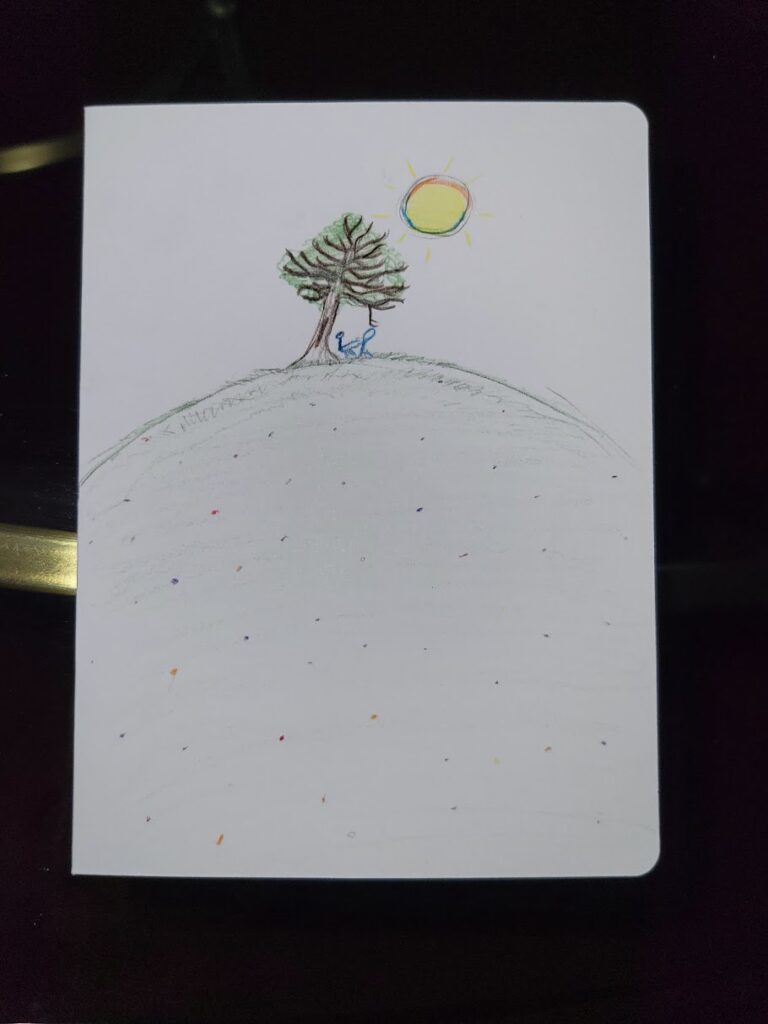
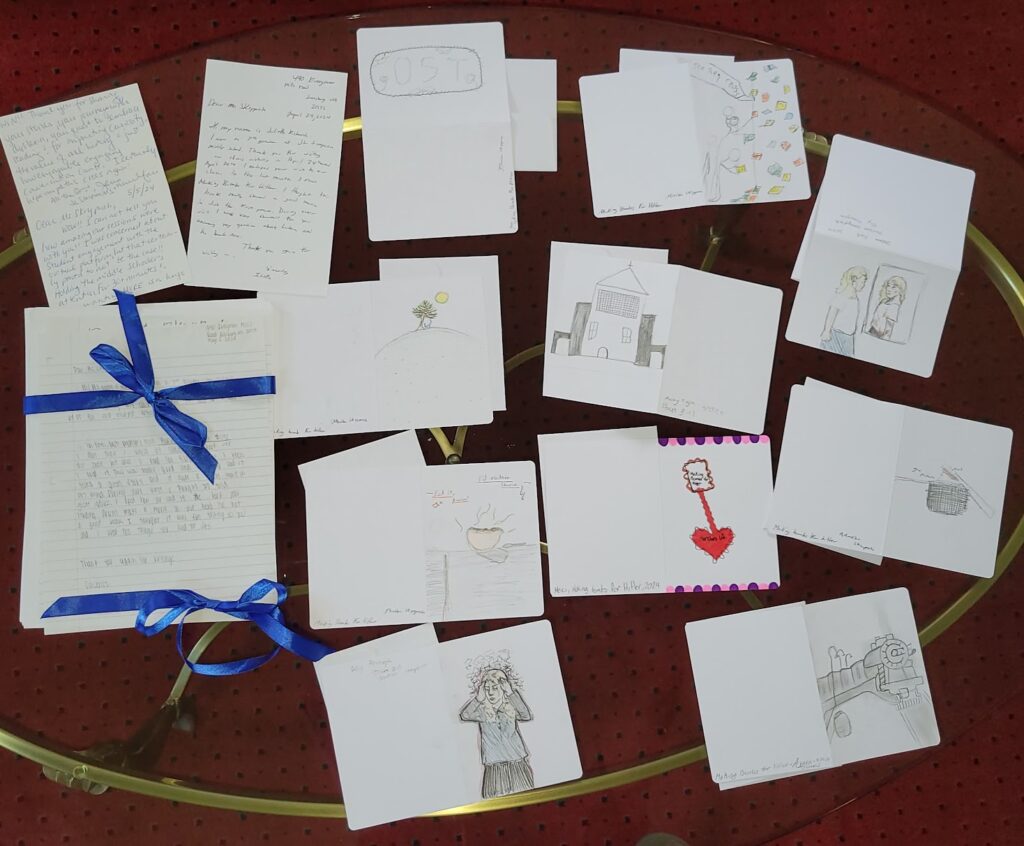
I just received the most beautiful package of letters and cards from students and staff at JL Simpson MS (Virginia) in response to 6 virtual visits over two days that we did together a few weeks ago. Jeannine and I had corresponded about this for about a year and I was very impressed by the students and their in-depth questions on a wide variety of my books, and about history, and about the current war in Ukraine. The letters were tied in a blue satin ribbon, and the cards are amazing. Individual student artists created cards based on scenes from books. The artwork below is inspired by Stolen Girl, about Nadia’s joy at having a tree with a swing, now that she’s safe and living with people who love and care for her.
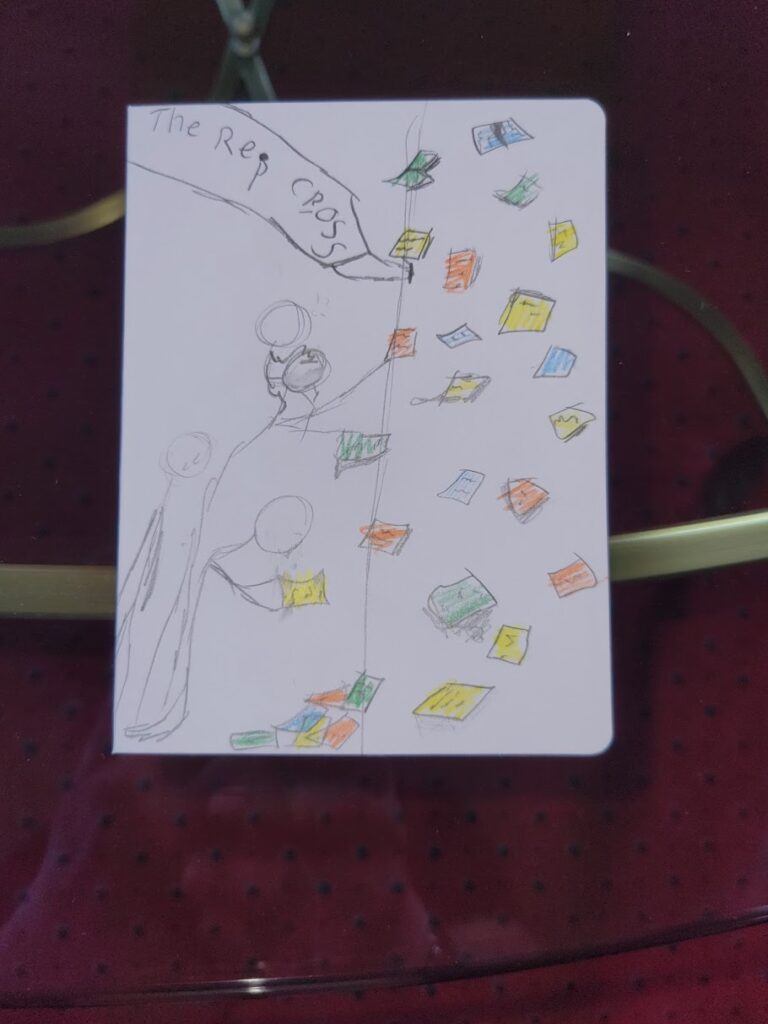
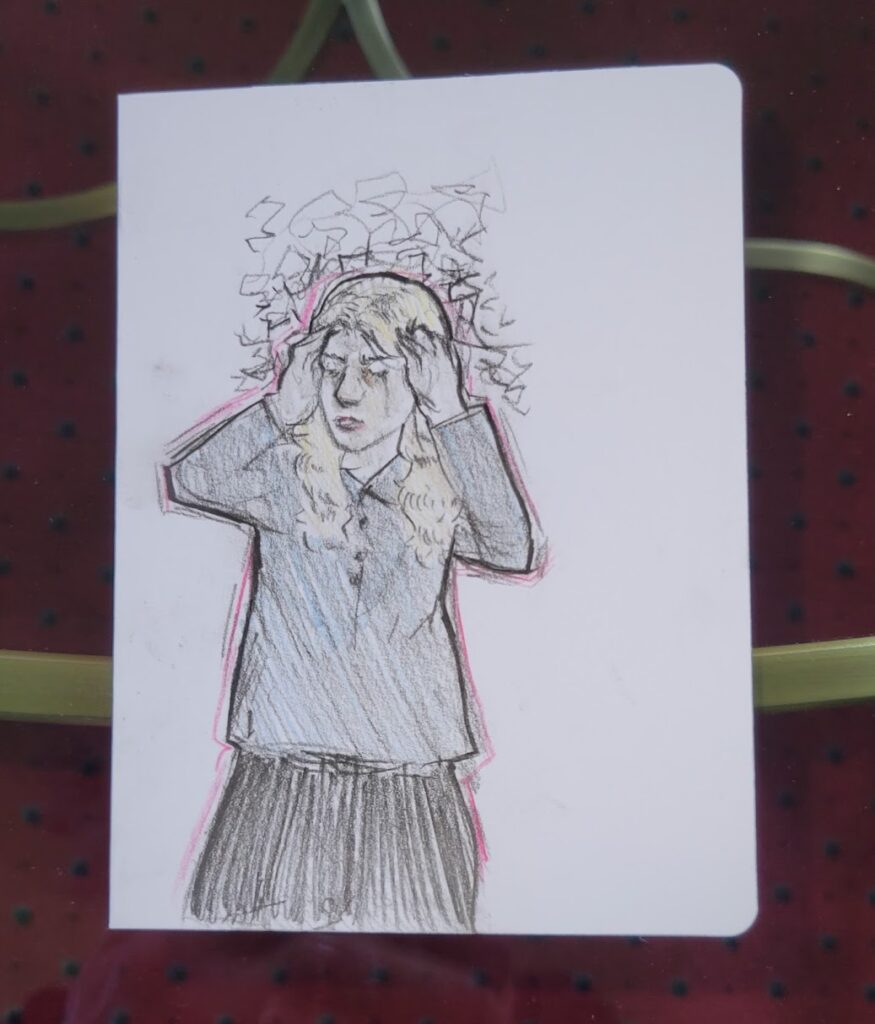
This is from Making Bombs for Hitler, when Lida is in the Displaced Persons’ camp. She’s checking the hundreds of bits of fluttering paper that have been attached to one of the few stone walls still standing. Each paper was a note with a person’s details on it, as they were trying to connect with loved ones who survived. I think of the war going on now in Ukraine when I look at this artwork, and think of all the people trying to find their loved ones.This is from Stolen Girl. It’s Nadia’s confused memories because of the Nazi brainwashing she endured, making her forget her true family. It breaks my heart seeing this picture because there are kids right now kidnapped by Russia, in the midst of having their memories washed.Here are all of them.
Thank you, Ms Coffman, for the opportunity to meet with your avid readers from Limestone MS, IL! I loved their well-thought-out questions about a bunch of my books, and also about creativity and research!
Last week I had the pleasure of meeting with 300 students in 7th grade at J.L. Simpson in Leesburg Virginia over the course of 6 virtual sessions. Jeannine, their media specialist extraordinaire cobbled together grants from the Nora Roberts Foundation and HREC ED to make this happen and also to purchase copies of Winterkill for the students. The planning had been in the works since April of 2023! Students asked great questions, and look at the notes they took!
Tiffanie from Roberts Elementary always lifts me up. After our author visit last week she emailed this feedback:
WOW! WOW! WOW!
You have a magical way of engaging our students sparking curiosity that lasts way beyond your visit! You answered their questions with such grace, care, and honesty. We loved it!
I had a wonderful visit with Roberts Elementary in Gwinnett County, Georgia last week. I’ve been virtually visiting students at this school for a number of years and have such respect for their media specialist, Tiffanie, who has an infectiously positive and generous perspective on life. I also love how her students come up with the BEST questions. There were about 9 classes participating in the session and each one had 3 questions. My favorite question from yesterday was, if you could tell your younger self something, what would it be? My answer: that the people who told me I was a slow learner were wrong. I was a different learner, and that would ultimately be a gift.
Have to say, meeting with students is one of the most wonderful aspects of being a writer.
Tiffanie made my day when she emailed this after the session: WOW! WOW! WOW!
You have a magical way of engaging our students sparking curiosity that lasts way beyond your visit! You answered their questions with such grace, care, and honesty. We loved it!