The people behind the books

For the past several Decembers I’ve been invited to attend the awards gala for the Peterson Literary Fund, but I’ve only been able to attend this year and last. Both years, the evening was profound in unexpected ways. This year’s event was to celebrate excellence in translation. The Turkish translation of Robert Paul Magosci’s iconic A History of Ukraine was the top prize winner. This recognition thrilled me not only because this translation will help educate Turkish readers about the history of Ukraine at a time when Russian disinformation is rampant, but also because two of the three translators are scholars who have generously assisted me with research for a novel set partly in the Ottoman Empire in the 1500s: Maryna Kravets and Victor Ostapchuk.

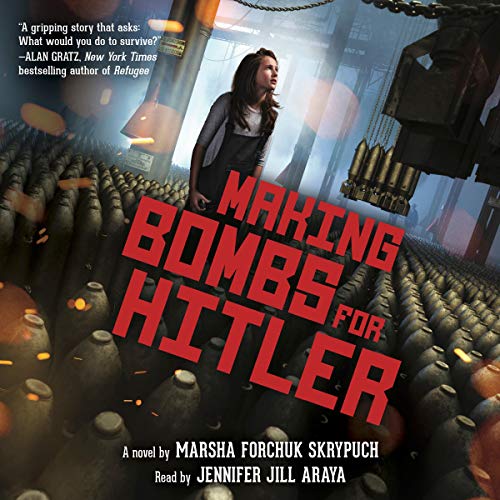
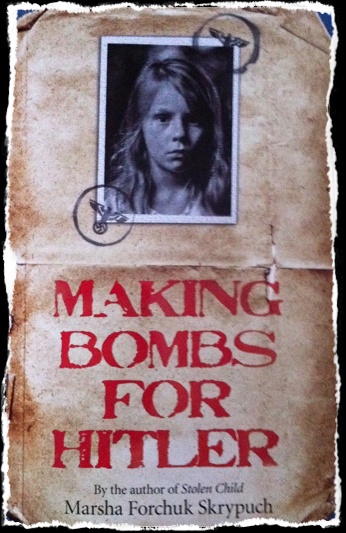
Another honoured book was the English translation of Iroida Wynnyckyj’s Extraordinary Lives of Ukrainian Canadian Women, translated by Marta Olynyk. Iroida has connected me with many people to interview for my books ever since I first began writing books. It was so nice to see her at this event and congratulate her in person. And by sheer coincidence, my husband and I were seated at the same table as the daughter of one of those key interviewees — Marta Varvaruk, the daughter of Anelia Varvaruk — whose crisp memories and spirited endurance of her time in a Nazi slave camp became key inspiration for my most popular novel, Making Bombs for Hitler.

Maryna Kravets (coral necklace), Iroida Wynnyckyj (blue dress) and Marta Varvaruk (white and black glasses).

Meeting Anne Applebaum at the Peterson Foundation Gala

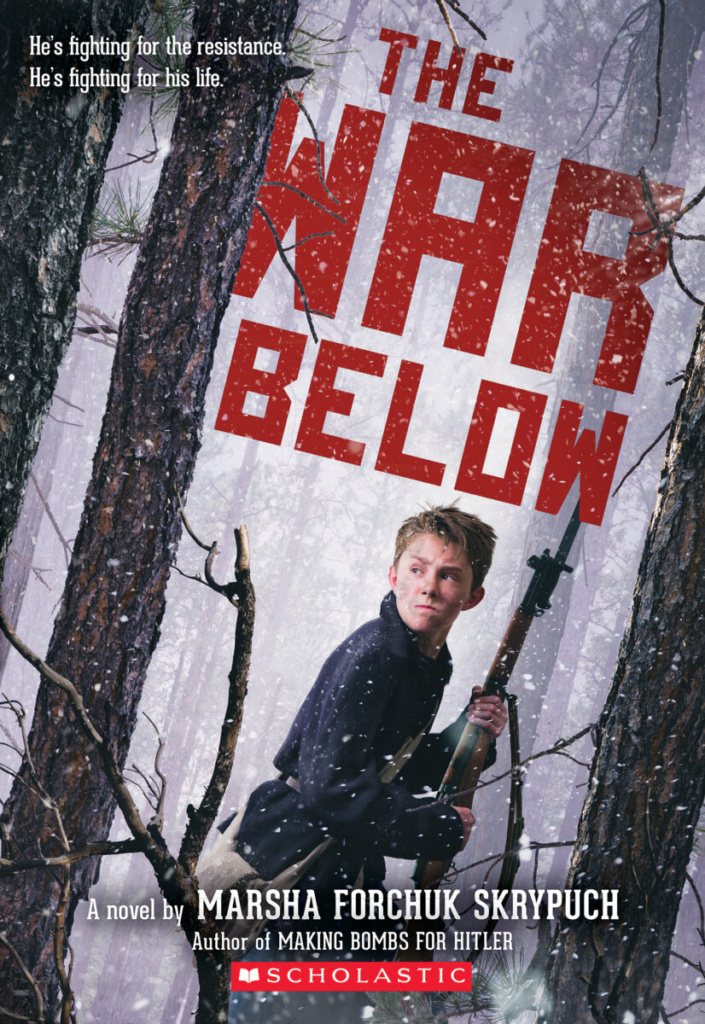
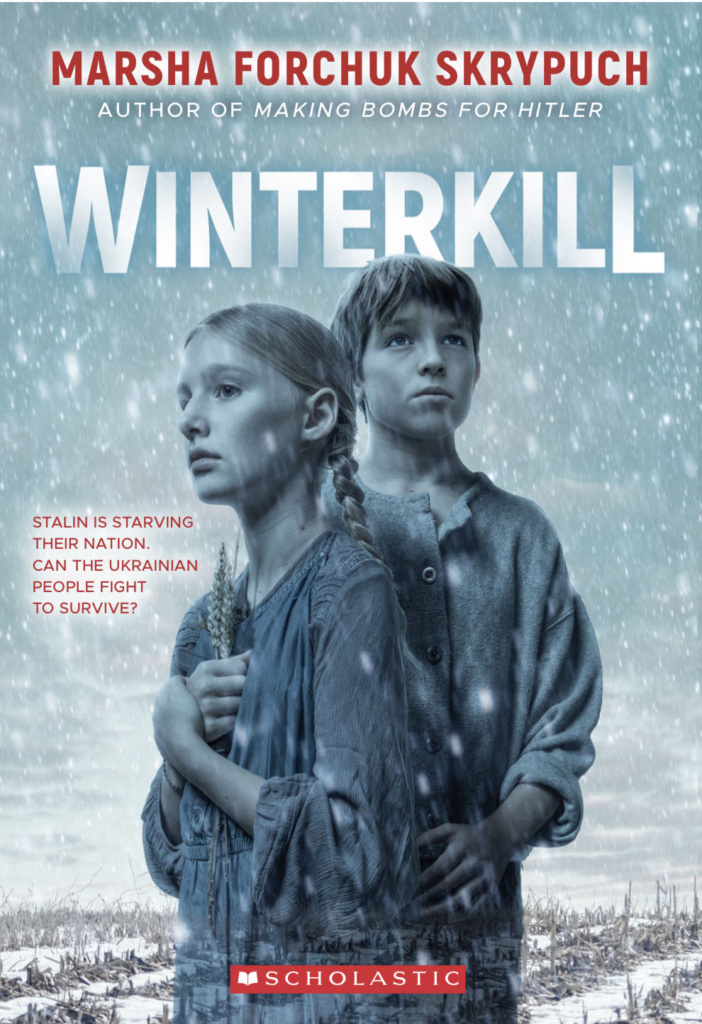
There are few historians who can match Anne Applebaum’s authority on topics that I write about so I was thrilled to be invited again to attend the Peterson Literary Foundation dinner (this past Friday), and particularly thrilled with the opportunity to listen to Applebaum in person. My copy of Red Famine looks like a porcupine with yellow quills because it has so many sticky notes in it. It was at my side as I wrote Winterkill. Needless to say, the chance to chat with Anne Applebaum was a dream come true.

A visit to St. Josephat Catholic School

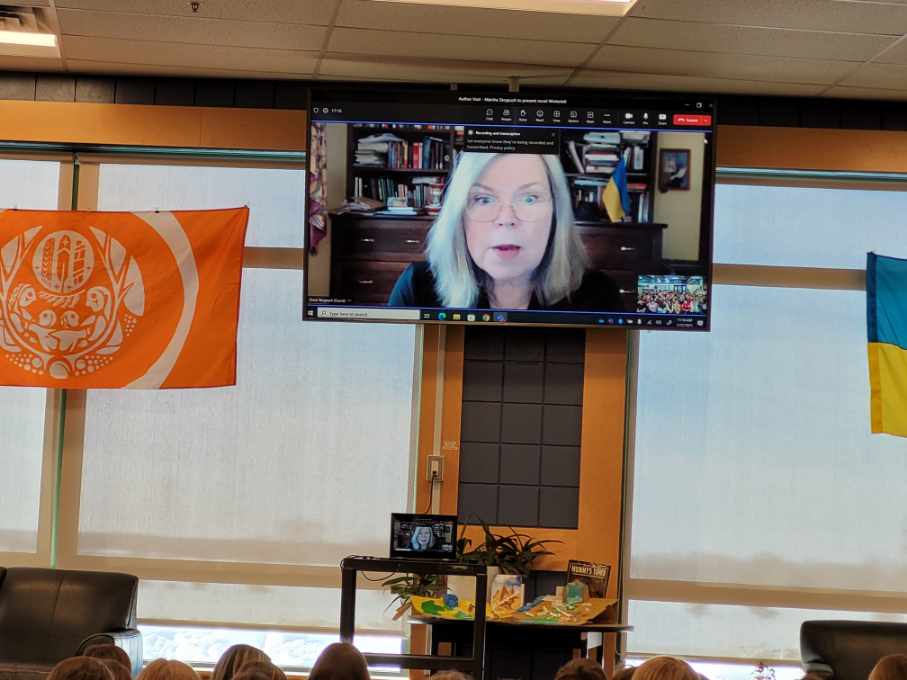
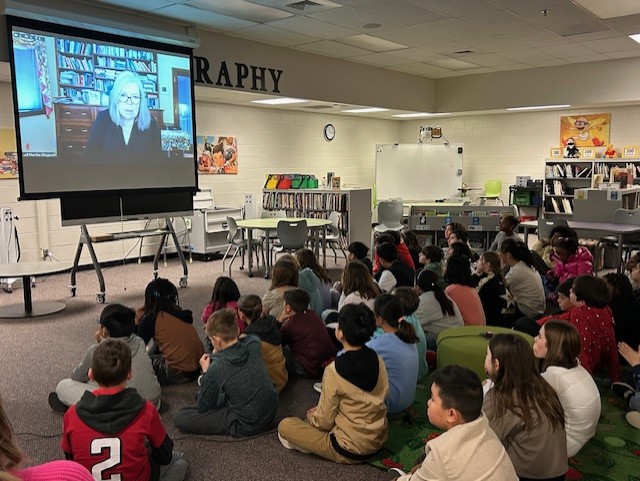
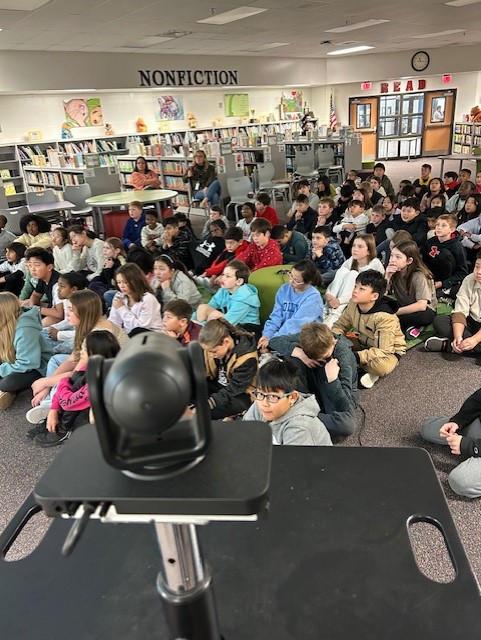
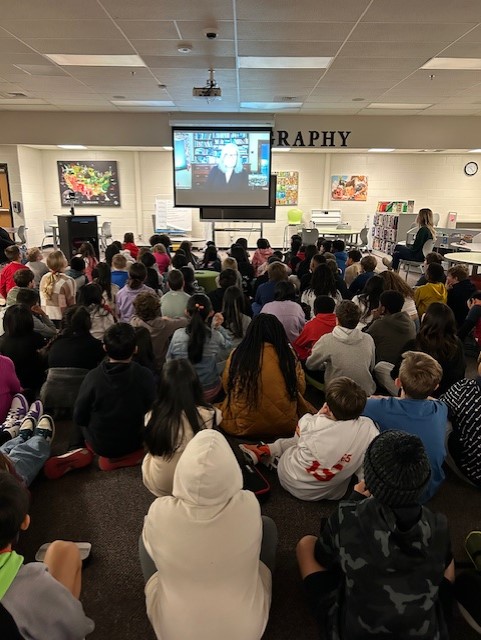
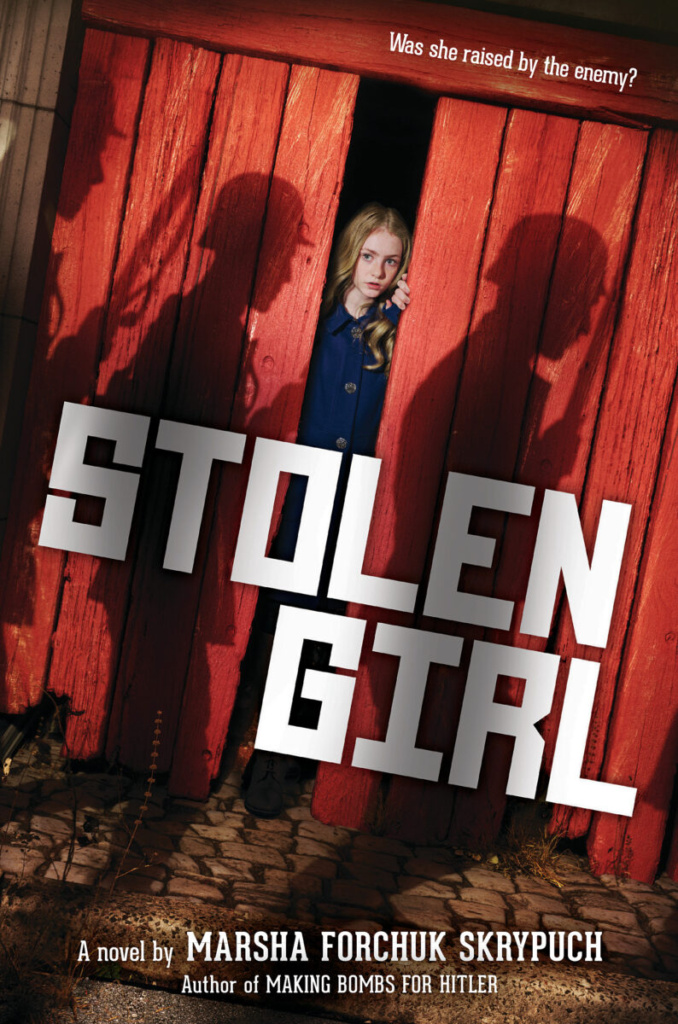
Halyna Kostiuk, Ukrainian teacher extraordinaire at St. Josephat Catholic School in Etobicoke, arranged for me to visit last Thursday with grade 7 and 8 students. They had been reading as a class my novel, Stolen Girl, the Ukrainian version. Many of the students are recent refugees from Ukraine, fleeing Putin’s brutal war.

It was poignant for me to speak with them about the real history behind Stolen Girl — victims of Hitler’s Lebensborn program — the kids who were kidnapped by the Nazis and brainwashed into thinking they were German and placed into German homes. This novel was written to fulfil a promise I made to my mother-in-law before she died. She had lost half of her classmates to the Lebensborn program in WWII and she felt very guilty the rest of her life for surviving while her friends didn’t.

For these students to be able to read this book in their own language is bittersweet, seeing as Putin is now channeling Hitler, and doing his own Lebensborn program, kidnapping Ukrainian children, brainwashing them, and placing them in Russian homes. So much for “never again.”

I cannot post photos of the students for privacy reasons, but here are pics with teachers. On the table that was prepared for me to display my books, note the beautiful orange roses the students presented me with, and the Roshen chocolates — yum! It was a Ukrainian-themed day because after the visit, I dropped by Pelman Perogies factory outlet for a LOT of mushroom potato perogies, then off to Koota Ooma to buy my sister a Christmas present.

I’m Afraid, said the Leaf 4/5

There is a lot to like about this simple picture book. The text is precise and spare and would be particularly appealing to a beginning reader. The illustrations are approachable, and again, this makes it a good choice for a reader who is learning or by one who might feel intimidated by books in English. I also like the reassuring message that all of us are afraid sometimes and all of us feel alone, but there are people and moments and nature to share those moments with. I think this book would be best used in a classroom rather than as a read aloud or bedtime book at home. Why? There wasn’t really a story arc and to me the pages seemed to go on longer than necessary and sort of petered out, rather than come to a culmination. Thanks Tundra, Netgalley for the ARC.

Narwhal’s Sweet Tooth 5/5

Narwhal’s Sweet Tooth will educate its young readers about the importance of dental hygiene while entertaining all the way. Every single page spread in this 80 page graphic novel is chock full of hilarious drawings and word puns, making the underlying message go down quite easily. Kids of all ages will love it. Thanks Tundra and Netgalley for the ARC.

There Are No Ants in This Book 5/5

Everything about this picture book is perfect. I love the child’s stubborn opening attitude and their dislike of ants, and how gradually the ants themselves make them change their mind, while educating the reader about a whole lot of different ants that are out there and how each has a specific role in its community. Anna Pirolli’s illustrations are wonderful and I love Rosemary Mosco’s underlying message of inclusiveness mixed in with the wry fresh humor and ant education. Thank you Tundra Books and Netgalley for the ARC.

The Words We Share 5/5

Immigrant kids learn English more quickly than their parents and so often have to translate for them. This role-reversal can be demeaning for the parent and burdensome for the child, but Jack Wong shows that there’s more to communication than knowing the right words. His illustrations have a graphic novel feel to them and they make the story very approachable. The text is everything that’s needed but no more, making it crisp and clear to read. I love that the father’s words are written both in English and Chinese.

Simple, beautiful, brilliant and universal.