Georgetown Boys

Good to see this info page posted on the Georgetown Ontario site about the Georgetown Boys, who were Armenian orphans rescued by Canadians after the Armenian Genocide. When I wrote Aram’s Choice and Call Me Aram, it took quite a bit of sleuthing to gather the information. Now a lot of it is available online. Nicely done! The Georgetown boys were brought to Canada on July 1, 1923 and they represent Canada’s first international humanitarian effort. An all too timely piece of history, alas.

Marsha the extrovert

People who meet me tend not to realize that I am an extreme introvert. I am good at building characters though, and one that has proven very useful is Marsha the extrovert. I have been mostly hunkered down at home writing, writing, writing, but I crunched together 7 presentations over the last three days and so got a chance to air out Marsha the extrovert.

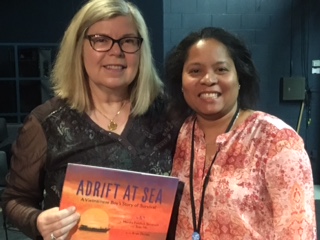
Monday morning’s presentation was at the Palmerston branch of the Toronto Public Library, organized by Rachelle Gooden who is a TPL Adult Literacy Senior Services Specialist. I spoke about Adrift at Sea, which was shortlisted for the Golden Oak Award. It was an awesome event!

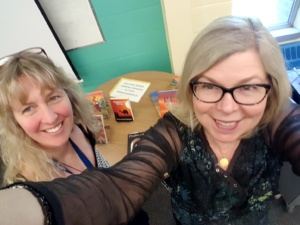
Me with Rachelle Gooden

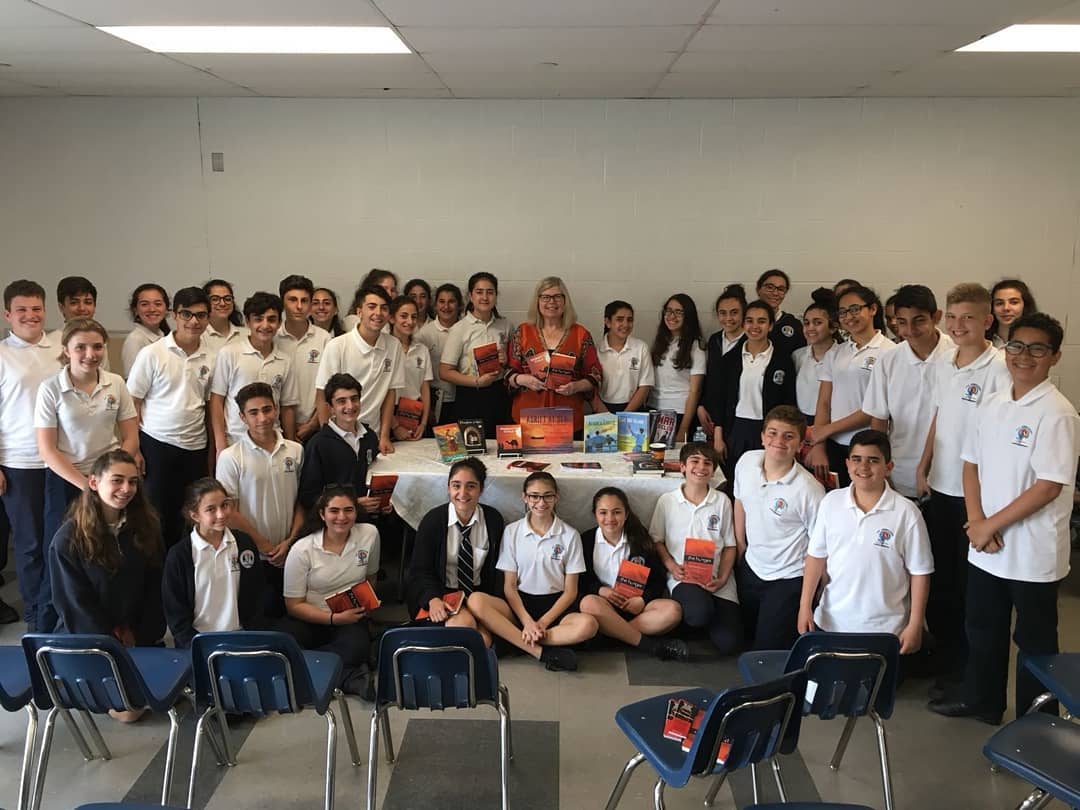
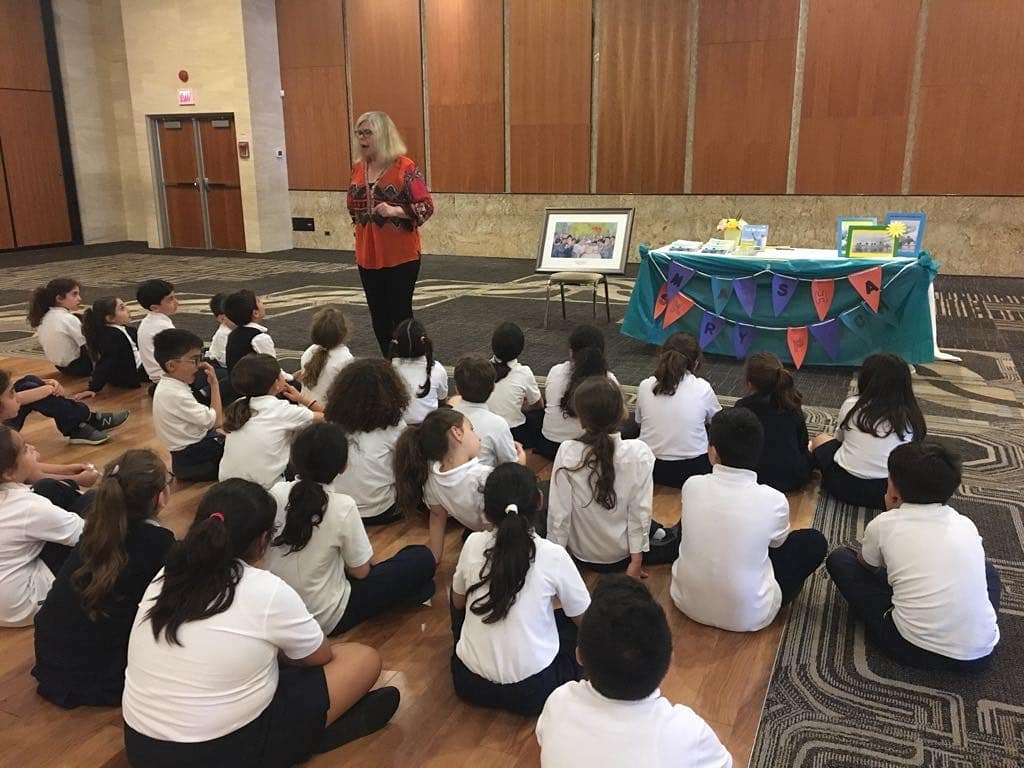
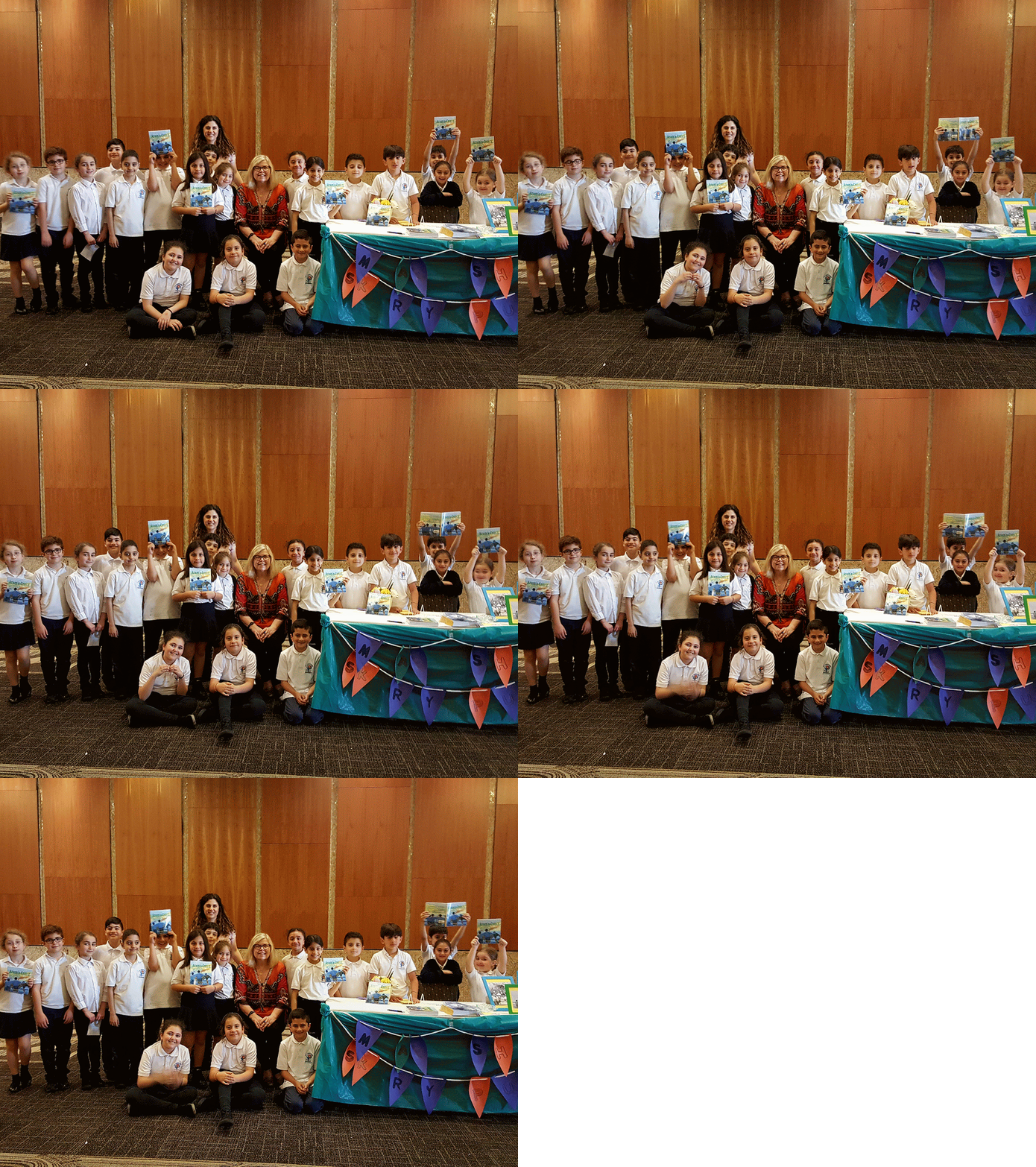
On Tuesday afternoon, I drove back to the GTA, this time to the ARS Armenian School in North York.

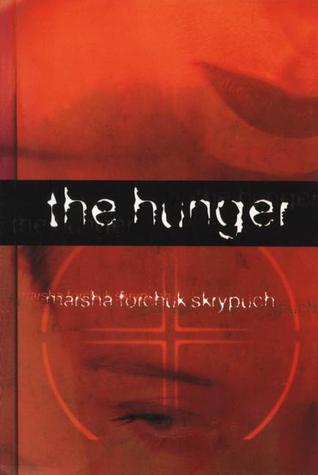
hunger

First I had the honour of speaking to the grade 8 students about my very first novel, The Hunger, published in 1999. An interesting experience, considering these students weren’t even born yet. It was so neat to answer their superb questions and to realize how well this novel has stood the test of time.


Next I spoke to the grade threes about Aram’s Choice and Call Me Aram. So neat!!

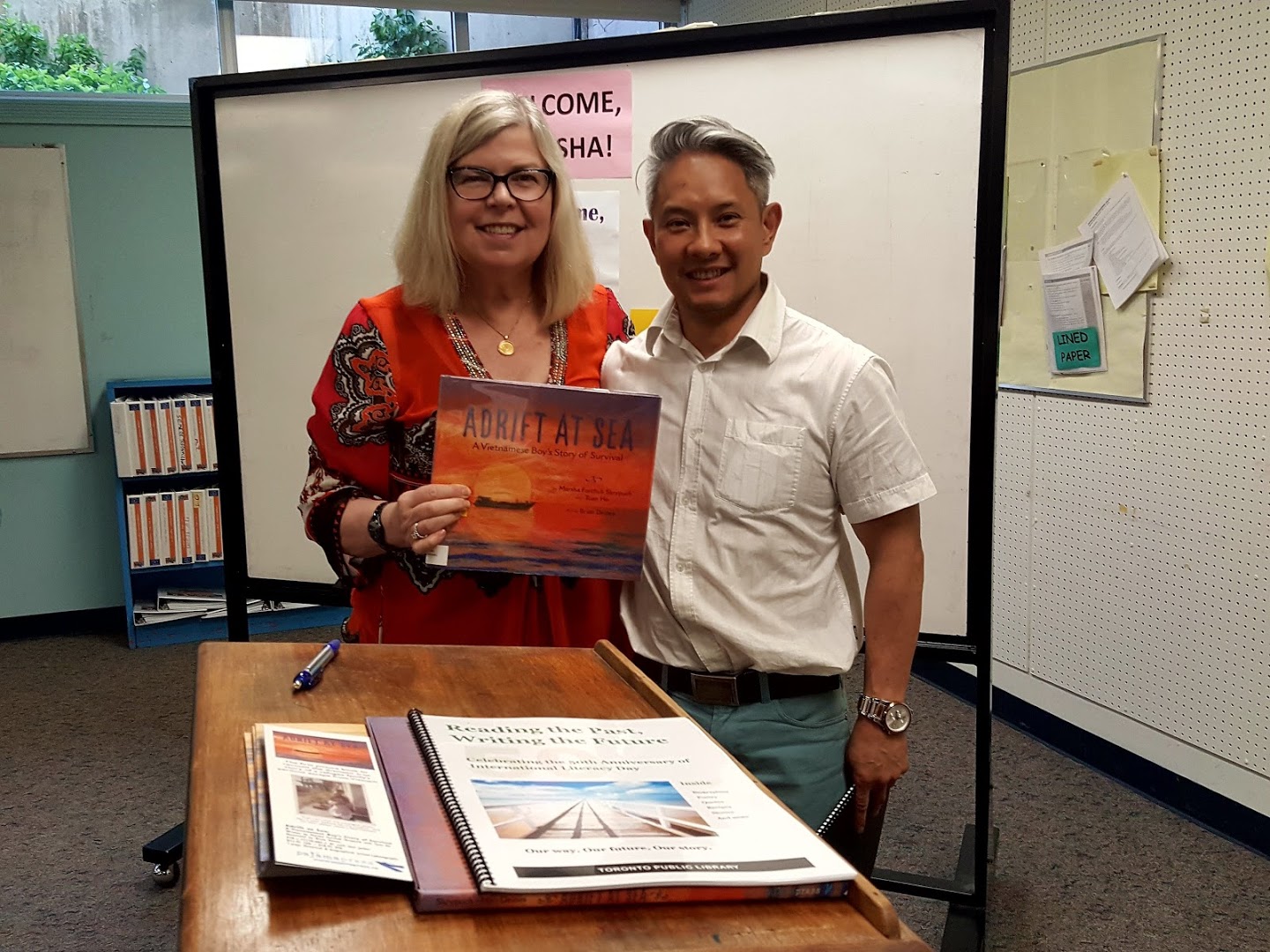
On Tuesday night, I spoke to another Golden Oak group, this time at Downsview Library. And this time, Tuan came too. Such a moving experience.

On Wednesday, I spent most of the day at Birchmount CI, with the wonderful Julia Zwaan and grade 10 history students. My presentation was about the real people behind my books.

So now Marsha the Extrovert retires for a bit and the real Marsha, the introvert hunkering down and writing yet another book, takes over.

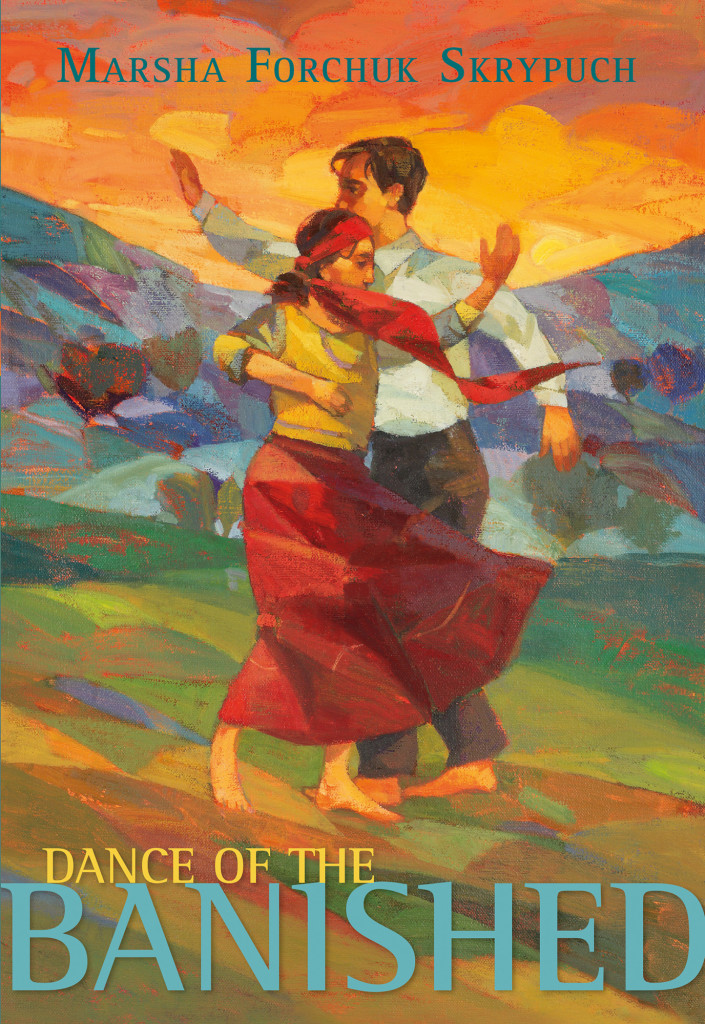
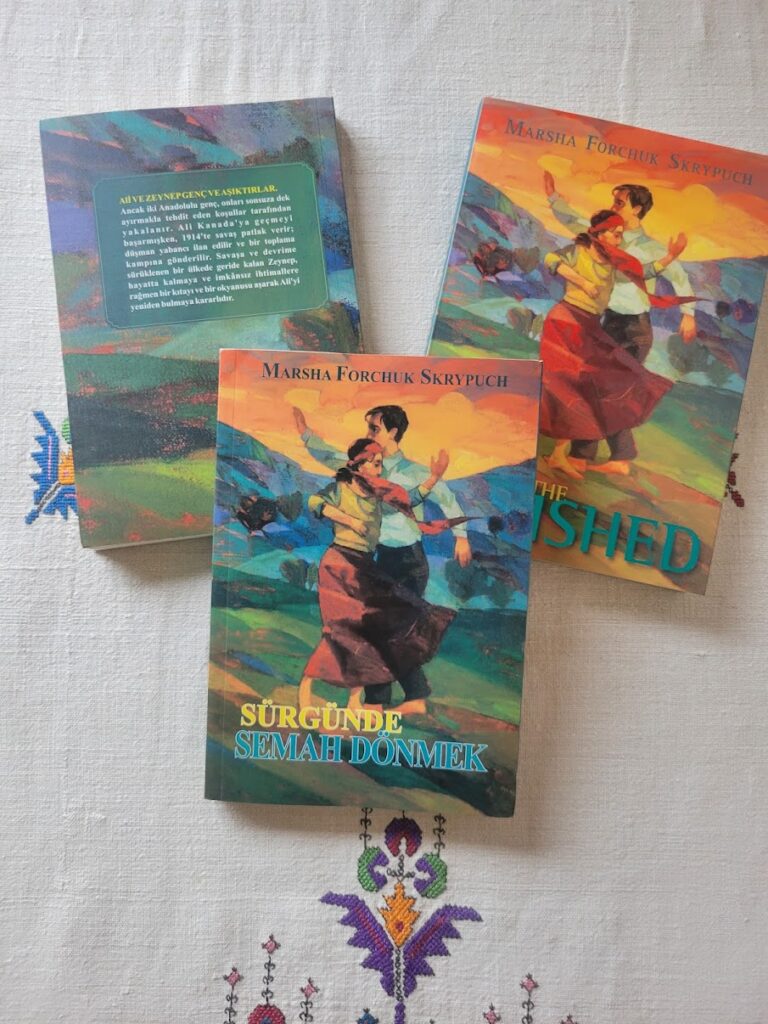
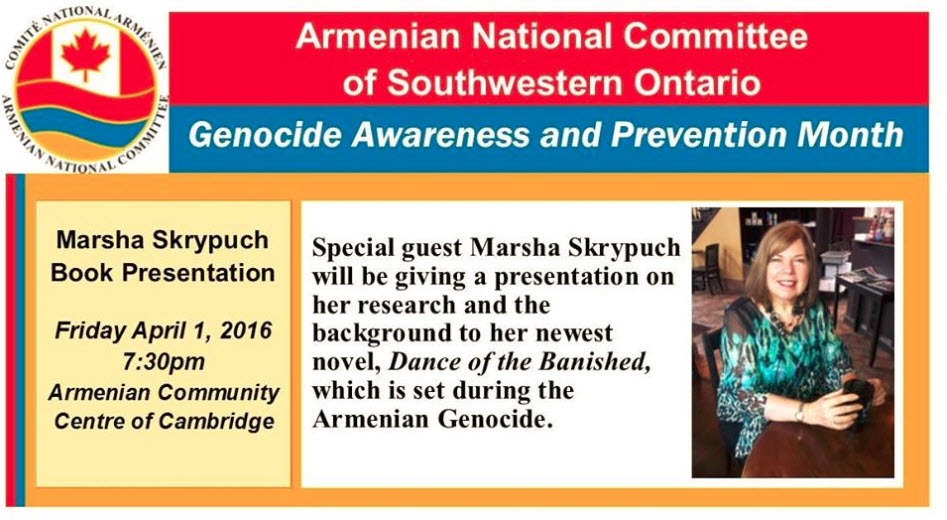
Dance of the Banished

Based on true events, a compelling story of love and hope published on the 100th anniversary of World War I.

Ali and his fiancée Zeynep dream about leaving their home in Anatolia and building a new life together in Canada. But their homeland is controlled by the Turkish government, which is on the brink of war with Britain and Russia. And although Ali finds passage to Canada to work, he is forced to leave Zeynep behind until he can earn enough to bring her out to join him.

When the First World War breaks out and Canada joins Britain, Ali is declared an enemy alien. Unable to convince his captors that he is a refugee from an oppressive regime, he is thrown in an internment camp where he must count himself lucky to have a roof over his head and food to eat.

Meanwhile, Zeynep is a horrified witness to the suffering of her Christian Armenian neighbours under the Young Turk revolutionary forces. Caught in a country that is destroying its own people, she is determined to save a precious few. But if her plan succeeds, will Zeynep still find a way to cross the ocean to search out Ali? And if she does, will he still be waiting for her?
Continue reading “Dance of the Banished”

Dance of the Banished BookDragon review

DanceOfTheBanished_HR_RGB1This review made my day!

The year is 1913. Zeynap and Ali are teenage lovers in Anatolia (once Asia Minor, now modern Turkey) who part with a lingering sense of bitterness: Ali’s impending departure breaks their promise of escaping their village together. Feeling betrayed, Zeynap turns away: “I refuse to be your betrothed, never knowing when, or even if, you’ll come back.”

Ali will not give up hope of reunion: before he leaves, Ali presents Zeynap with identical journals: “While we are apart, keep this journal for me and I’ll write in the other for you … That way, we will still be together.” In return, Zeynap places her blue evil-eye bead over his head, a cherished momentum that has kept her safe since she was a baby. “I’ll always love you, but I will not wait for you,” she adds.

The Great War arrives in 1914, further separating the lovers. In Canada, Ali is sent to a prison camp for enemy aliens; Canada and Turkey are on opposite sides of the conflagration, and Anatolia is claimed by Turkey. At home in Anatolia, Zeynap bears witnesses to the genocide that obliterates over a million Armenian lives; her humanity and ingenuity make her an unlikely hero; her journal intended for Ali becomes a historical document of international importance.

Although the story is fictional, “it is based on real historical events,” award-winning Canadian author Marsha Forchuk Skrypuch writes in her ending “Author’s Note.” What happens to the lovers, their families, their homeland, demands and deserves far more attention. Both Zeynap and Ali are Alevi Kurds, an ethnic minority about which is little known in the West. They are Kurdish, not Turkish; they are not Muslim, they are Alevi, “a 6,000 year-old religion that originated in Anatolia. Over the centuries Alevism has incorporated aspects of other religions,” Skrypuch explains.

Already the author of five titles “set during the Armenian Genocide,” Skrypuch elucidates how “in all that writing and research, [she] completely missed an outstanding instance of bravery: the rescue of 40,000 Armenians by the Alevi Kurds of the Dersim Mountains.” Five years earlier, Skrypuch learned about a hundred “enemy aliens” living in her hometown of Brantford, Ontario, who were rounded up in the middle of the night on false charges, jailed, and sent to prison camps.

“These men were victims of shameful wartime hysteria directed at foreigners, yet they had come to Canada because of its reputation for freedom and tolerance.” Listed as Turkish, the men turned out to be Alevi Kurds. And so Skrypuch’s Dance began. The result is an eye-opening, significant literary and historical gift to readers, young and old.
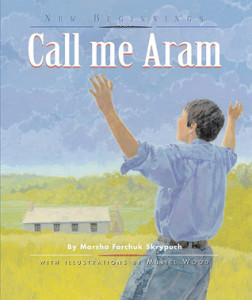
Call Me Aram

Call Me Aram
Call Me Aram

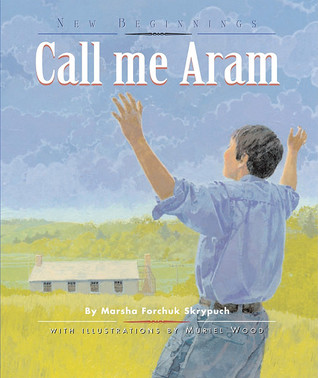
From the New Beginnings series, comes Call Me Aram, the sequel to Aram’s Choice. Aram Davidian, like his fellow orphaned Armenian refugees, is delighted with his new home on a farm in Georgetown, Ontario. But despite the excitement his new surroundings, Aram worries about his young friend Mgerdich, who was injured on the long trip to Canada and is recovering in France. And what is more worrying is that he and the other boys have been assigned new English names. How will their extended families find them one day if all the boys have new identities? Even when their translator assures them that their hosts want only the best for the boys, Aram cannot accept the name David Adams. When Mgerdich finally arrives at the farm, a relieved Aram finds the courage to lead the boys in a gentle revolt. Together, they must find a way to convince the Canadian adults that the boys, as grateful as they are for their new lives, cannot forget their old ones. Theymust keep their names.

Every incident in Call Me Aram is based on real events from the lives of the Georgetown Boys — from the boys’ reaction to porridge and cameras and weekly showers to their revolt to get their own names back. Marsha spent hundreds of hours listening to taped interviews of the original Georgetown Boys in order to glean these snippets of truth.
Continue reading “Call Me Aram”

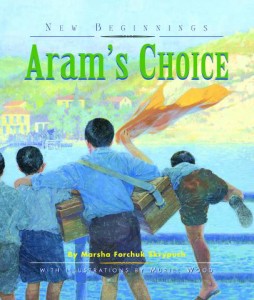
Aram’s Choice

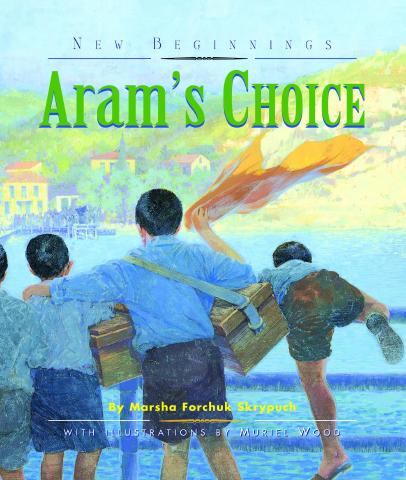
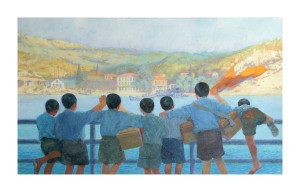
From the New Beginnings series, comes Aram’s Choice, a story that follows the life of a boy who loses his family in the Armenian genocide in Turkey and is exiled in Greece. The book follows Aram while he travels to Canada with forty-seven other Armenian boys in what was Canada’s first international humanitarian effort.

Marsha Forchuk Skrypuch first heard about the Armenian Genocide seventeen years ago while doing research for a magazine article about the first “Georgetown Boys” — a group of 47 Armenian orphans who were rescued by Canada in 1923 and were housed and schooled at a farm in Georgetown, Ontario.

After interviewing the son of a “Georgetown Boy,” Marsha was left with more questions than answers. For example, why were all of the rescued orphans male? Why were they all between the ages of eight and twelve? What happened to their parents? What happened to their sisters?

After years of research, Marsha was able to write Aram’s Choice. Based on true events, this book gives children a chance to learn about effects of genocide through one that the Turkish government has long denied ever happened.

Marsha Forchuk Skrypuch is the author of many books for children, including Silver Threads and Enough as well as her YA novels, The Hunger and Nobody’s Child, which was nominated for the Red Maple Award, the Alberta Rocky Mountain Book Award, and the B.C. Stellar Award.

Muriel Wood has been illustrating books for children since 1964, including the Canadian classic, The Olden Days Coat written by Margaret Laurence. Other books that she has illustrated include Old Bird, and the first two titles from the New Beginnings series, Lizzie’s Storm and Scared Sarah.
Continue reading “Aram’s Choice”

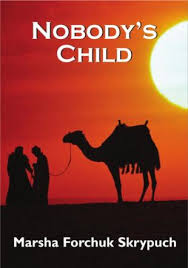
Nobody’s Child

nobodyOrphaned by the Adana massacre in 1909, Mariam and her siblings, together with their friend Kevork and his aunt, travel home to Marash hoping to find their remaining family still alive. Six years later, when the teens face deportation from Turkey, they are torn apart despite their best efforts to stay together. One thing sustains them throughout their horrifying ordeals — the hope that they might one day be reunited.

A sequel to the highly successful The Hunger, Nobody’s Child is a stirring and engaging story set during the Armenian Genocide, one of the twentieth century’s most significant events.
Continue reading “Nobody’s Child”