Dance of the Banished

Based on true events, a compelling story of love and hope published on the 100th anniversary of World War I.
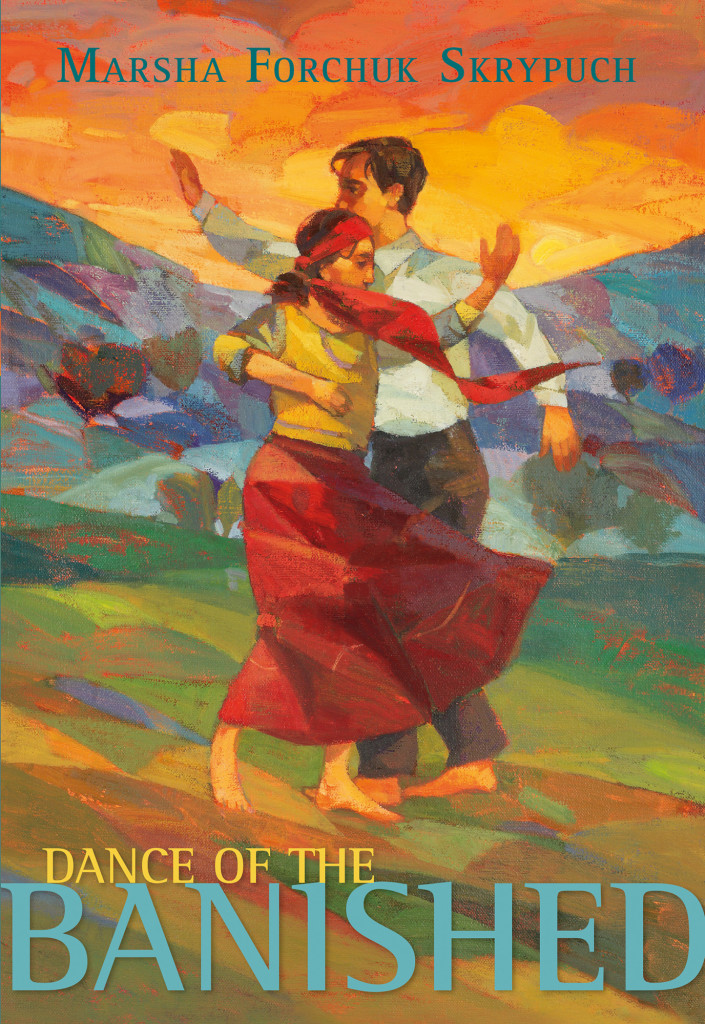
Ali and his fiancée Zeynep dream about leaving their home in Anatolia and building a new life together in Canada. But their homeland is controlled by the Turkish government, which is on the brink of war with Britain and Russia. And although Ali finds passage to Canada to work, he is forced to leave Zeynep behind until he can earn enough to bring her out to join him.

When the First World War breaks out and Canada joins Britain, Ali is declared an enemy alien. Unable to convince his captors that he is a refugee from an oppressive regime, he is thrown in an internment camp where he must count himself lucky to have a roof over his head and food to eat.

Meanwhile, Zeynep is a horrified witness to the suffering of her Christian Armenian neighbours under the Young Turk revolutionary forces. Caught in a country that is destroying its own people, she is determined to save a precious few. But if her plan succeeds, will Zeynep still find a way to cross the ocean to search out Ali? And if she does, will he still be waiting for her?
Continue reading “Dance of the Banished”

Dance of the Banished selected for The White Raven 2015!

I am THRILLED that Dance of the Banished is one of three Canadian books selected for this prestigious list of 200 international books.

#WRlist2015

Here’s more:

A Selection of International Children’s and Youth Literature

English / Canada

Dance of the banished

Skrypuch, Marsha Forchuk (text)
Toronto, Ontario: Pajama Press, 2014. –
231 p.
ISBN 978-1-927485-65-1

World War I – Canada – Internment camp – Alevi Kurds – Armenian Genocide – Refugee – Fictitious diary

Renowned Ukrainian-Canadian author Marsha Forchuk Skrypuch has written a number of books about Canadian internment camps. Her latest YA novel again returns to this little-known topic. Set in Anatolia and Canada from 1913 to 1917, the story follows a teenage couple who are forced to go their separate ways until they are finally reunited years later. At the beginning of World War I, Ali seizes the opportunity to seek work in Canada, but is soon thrown into an internment camp for Enemy Aliens. Zeynep is left behind in their Anatolian home village, where Christian Armenians and Alevi Kurds – both minority groups within the Ottoman Empire – live peacefully side by side. When the country is shaken by revolution and war, the young Alevi girl is determined to do her utmost to save her friends from the Armenian Genocide. Told in diary form and letters from two points of view, this story recounts the horrors of World War I, but also documents people’s great compassion and courage in dangerous times. (Age: 14+)


The Georgetown Boys

georgetown

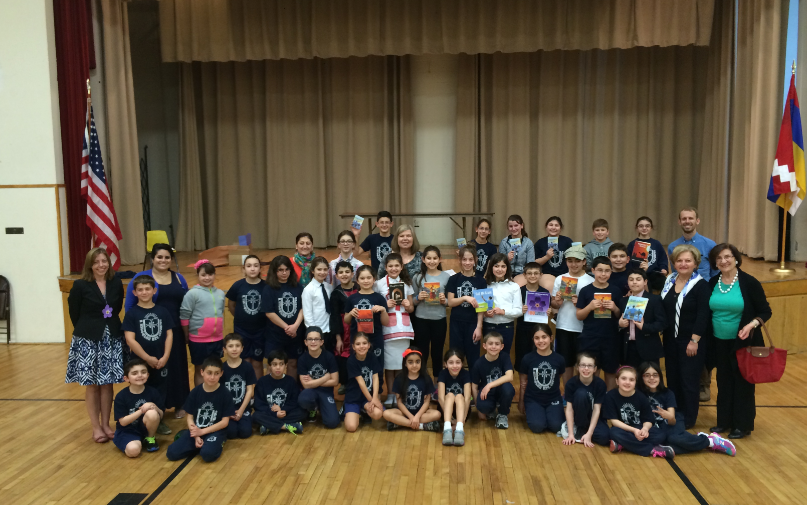
A moving experience in Georgetown Ontario with Armenian students bussed in from all over. As I sat on a picnic table and watched these very young children playing in the trees and chasing after each other with shouts of joy I couldn’t help but think of those first orphaned little boys who came in 1923, in what became known as Canada’s Noble Experiment — ie — Canada’s first international relief effort.


Georgetown 25 April 2015-page-001


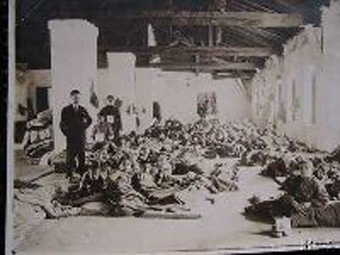
Thousands of children had been orphaned during the Armenian Genocide. By 1923, many had taken refuge in Corfu, in caves, on beaches, in old abandoned barracks.

Armenian orphans Feb.23

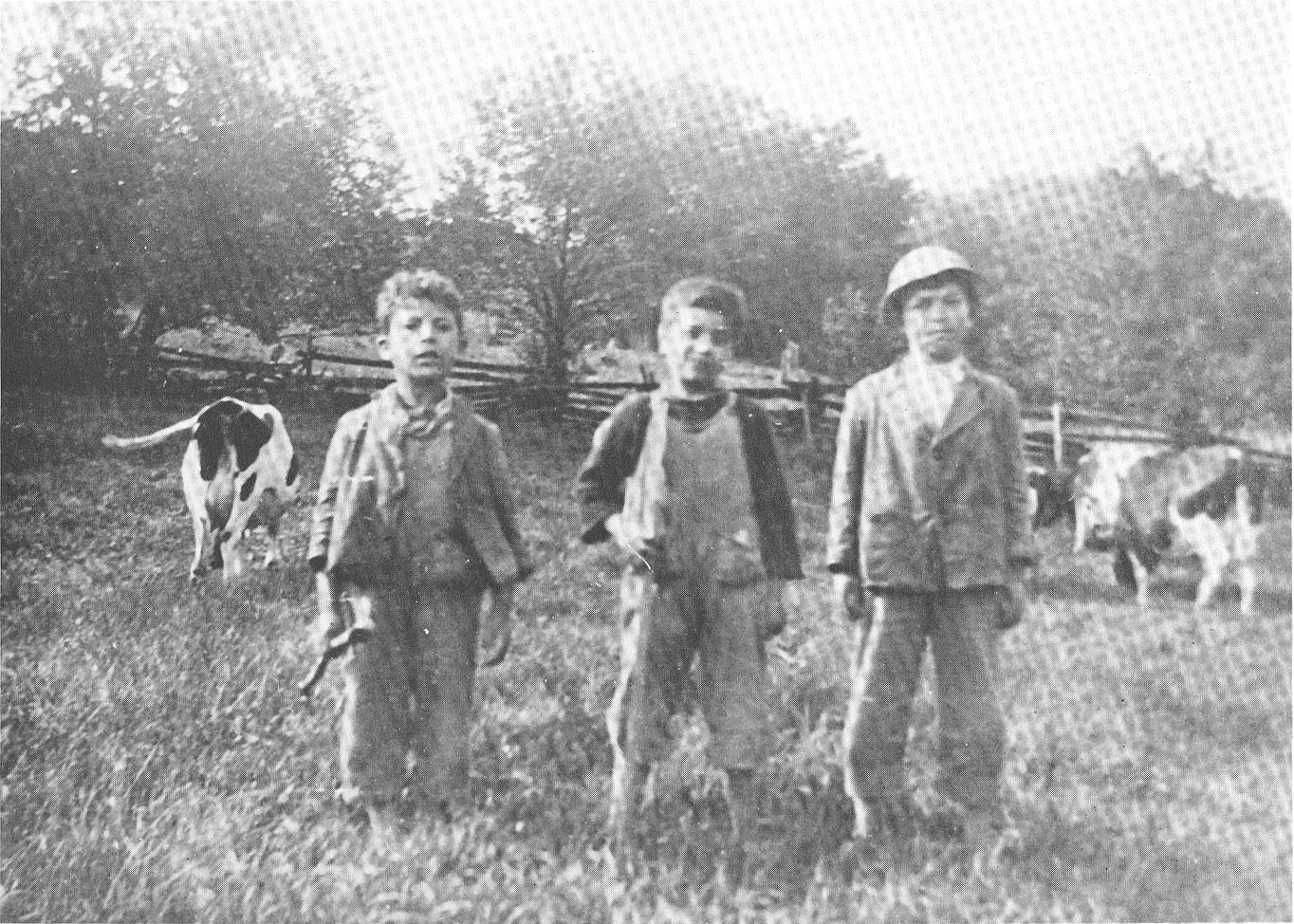
109 boys got a chance to start a new life in Canada. They left behind grandmothers and sisters and younger brothers, but they never forgot who they were.

Aram's Choice
Cover image by Muriel Wood for Aram’s Choice by Marsha Forchuk Skrypuch

It was heartening to see hundreds of Armenian Canadian children and their families coming together in Georgetown today, to remember those first little boys, and more importantly, to remember those who didn’t survive. One hundred years ago the Turkish government tried to obliterate Armenians, their culture, their blood. They killed 1.5 million Armenians, but the nation and memory lives and thrives worldwide.

It was an honour to be one of the speakers at this commemorative event. I will never forget.

april25


Goodbye, Antoura

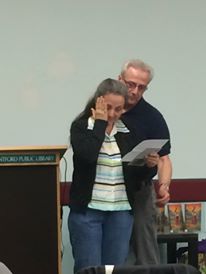
After my presentation at the Watertown MA Public Library last week, I was honoured to be presented with a copy of Karnig Panian’s memoir about his time as a child genocide survivor who is taken to the Orphanage of Antoura in Lebanon where the administrators tried to Turkify him. Panian’s daughter, Houry Panian Boyamian, wrote the acknowledgements. This photo shows Houry and I together. She is inscribing her very first autographed copy. Here is more information on this important memoir.

houri

Writing YA books about the Armenian Genocide

Interview with Marsha Forchuk Skrypuch: Dance of the Banished and the Armenian Genocide

Posted on April 23rd, 2015 by pajamapress

On April 24, 2015, Armenians around the world will mark the 100th anniversary of the Armenian Genocide, a systematic campaign by Turkish leaders in the Ottoman Empire to remove the empire’s Christian Armenian population. As evidenced by recent headlines, the subject is controversial today because the Turkish government denies that these deportations and killings can be labelled “genocide.” Continue reading “Writing YA books about the Armenian Genocide”

April 21: Worldwide Reading in commemoration of the Armenian Genocide

It poured rain and there was even some hail as I lugged my books plus a large object in a garbage bag into the Brantford Public Library. As I was drying out and setting up, Sharon Gashgarian also came in with a mystery object wrapped in plastic. Paula Thomlison, librarian extraordinaire, got us each an easel and we propped up our items, then hid them behind babushkas.

marshaap21

People began to come in, from Brantford, Cambridge, Burlington, Toronto … Soon, Paula had to get more chairs. It is a lovely thing when a presentation needs more chairs.

This presentation was to commemorate those writers who had been killed for speaking out about the Armenian Genocide. It was happening on April 21 all over the world. In Canada, the Montreal Armenian community was presenting at the exact same time as I was.

I read the passage from Dance of the Banished when 800 prominent Armenians were loaded into oxcarts used for garbage and taken out of Harput. Hours later, the oxcarts came back, bloodied and empty.

libraryap21

I then read an excerpt from a Danish missionary’s memoir recounting the eye-witness testimony of one man who escaped that massacre and made it back to the mission. After the reading, Victoria Bailey asked if I could show her the book that I had just read from. It turned out that one of her own ancestors had been given refuge at that Danish missionary’s orphanage, the Bird’s Nest. It was an emotional connection.


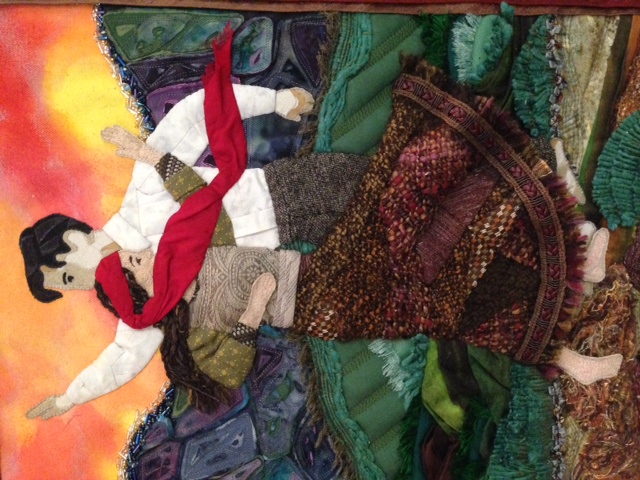
Next, I turned the floor over to Sharon Gashgarian, who, with much emotion, spoke of how she was affected by the painting that graces the cover of Dance of the Banished.


With permission from both me and the artist, Pascal Milelli, Sharon created a fabric artwork inspired by Pascal’s art. I unveiled his original and she unveiled her fabric art. Hers also included an inscription of “I remember” in Armenian, Ukrainian, English and French.

library21


friends2ap21The library is displaying Sharon’s beautiful art piece in their window for the rest of April in commemoration of the 100th anniversary of the Armenian Genocide. Within the window too, are some of my books an also other books about the Armenian Genocide.

A moving evening for very many reasons.


Talking about Genocide with very young children

I was honoured to present at St Stephen’s Armenian Elementary School in Watertown MA last week. Before speaking to the older students, I dropped in on the very youngest. How do you talk about genocide with the very young? And especially how do you do that about a genocide in which their own ancestors had died? Gently, and not directly.

With my chapter books, Aram’s Choice and Call Me Aram, I spoke about the fact of these first 50 orphaned Armenian boys and their journey half way around the world to Canada and Georgetown Ontario. How and why they were orphaned wasn’t part of the conversation. Instead, we concentrated on what it would be like to be one of 50 very young children traveling across the world with just one adult teacher. In increments, they will learn the rest.

Capture9


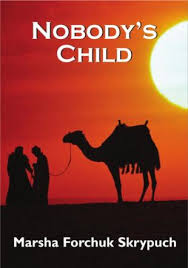
Nobody’s Child

nobodyOrphaned by the Adana massacre in 1909, Mariam and her siblings, together with their friend Kevork and his aunt, travel home to Marash hoping to find their remaining family still alive. Six years later, when the teens face deportation from Turkey, they are torn apart despite their best efforts to stay together. One thing sustains them throughout their horrifying ordeals — the hope that they might one day be reunited.

A sequel to the highly successful The Hunger, Nobody’s Child is a stirring and engaging story set during the Armenian Genocide, one of the twentieth century’s most significant events.
Continue reading “Nobody’s Child”