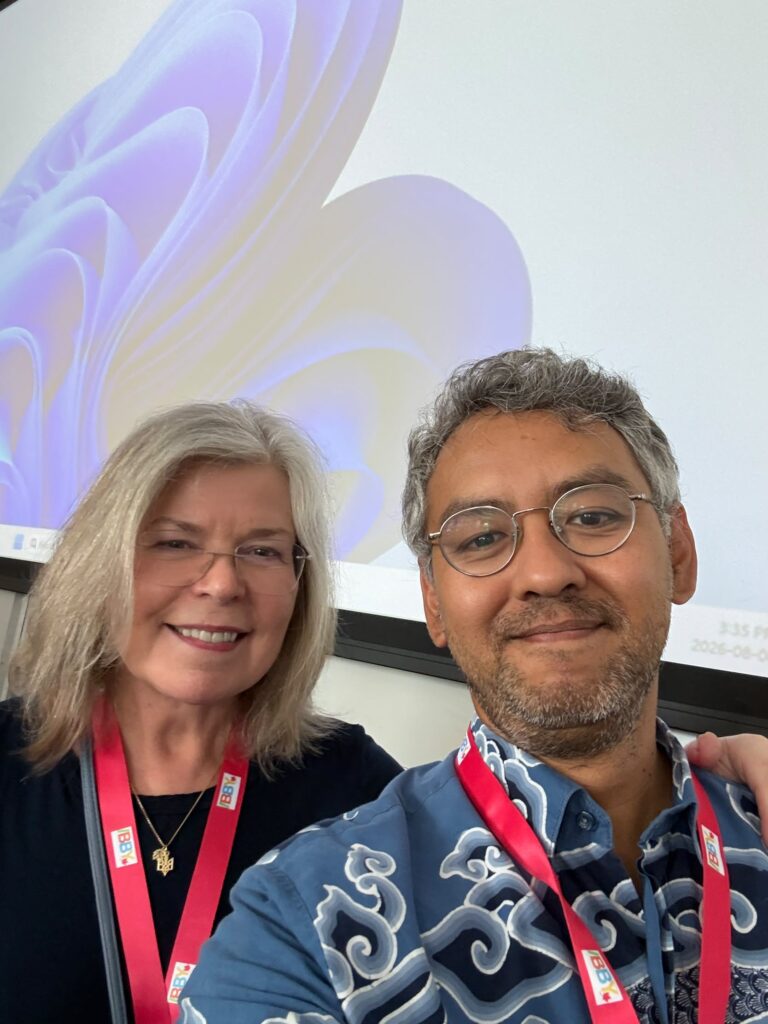
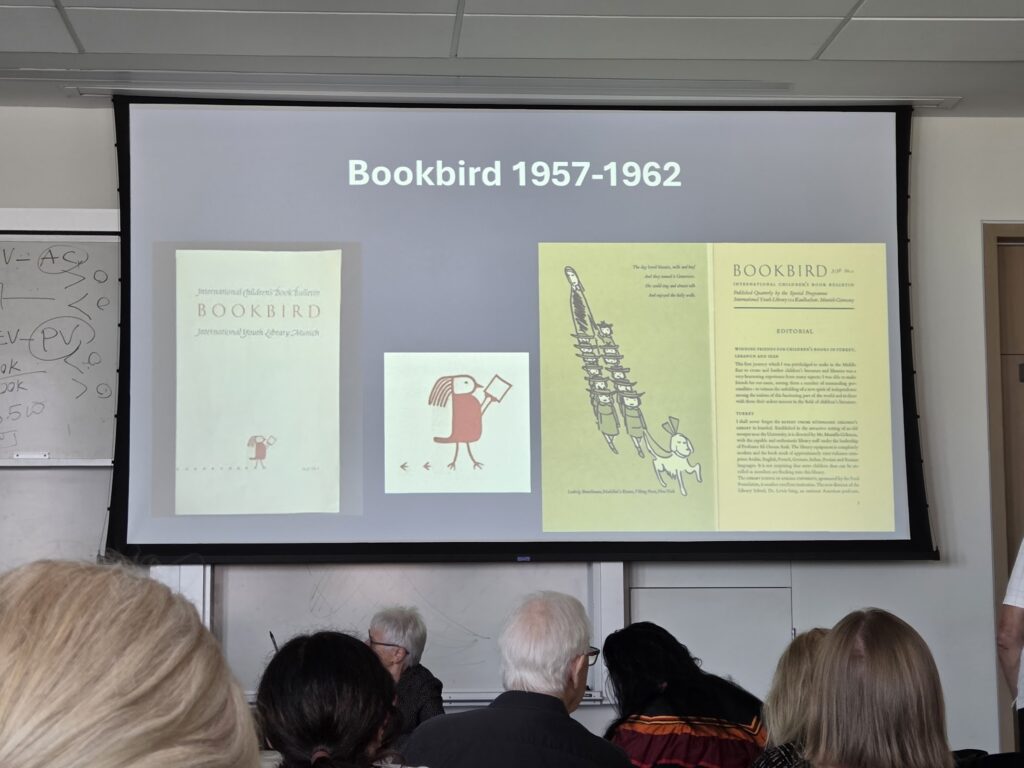
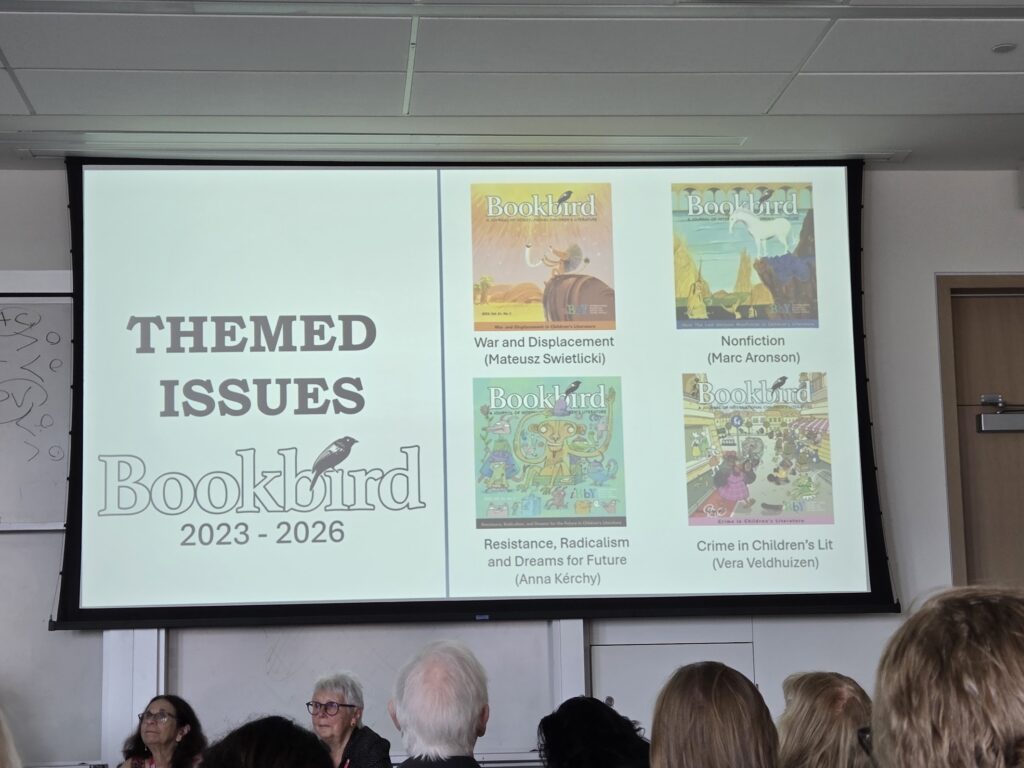
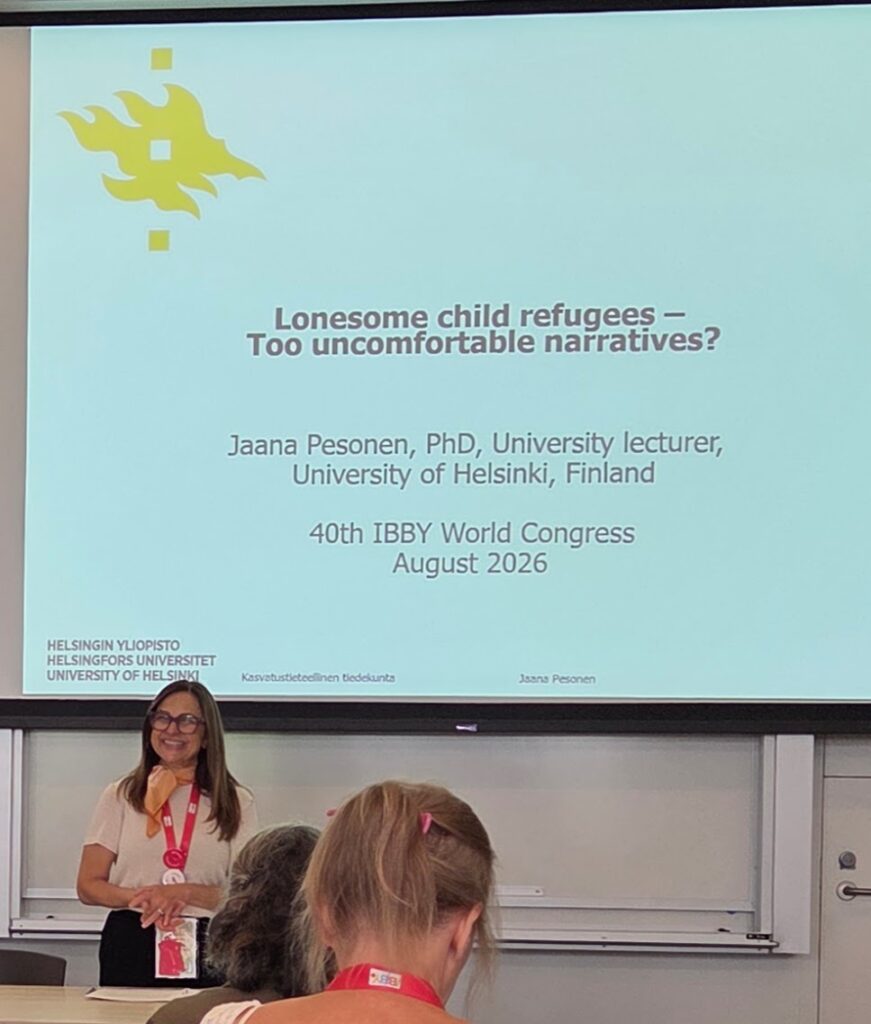
I very much enjoyed listening to the session about Bookbird through the decades. This journal publishes reviewed academic articles on children’s literature with an international perspective.
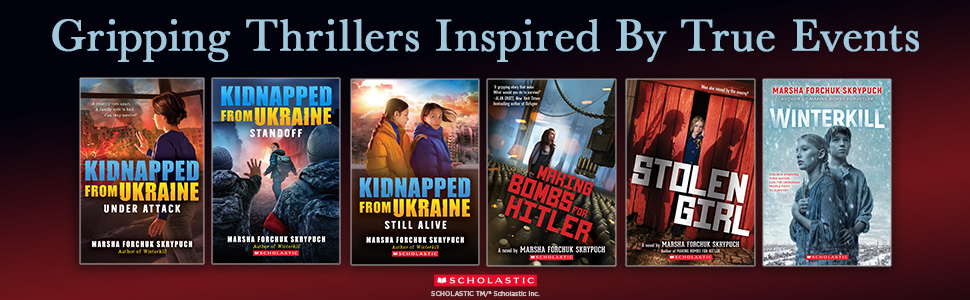
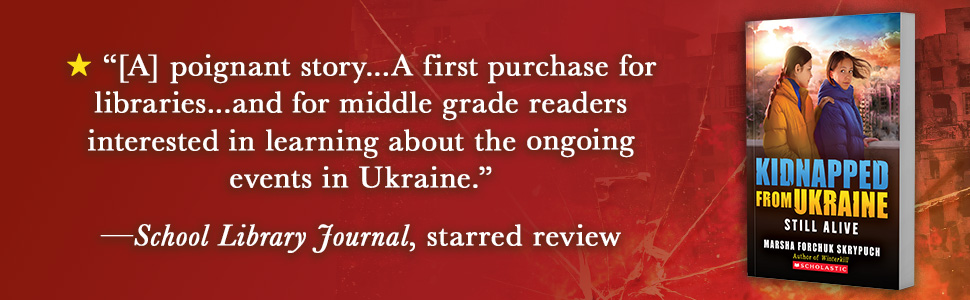
writes about war from a young person's view #bannedbyrussia
I very much enjoyed listening to the session about Bookbird through the decades. This journal publishes reviewed academic articles on children’s literature with an international perspective.
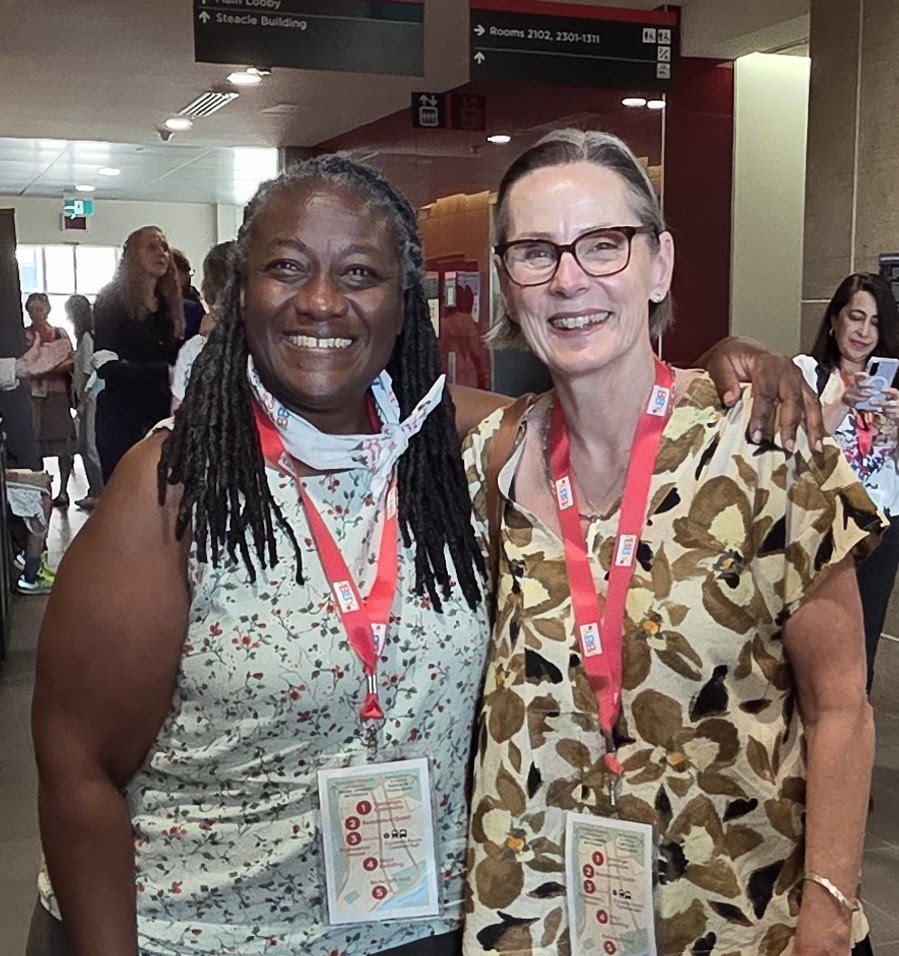
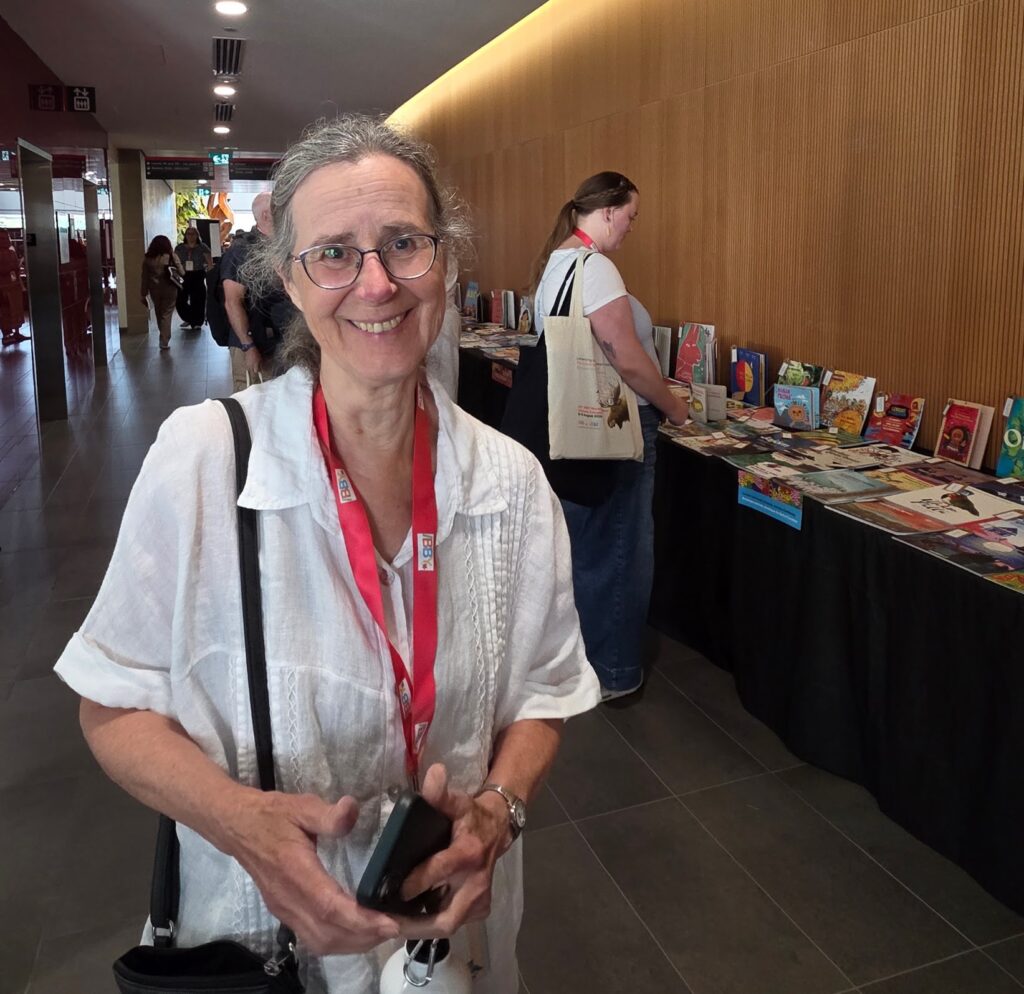
It was also great to catch up with Margriet Ruurs, Deborah Ellis, Julien Chung — but alas no pics!
I’m still in the midst of processing the jam-packed days of IBBY World Congress in Ottawa last week at Carleton University. I wish I could have cloned myself in order to attend more sessions. I came in on my own and stayed on campus. From the wealth of topics, I concentrated on those about children in war, refugees and immigration and it was fascinating to listen to so many perspectives and experiences from around the world.
Even though I am an extreme introvert by nature, I made a point of sitting beside a person I didn’t know over meals, at the lectures, during breaks, and I’m really glad that I did this because I met so many people who were involved in different facets of children’s literature, and from so many countries!
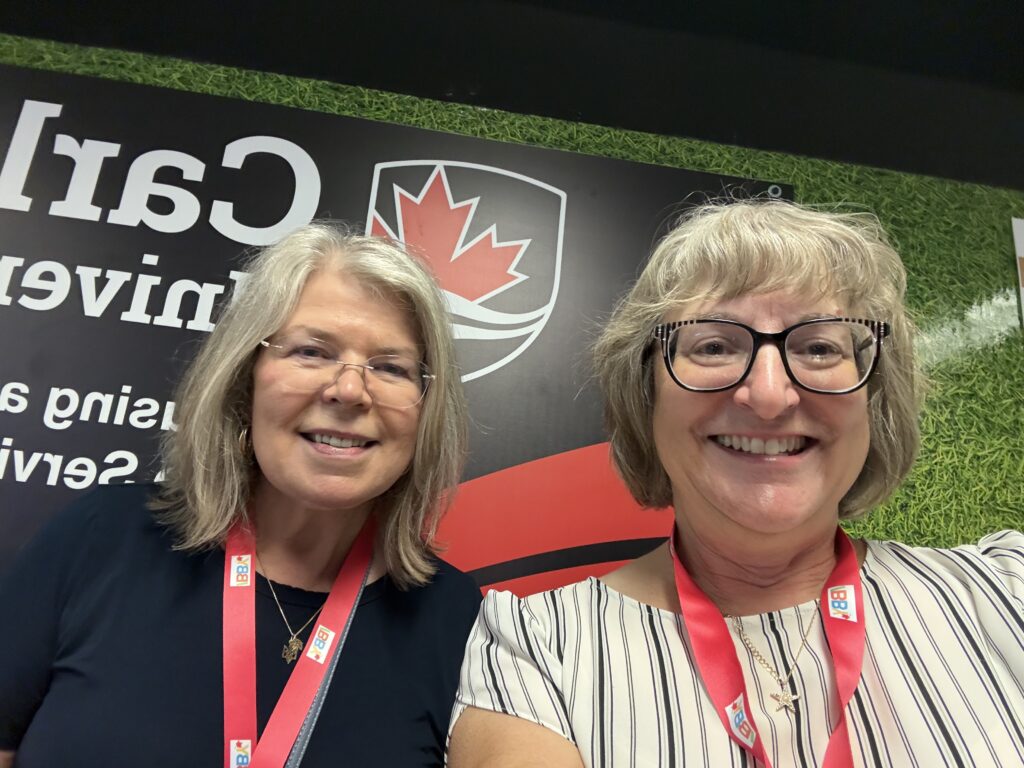
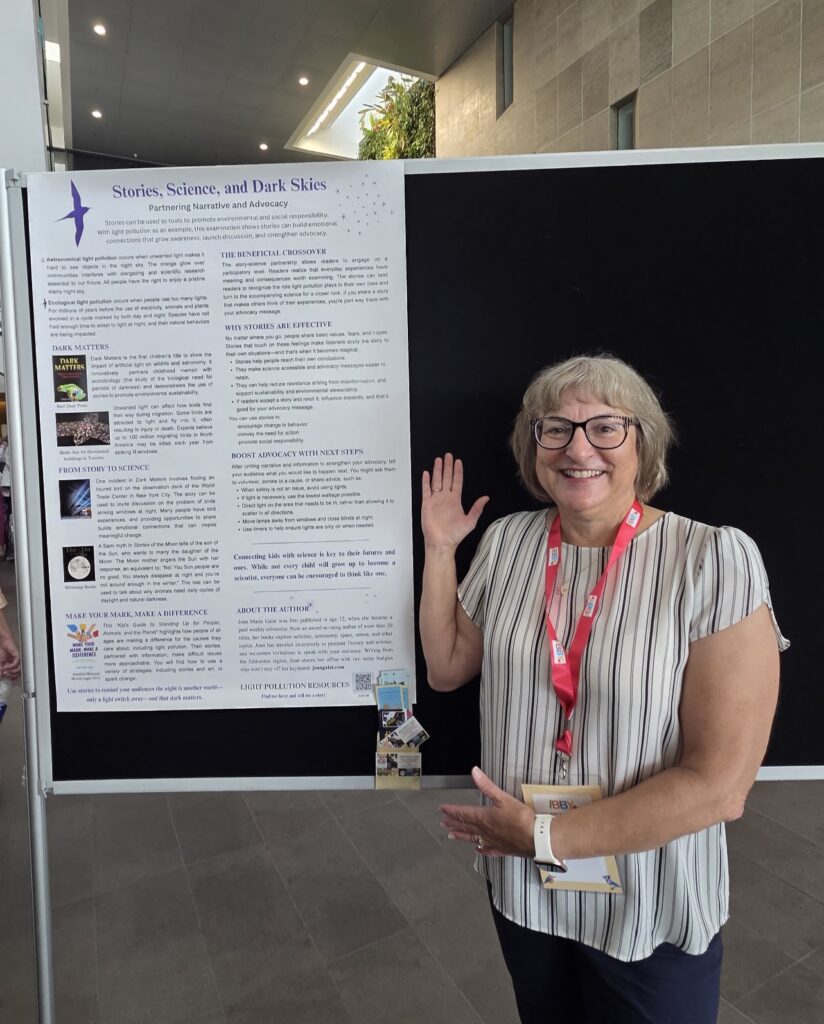
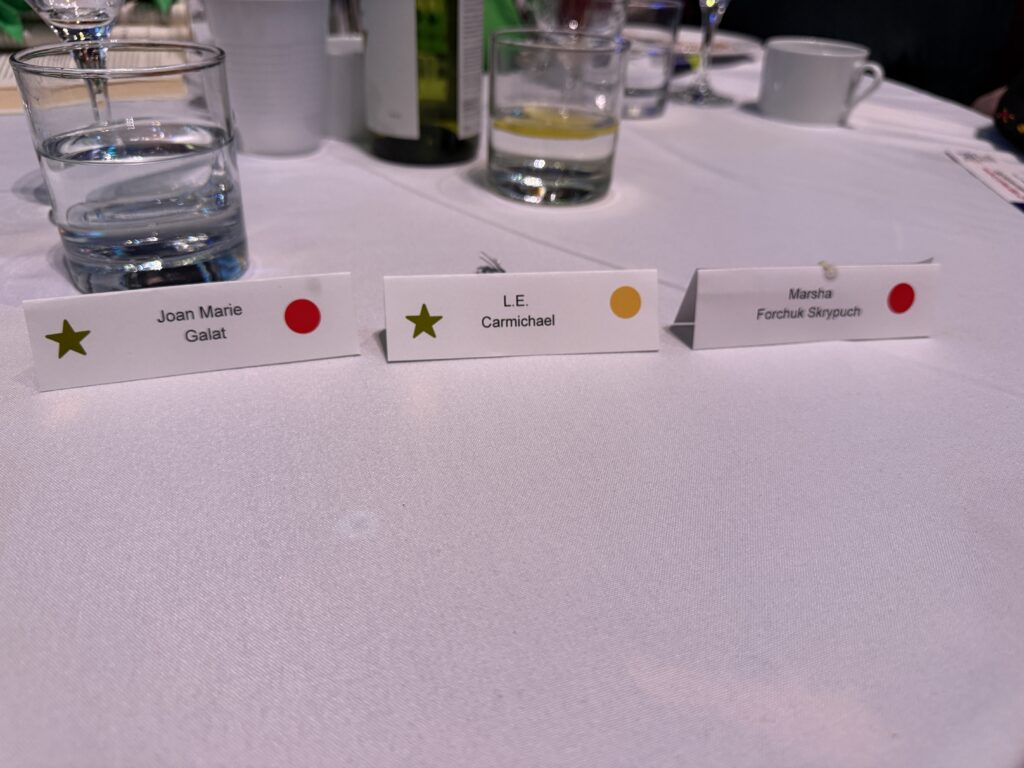
I also had the opportunity to visit in person with a number of my Canadian children’s book friends, particularly Joan Marie Galat and Lindsey Carmichael.
The last time I saw Joan in person was about twenty years ago, yet we recognized each other from across a packed room, and it was as if no time had passed at all! She was doing a poster session on Stories, Science and Dark Skies, and here’s a pic!
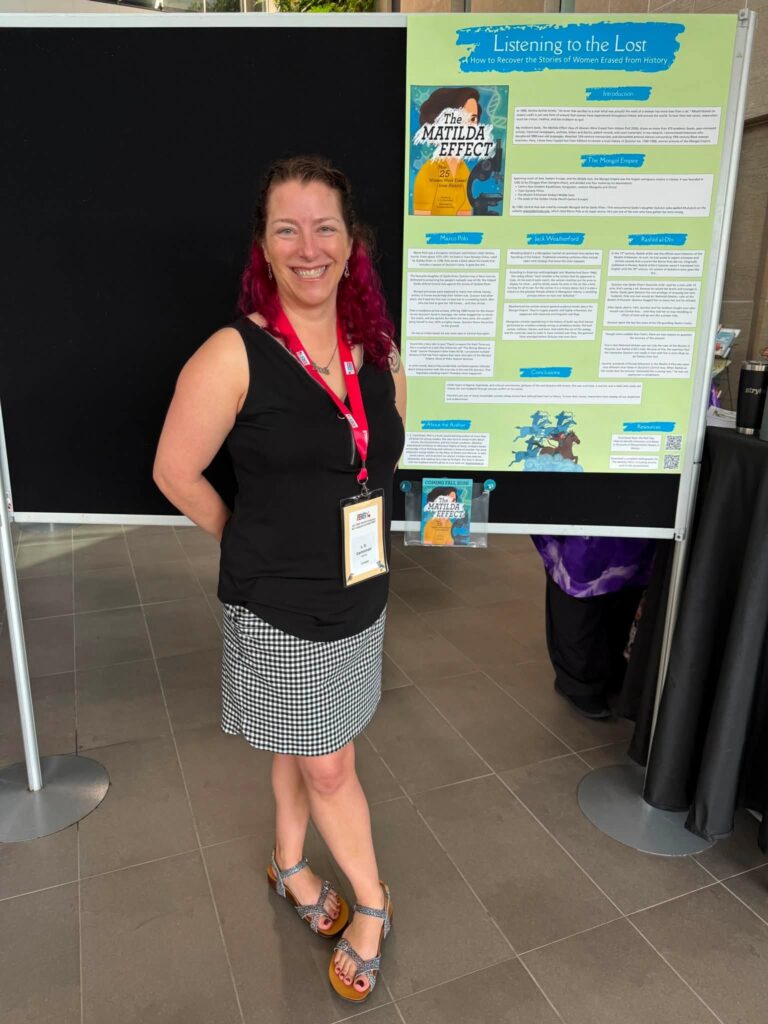
Lindsey and I had been working together on some communities initiatives, yet this was the first time we’d met in person. She also was doing a poster session on her upcoming book, The Matilda Effect, about women who’ve been hidden from history.
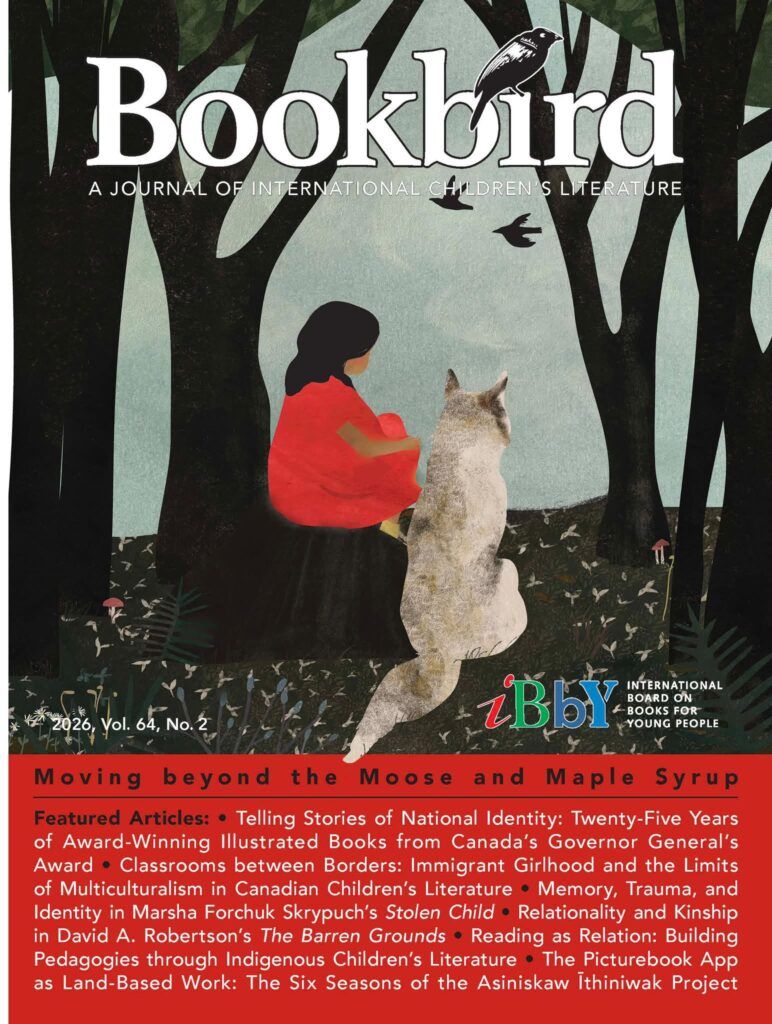
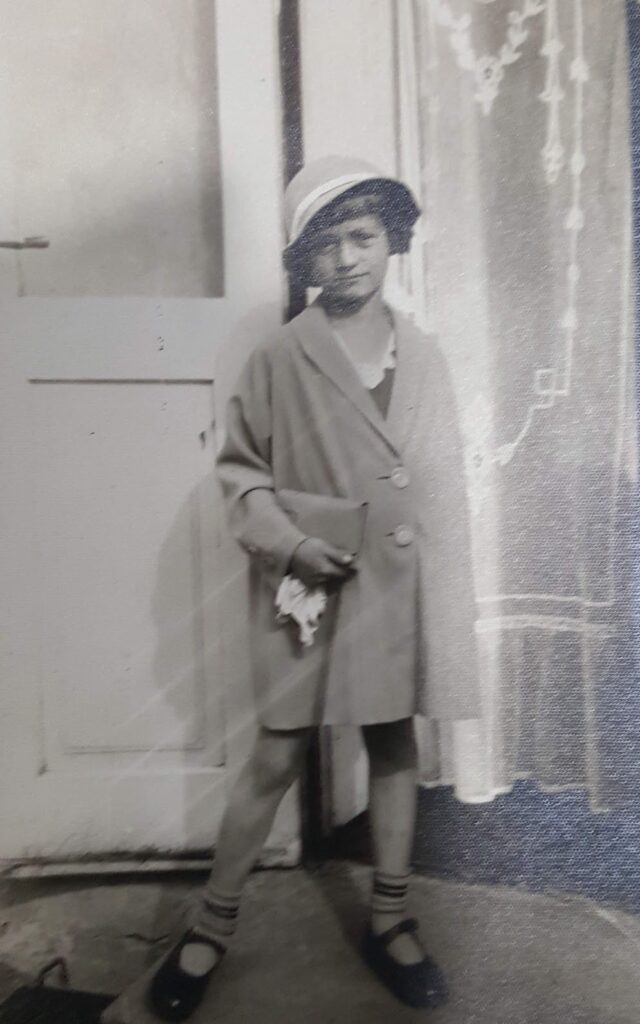
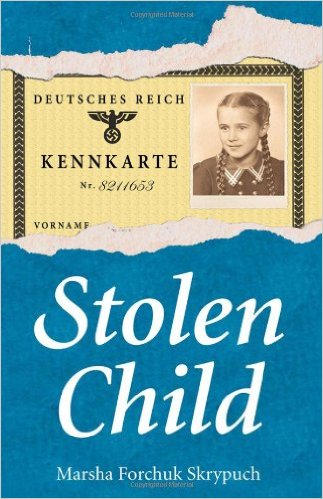
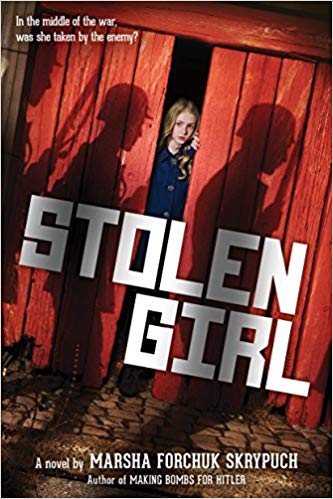
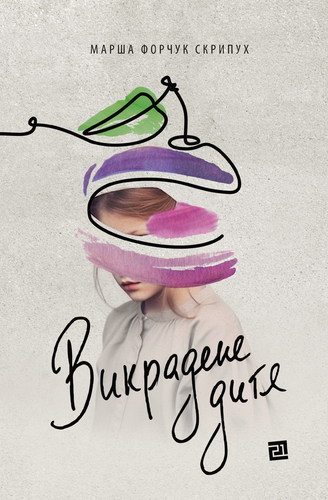
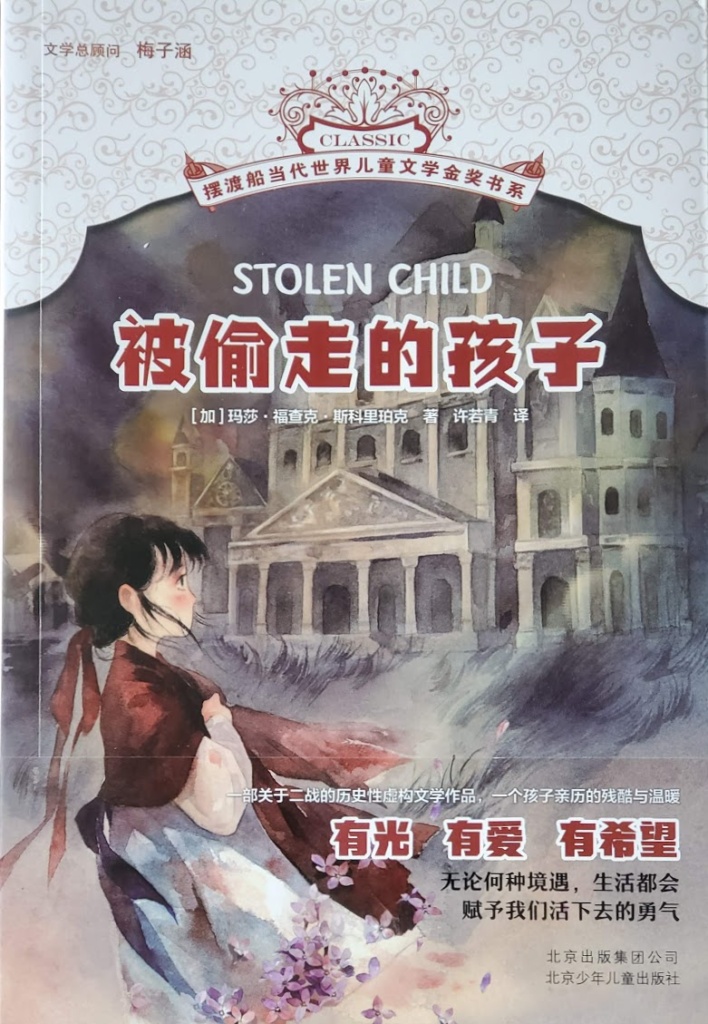
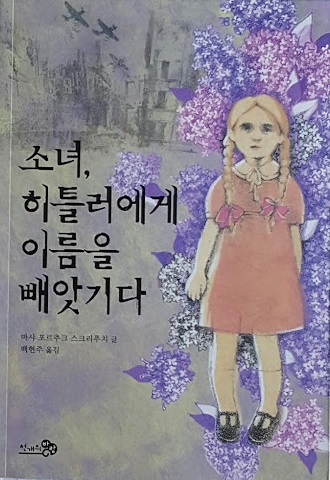
So honoured to have two articles referencing my novel, Stolen Child (Stolen Girl) in the newest edition of Bookbird! Thank you Mateusz Świetlicki and Sharon Smulders for writing such interesting pieces. Stolen Child holds a special place in my heart. It was the first of my Scholastic WWII novels, and is the only one set in Canada. It was written as a tribute to my dear late mother-in-law, whose own WWII experiences inspired the story. Here’s a pic of her as a child:
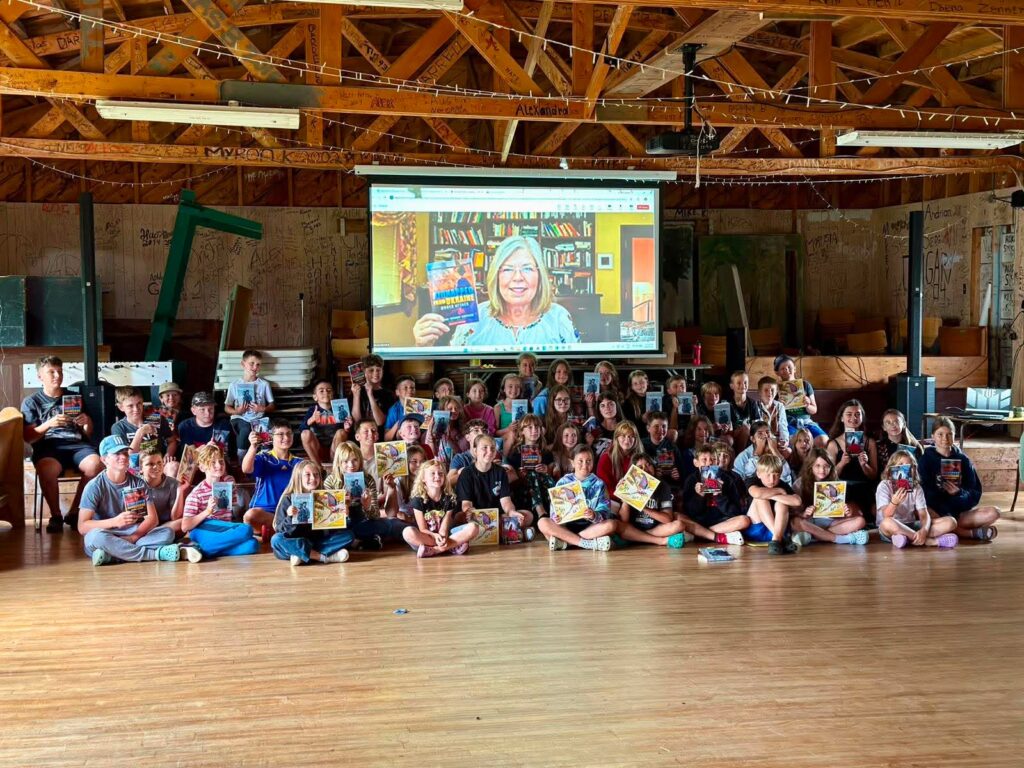
Just had the most wonderful visit with Green Grove Camp — a summer Ukrainian dance camp in Saskatchewan for Ukrainian Orthodox children and youth! Their teacher, Anya Shyian, let me know that the board had provided each participant with a copy of one of my books, so I mailed a personalized book plate for each of them. The questions were fantastic! So detailed and specific from so many different books and and times in my own life. I extended the session so that all questions could be answered, and extended again when a cluster of kids had more questions. I asked them to show me some of their dance moves — beautiful! And we ended with them dancing out of the room!!
After writing the Kidnapped from Ukraine trilogy over a frenzied 17 months, I tried to take a break from writing in 2025. I did manage to not write fiction, but ended up writing book contributions and other non-fiction things, including chapter four, “Crafting Historical Fiction: Rehumanizing Global Crises Through Character Development” in Sarah J. Donovan’s upcoming book, Teaching Genocide and Holocaust Education in ELA Classrooms: Language to Remember, Witness, and Repair.
I selected Russia’s current war on Ukraine as my genocide focus, and the rehumanizing of the victim exercise uses a scene from Standoff as a launching point.

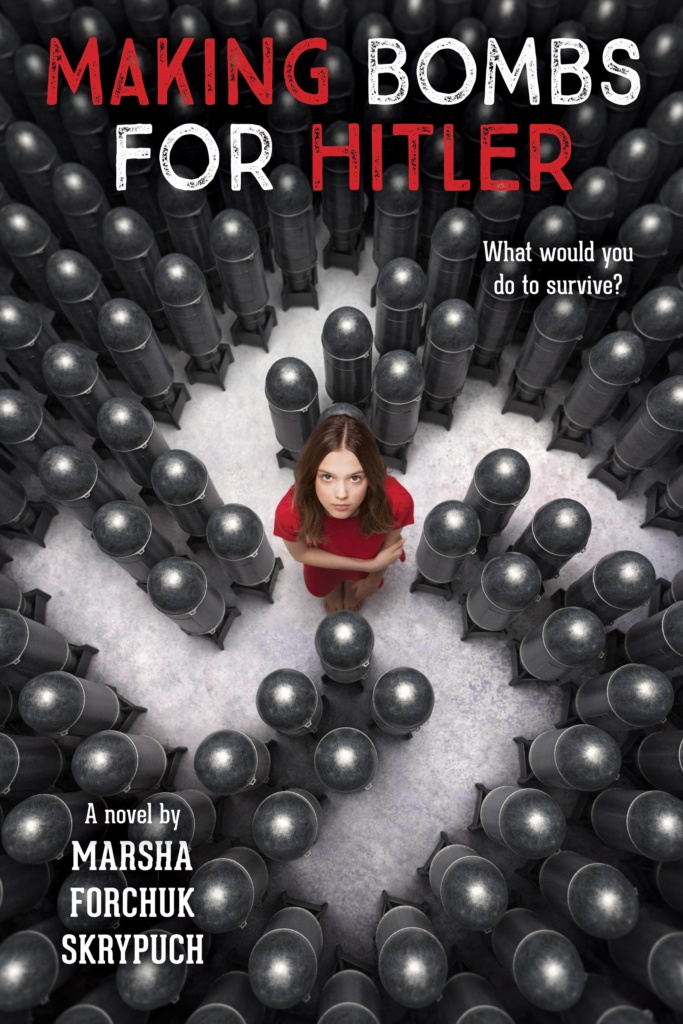
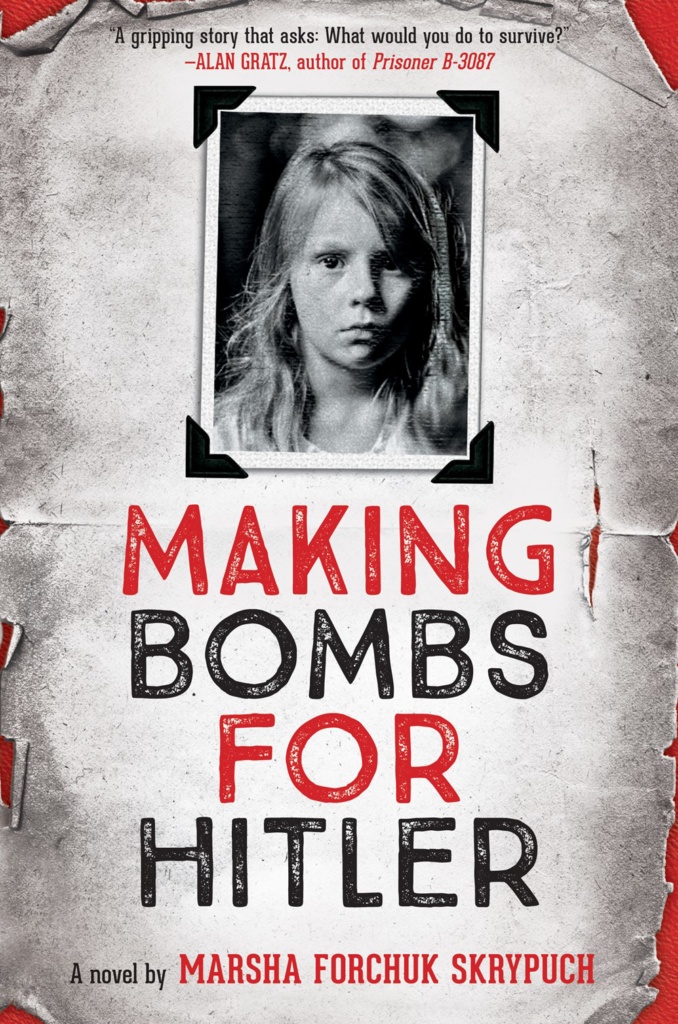
Very thrilled to see Making Bombs for Hitler on the The Canadian Children’s Book Centre’s 50 Must-Read Canadian Middle Grade books in celebration of the Centre’s 50th anniversary! Such an honour to be included in this list that goes all the way back to Anne of Green Gables (1908!)
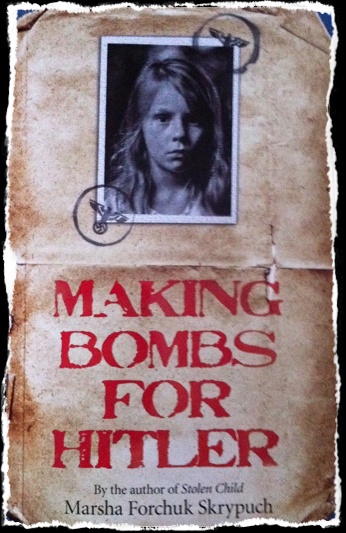
And all the others:

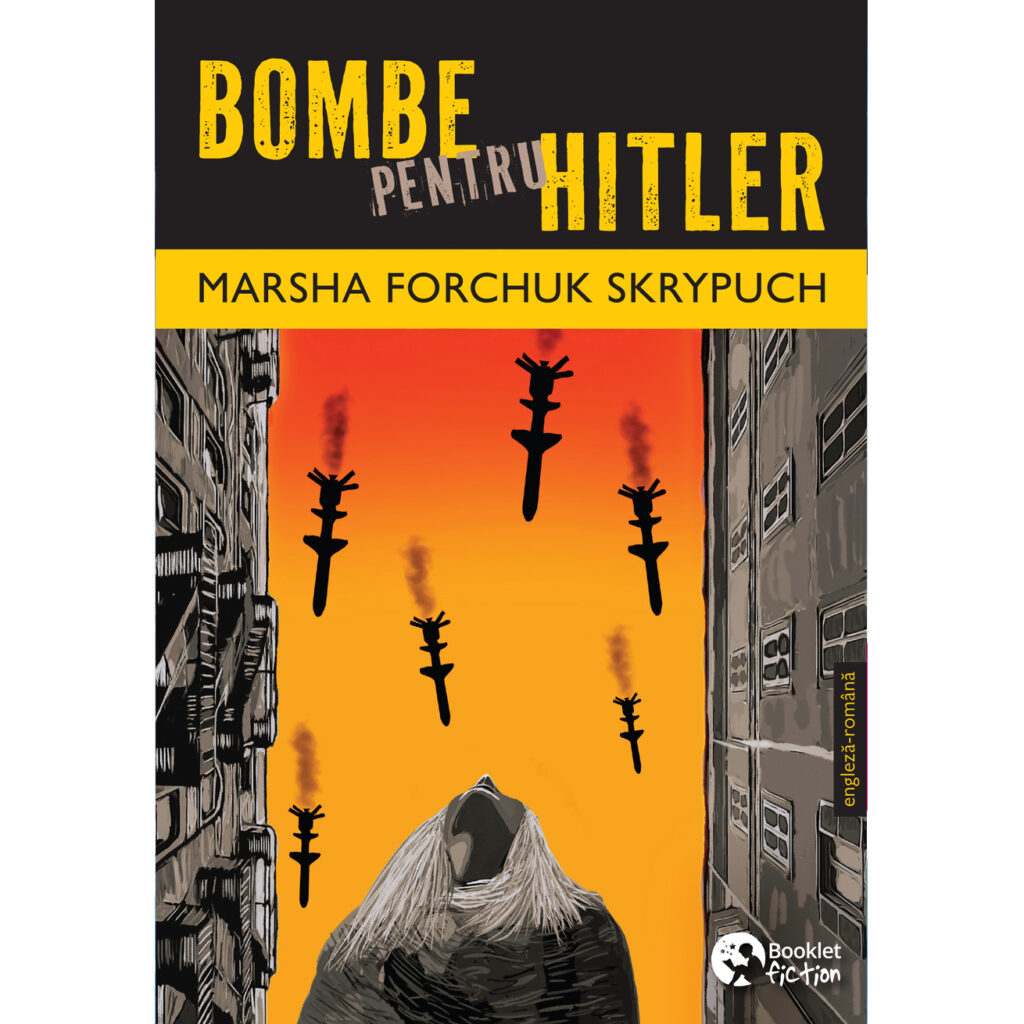
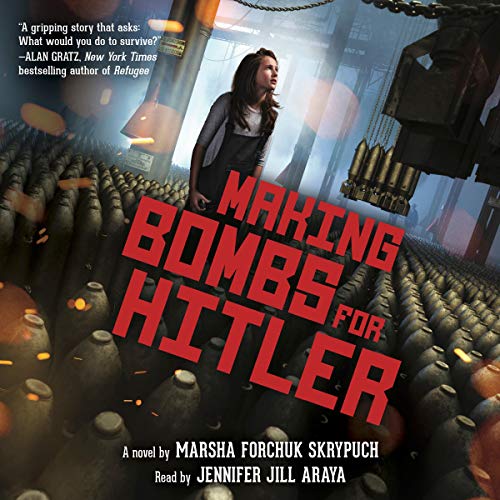
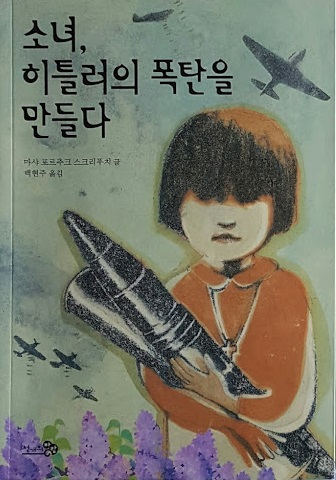
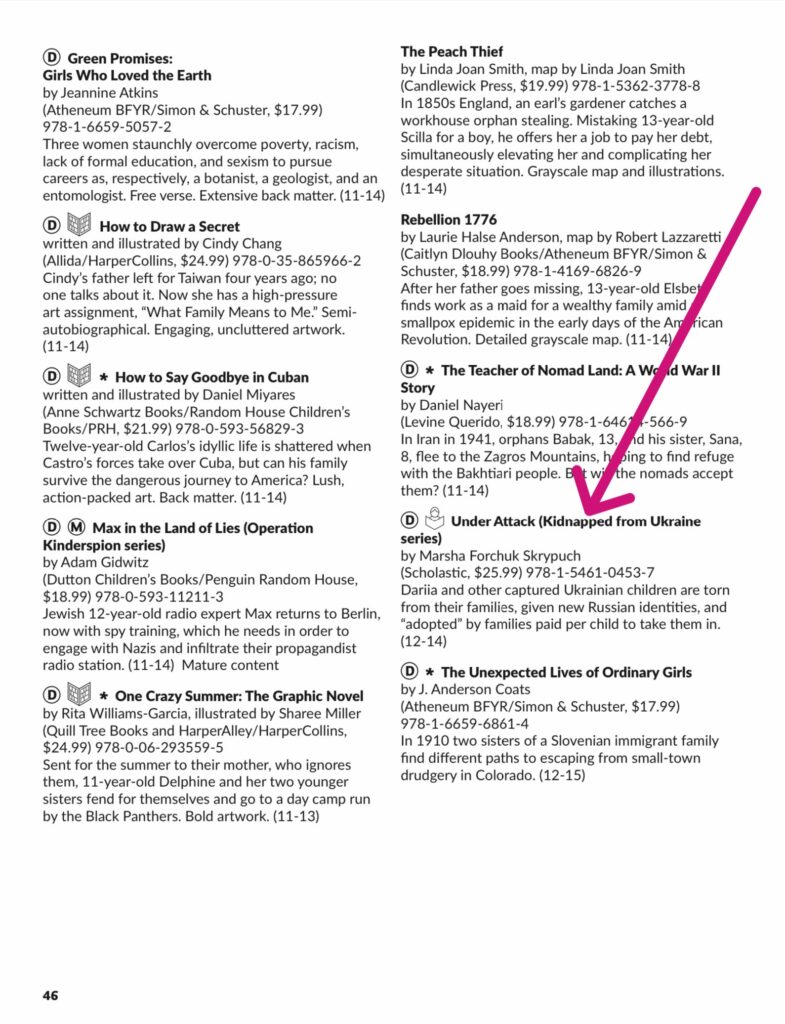
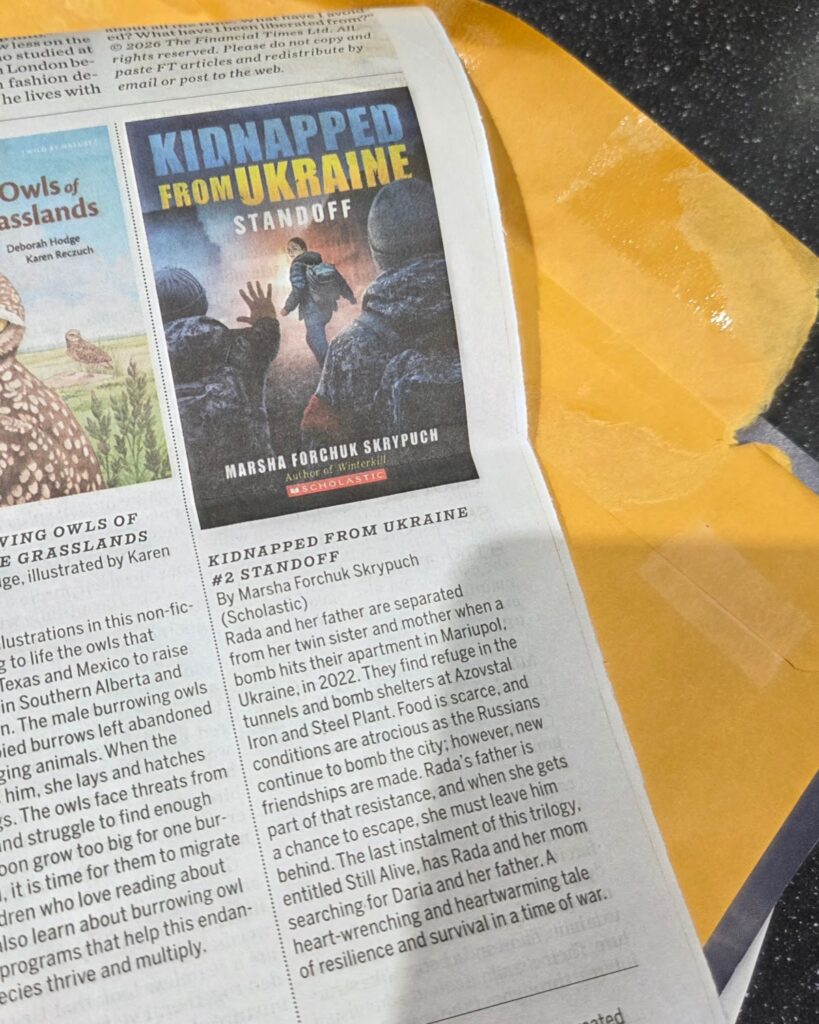
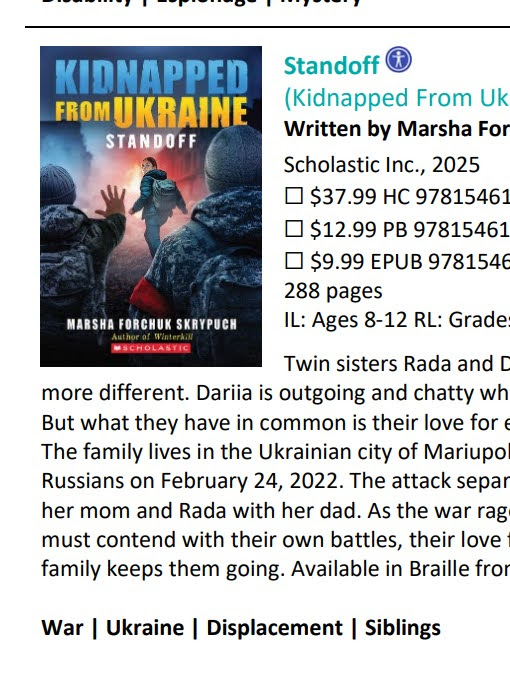
Thank you, Barbra Hesson of the Calgary Herald for including Standoff in your June picks! Thank you also, to the Canadian Children’s Book Center for selecting Standoff in the Best Books selection for spring 2026.