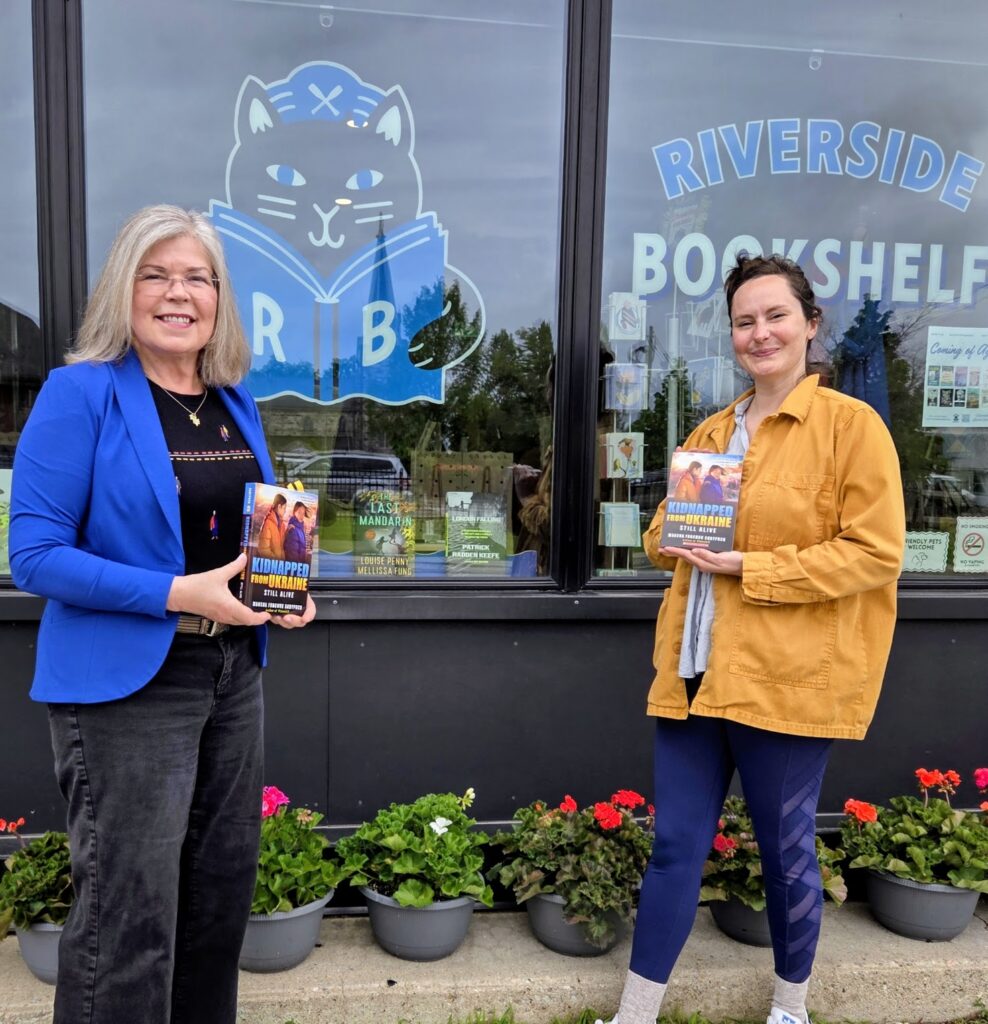
Riverside Books and Still Alive
writes about war from a young person's view #bannedbyrussia
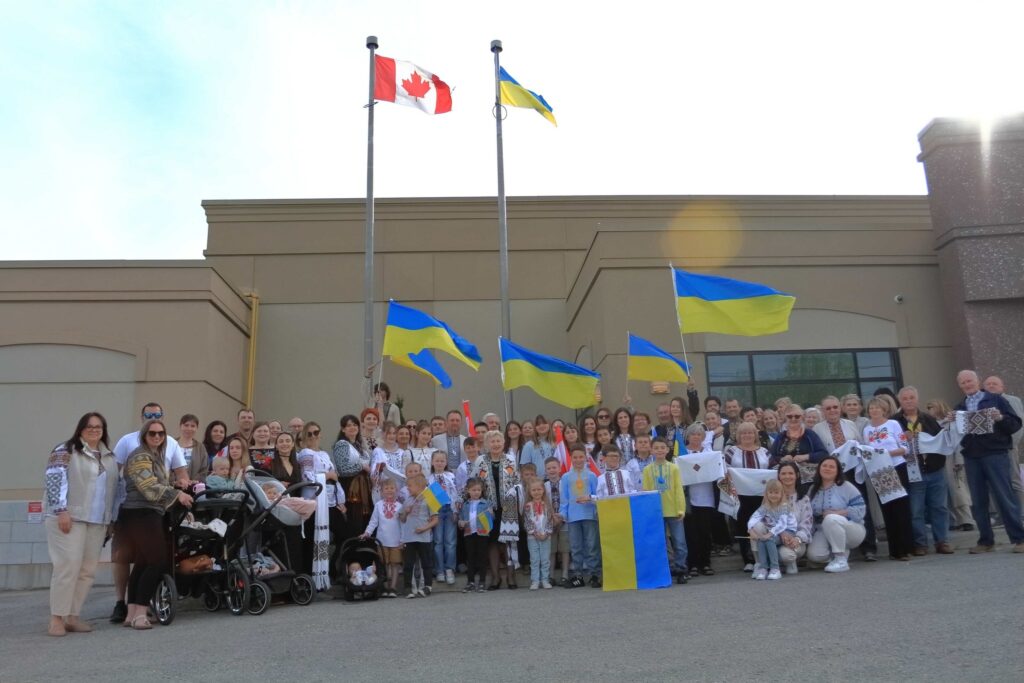
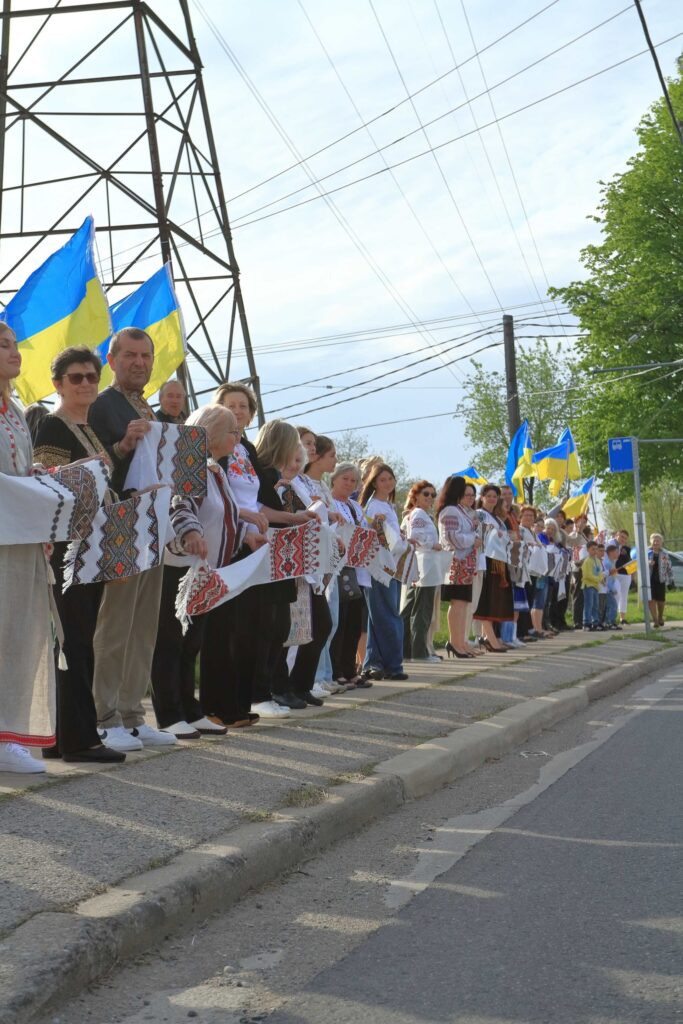
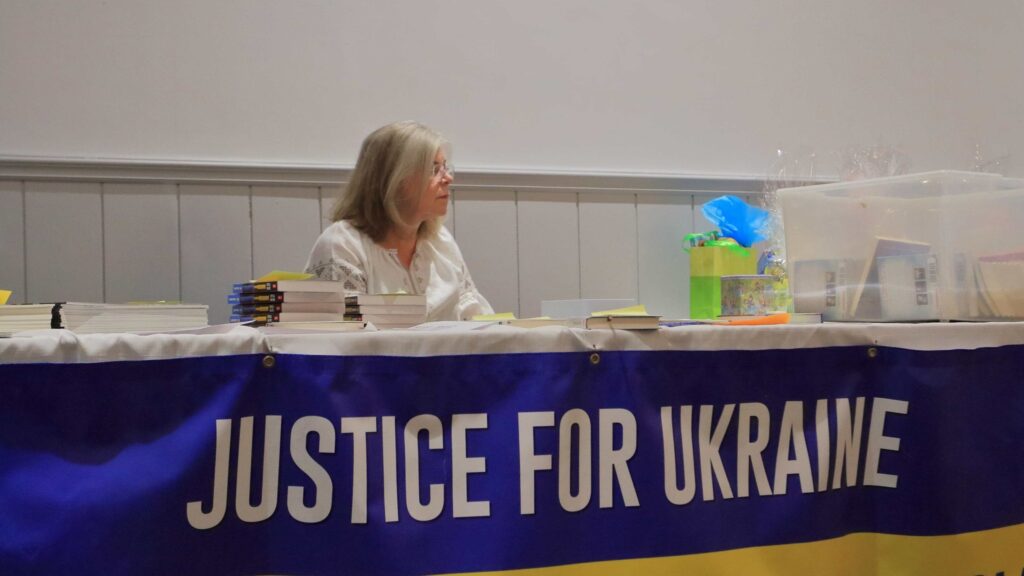
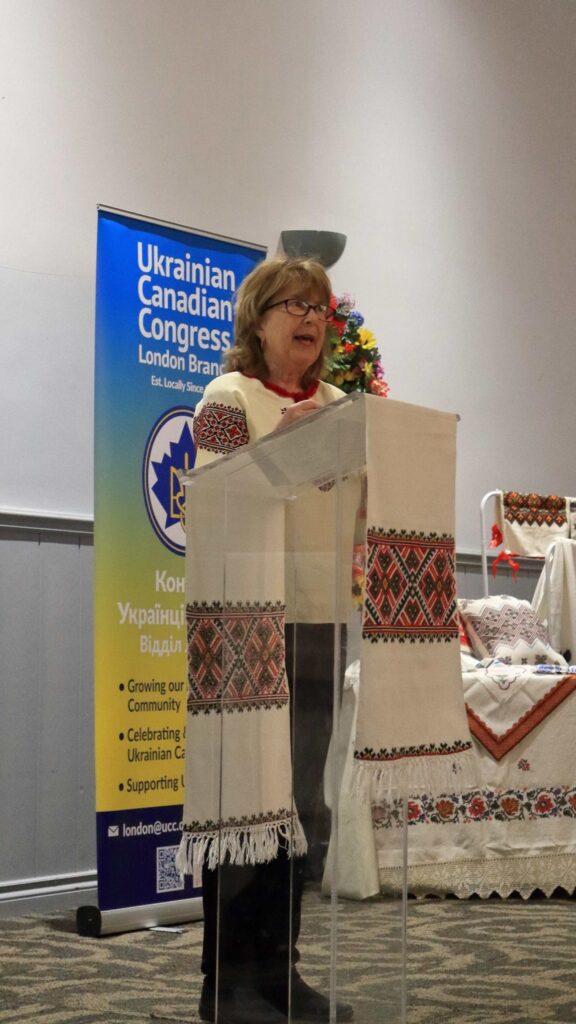
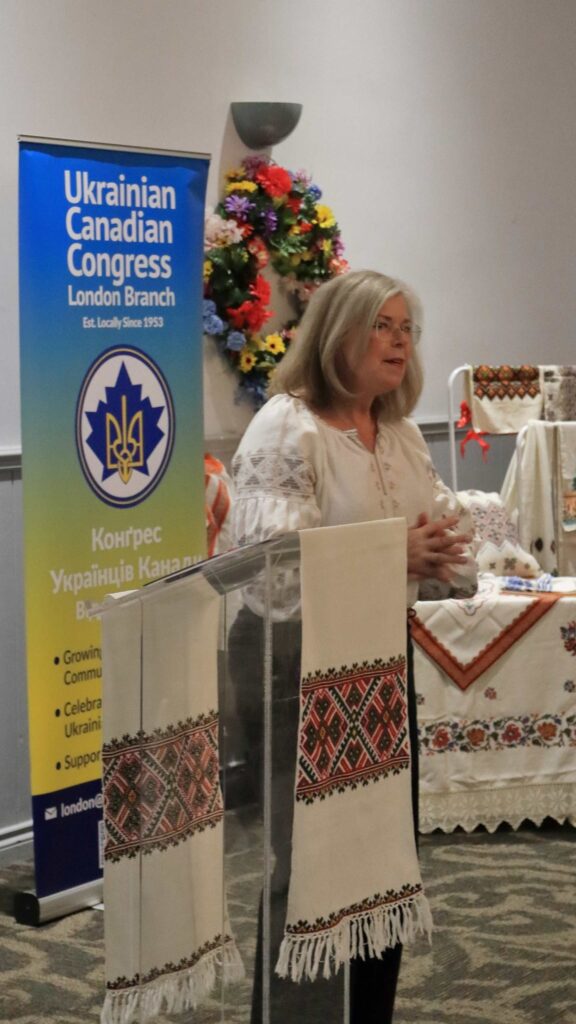
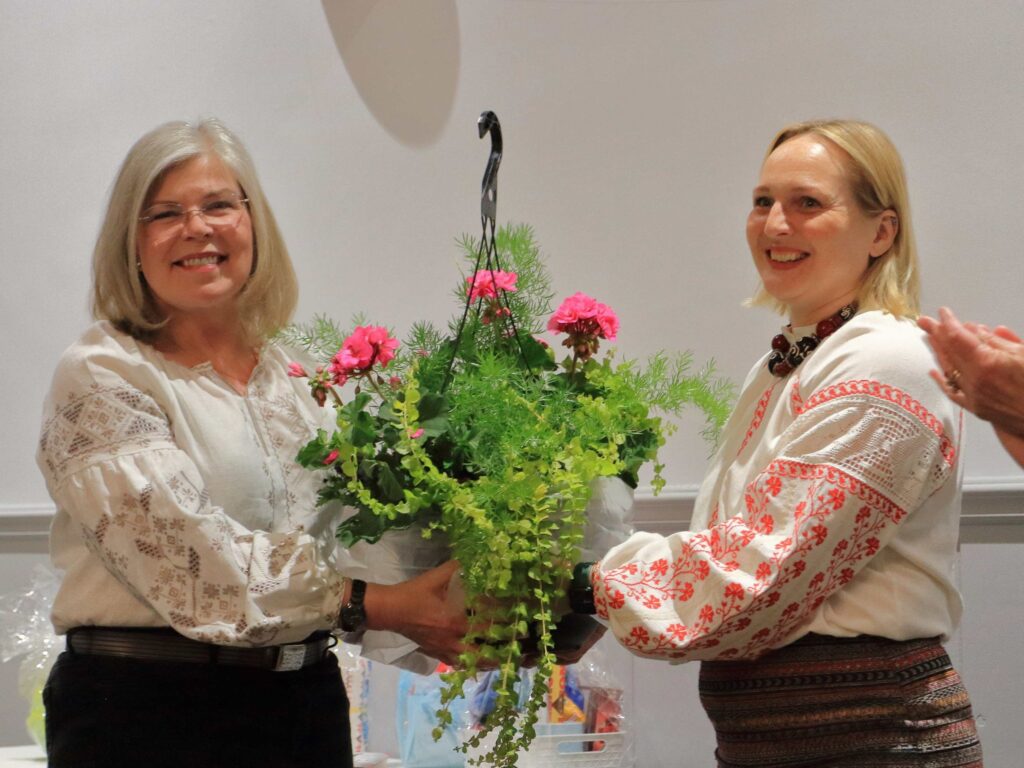
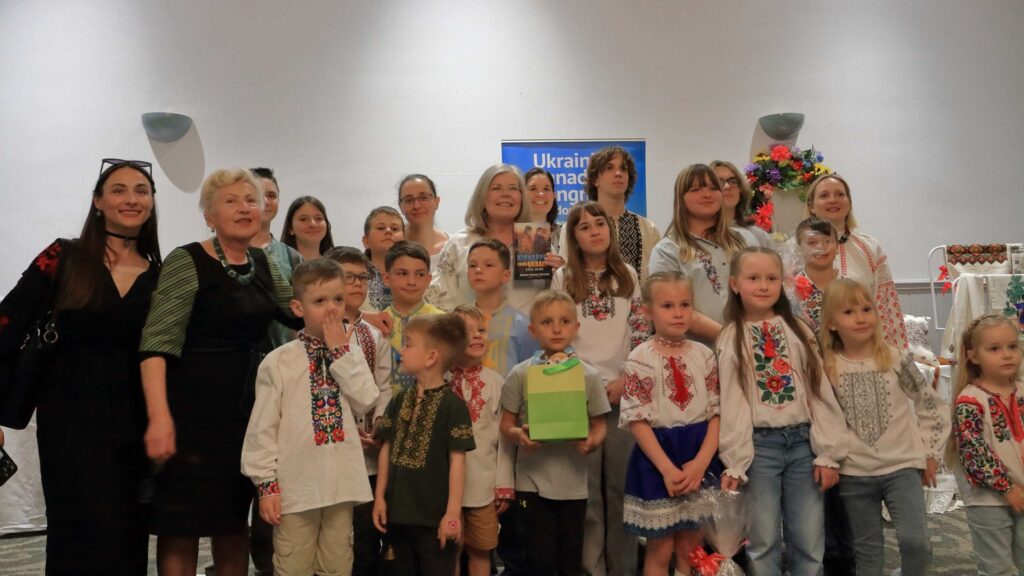
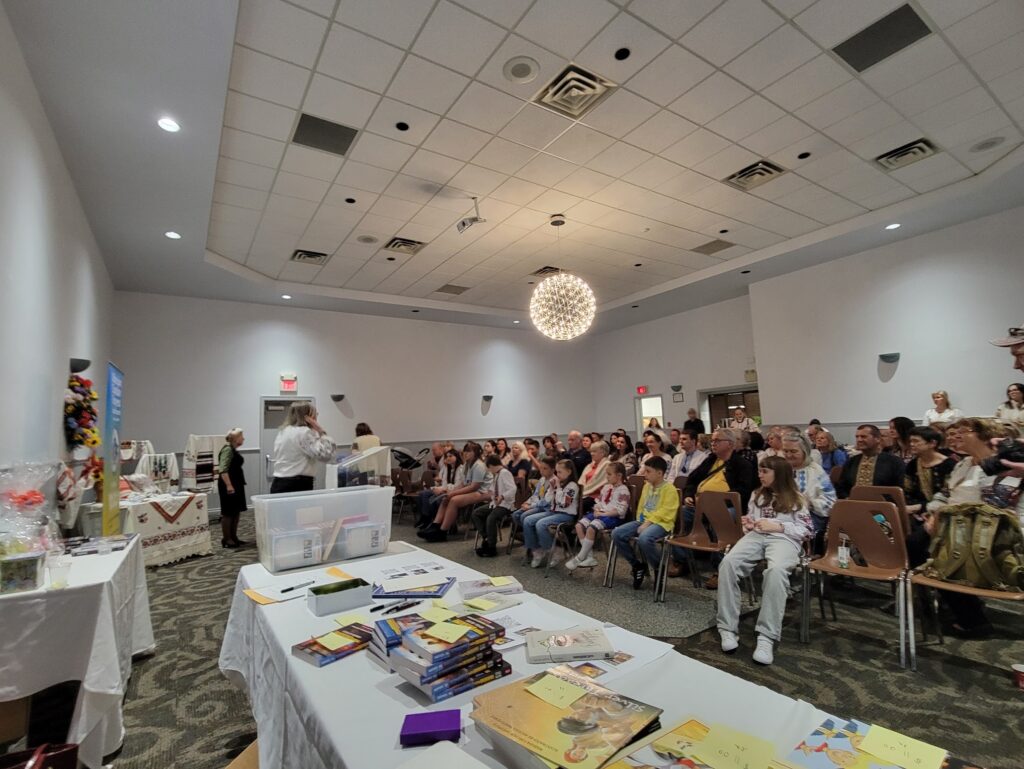
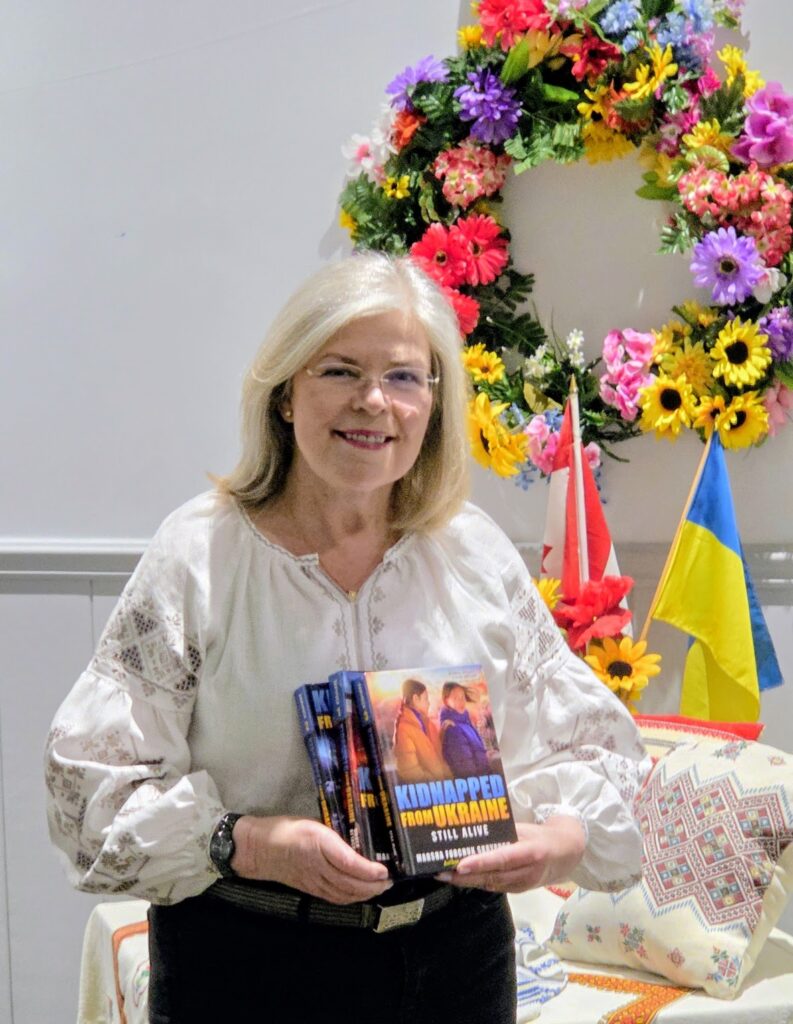
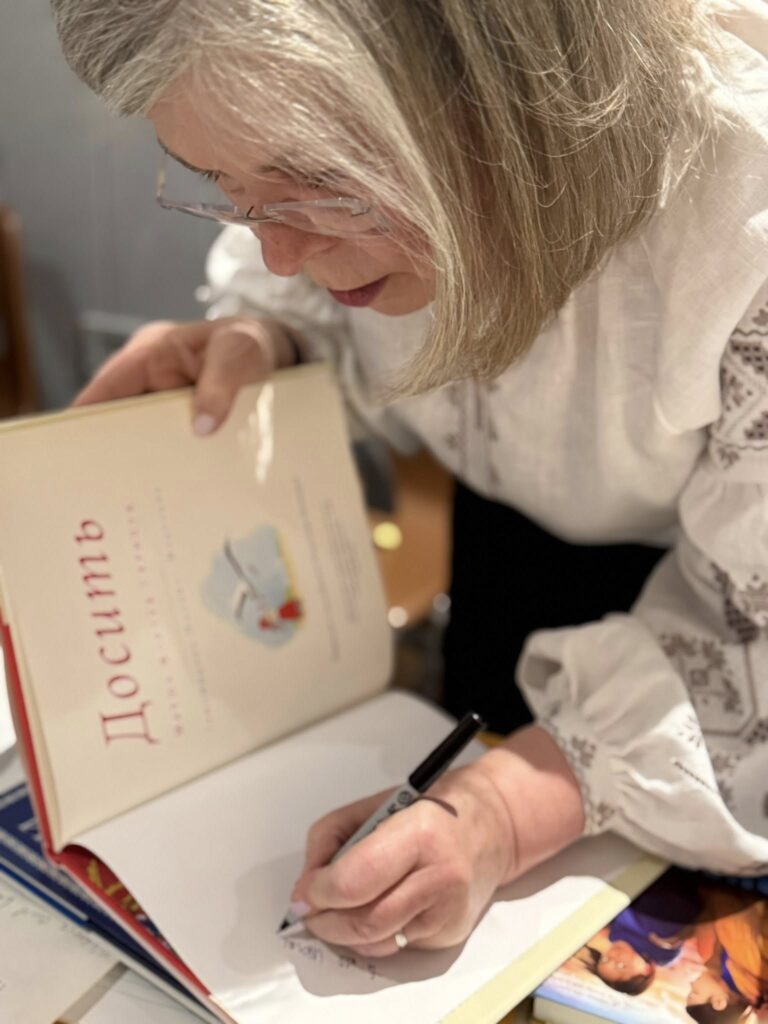
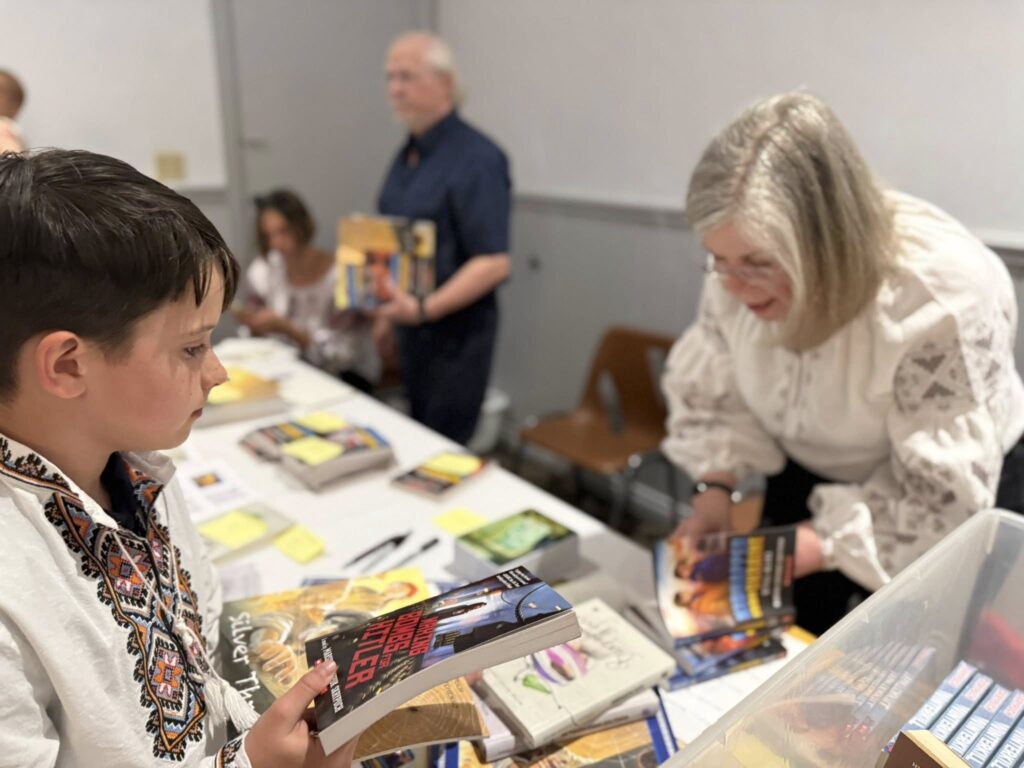
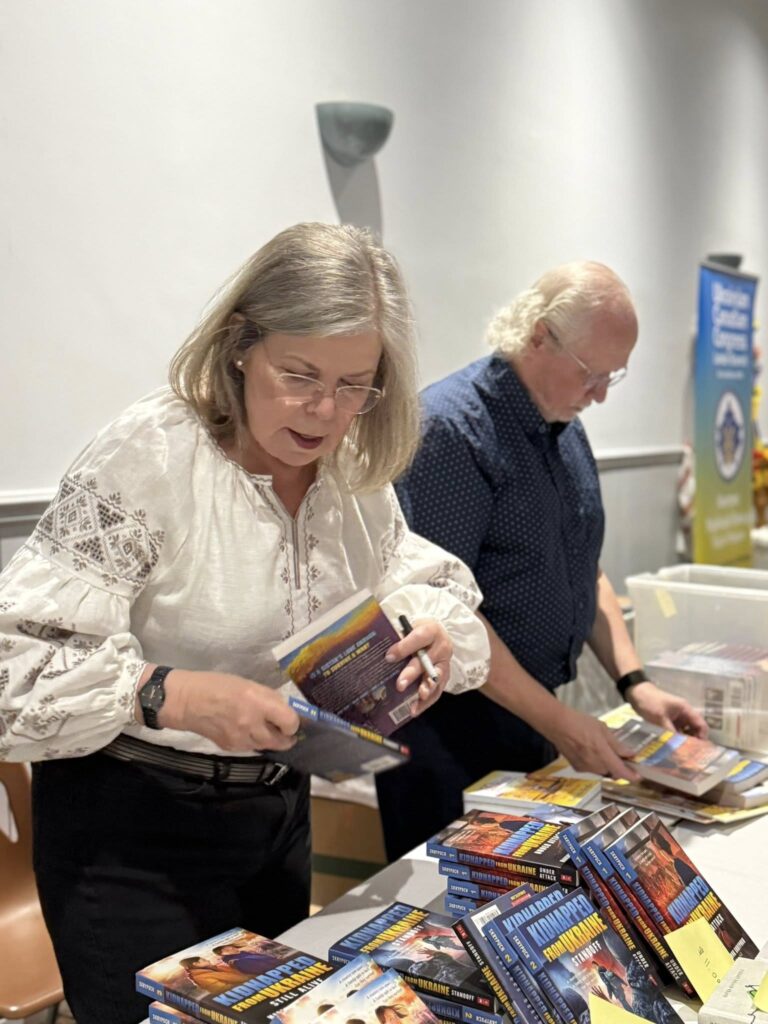
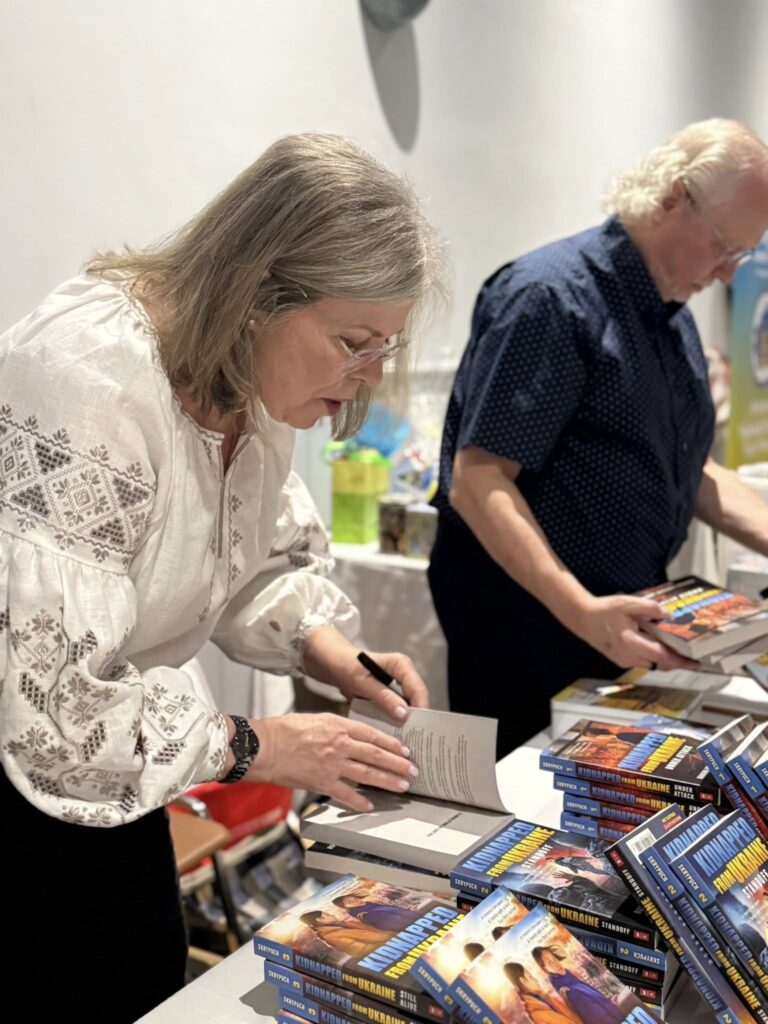
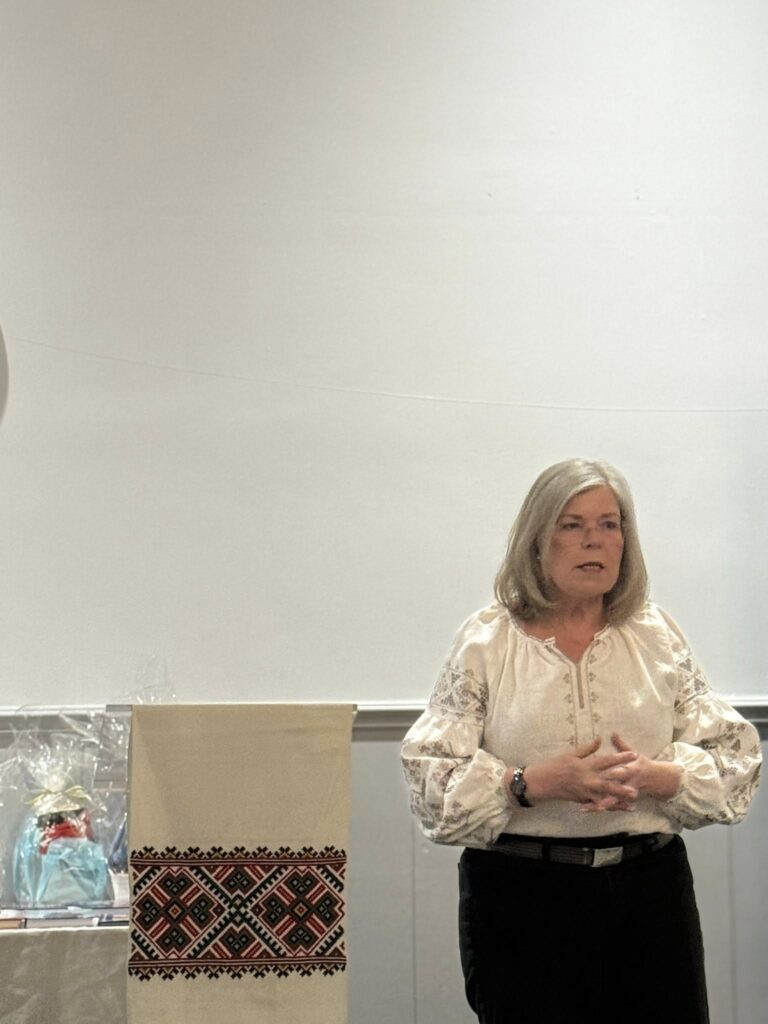
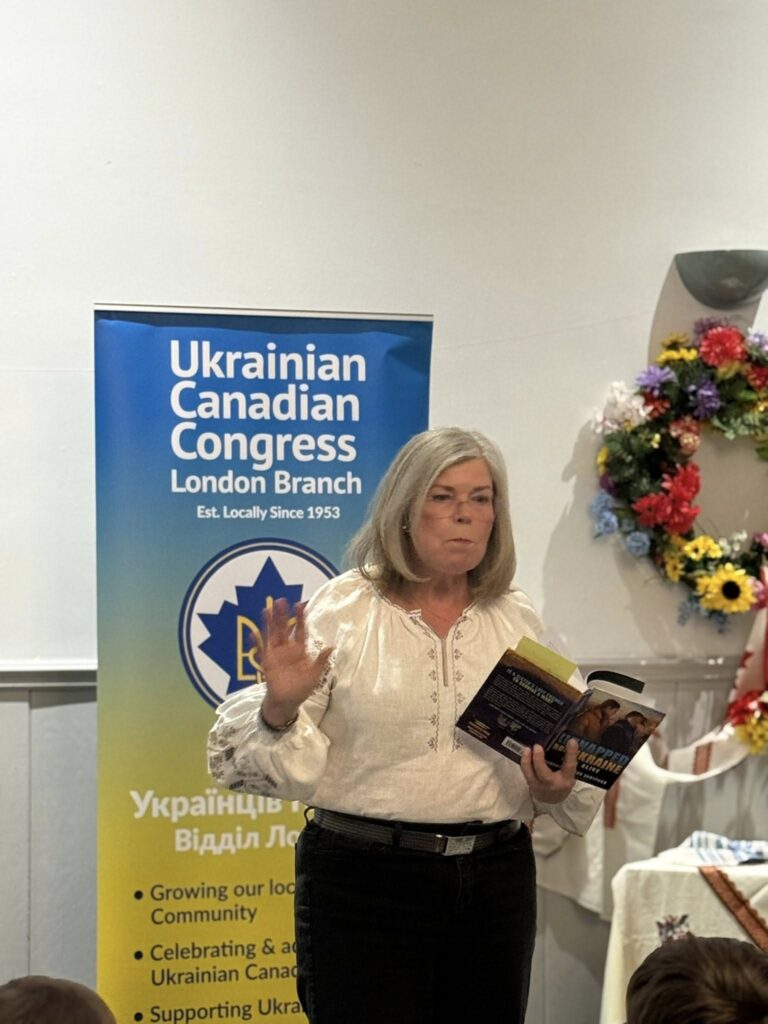
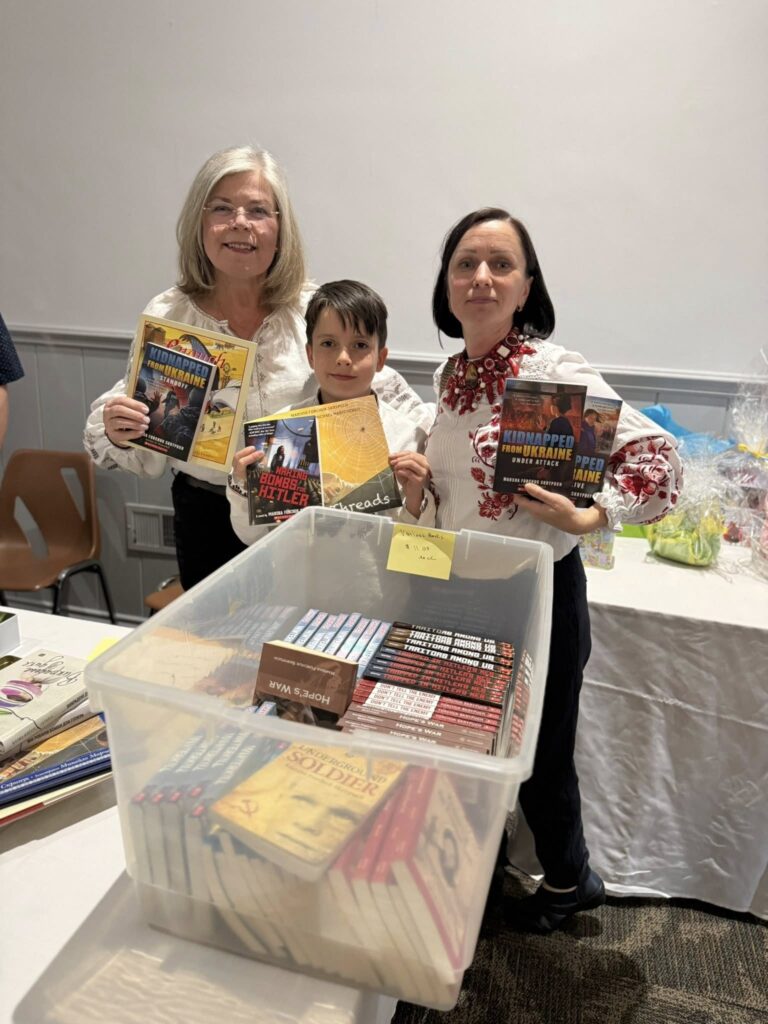
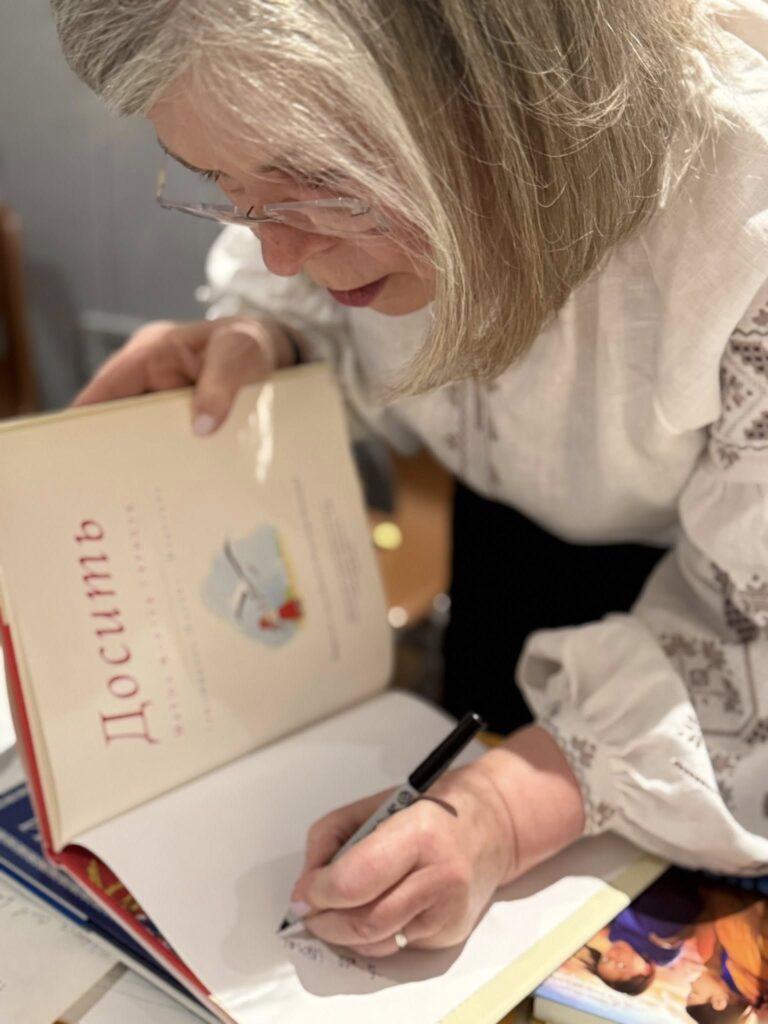
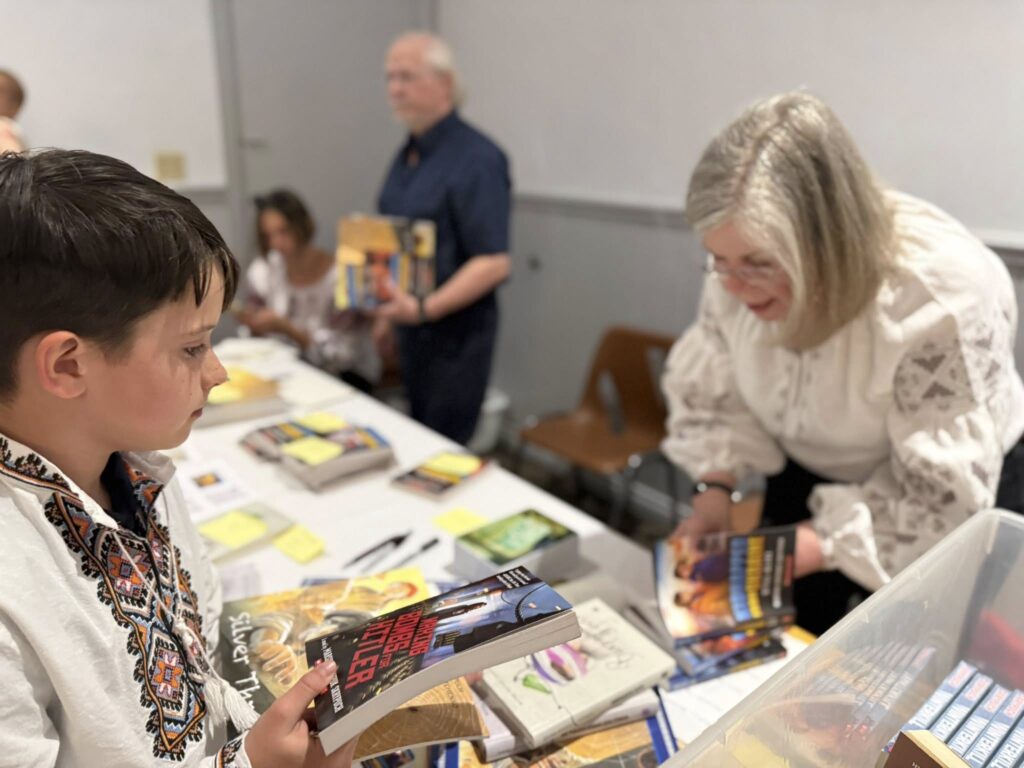
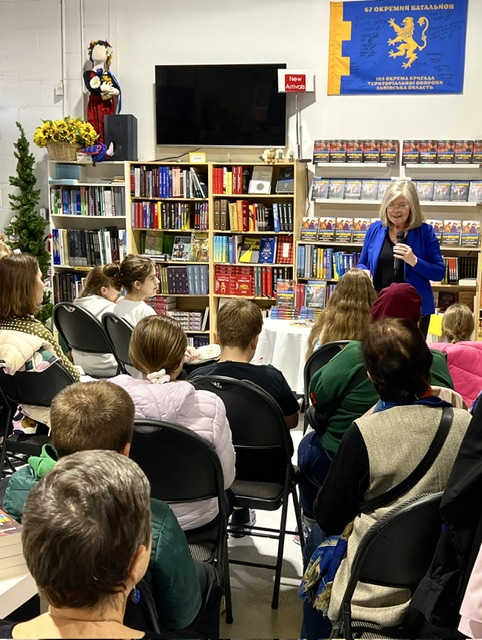
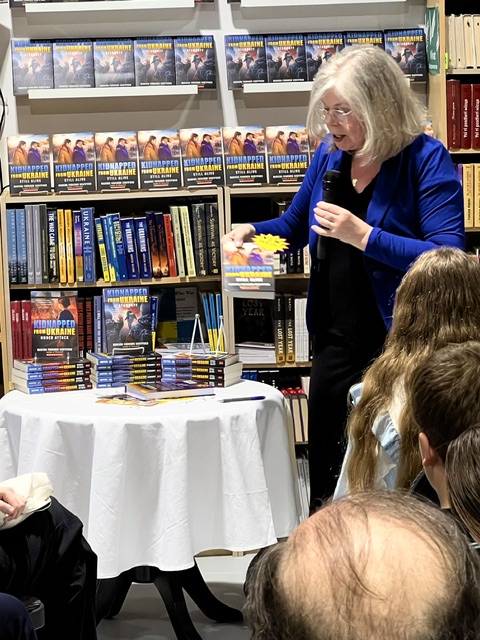
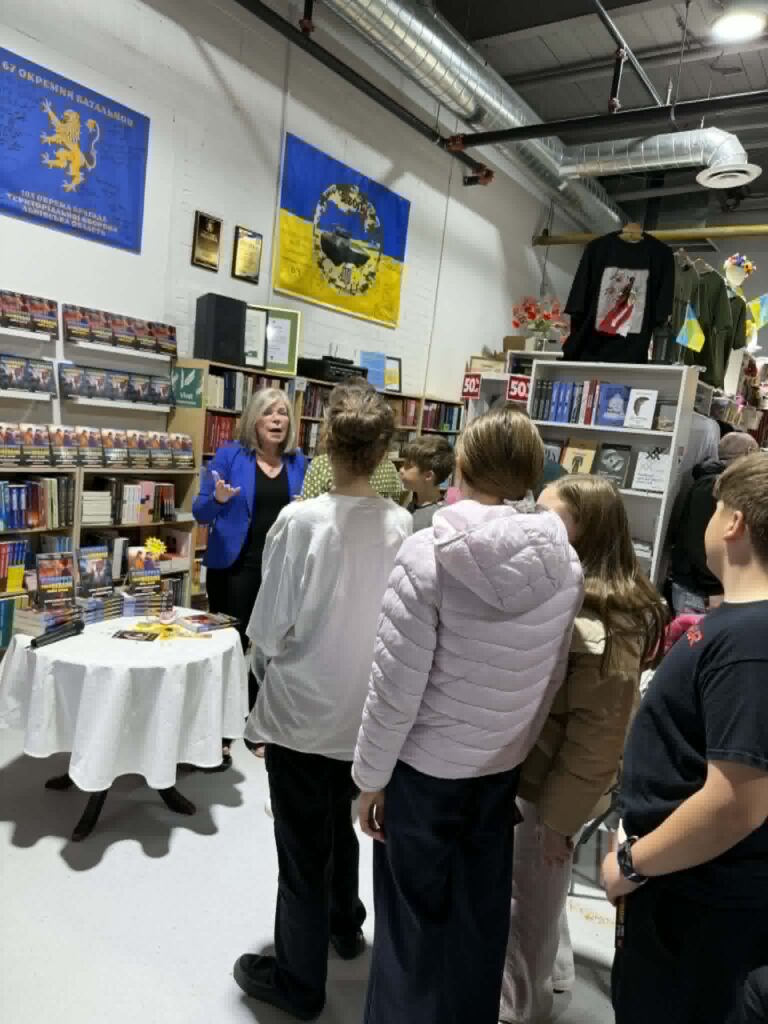
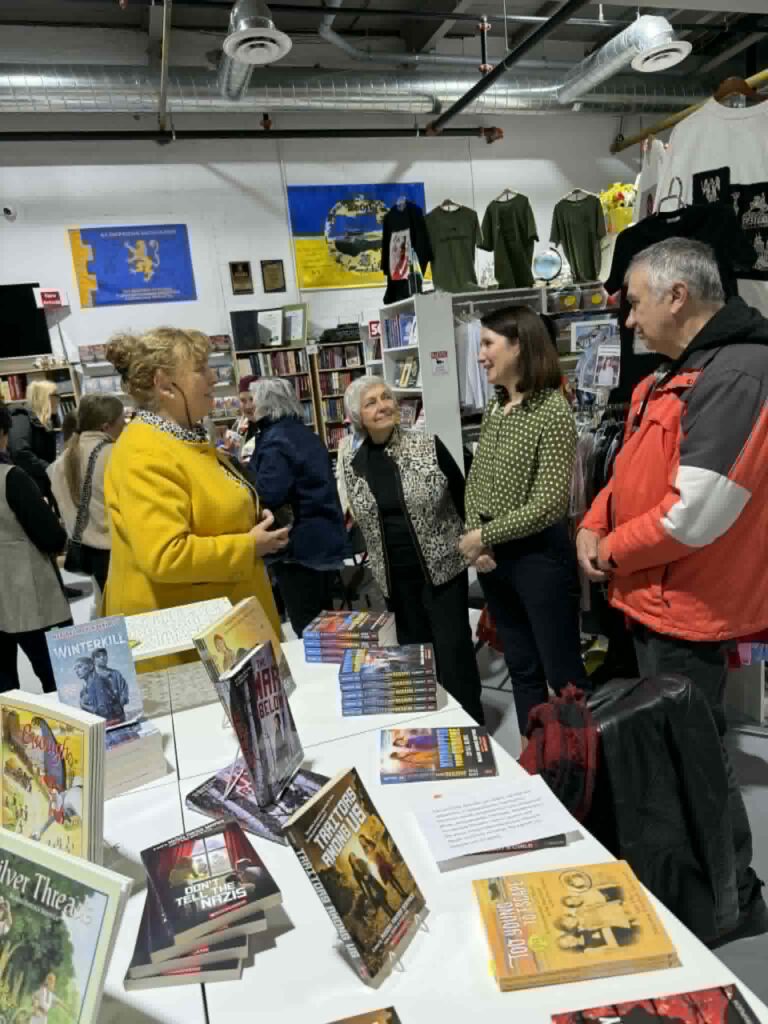
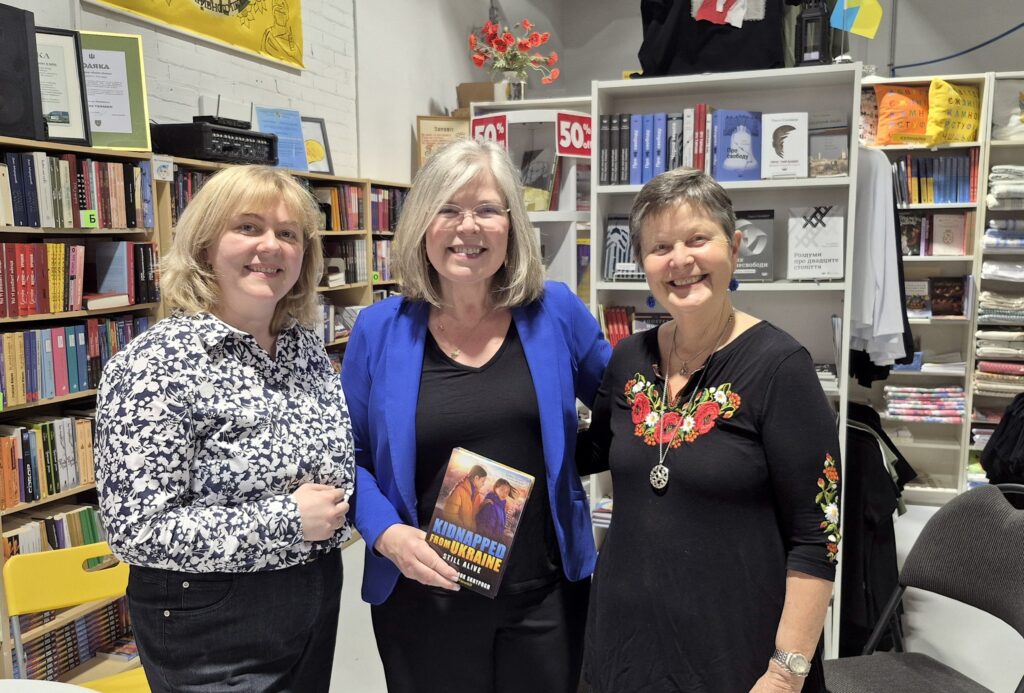
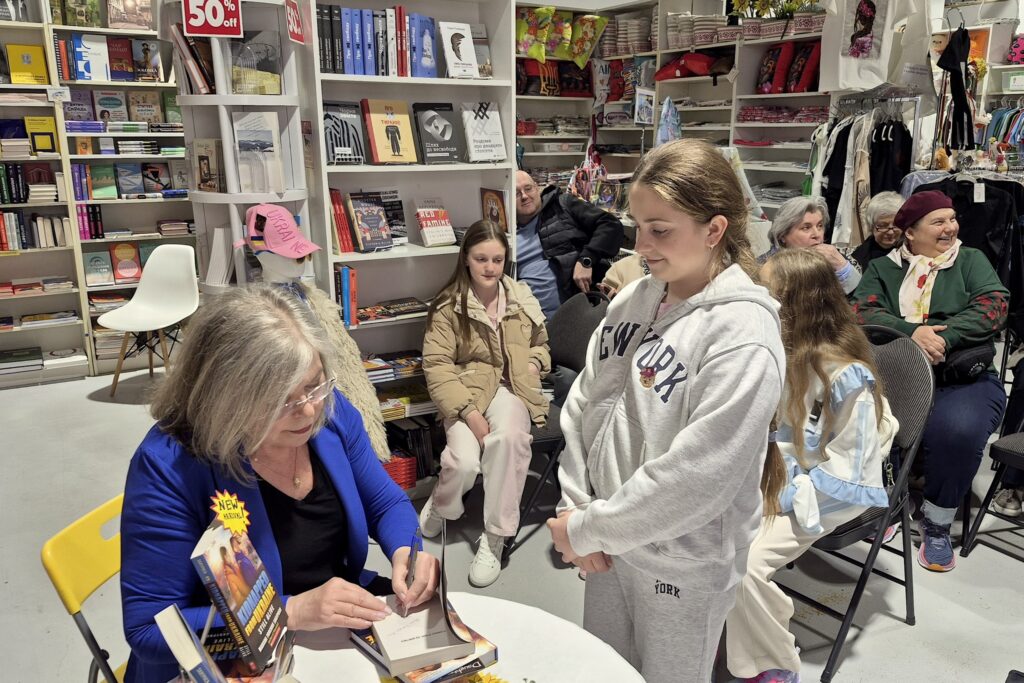
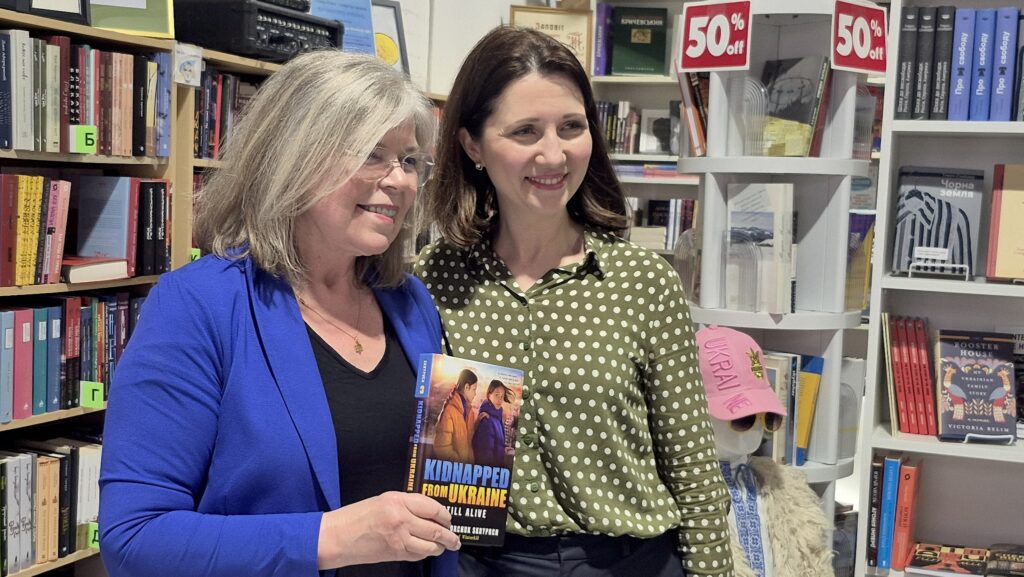
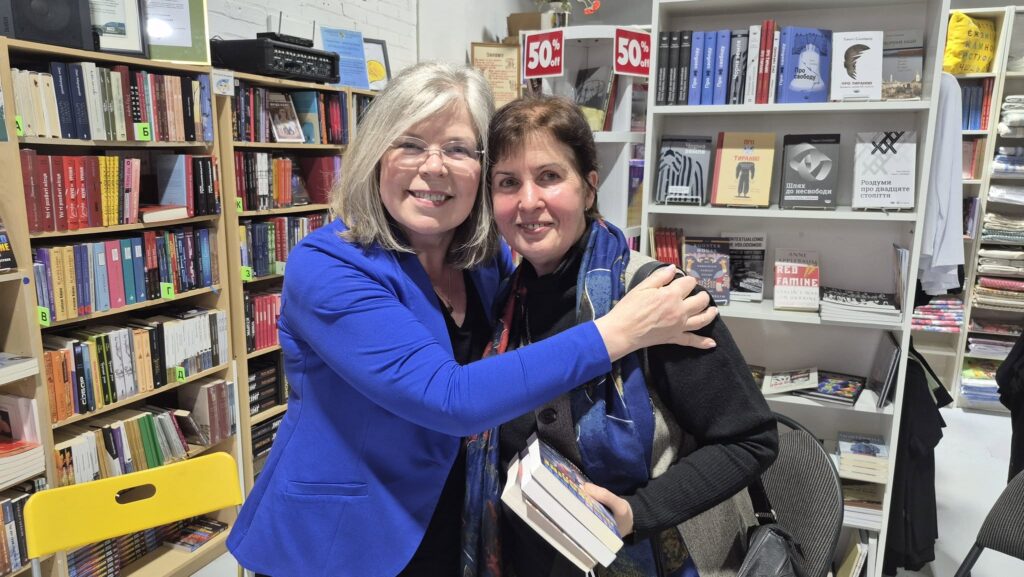
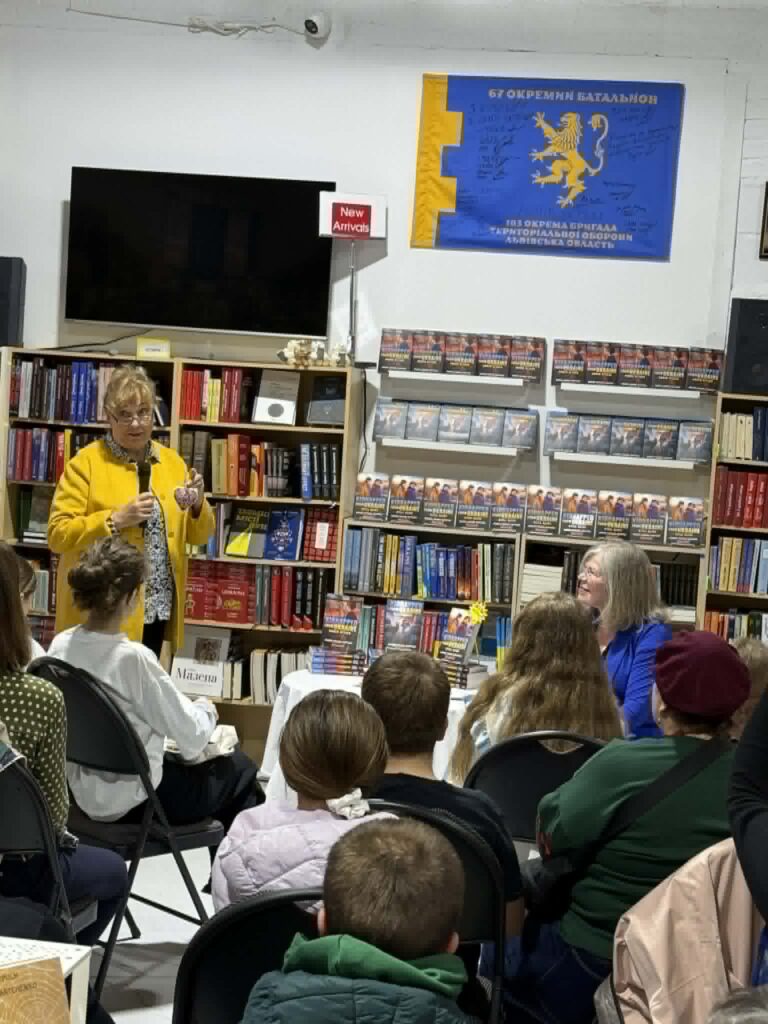
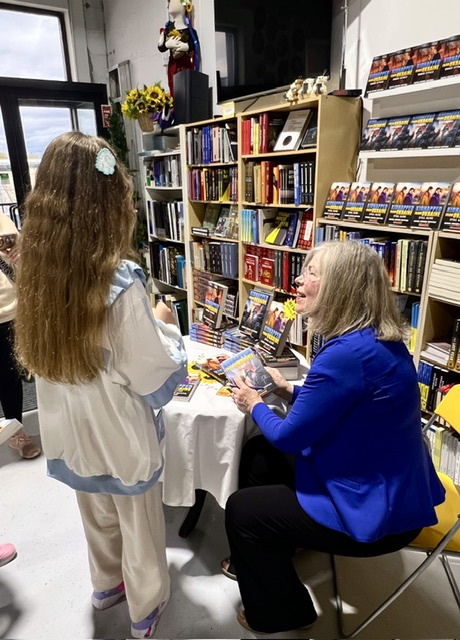
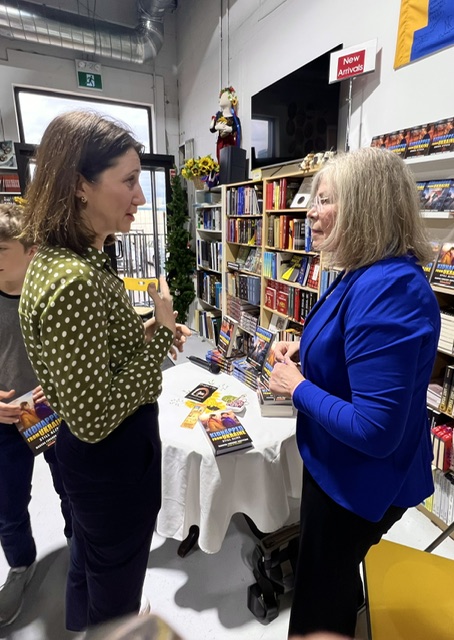
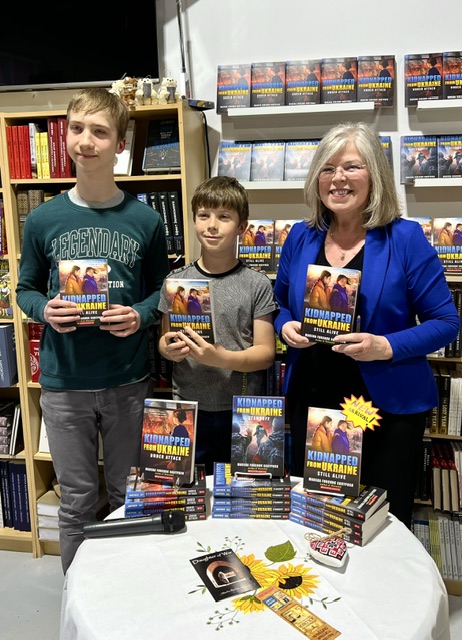
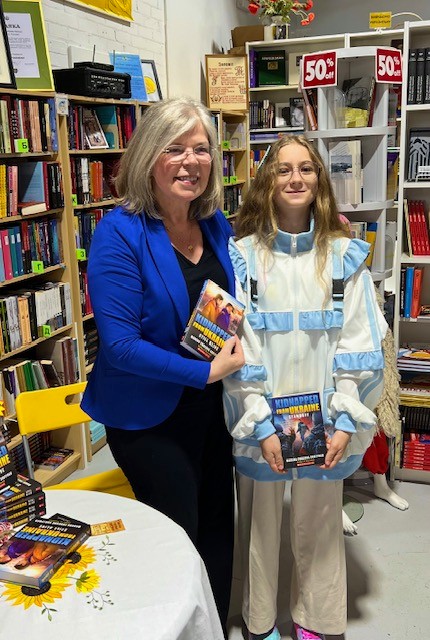
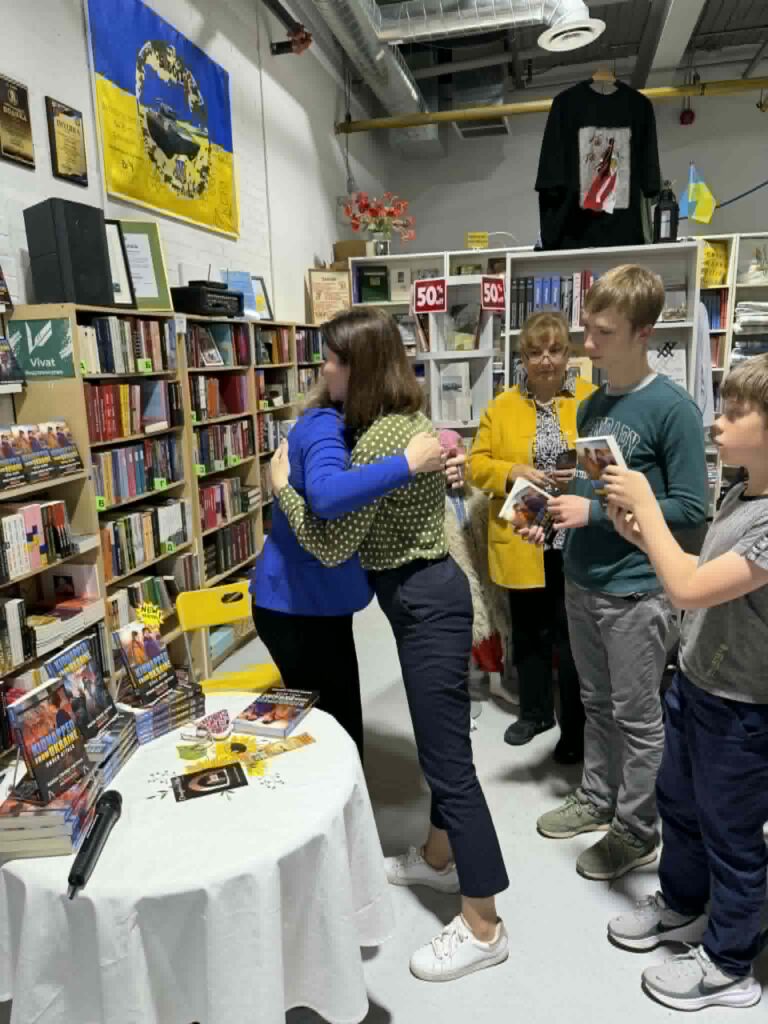
It was a wonderful event last night in London Ontario. Many thanks to the volunteers and organizers from London UCC and the London Ukrainian Centre. It was great to see the students and educators from Woodstock’s St. Sophia Ukrainian school as well!
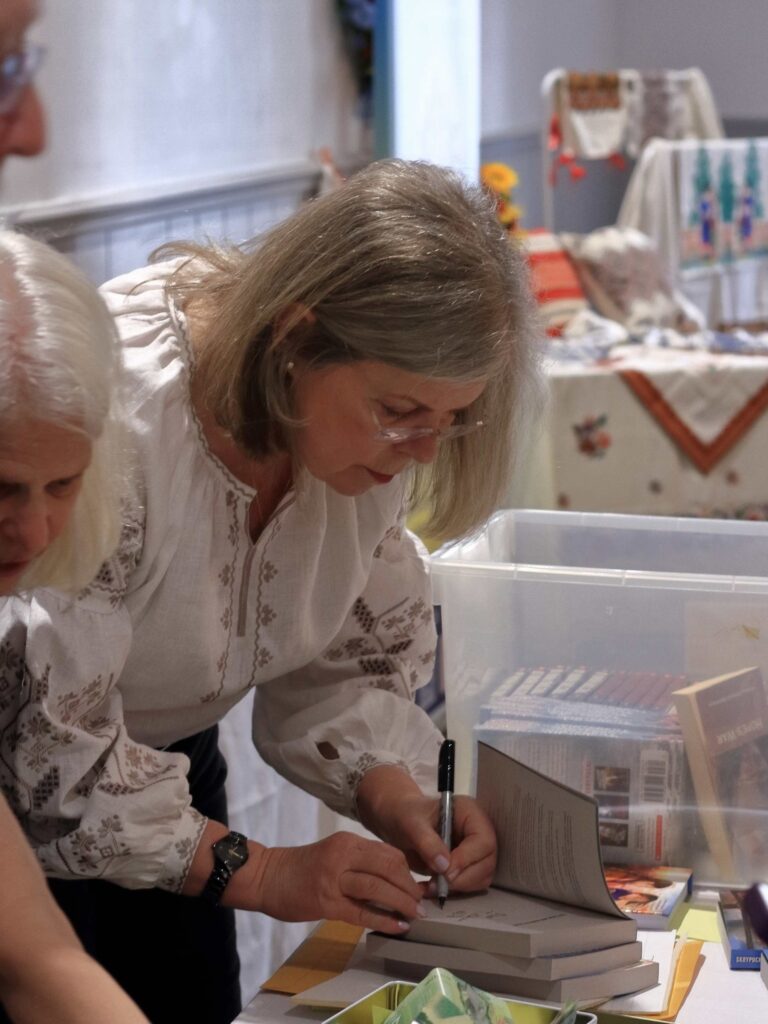
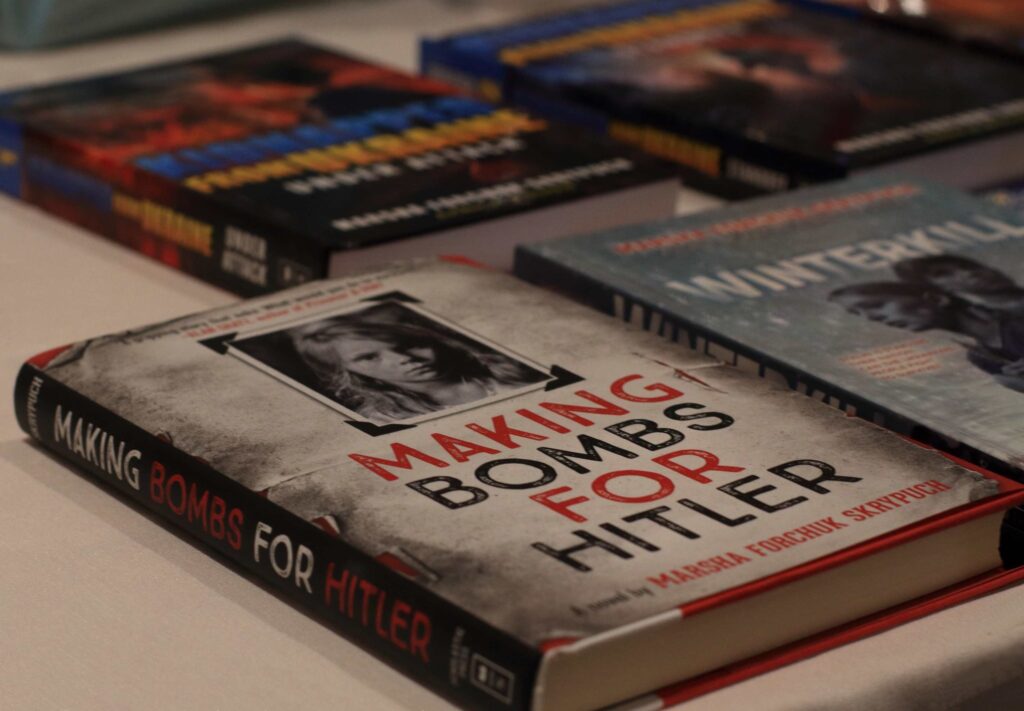
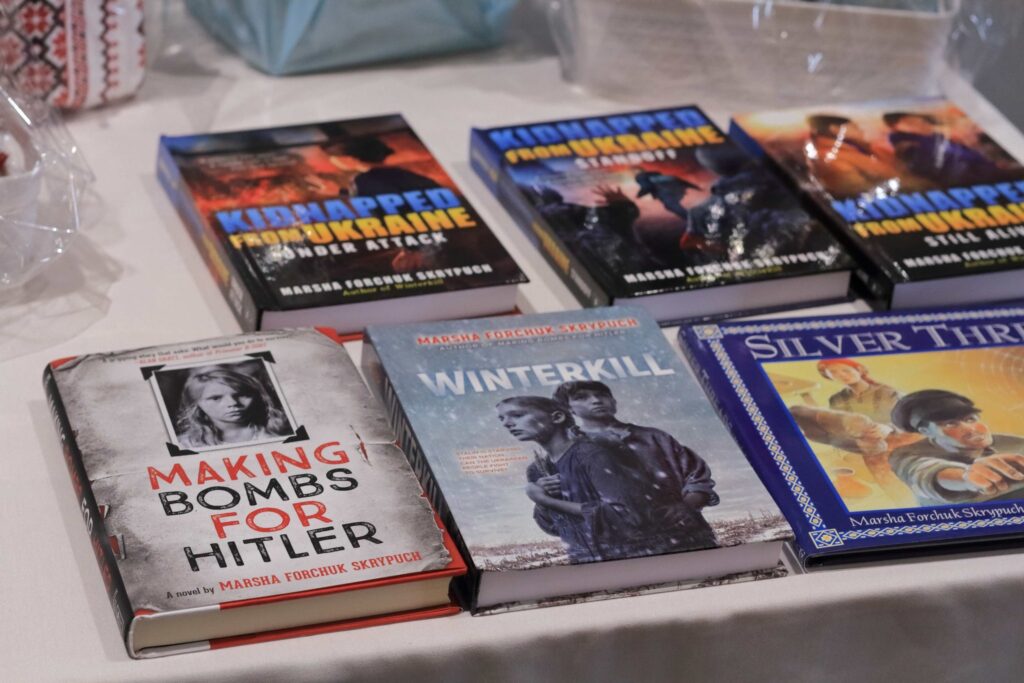
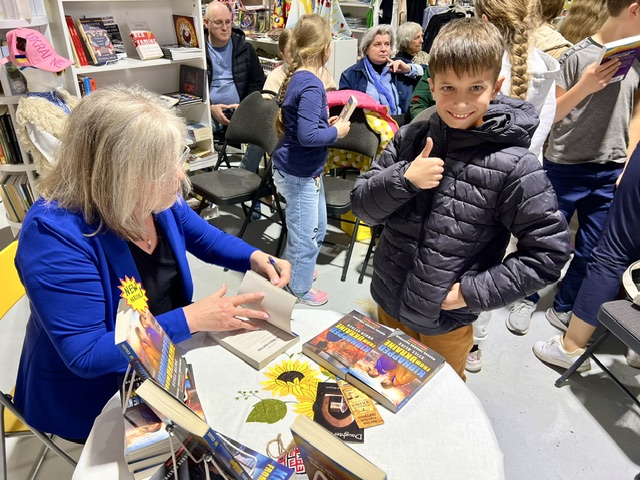
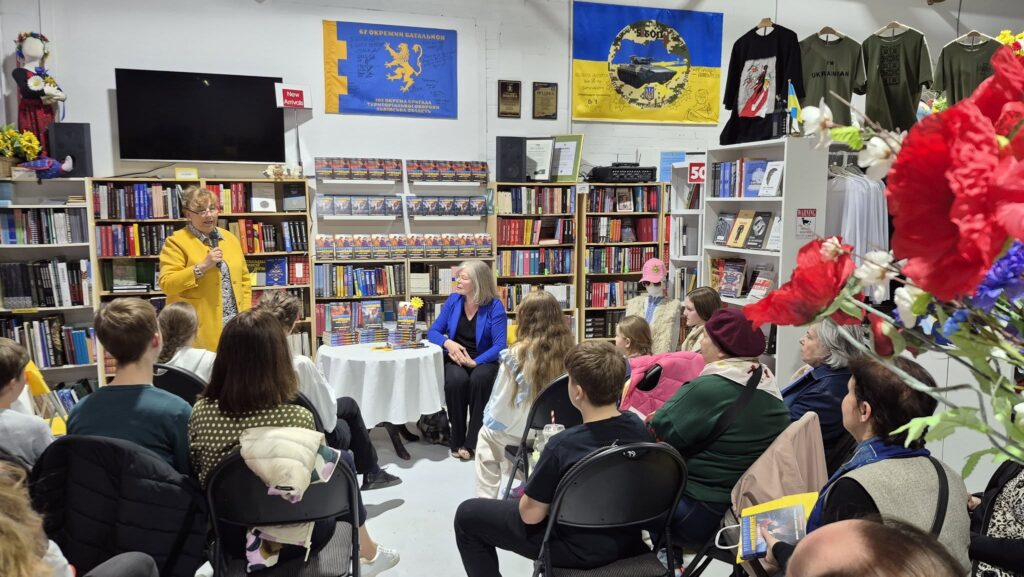
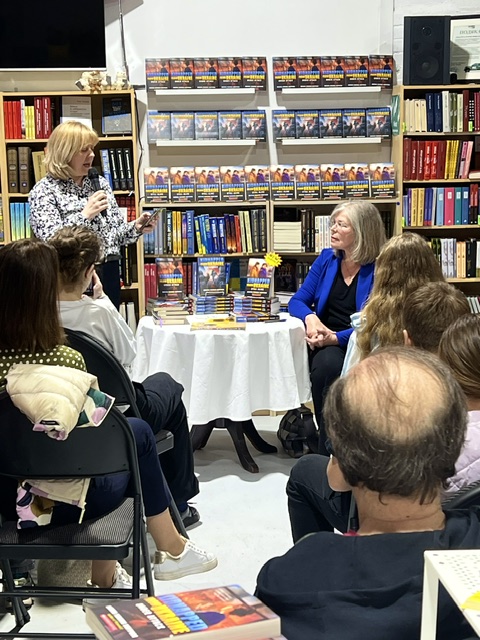
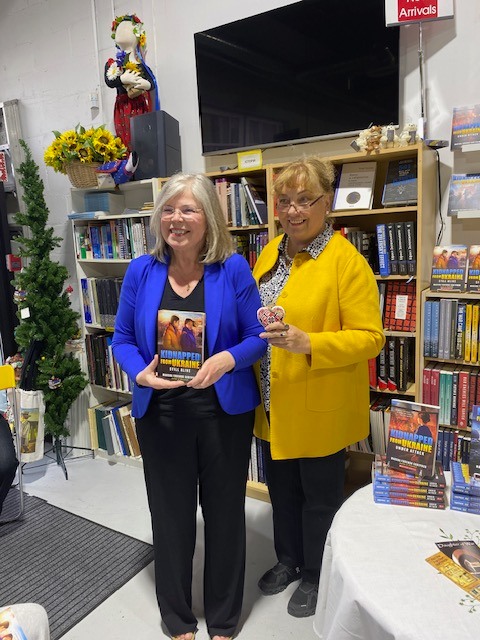
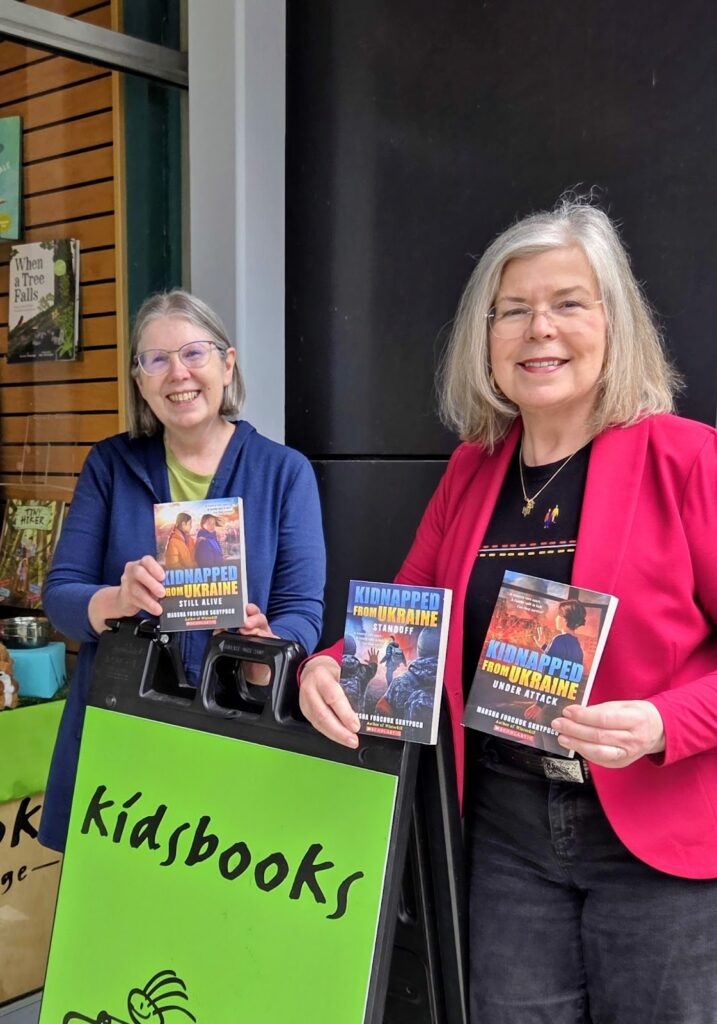
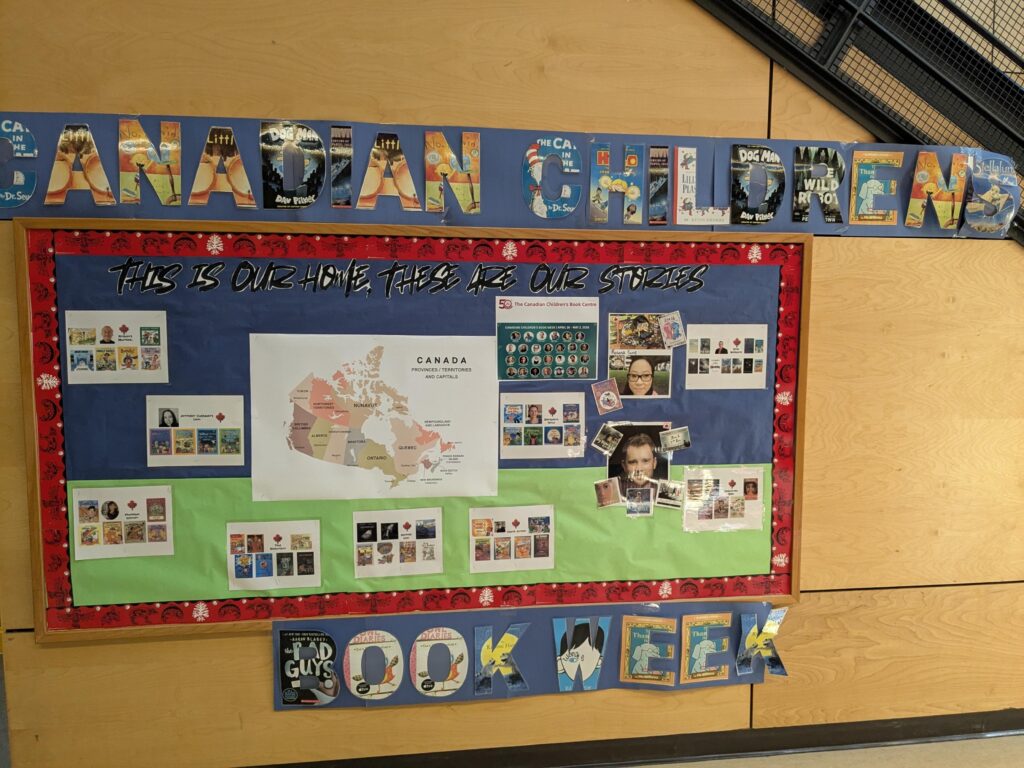
Book Week, organized by the Canadian Children’s Book Centre, is a wrap! I met so many great people in North Vancouver and the Sea to Sky region. Read about it here (from the bottom up if you want it chronological!)
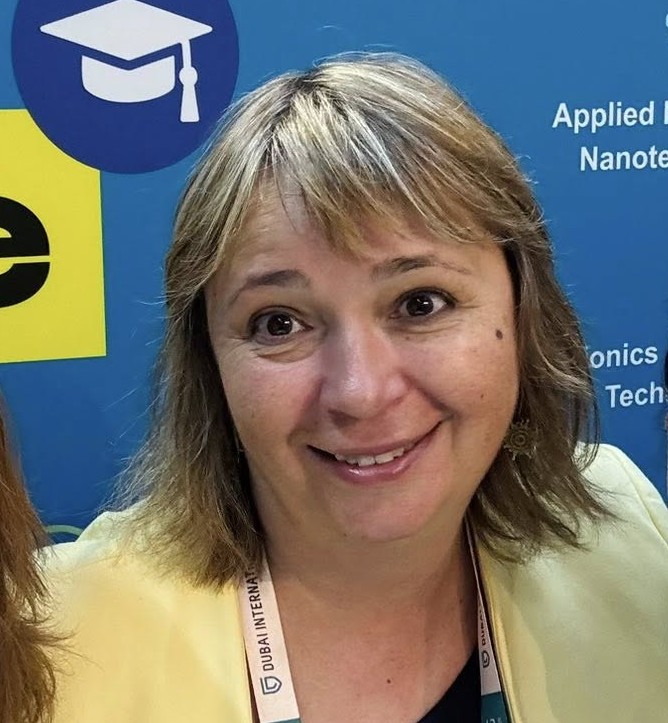
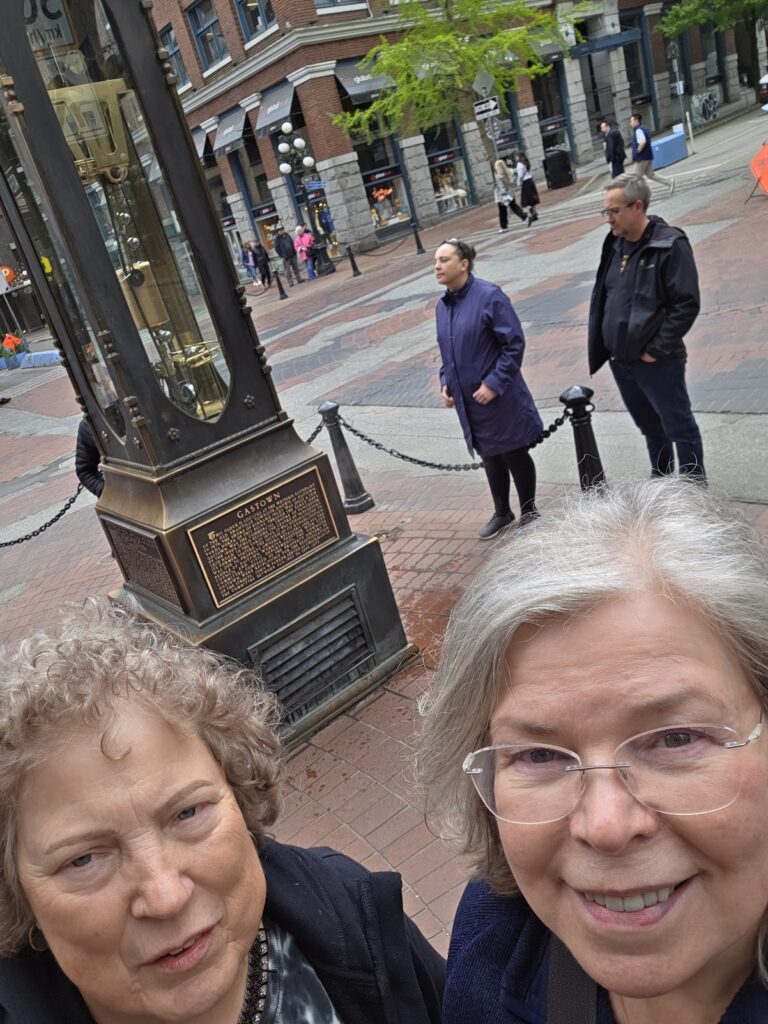
Paulette had been telling me for months that I needed to meet her friend Svitlana Kominko, the founder of the Maple Hope Foundation, an organization that emerged in 2014 when the founders met during solidarity marches in Vancouver for the Euromaidan Revolution. We met for dinner on Friday night and talked for hours. I have such deep respect for Svitlana and all that she and her team have been able to accomplish to assist Ukrainian mothers who have lost their children during war. Do check out her website and donate if you can. I wish we had got a photo of us together! Here’s a pic of Svitlana, scooped from her facebook page. What an emotional way to end an amazing week. I flew home the next morning.
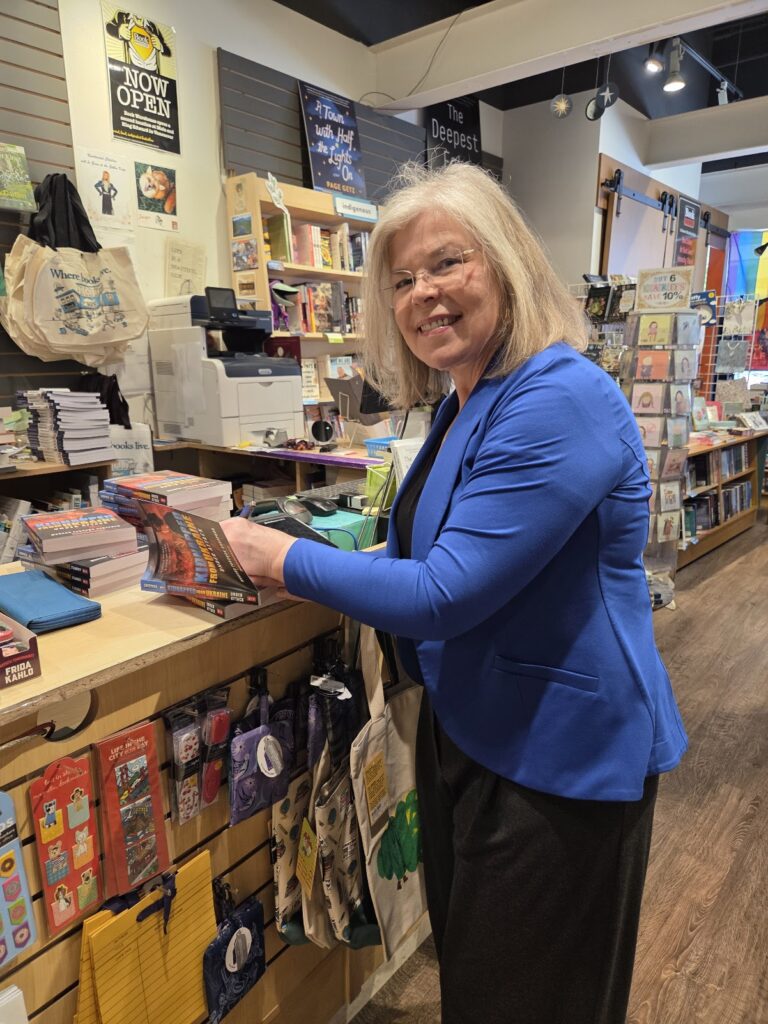
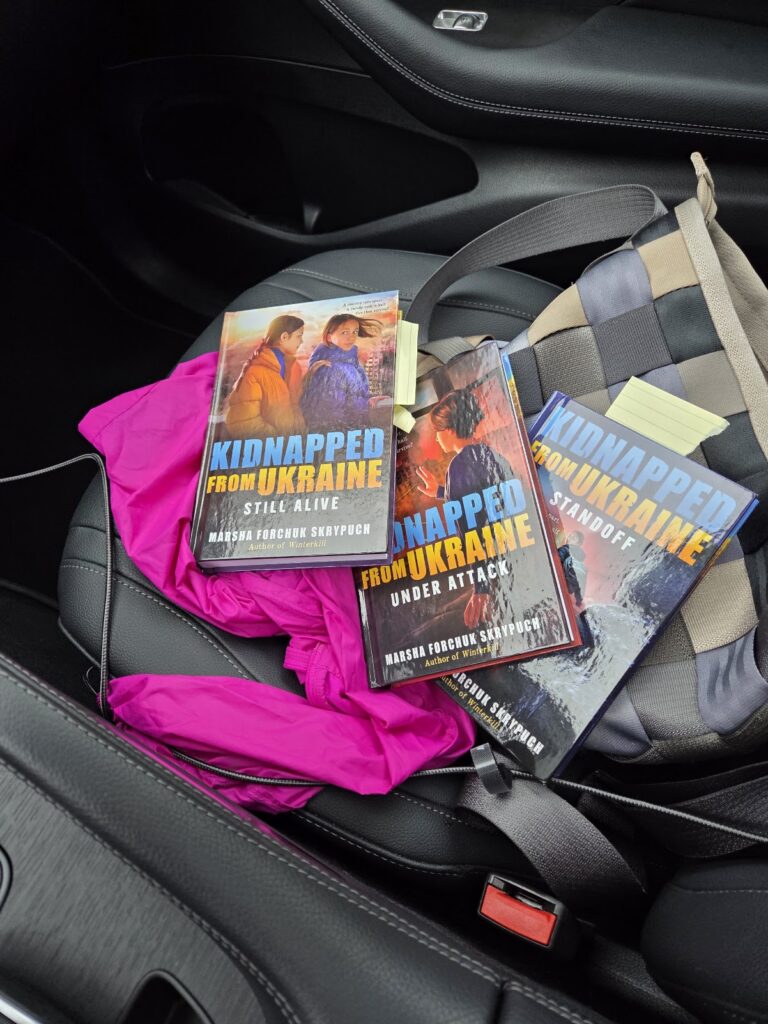
After my last school session and on my way to returning the rental car, I stopped in at Book Warehouse on Main to autograph their stock copies of my books. The traffic was heavy and where I parked wasn’t exactly great, but the books are signed! LOVE independent bookstores. They are an author’s best friend, and readers’ best friend!
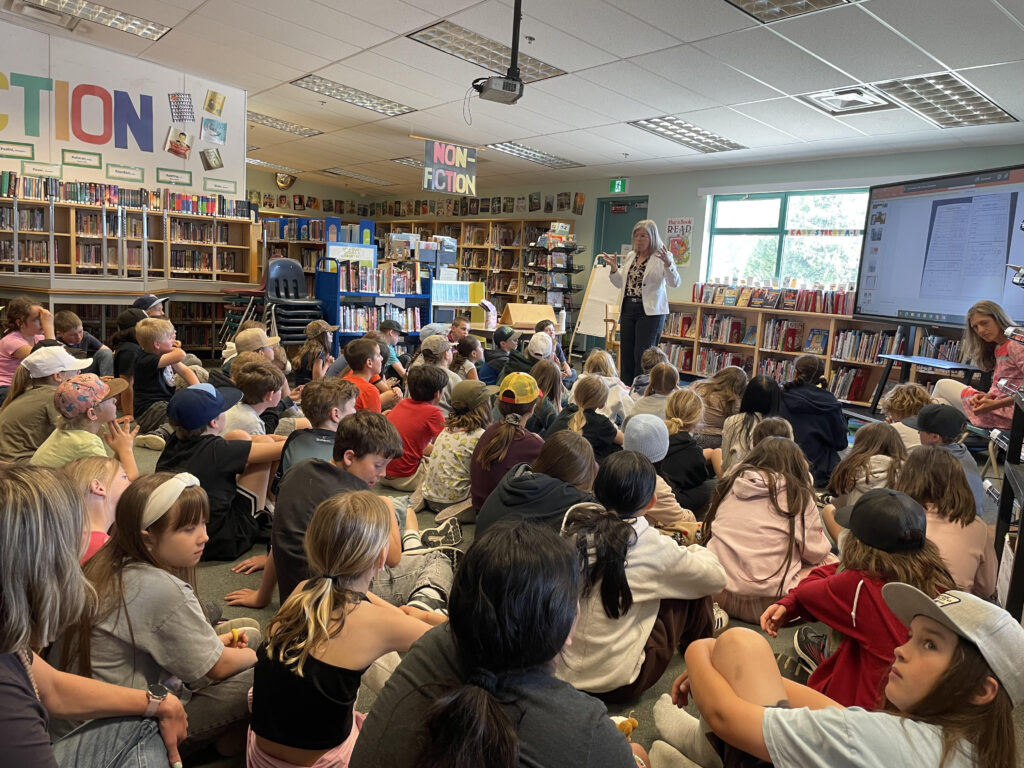
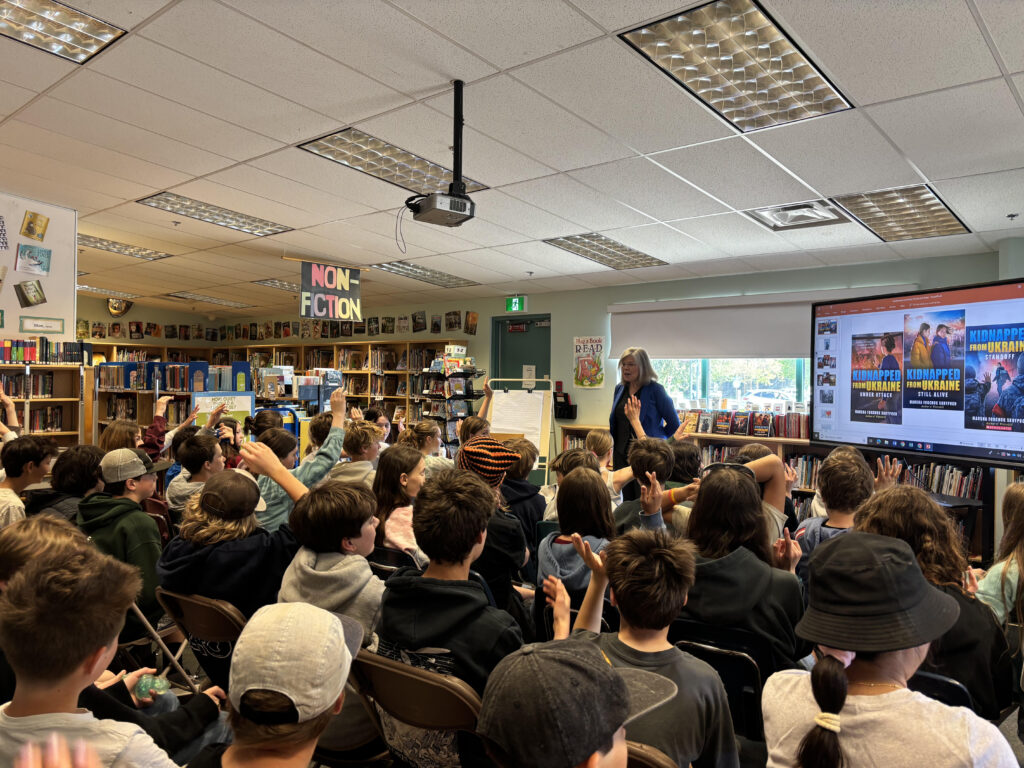
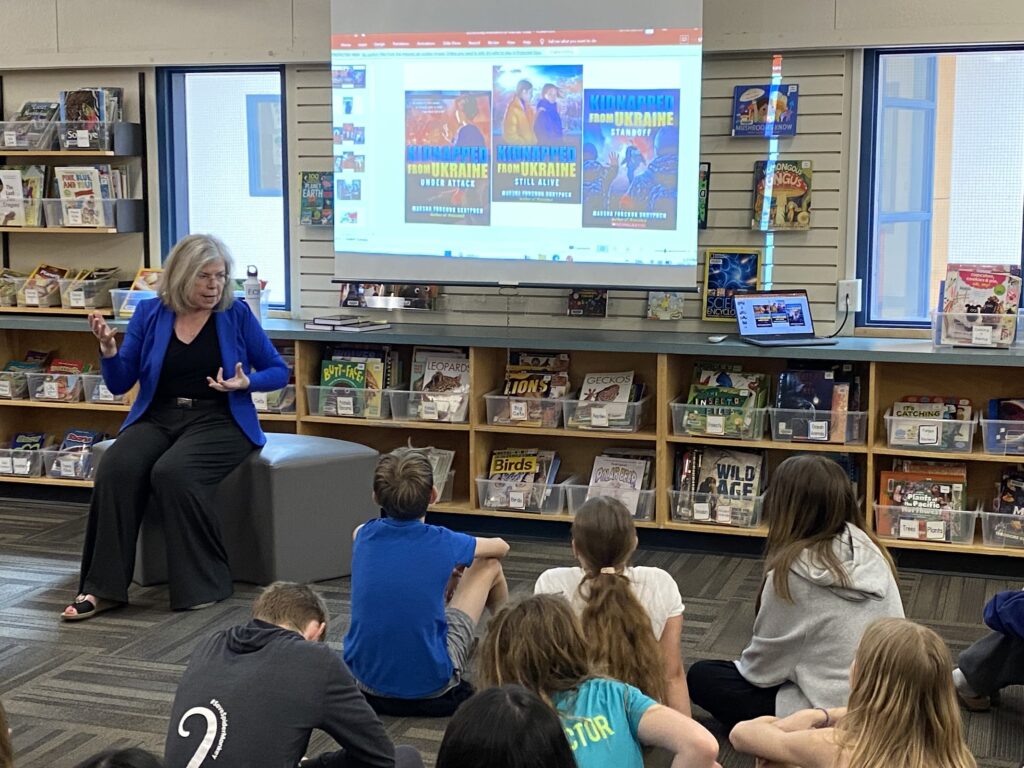
My final school visit for Book Week was on Friday afternoon at École Sherwood Park ES. Students had so many interesting questions and observations about writing, world history, the war in Ukraine, and dyslexia. Often, by Friday afternoon, students are tired, but these young readers were animated and interested. Thanks so much, Patricia Laursen, teacher-librarian!
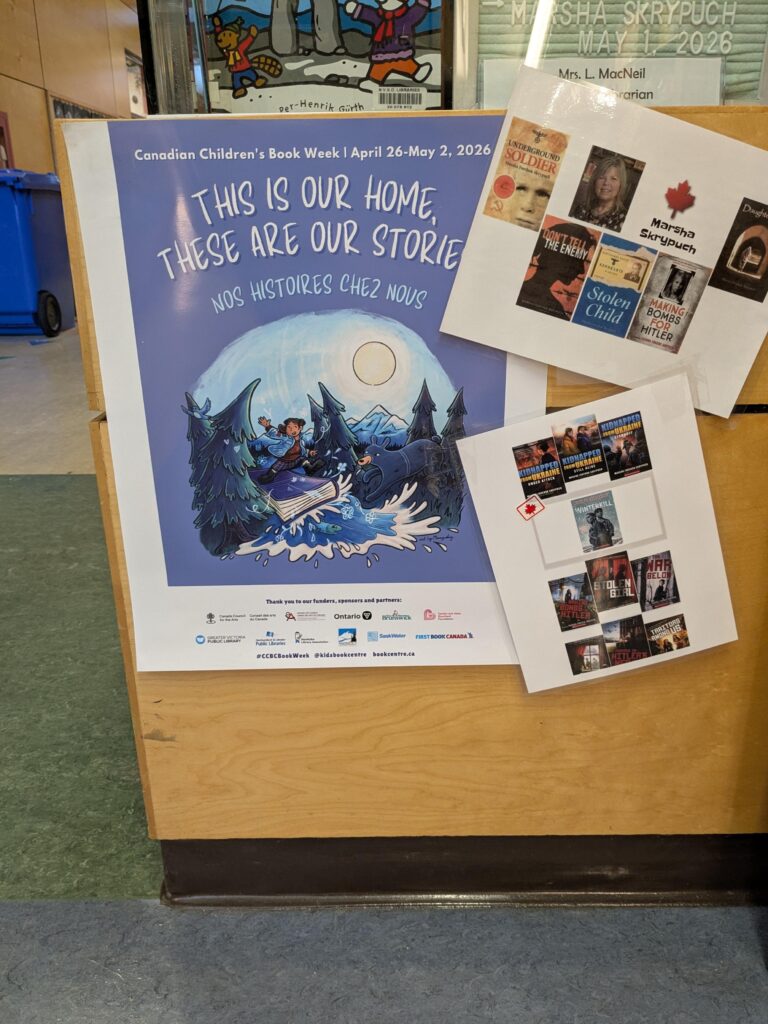
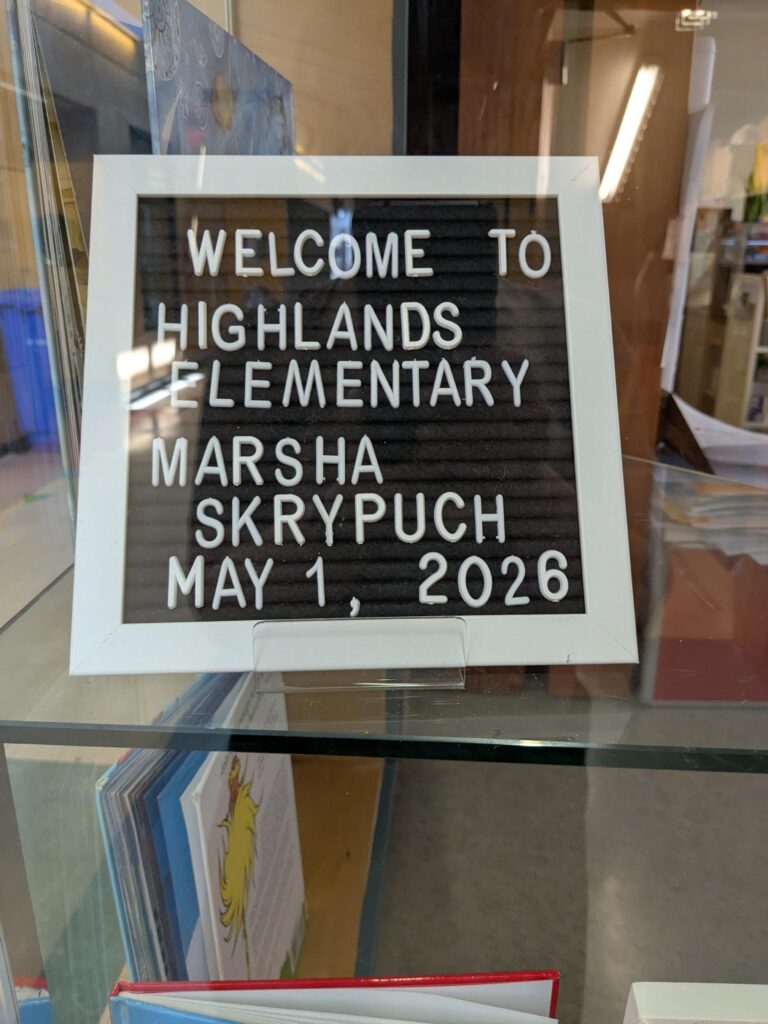
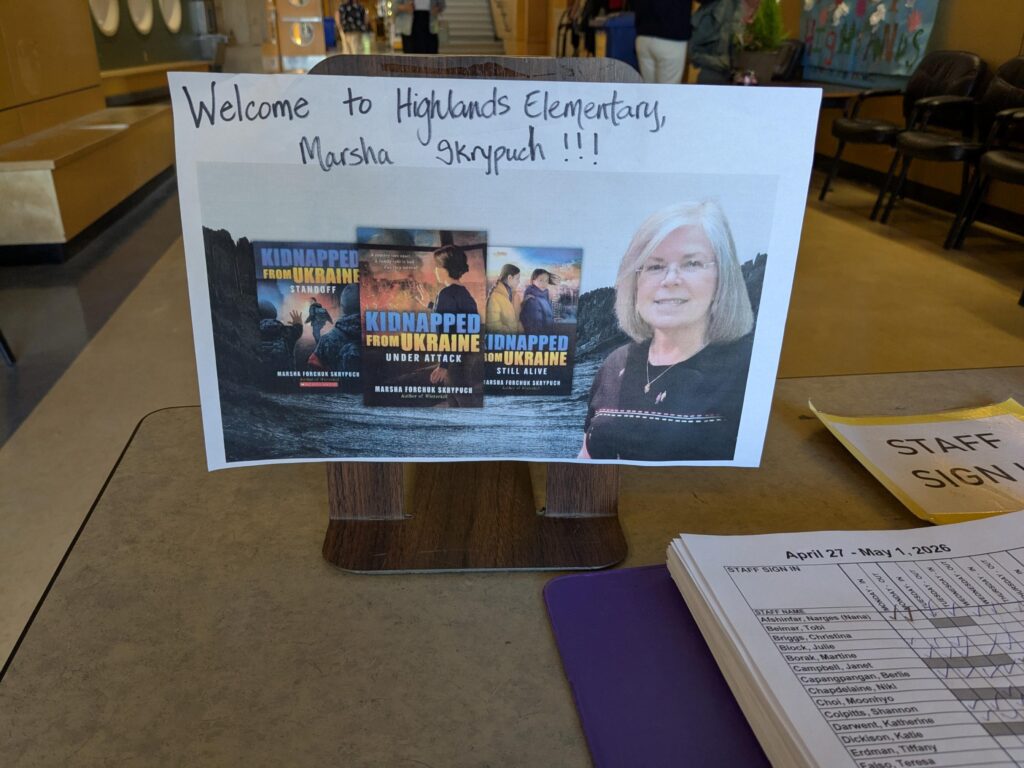
I had been in correspondence with Linette McNeil, Highland’s teacher-librarian, for several weeks. She had been searching for copies of my Dear Canada novel, Prisoners in the Promised Land, but could only find used copies. Nearly all of my 30 years of books are still in print, but this one currently isn’t. However, a few years ago the Toronto Ukrainian Canadian Congress ordered a special print run in softcover to give as a graduation gift to grade 8 students in Toronto Ukrainian schools. I received some author copies. I brought Linette two of them, and in lieu of payment, she made a donation to the Canada-Ukraine Foundation.
What a lovely surprise I had when I got to the school!
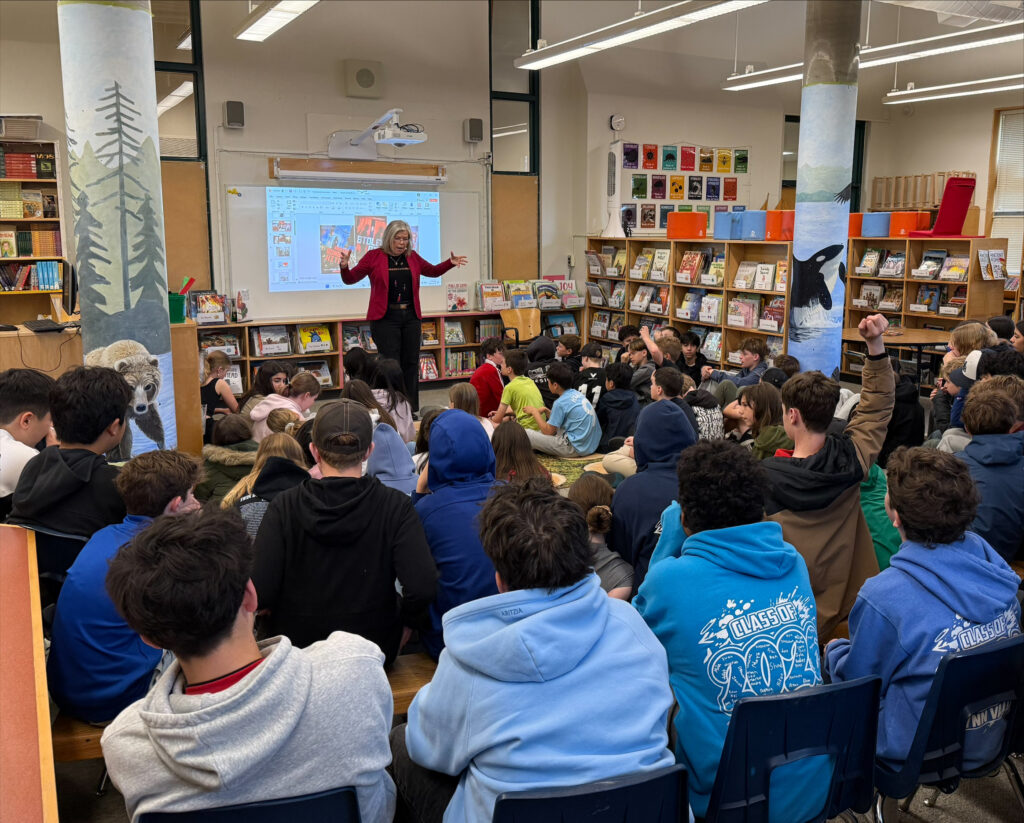
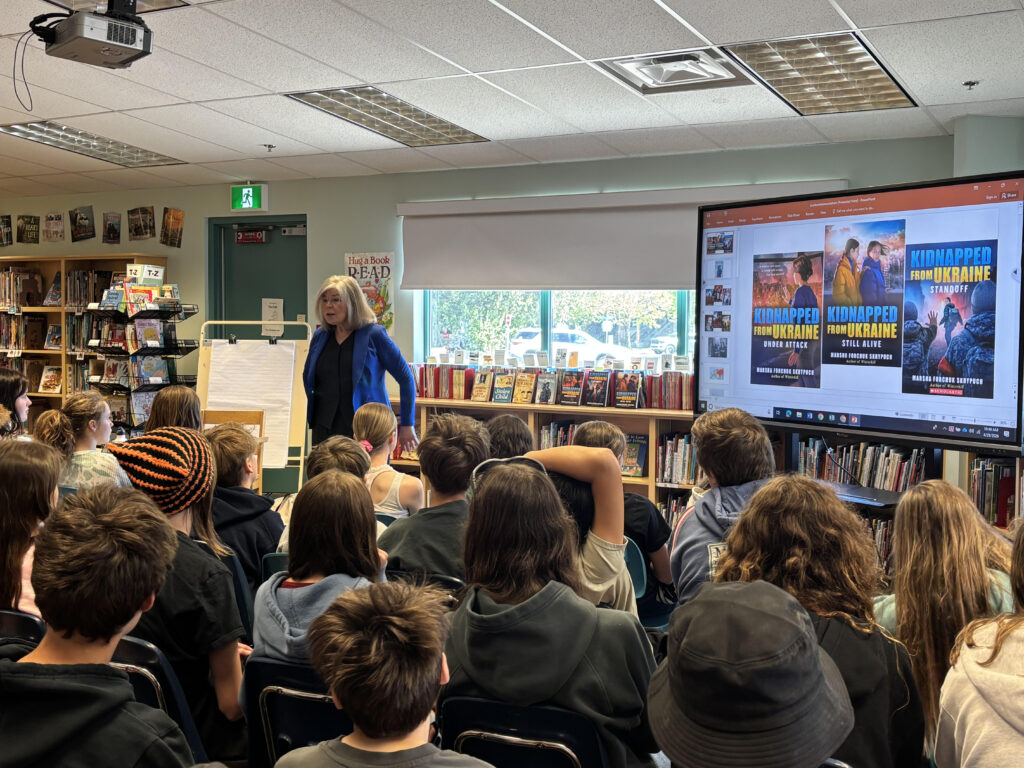
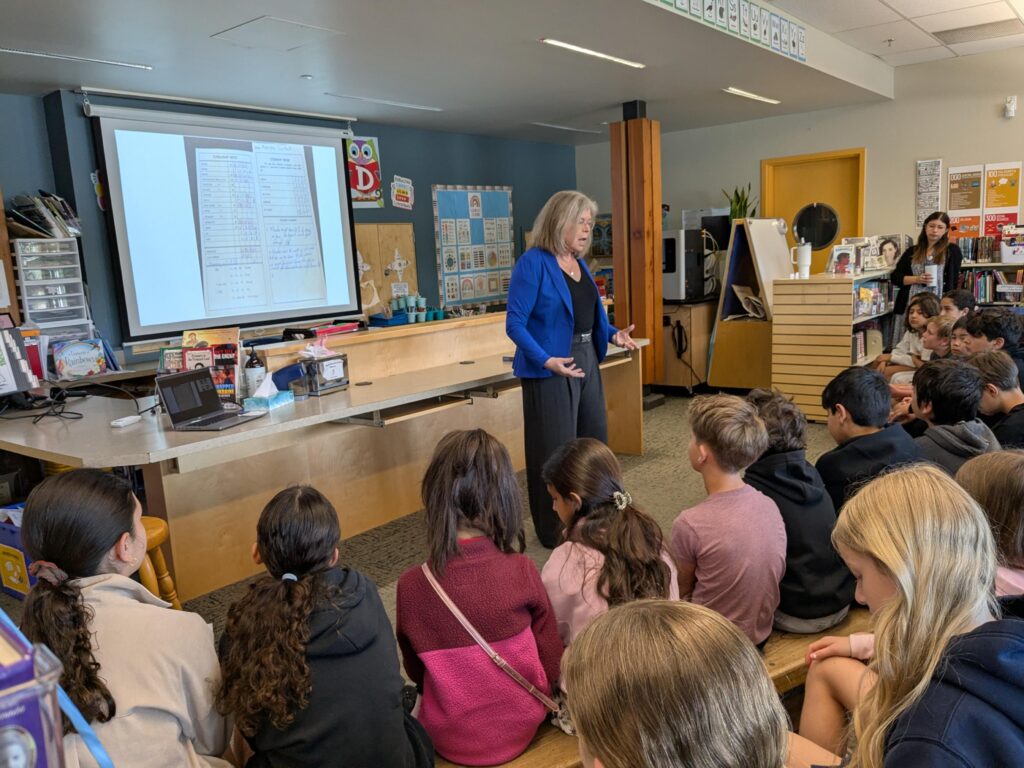
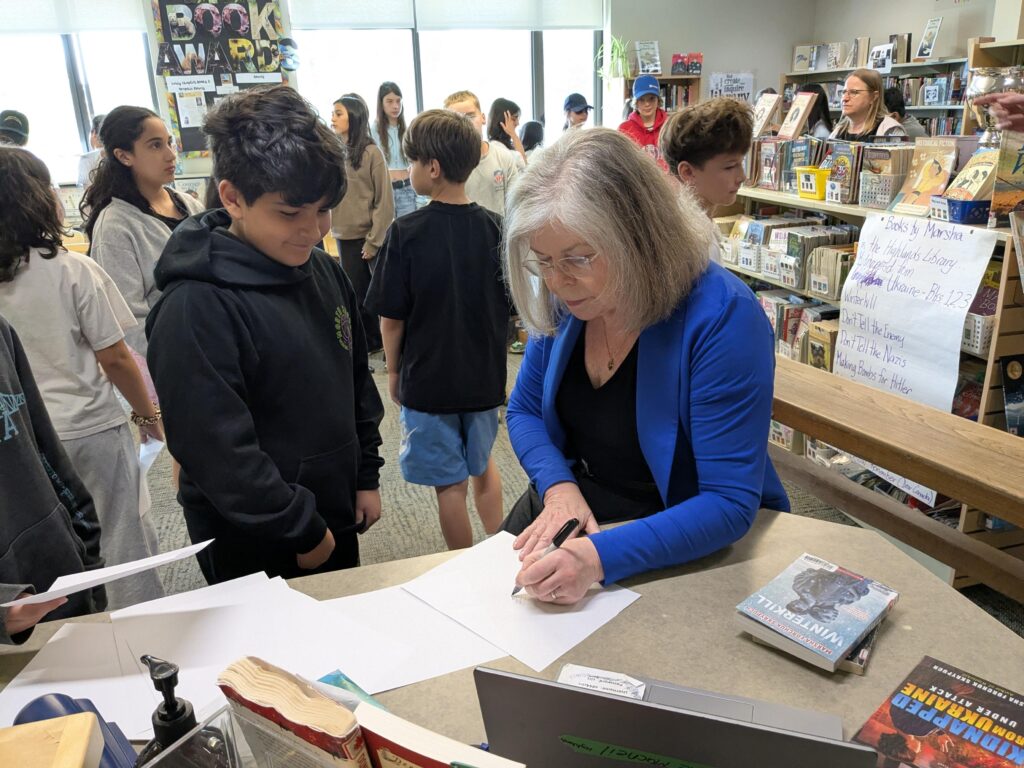
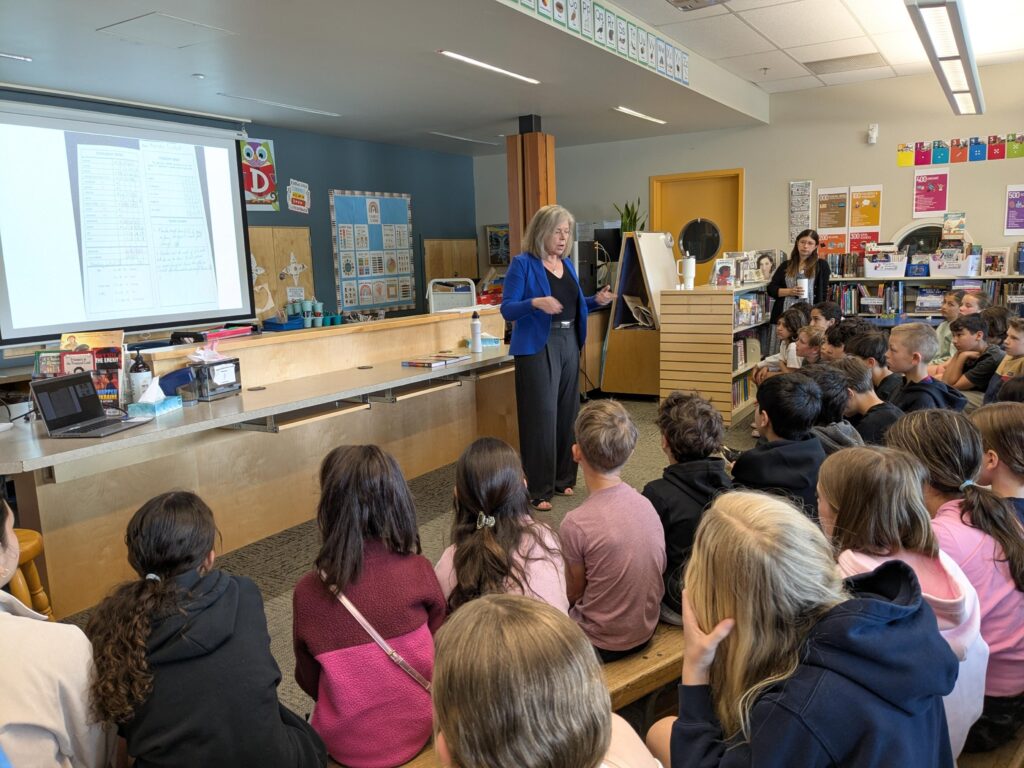
Students were very engaged and asked lots of questions. In the background is my grade 4 report card — the first one — when I was failed.
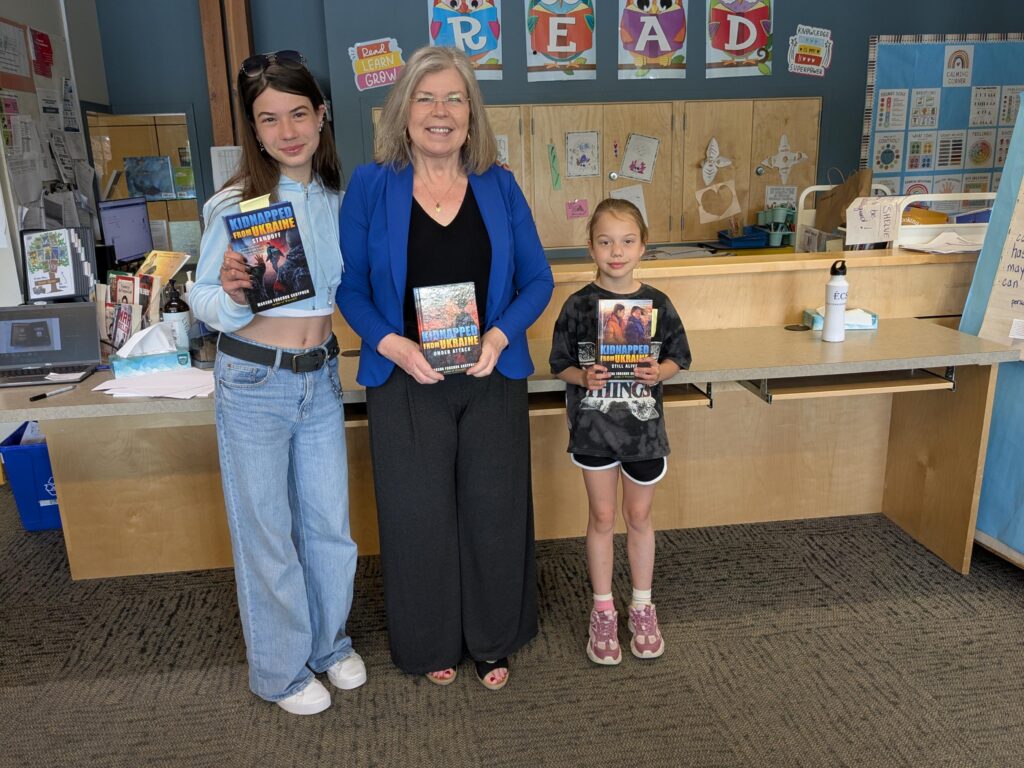
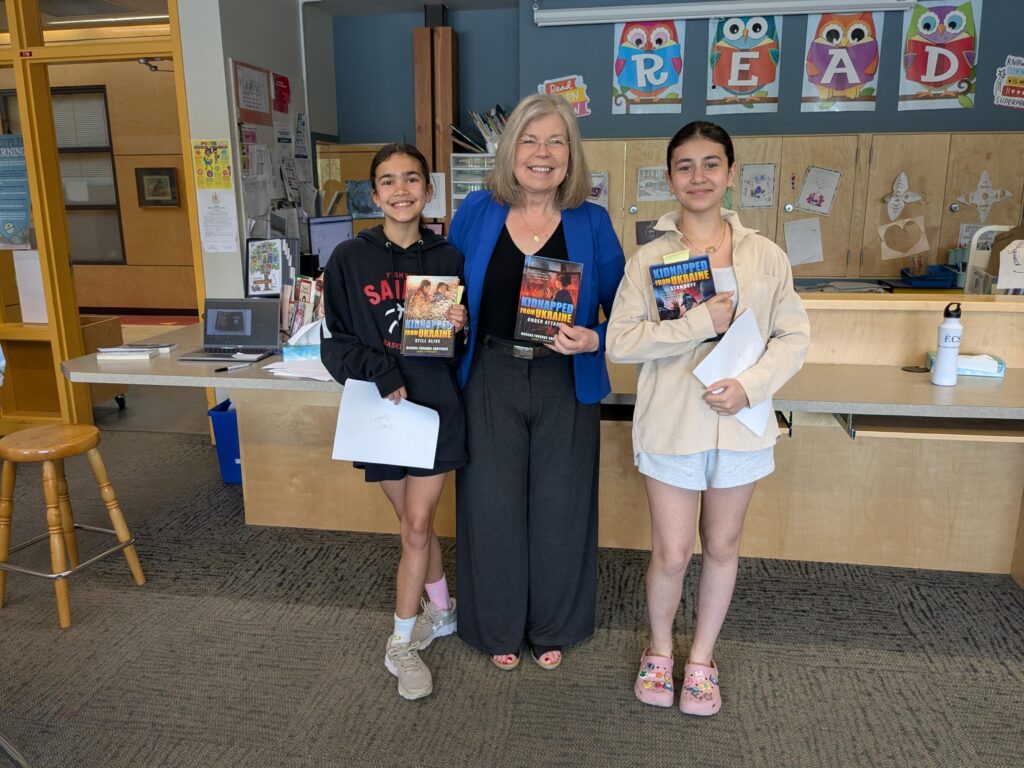
K, who escaped from Mariupol when the the 2022 attacks began, was in the audience and stayed after to introduce herself. She asked if she could get her sister M out of her class so we could meet and get a photo. A very emotional meeting.
These are the students who introduced me. I’m always impressed with students who are able to get up in front of a big group of their peers and calmly deliver their words.
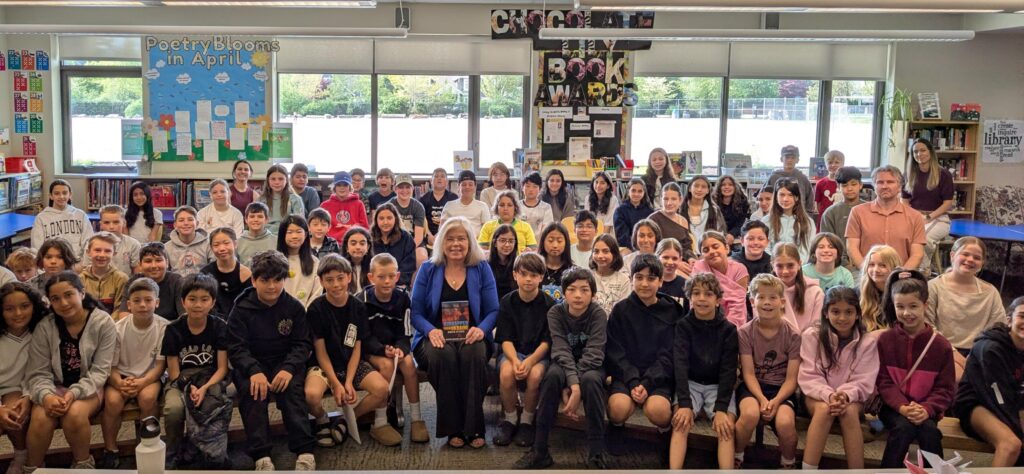
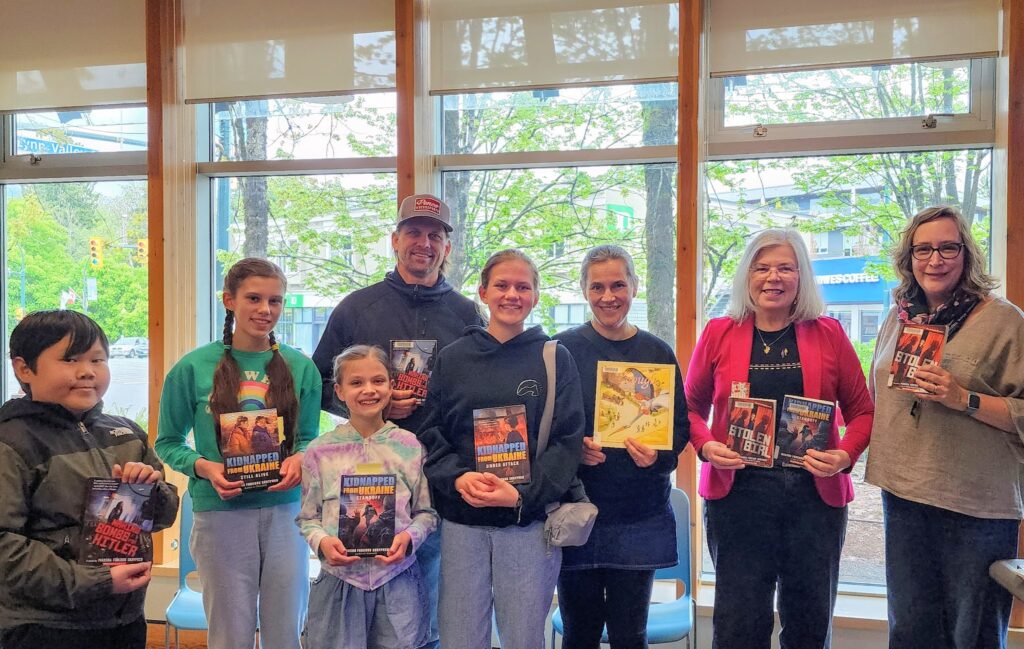
We got a group pic too!
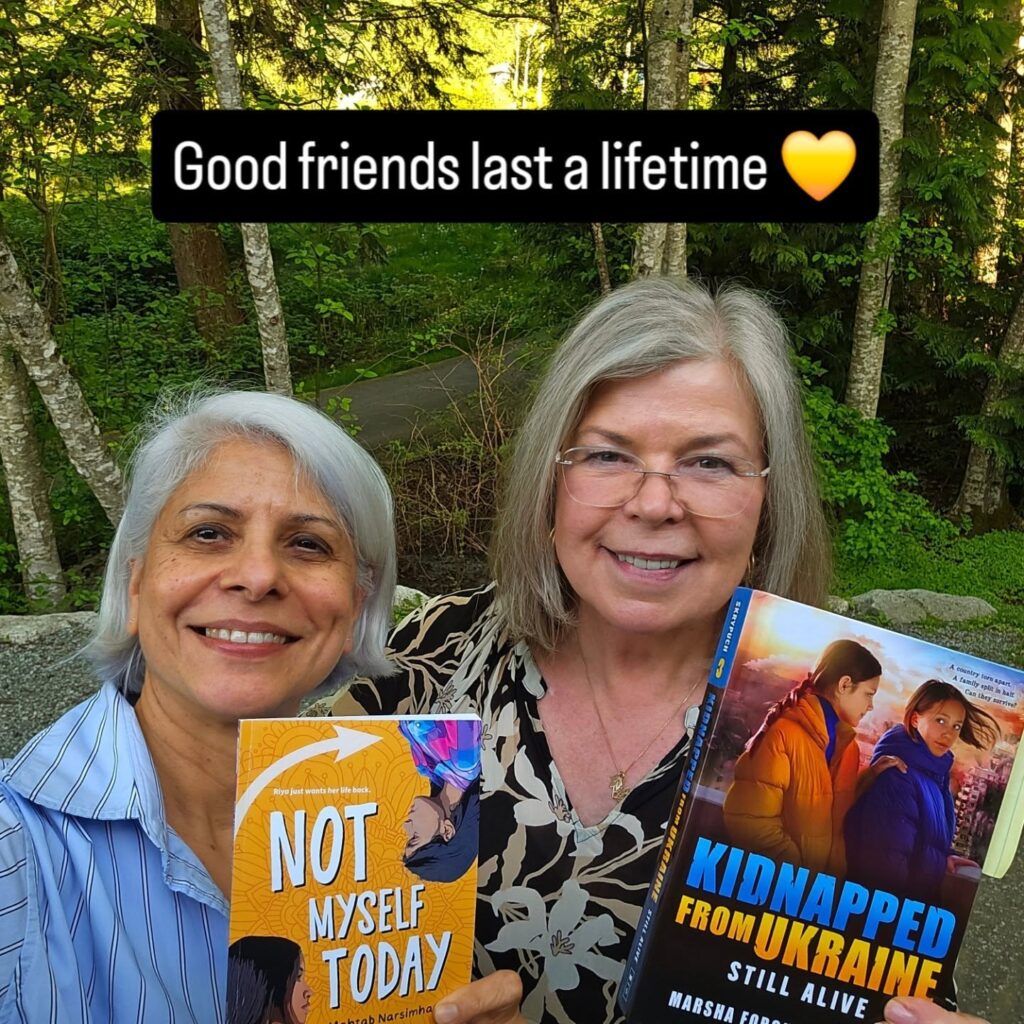
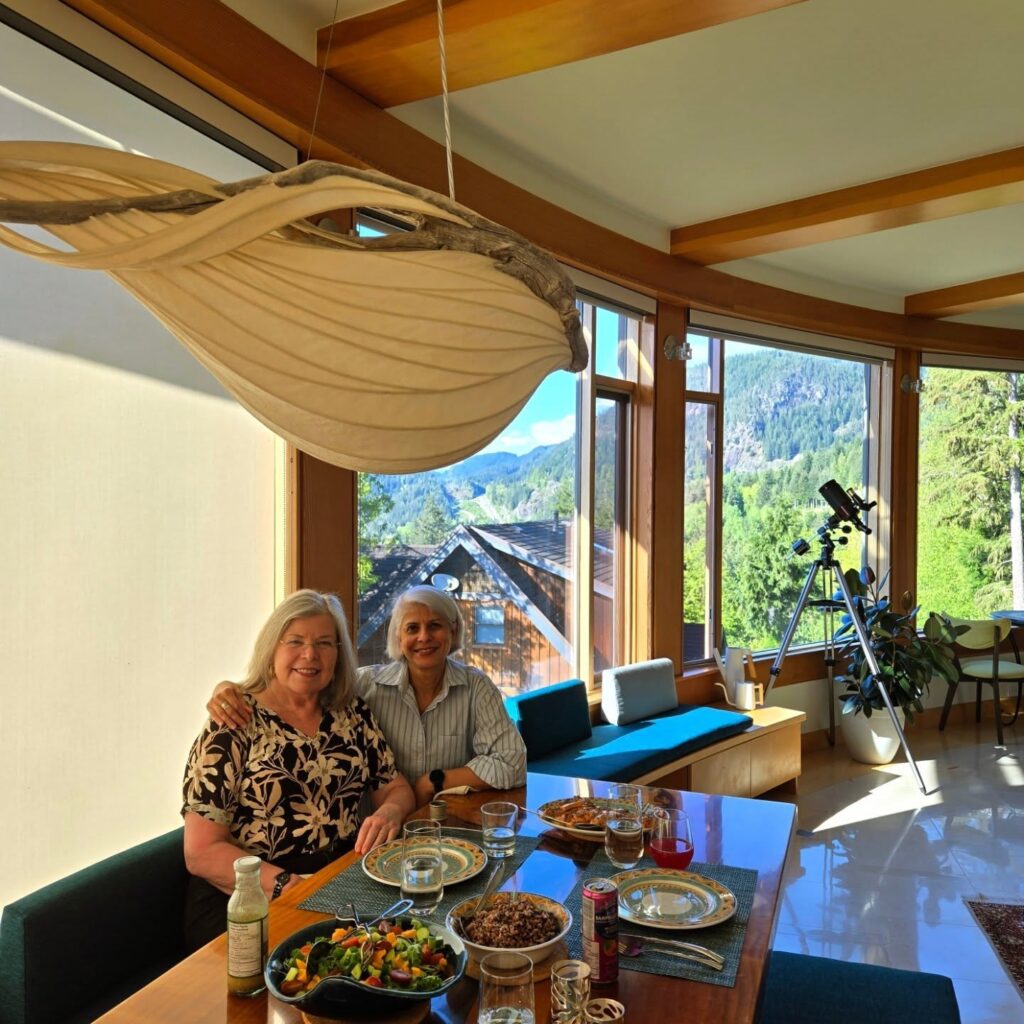
Mahtab and I have been friends since the early 2000s when she joined my online critique group. I was over the moon when her first novel, The Third Eye, won the Silver Birch award in 2009! Since then, she’s never looked back, writing one fantastic novel after another. I hadn’t seen her in person for more than a decade because she moved to the west coast, so it was such a wonderful treat to celebrate Canadian Children’s Book Week not far from Mahtab’s home! She invited me to dinner on Thursday evening as I was traveling from Pemberton back to North Vancouver. She cooked up a feast and it was like no time had passed at all! I’m already missing her!
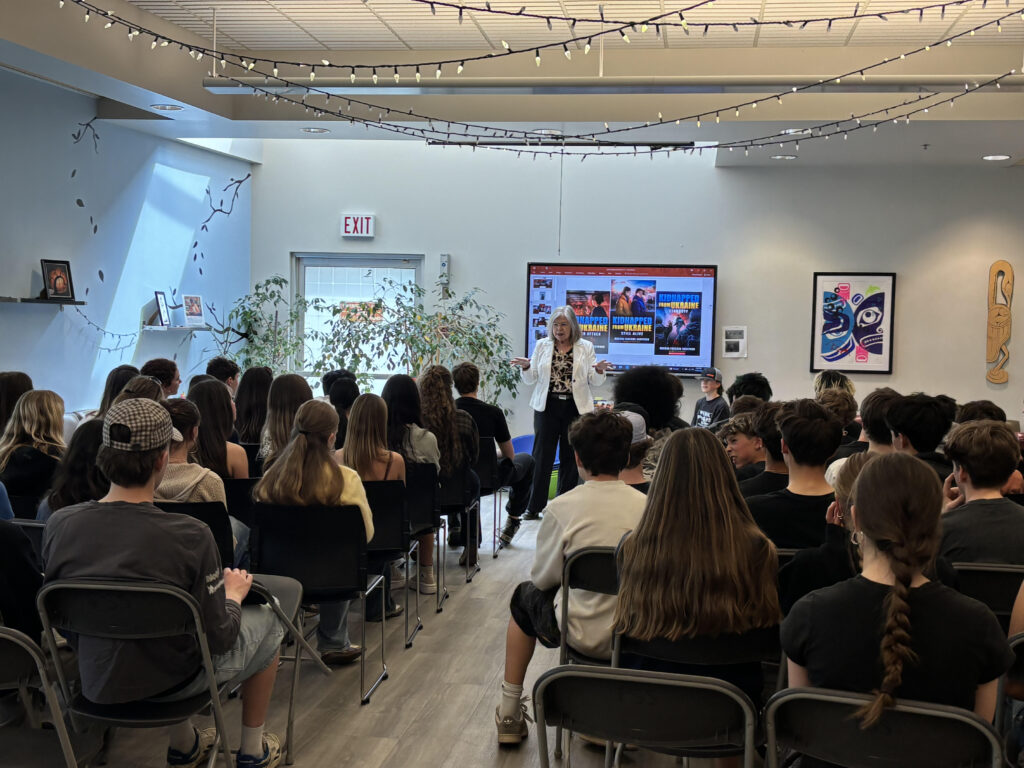
I was back at Signal Hill in the morning on Thursday and had the opportunity to speak with grade four students. They were very engaged and had lots of questions. In the afternoon, I presented to grade nine students at Pemberton Secondary School. Nicole was also the teacher-librarian for this school! I am impressed and amazed by how many hats she wears! With older students, I like to talk about the process of writing a book, including research and challenges, getting it published, what happens then. We also discussed the need for accurate information, even in fiction. Often grade 9s won’t ask questions, but these students weren’t at all shy and asked away.