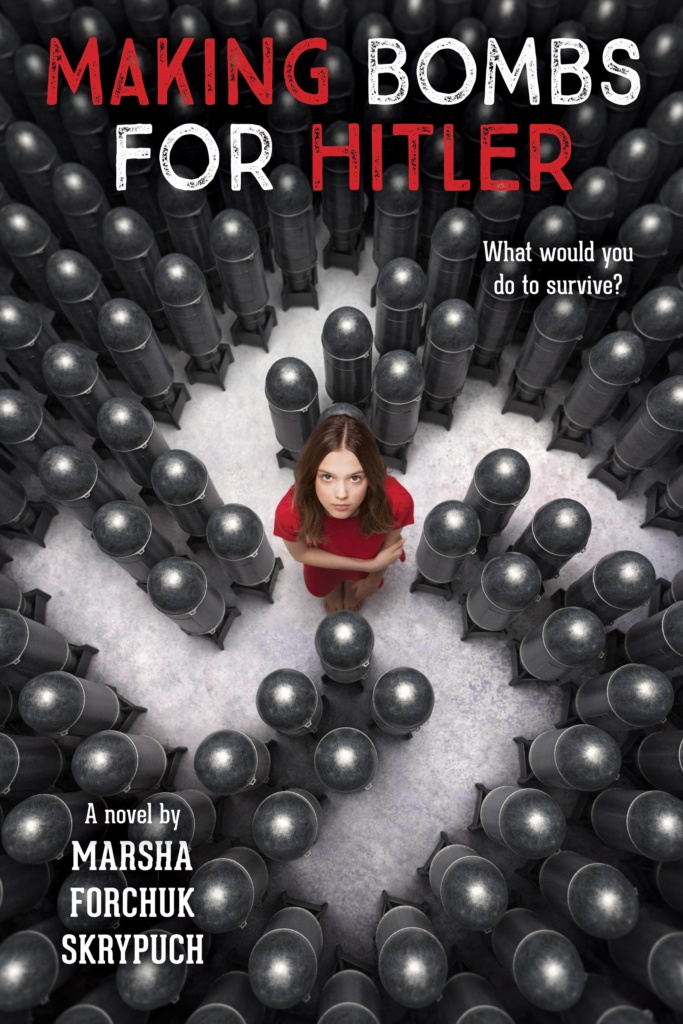
The highlight of the reunion was on Sunday, the day after our dinner. Three carloads of Forchuks convoyed out to the original Forchuk family homestead near Lake Eliza. Leading the pack was us, with Orest driving and Dad and Mary in the back, Dad giving directions. On the way we picked up Dad’s childhood friend, Nestor. The very first work of fiction that I ever wrote was The Red Boots, based on an incident in my father’s childhood. Nestor was a character in that story, but it was told from Dad’s point of view, so you know who came out better. As soon as Nestor got in the car, he told me that things weren’t quite like what Dad told me. So very interesting to have two characters of my story arguing in the back seat.
We drove through beautiful farm country and through Elk Island National Park (we saw buffalo but I didn’t get a pic!) though Mundare and Hairy Hill. At Two Hills, Dad suggested we stop for lunch.
Two Hills is a very small town. We drove around looking for a place to eat. We parked in a plaza that had what looked like a pizza and wings billiard place and a grocery store:
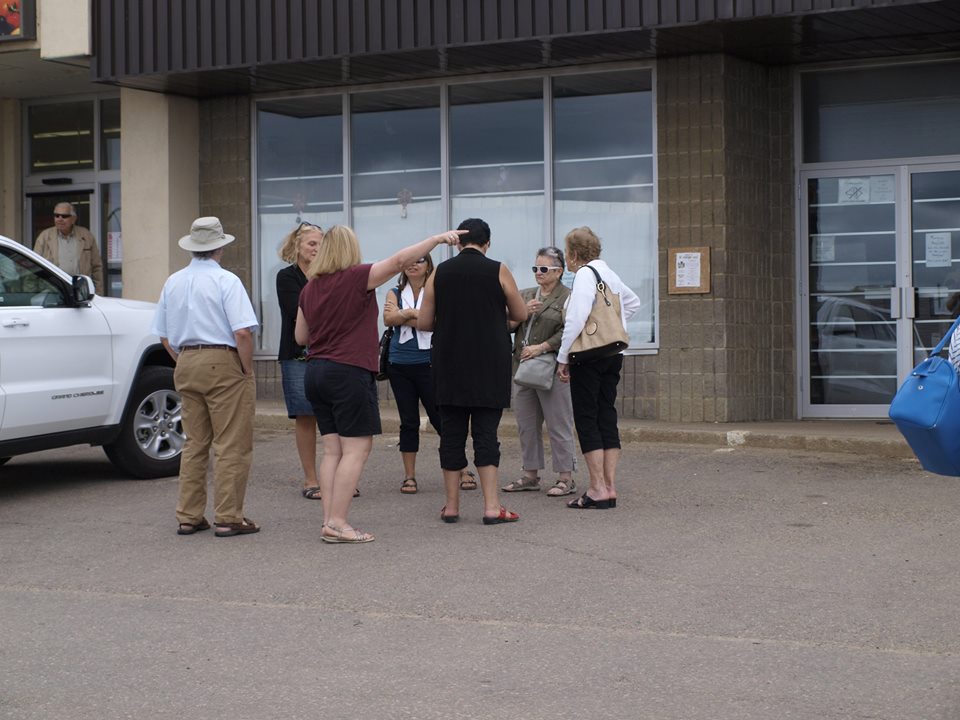
We all piled into the billiard pizza/wings place and had very nice pizza for lunch. One thing that puzzled us was that in this tiny little town there were SIX liquor stores!
As we all piled back into the cars and continued driving, Dad said from the back, “Remind me to tell you later about how I lost a monkey in Two Hills.”
!!!
He did tell us on the way home. It’s the stuff of a novel.
We passed through Myrnam, which is where Nestor was from, and he pointed out his house to us. Shortly after that, we crossed over the North Saskatchewan River and Dad directed us to turn right onto a very narrow dirt road.
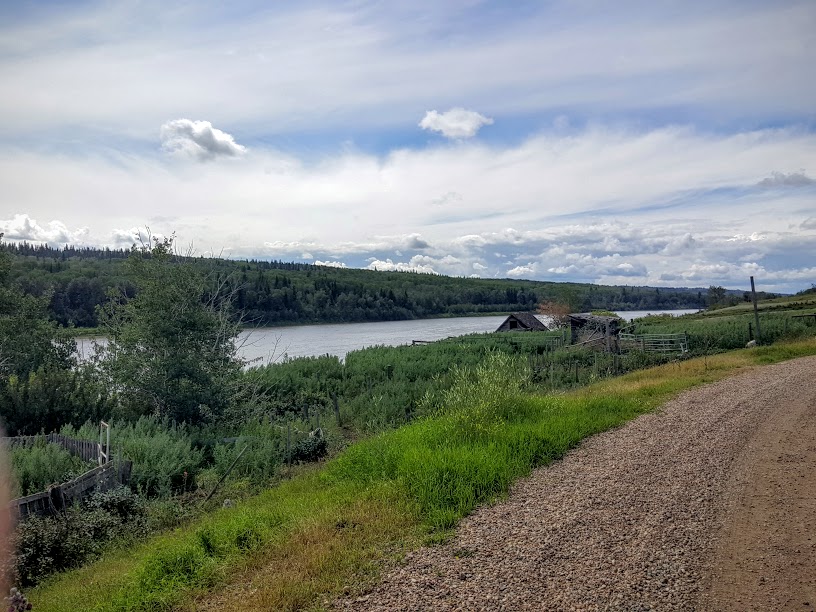
“Our homestead should be just up here,” he said, peering out the back window. We rounded a corner, and on a hill was a house.
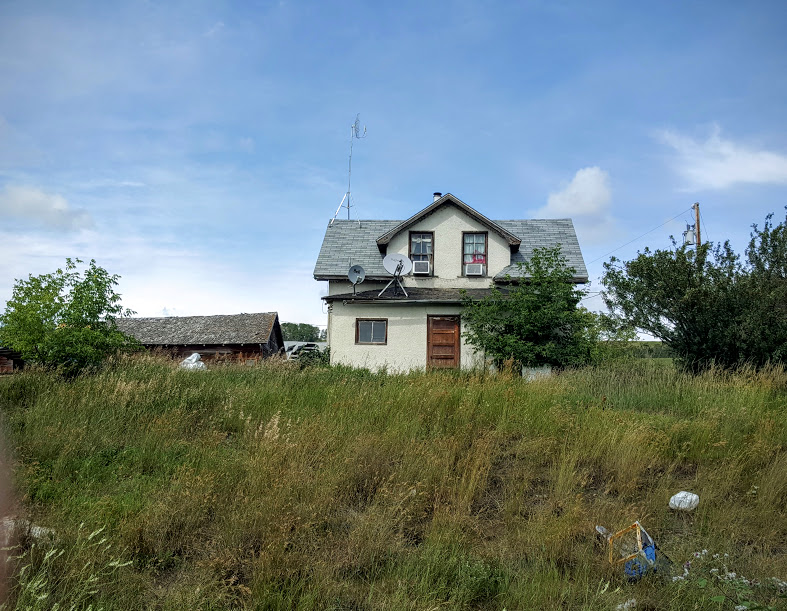
“That’s where it should be, but that’s not my house.”
“Are you sure?” I asked him. “It’s in the right place, isn’t it?”
“Just drive on,” he said to Orest. “It has to be close. Ours was a one-storey.”
But there were no other houses. We passed beautiful horses in a field, and came upon an island in the river.
“We’ve gone too far,” said Dad. “You’ve got to turn around. We ran a ferry and it was way before the island.”
It’s not easy turning three cars around on a narrow dirt road but we did it.
“Pull up to that farmhouse,” said Dad. “It’s got to be here, but the house looks wrong.”
Orest pulled up the long driveway and a couple of big dogs bounded out, barking excitedly. “I’m going to go and knock on the door,” said Dad. “To tell them why we’re here.”
“Marsh, the dogs,” said Orest. “They don’t look all that friendly.”
“They’re wagging their tails,” said Dad.
But before he could get out, the door opened and a woman came out. I rolled down my window. “We’re with a family reunion,” I said. “My Dad’s in the back seat. He was born here and just wants to see the old homestead.”
The woman put her hands on her hips and said, “If he thinks he was born here, he’s wrong.”
continued in the next post ….
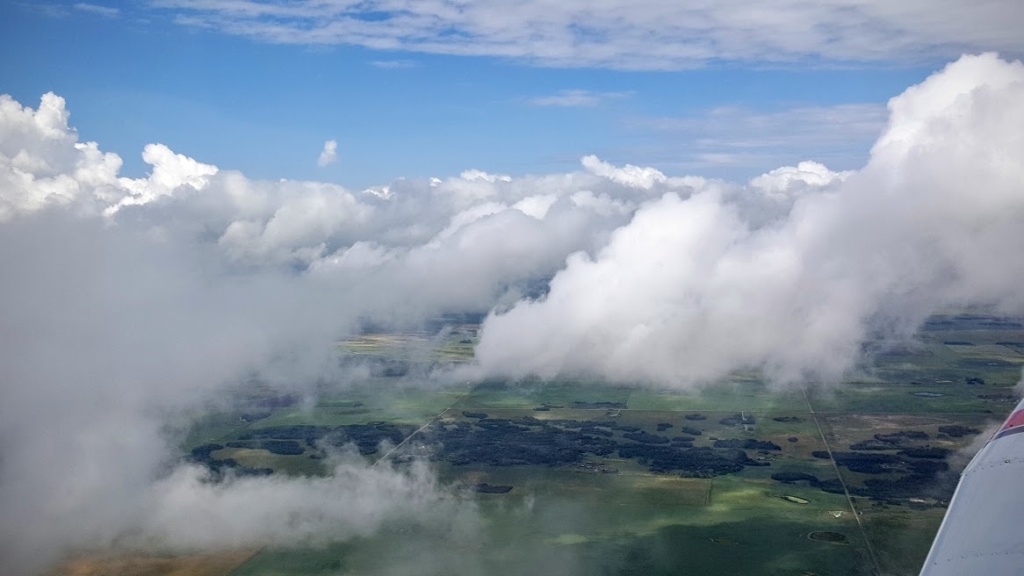
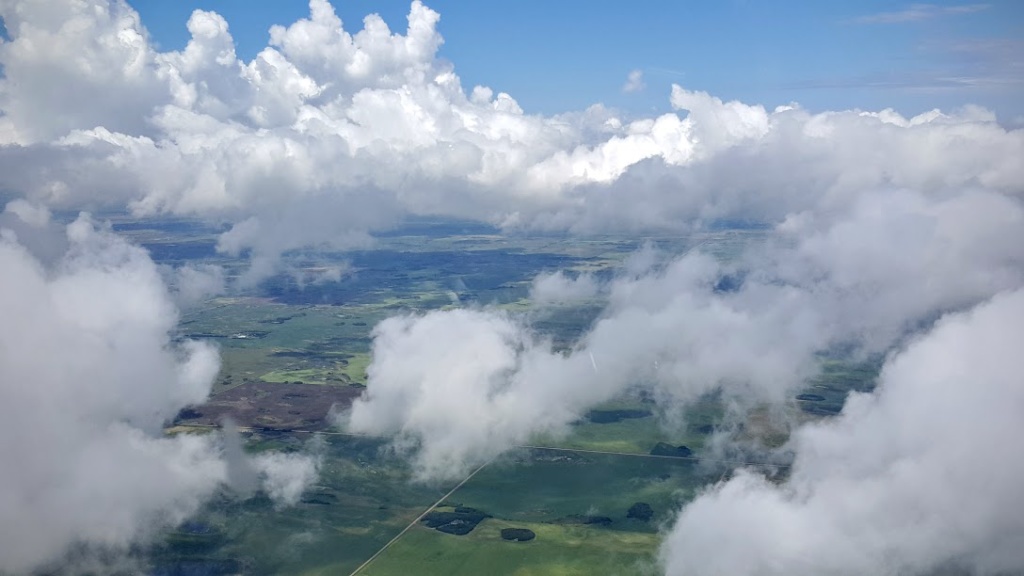
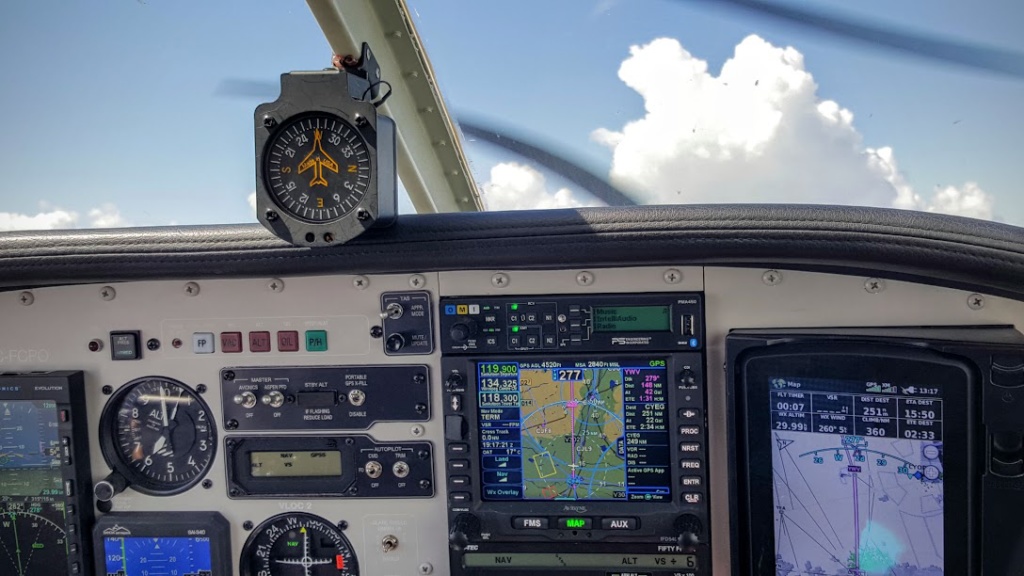
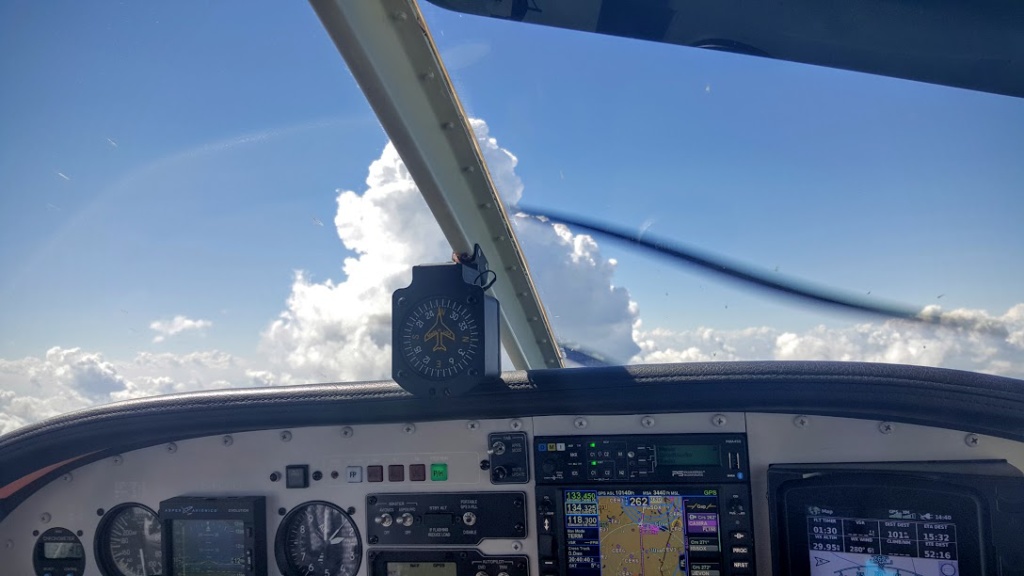
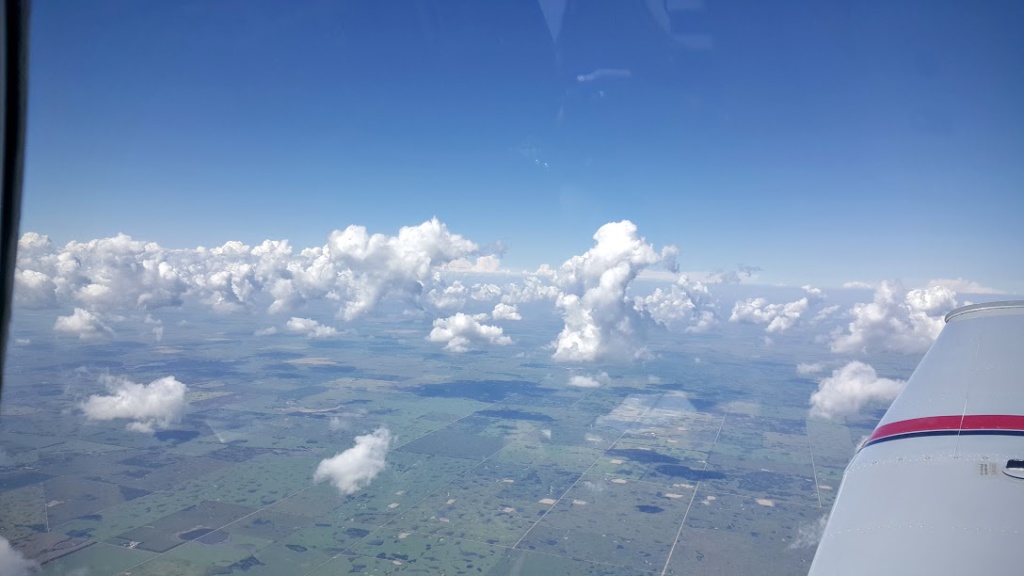
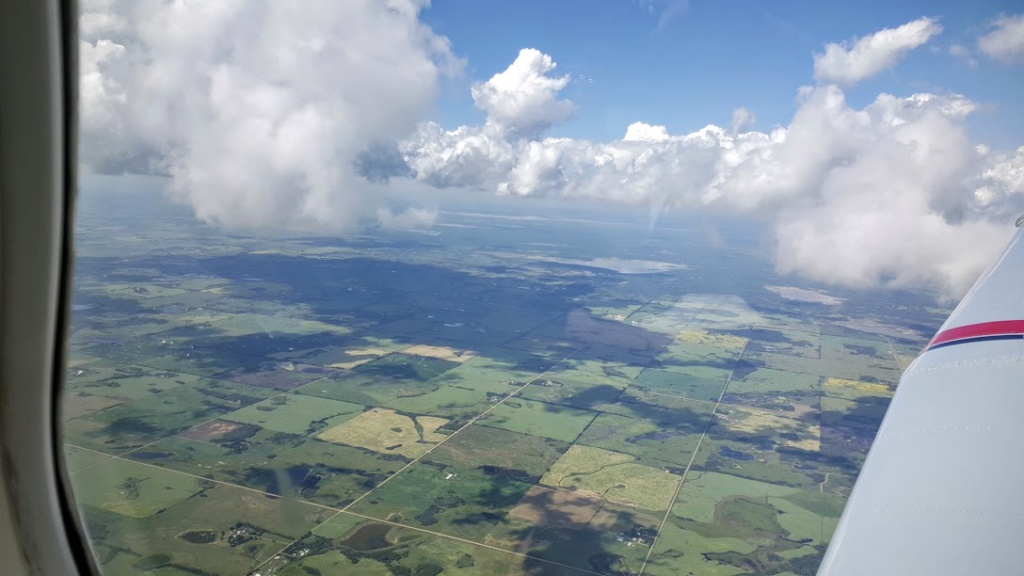
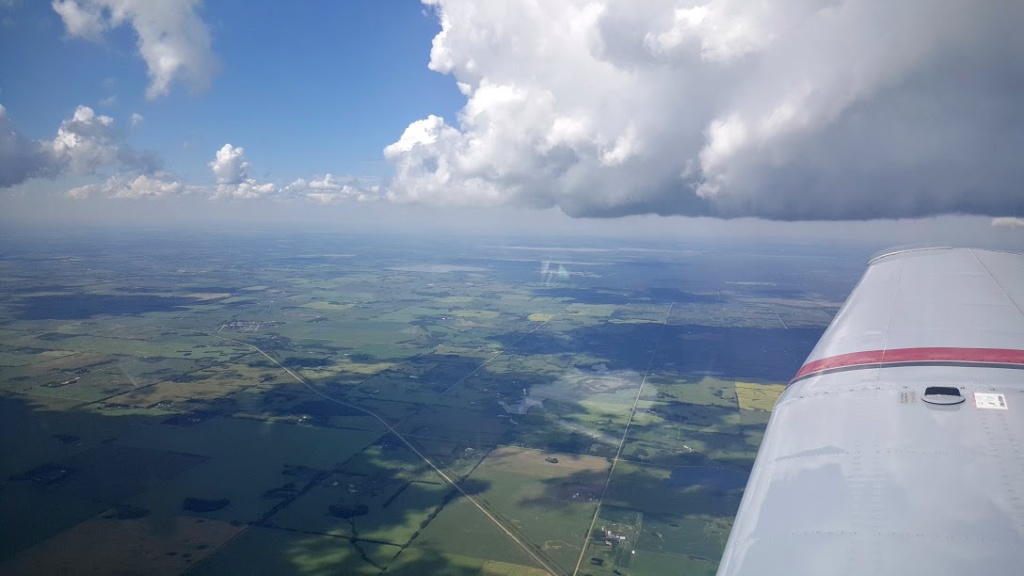
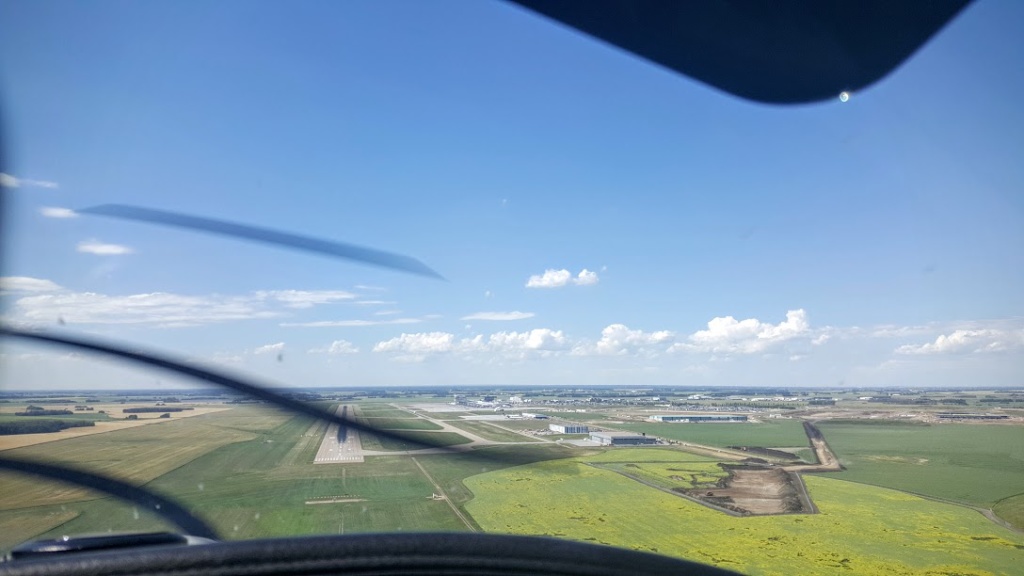
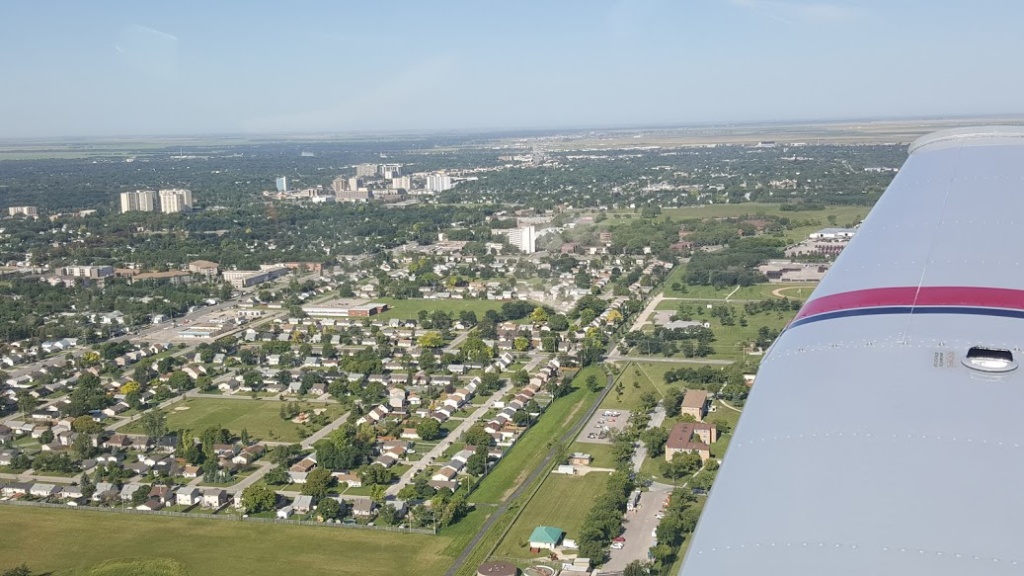
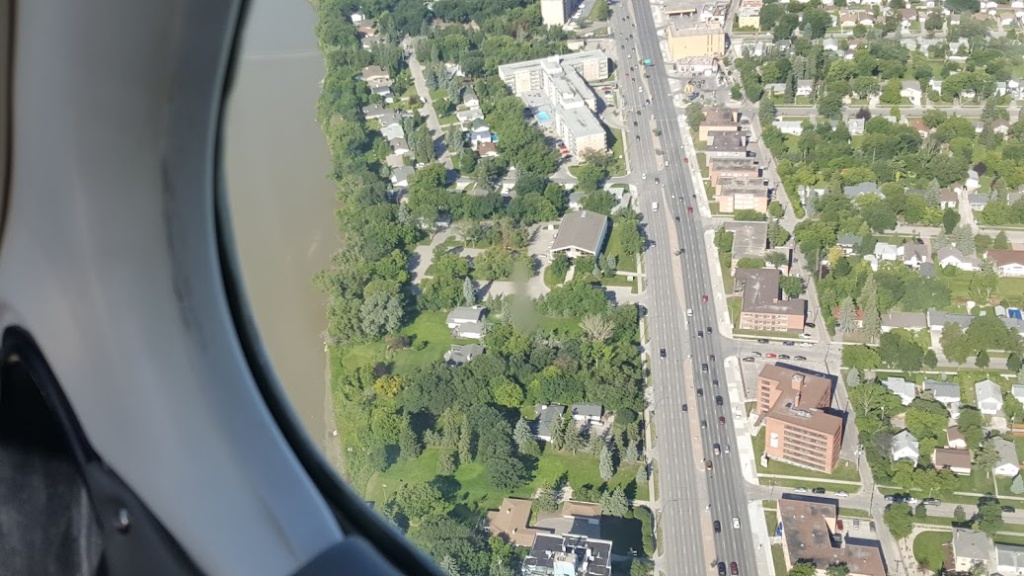
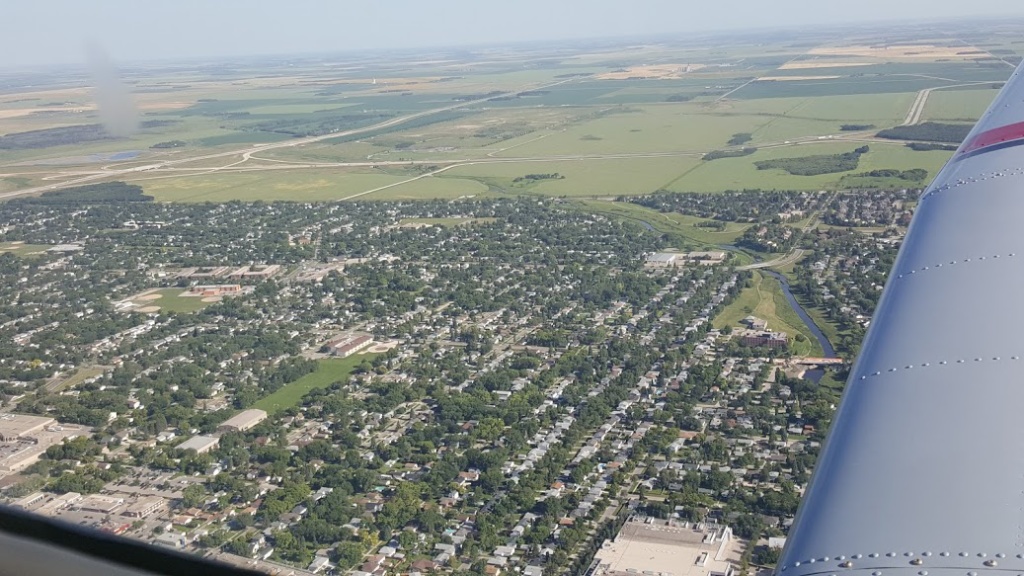
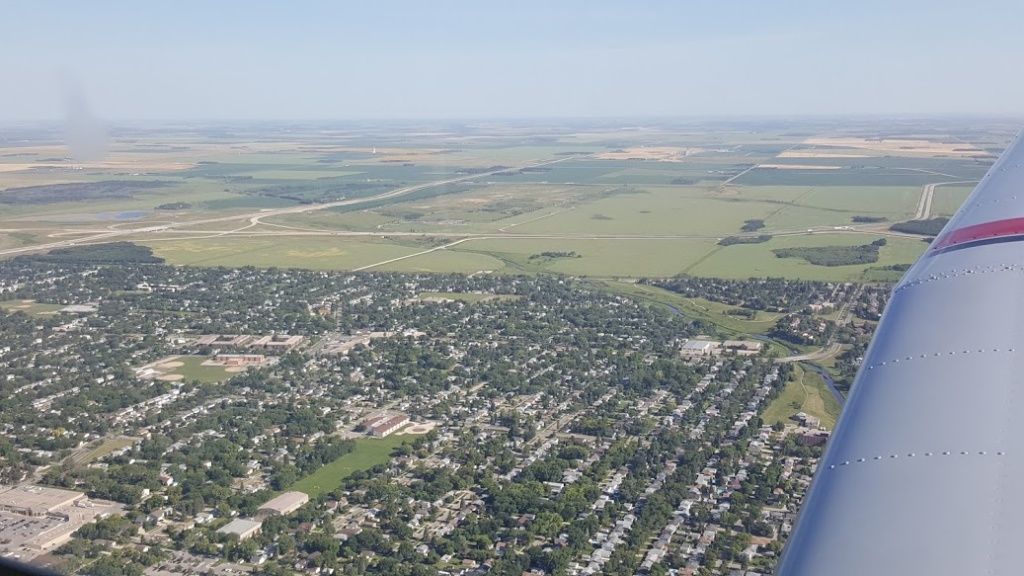
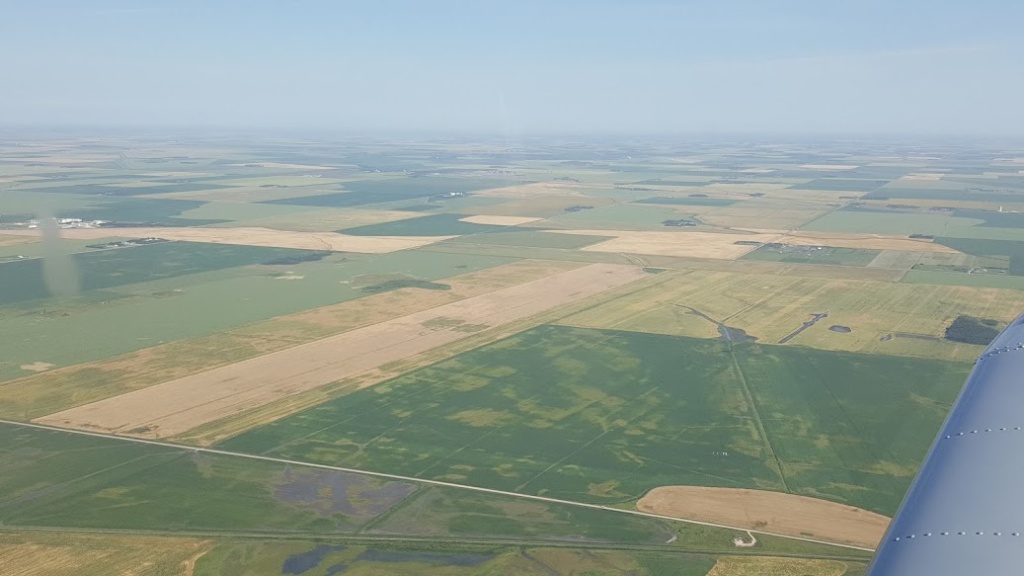
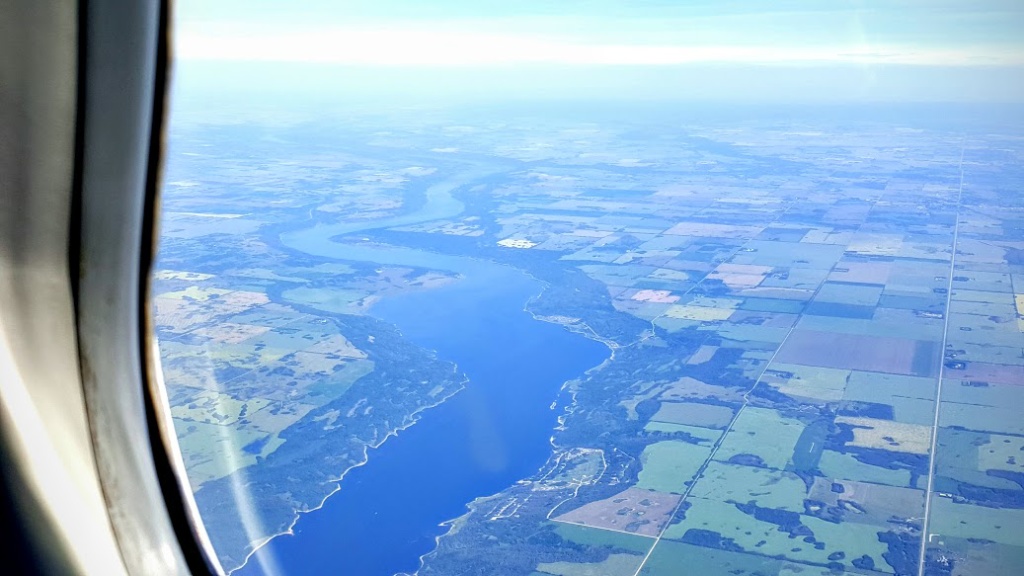
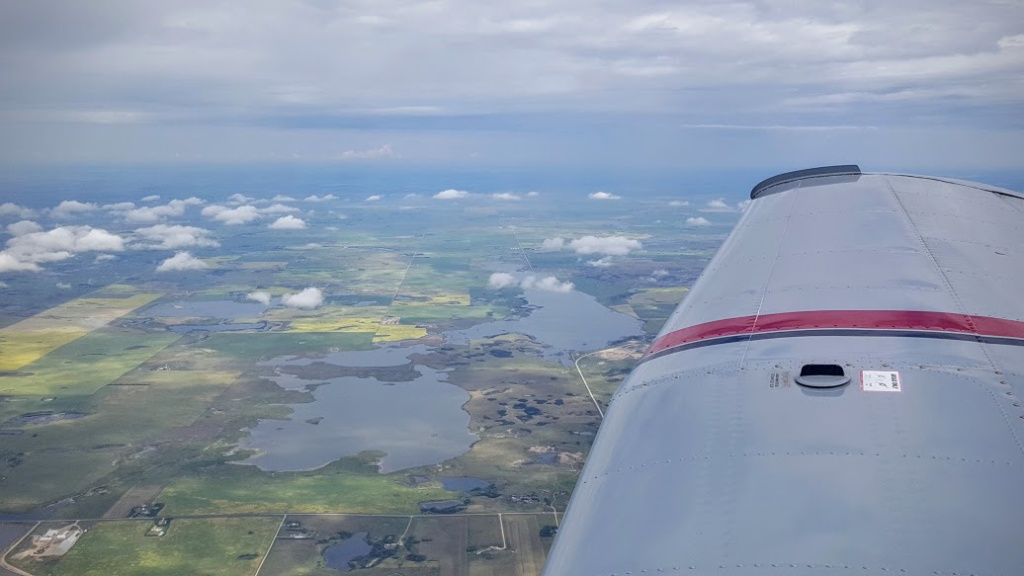
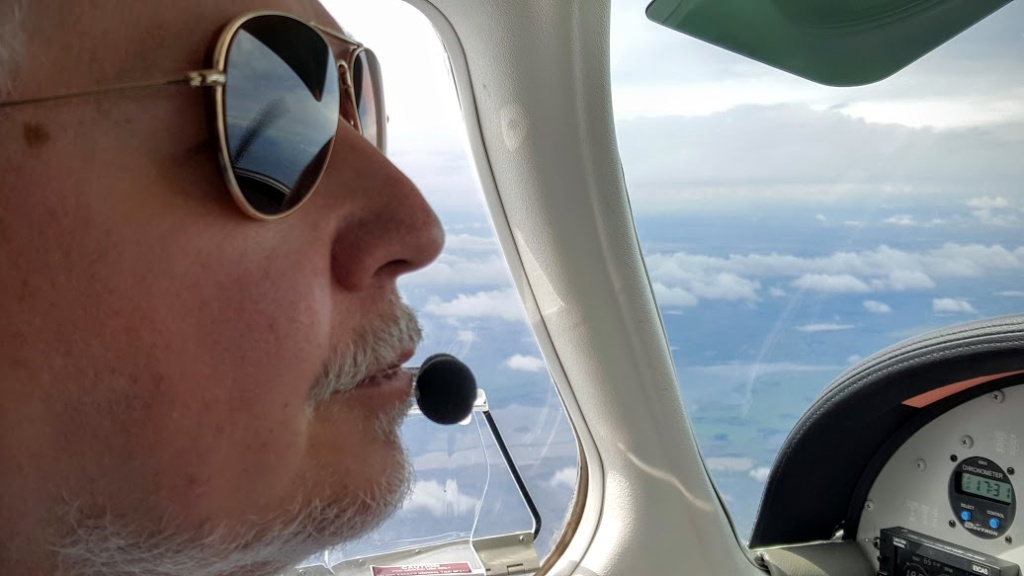
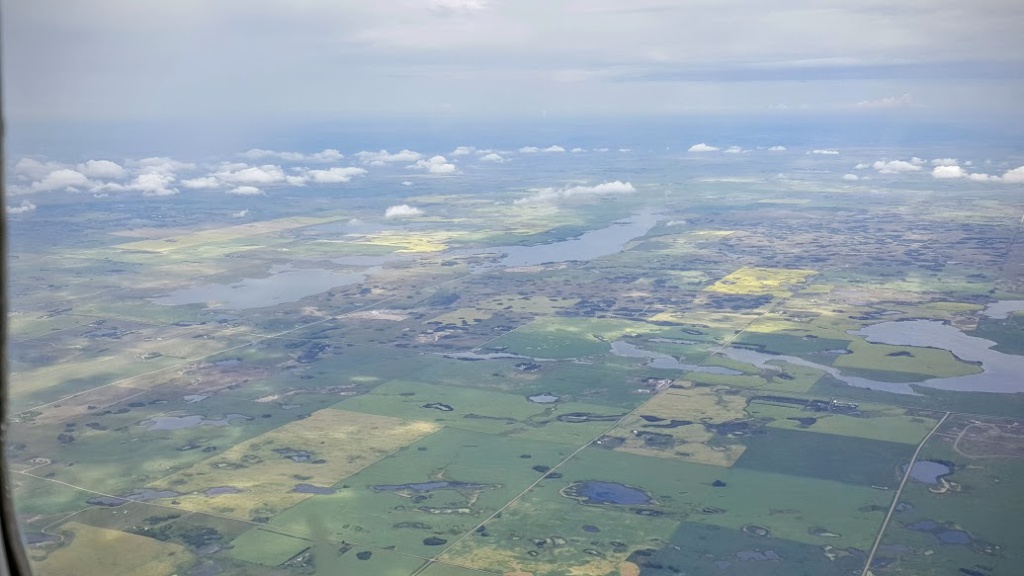
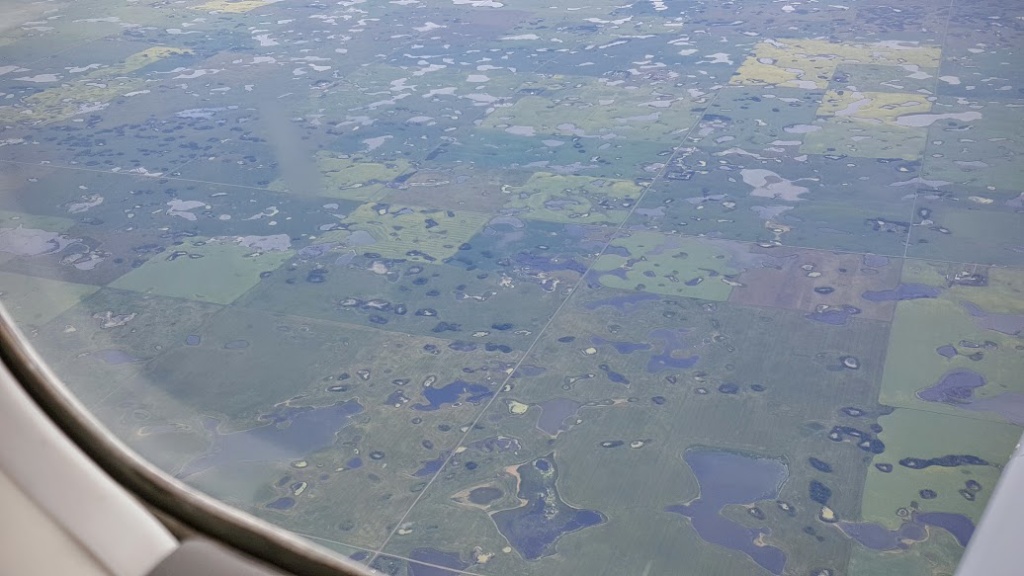
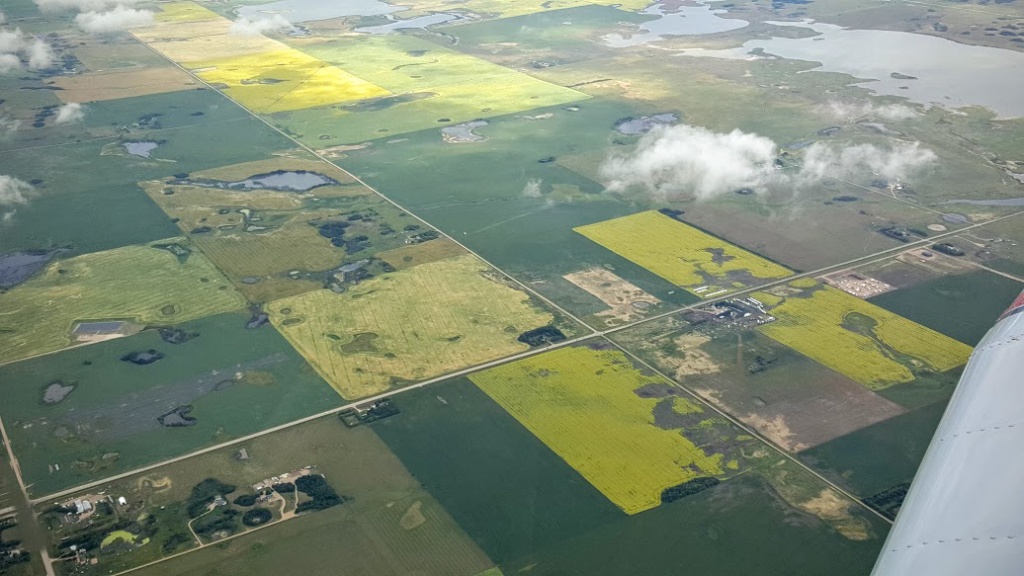
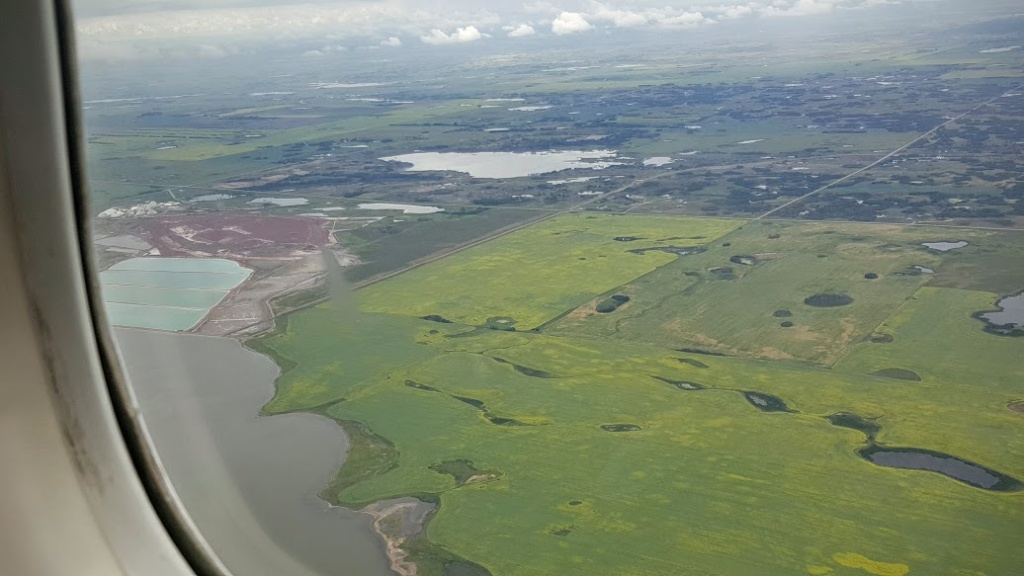
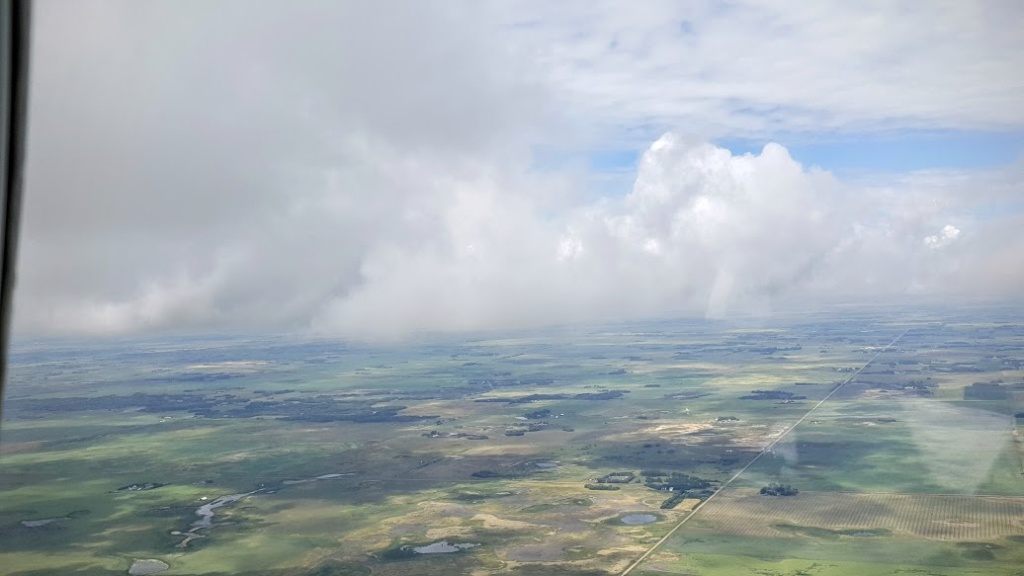
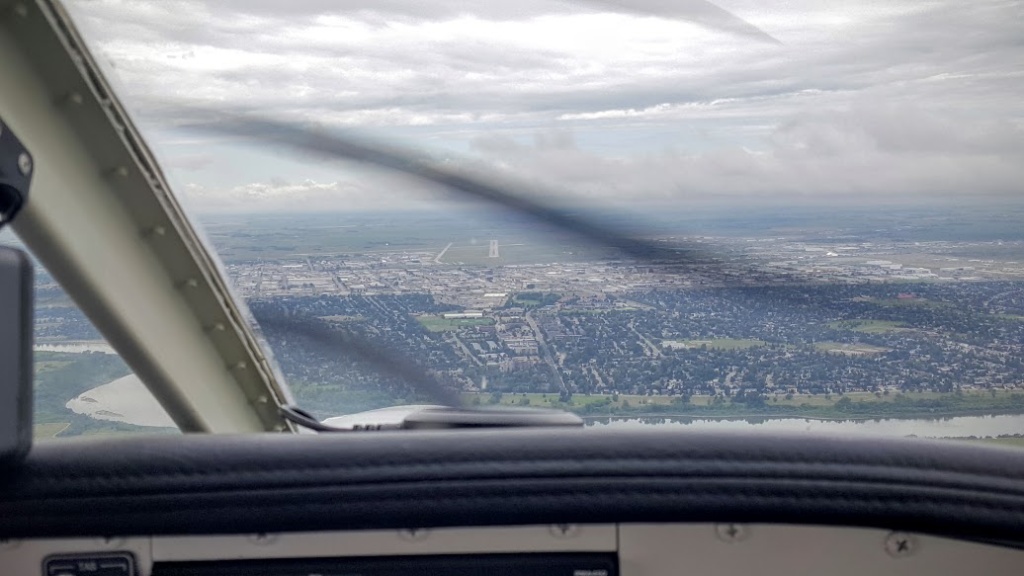
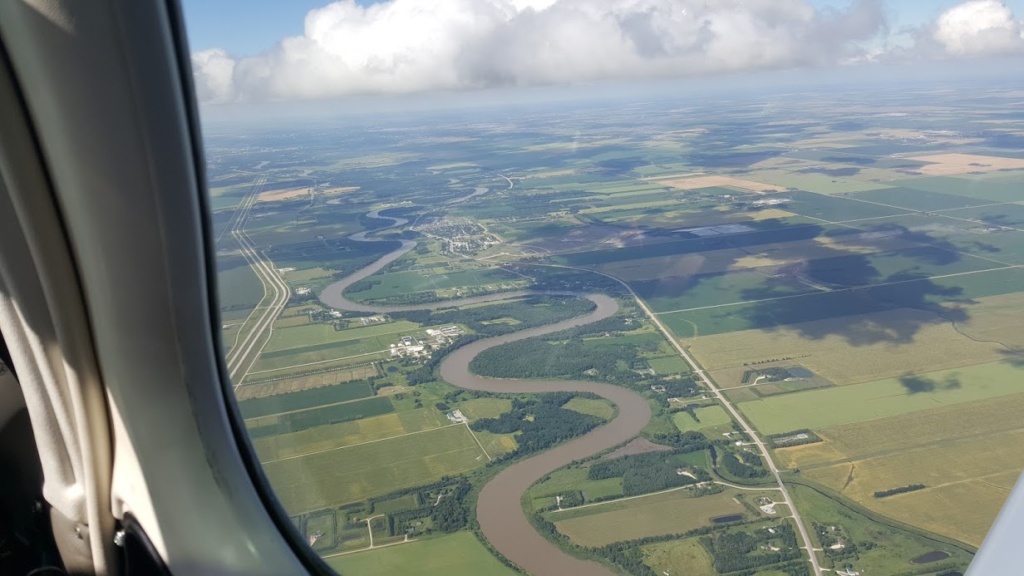
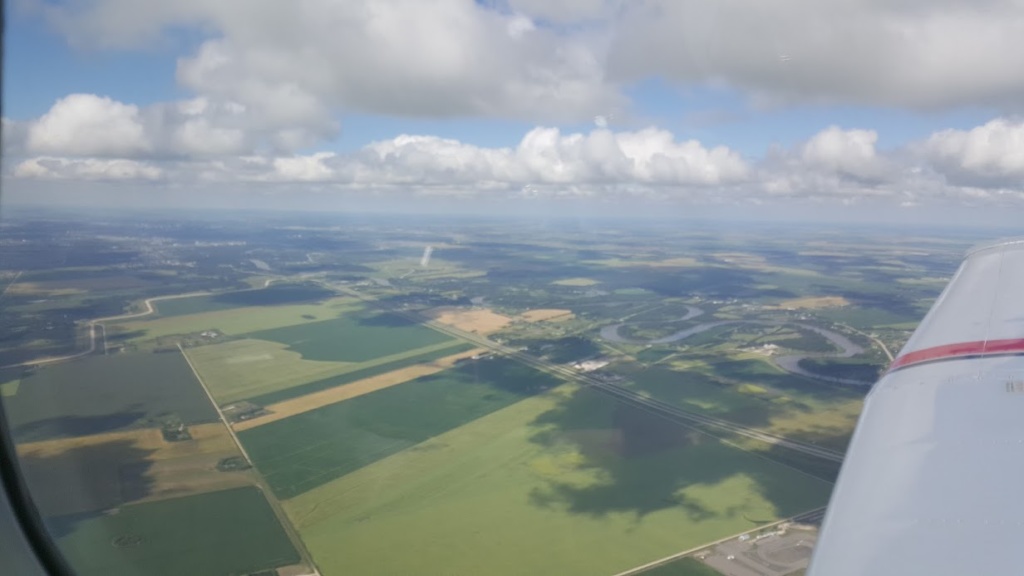
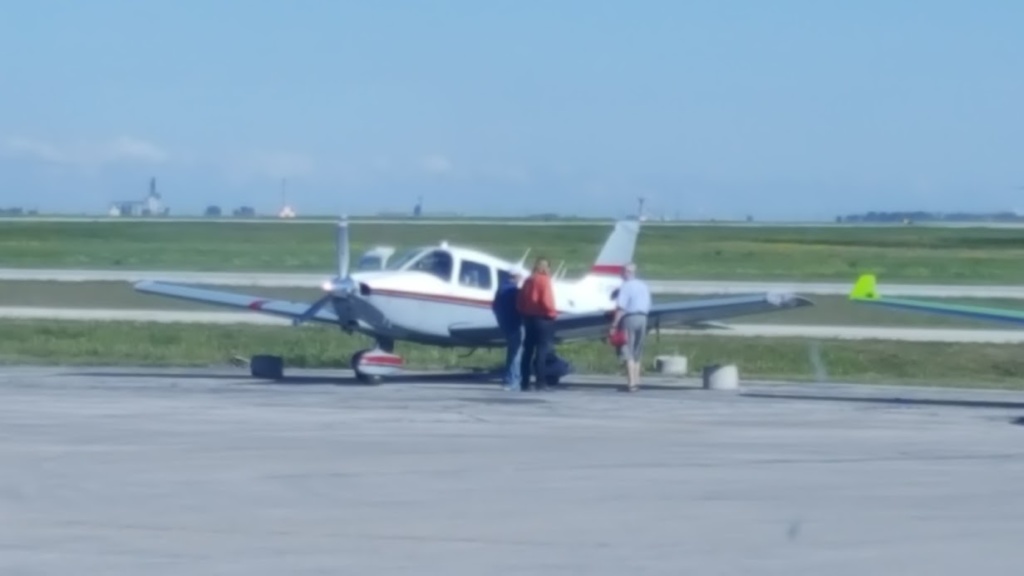
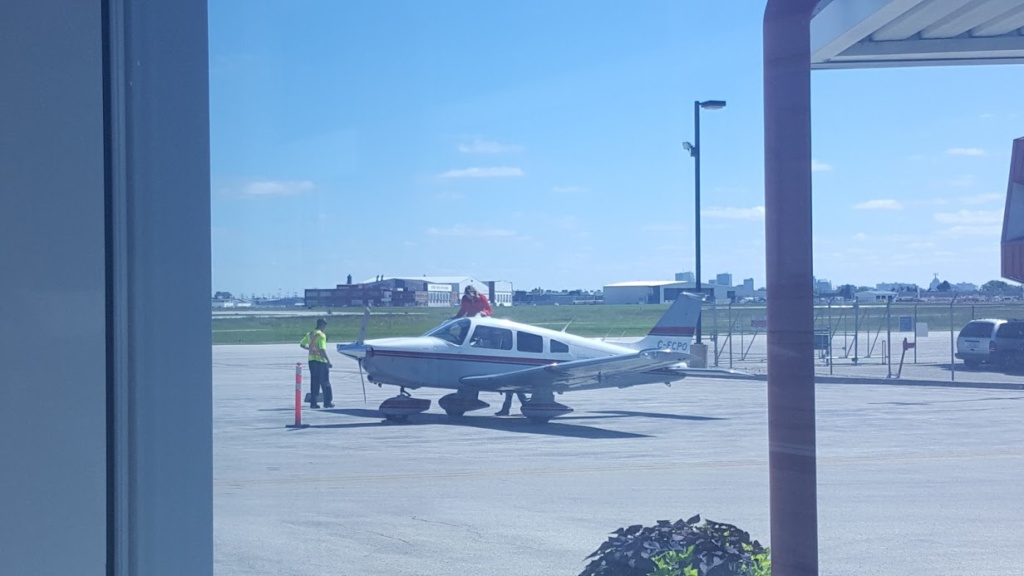
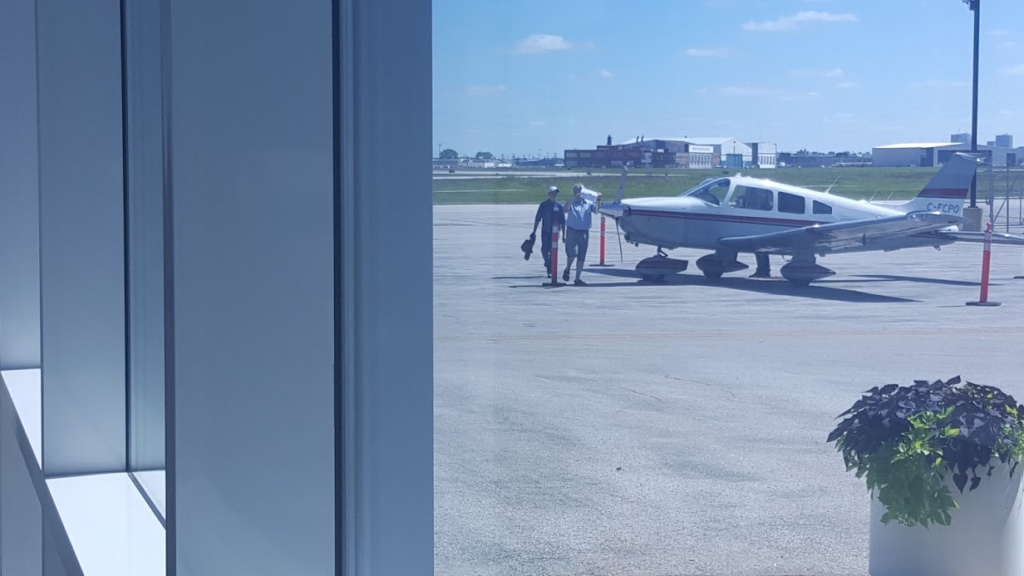
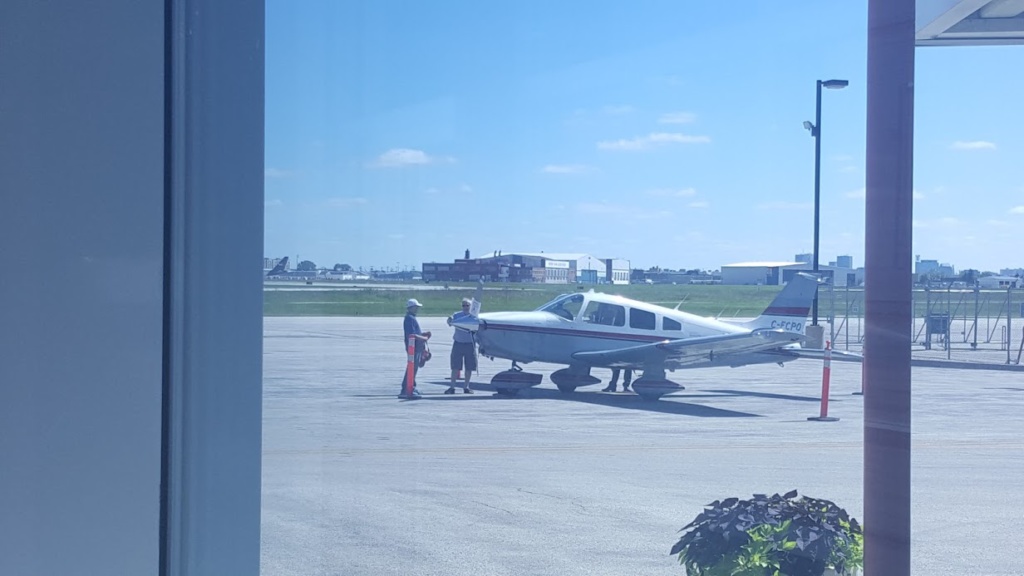
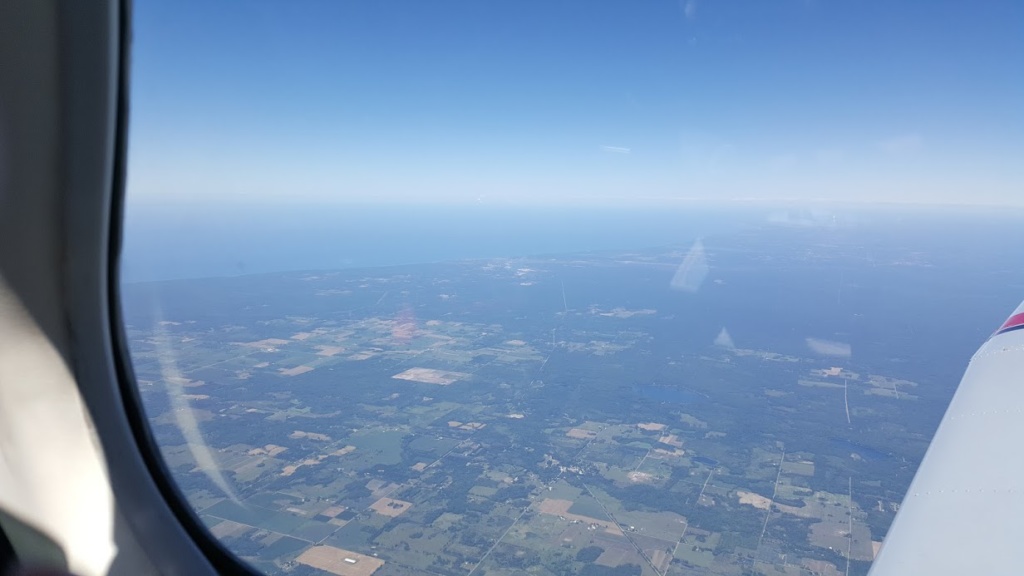
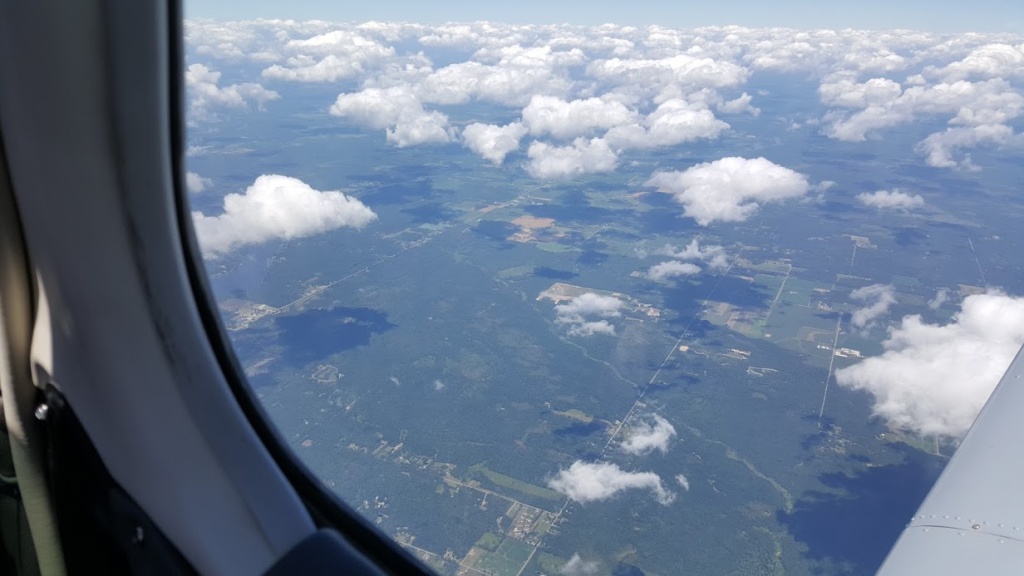
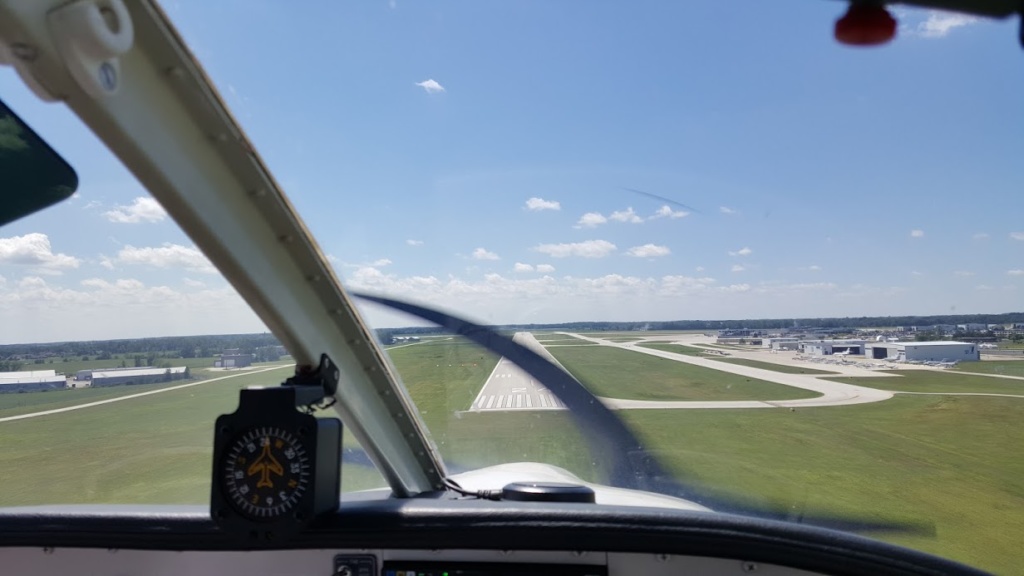
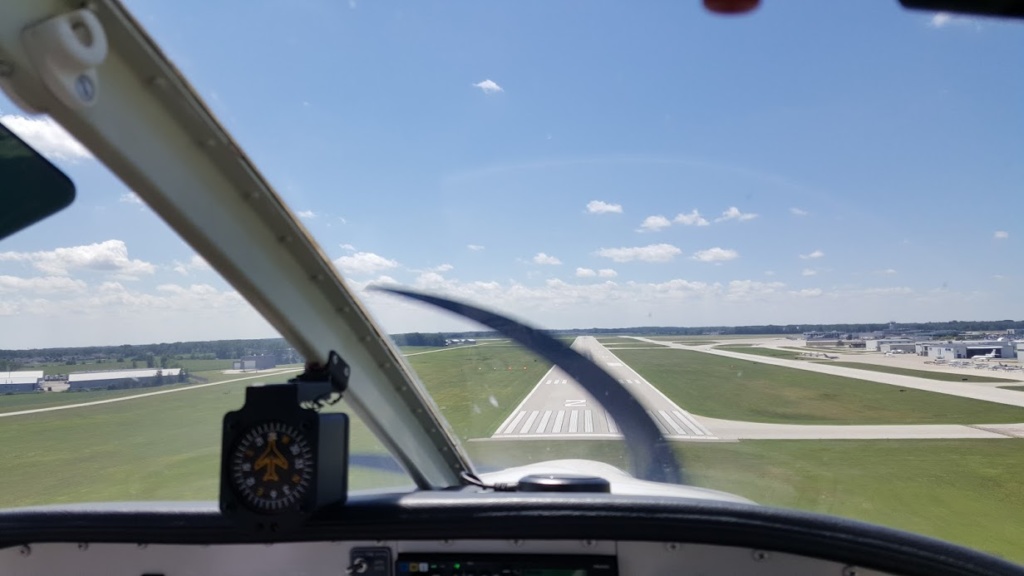
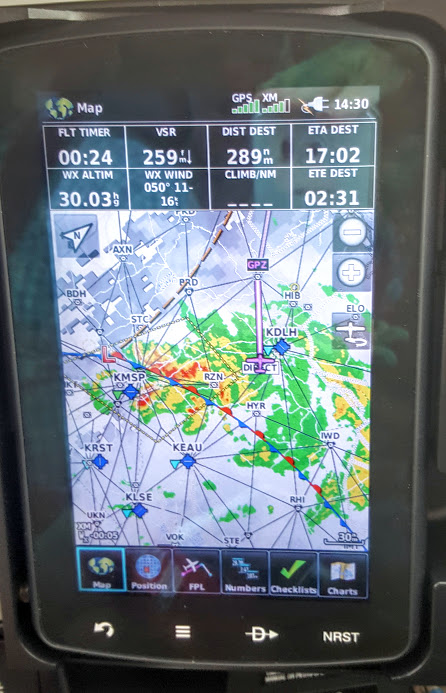
 My husband Orest has a passion for flying and we have a Piper Dakota fondly known as Charlie. For the past number of summers, we’ve taken trips in Charlie to the Maritimes and New England, but this summer, we took him all the way to the west coast.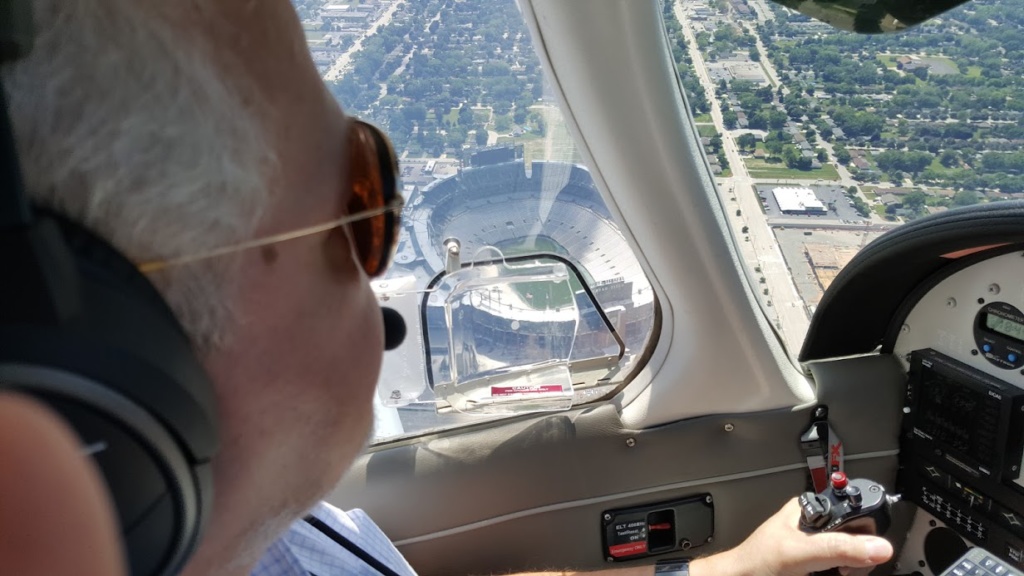
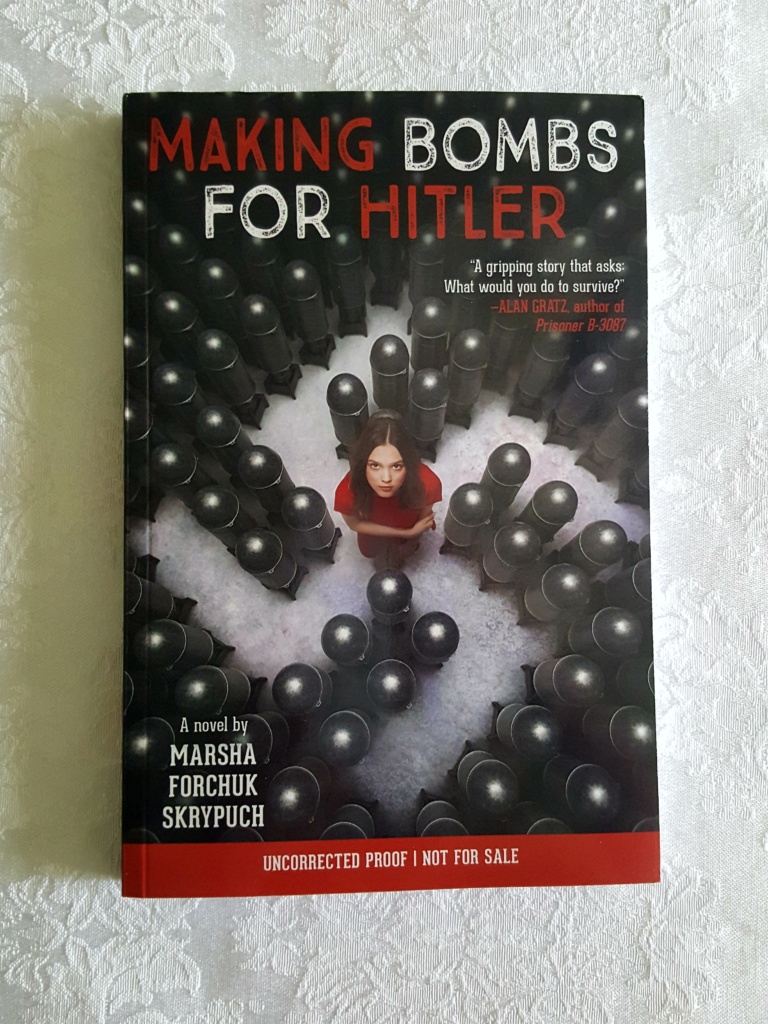
 Lida thought she was safe. Her neighbors wearing the yellow star were all taken away, but Lida is not Jewish. She will be fine, won’t she?