
writes about war from a young person's view #bannedbyrussia

I have a guest post on Ethical ELA: conversations on the ethics of teaching English. Topics: the Armenian Genocide and the Holodomor and I write about them.
You can read it here:
 The first picture book to recount the dramatic true story of a refugee family’s perilous escape from Vietnam
It is 1981. In the middle of the Pacific Ocean, a fishing boat overloaded with 60 Vietnamese refugees drifts. The motor has failed; the hull is leaking; the drinking water is nearly gone. This is the dramatic true story recounted by Tuan Ho, who was six years old when he, his mother, and two sisters dodged the bullets of Vietnam’s military police for the perilous chance of boarding that boat. Told to multi-award-winning author Marsha Forchuk Skrypuch and illustrated by the celebrated Brian Deines, Tuan’s story has become Adrift At Sea, the first picture book to describe the flight of Vietnam’s “Boat People” refugees. Illustrated with sweeping oil paintings and complete with an expansive historical and biographical section with photographs, this non-fiction picture book is all the more important as the world responds to a new generation of refugees risking all on the open water for the chance at safety and a new life.

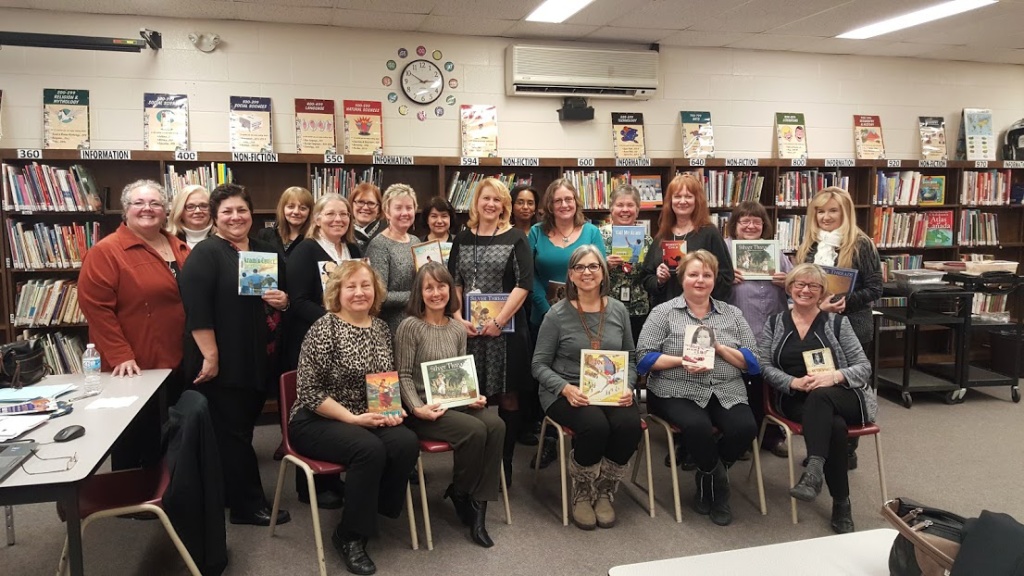
Last January I had the pleasure to do a PD day presentation for the Library Technicians of Niagara Catholic District School Board. I had been long aware of the fact that many school boards had opted to employ Library Technicians in place of Teacher Librarians. The issue is controversial, that’s for sure, but I’ve met many amazing Library Technicians. What impresses me about the LTs of Niagara Catholic DSB is their passion for encouraging the love of reading.
It was Karen Desjardins who asked me to present. She asked for inspiration and encouragement, a talk that would help her LTs to understand how valued they are.
The staff person in the school library is the most powerful individual in the building. They hold the power to transform a kid into a lifelong happy person. The LTs of Niagara Catholic DSB have a committed and passionate advocate in Karen. She greeted me on that windy January day with a treat. On my author page she noted that I request an egg salad sandwich on whole wheat bread if I’m staying at a school for an entire day. I was only coming for the afternoon, but Karen had made me sandwiches to take home. Made with eggs from hens she had raised herself, on lovely fresh sunflower bread plus treats that she’d baked herself. It was a thoughtful gesture and the sandwiches were delicious, and for me, because of the care, consideration and craft that went into them, they became a symbol of all that’s right with Karen.
Once the sessions were over, Karen and I sat down over a cup of coffee and she answered my questions.
You are the Coordinator of Library Information Centers for the Niagara Catholic District School Board. What does this position entail?
I report to the Superintendent of Education-School Effectiveness Programs (Student Achievement K-12) with a goal to support and coordinate the Library Information Centre staff across the system. My role is to provide knowledge, vision, leadership and support to all the school board Library Technicians and to organize meetings and professional development for the group. I participate in departmental meetings, which often involve planning system-wide events, bringing the library element into play. For example, offering a Library Information Center component to the Junior Literacy Day event including a read-aloud to a very large audience. I also liaise with personnel from other school boards, vendors and outside community organizations and agencies for all things related to school libraries such as arranging transportation and registrations to get a group of us to the OLA Super Expo. To sum it all up, I do everything I can so that the library staff are enabled and empowered to provide the best service possible to our Niagara Catholic students and school communities.
Can you tell me about your typical day?
On any given day, I spend some time communicating via email or telephone with our Library Technicians on a variety of issues that come up. Anything from troubleshooting Destiny issues (our automated library system) to discussing library organization and tasks. I also take time to go out and visit the LTs at their work sites. Depending on the calendar and what’s going on, I prepare library meeting agendas, write up the minutes afterwards; prepare and submit Program updates on system library activity; answer calls from vendors and services. I research and read articles on libraries: innovations, trends, ideas. While working on various tasks throughout the day, my mind is always thinking, mulling over ideas and ways to promote the wonders of the school library
How did you first get involved in Library Services?
Well, life is a journey, isn’t it? After high school, I worked at a bakery, got married and began raising a family. I had always enjoyed my English classes and planned to pursue higher education, but bills needed to be paid. After having two children, I decided that piping birthday messages on bakery cakes wasn’t exactly the writing career I wanted; I signed up for my first college courses in English and Creative Writing. After a while I began to take courses that applied to a diploma program – Library Technician. I thought this would lead me to work that I liked and I would be surrounded by literature to keep me focused on my own writing potential. It took me a few years to complete the program, as I continued my part time bakery work and had another baby. Just before graduating from college, I began working as a casual for the school board. After graduation I had a short stint at a medical library, then landed casual long-term assignments with the school board until finally gaining permanent status (a year after baby number four)
What was your position before this?
Before becoming Coordinator, I was the Library Technician at one of our elementary schools. In my previous life I worked as a cake decorator and managed a small bakery shop.
What are your biggest challenges?
One is advocating for school libraries and the Library Technicians that do such wonderful work within them. Another is the ever-shrinking budgets that make it very difficult to provide quality service. Library Technicians provide such added value for the school community, yet we still have to advocate to keep them from being reduced even more so in their numbers and hours.
Does every school have their own library technician?
Most of our schools do. Our schools with enrollment less than 250 are paired-up to share a library technician between the two sites. However, even though the LT might have only one school, they are only paid to work a six-hour day, so it’s a challenge to provide the best possible service within the time constraints.
Can you tell me about a typical a day in the life of a Niagara Catholic District School Board library technician?
Yes! Days are busy! Under the direction and supervision of the school Principal, the LT is solely responsible for the operation of the Library Information Center. Typically in the elementary setting, they have a schedule in place for classes to visit for book circulation and a read-aloud. Any open periods can be accessed by classroom teachers for additional activities such as research, study, use of technology, group collaboration, student enrichment, scrabble, chess, etc. In between classes, the LT continuously performs technical duties: acquisitioning, cataloguing and processing new material, maintenance and repair of books, searching and selecting material requests, shelving returned material, working on displays and bulletin boards. They also plan and administer activities such as Forest of Reading programs, Book Fairs and author visits. They track down missing items, help students and teachers search the library catalogue and locate books and material, help students find that just-right book and make everyone’s day with their chipper “good mornings” and smiles. To add to their already very busy days, elementary school Library Technicians also spend many, many minutes conducting supervision or yard duty outside the school library.
Our secondary school Library Technicians also work individually in the high school library information center performing all technical duties like their elementary counterparts. They look after scheduling when teachers request the use of the library, but they also manage the constant stream of individual students and staff accessing the library space, material, computers, copiers and printers. Whew!
What are you most proud of?
In terms of my work, I’d have to say I’m quite proud of the advocating that I’ve done for Library Technicians in the school system. I’ve done this over the years through my involvement with a professional association, support staff union, and on my own by writing letters to Ministers of Education. Our reality is that the Ontario Government’s Ministry of Education is trying to curb costs and school boards have less dollars to work with for all expenses including staff salaries. Some financial difficulties in the education sector can be overcome with the implementation of differentiated staffing in specific areas. Library Technicians have the education and training to be fully capable of operating a school library. Much like the specialty training an Early Childhood Educator has which allows the education system to offer full-day kindergarten at a more reasonable cost to the province, Library Technicians can offer a full range of services specific to a school library setting. Since 1995, Library Technicians at Niagara Catholic have been performing all duties required to operate the school library. LTs support literacy needs of students, collaborate with classroom teachers, support the curriculum with well-developed library collections and foster the love of reading in children.
I’d also like to add that I’m very proud of my work as a school Library Technician. Not only do we impress students and teachers alike with our ability to pull the exact book they are looking for without even looking it up in the database, we share what is unique in our lives to enhance the learning of the students. Because I have a small farm and managed forest, students visiting my library have seen and touched pussy willows, fall harvest vegetables, bird’s nests, baby rabbits, chicks and ducklings. Among our group of LTs we have those that excel at science, art, music, dance, crafts, performing, writing, history and technology; I am pleased to be working with and supporting such a capable and dedicated group of individuals.
What drives you crazy?
The notion that libraries and print material are old and obsolete, and that new technology is an excuse to reduce libraries and their place in our community. It seems to me libraries have always evolved with the times; but, as importantly, preserved the past. There is every possibility that children who are thrilled with the latest technology, will still want to move away from it at some point. Those children who after playing with the toy, discover the box and how it becomes a fort, or time machine, or toboggan. Lately, I’ve been reading much about 21st century schools and libraries and watching Internet videos of many examples. Even in these “modern” schools with various furniture and space options, I still see children all about the rooms reading with books in hand.
If you had one wish, what would it be?
Oh, boy. If I could ever win a big lotto draw, then I could help out so many people and build a really big barn for more goats on my farm! In terms of my work, I wish that I wouldn’t have to advocate for school libraries anymore; that the day would come when everyone realizes their importance. It should be so obvious that no one would ever think of cutting back staff or the budget for books and material and new technology. The only thoughts should be investing more in school libraries. I believe that is an investment in our children and our future.
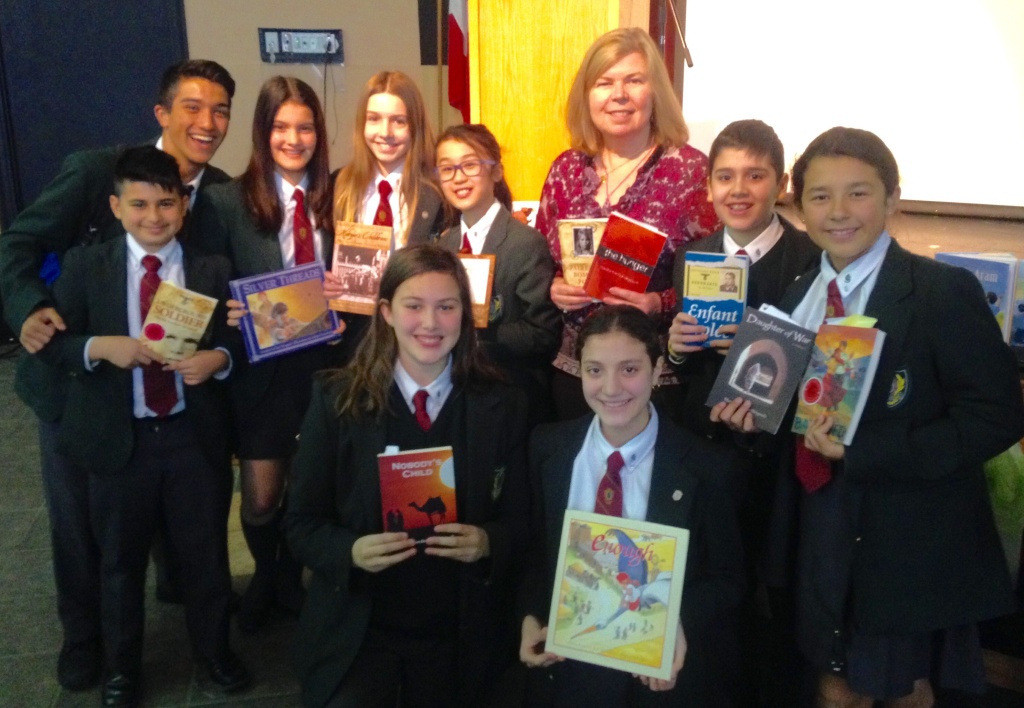
Thanks for the great visit, La Salle!
 The Dead Don’t Bleed by David Krugler
My rating: 5 of 5 stars
A rollicking enjoyable spy thriller set in Washington DC just as WWII ends. Lt. Voigt, a navel intelligence officer, goes undercover to solve the murder of one of his colleagues but soon stumbles upon something much bigger — a Soviet spy cell secreting bomb info from Los Alamos. Many unexpected twists and turns and some really great characters. A fun read.
Thank you Netgalley for providing the ARC.
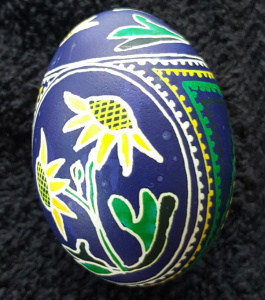
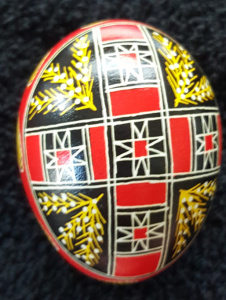
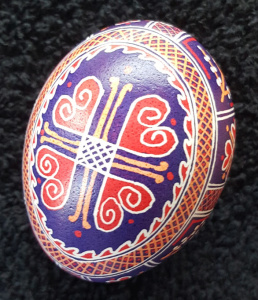
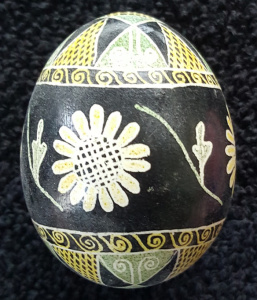

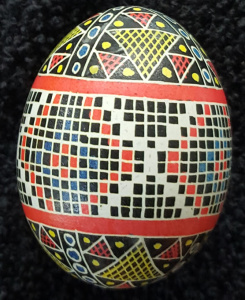




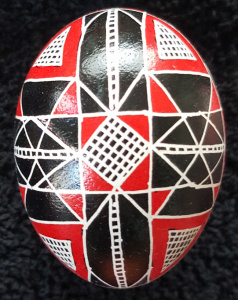
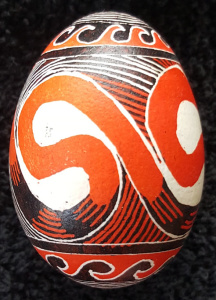










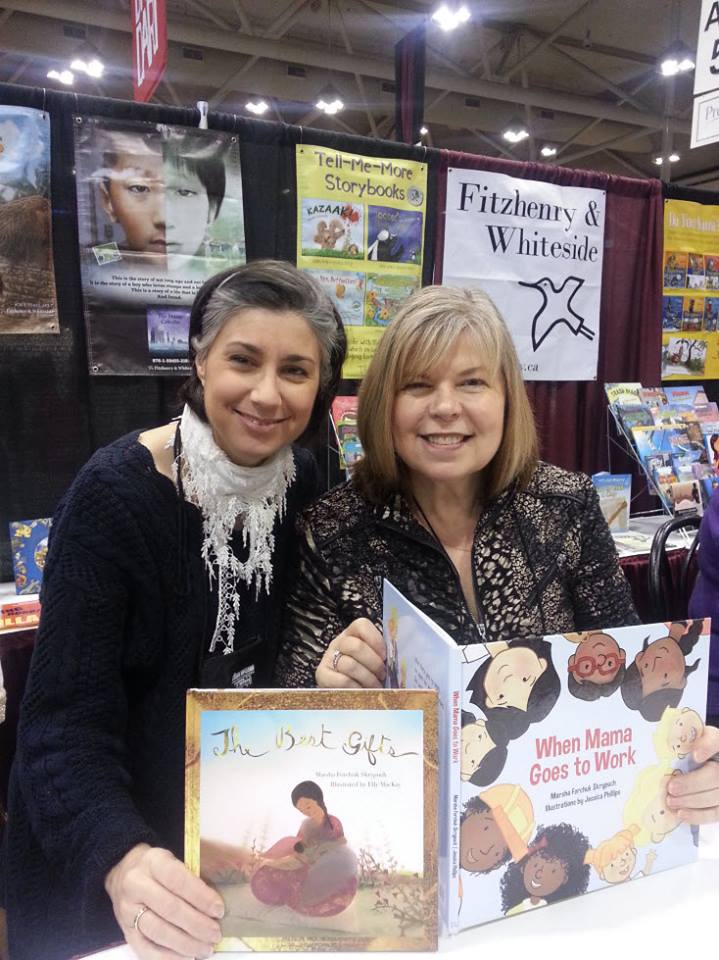
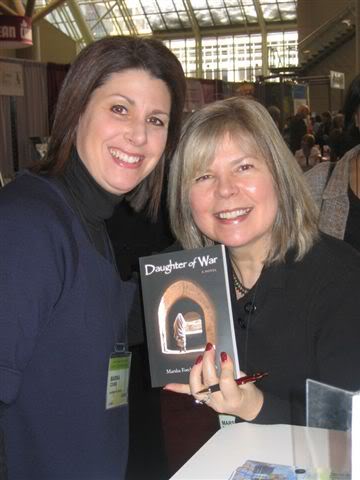

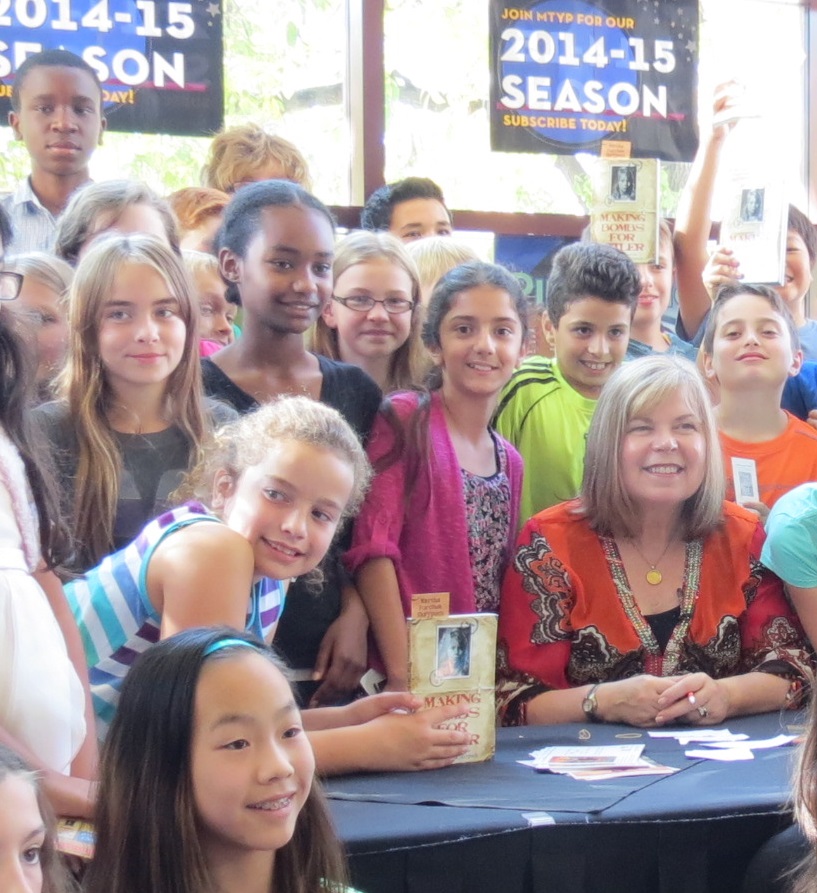
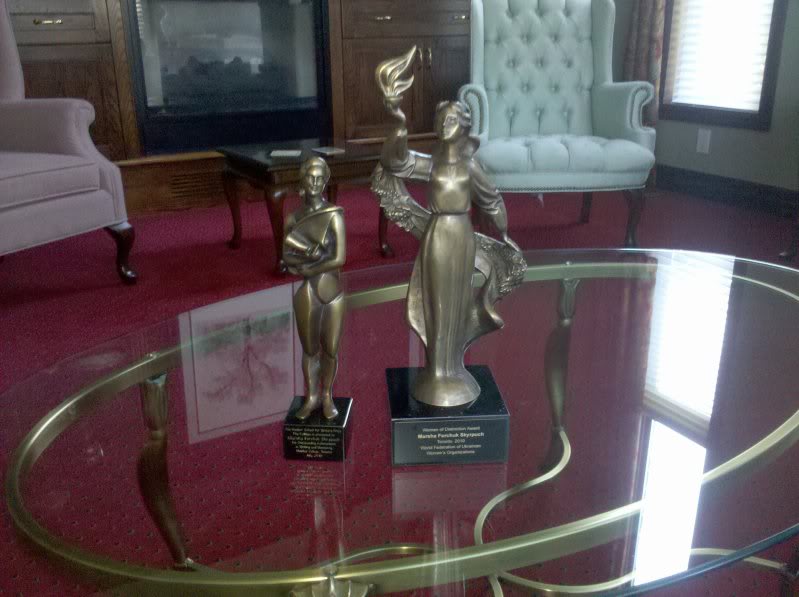
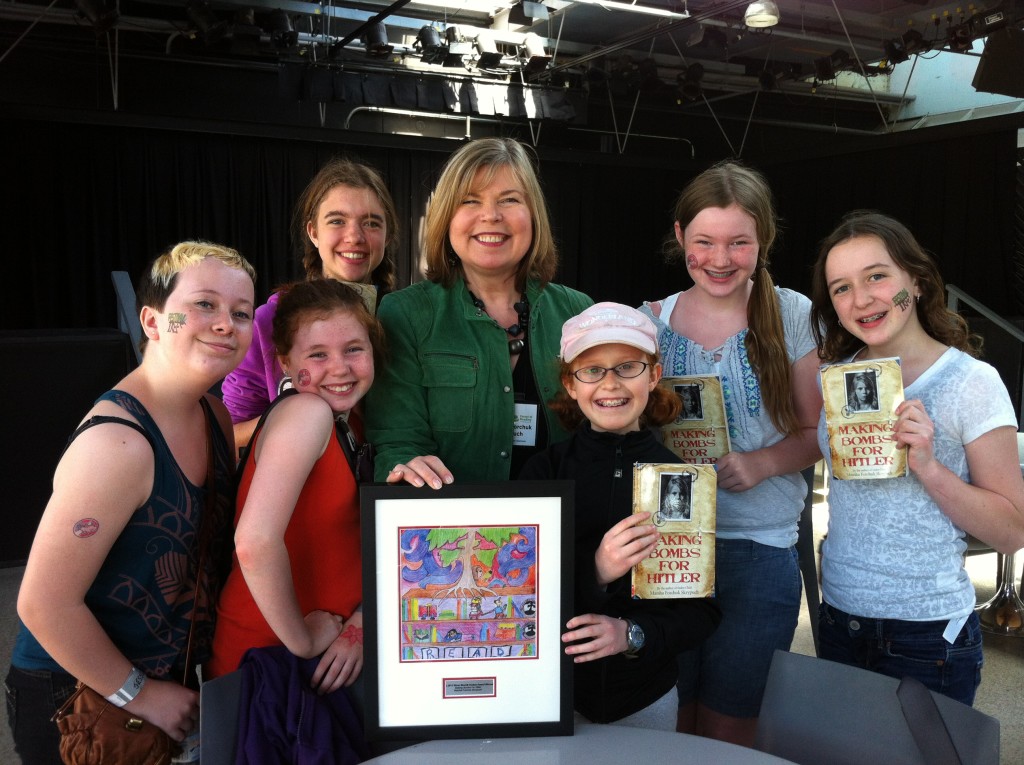
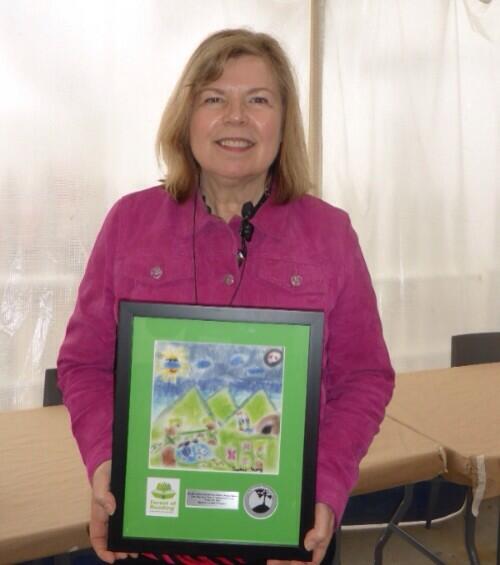

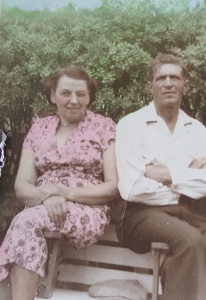
Shared with Toronto’s Great War Attic.
As a child, curious by nature, Marsh Forchuk would often ask his father George why he had left good farm land in southern Alberta to move north to Lake Eliza, a harsh place to establish their family farm. When old friends would come by for a visit, they would suddenly speak in whispers. But years later, after hearing of a news story about Canada’s internment of enemy aliens during the First World War, Marsh began to get his answers.
At the encouragement of the Canadian government, George Forchuk, a Ukrainian farmer from Werechenko, Austria, arrived in 1913 to settle and farm in southern Alberta. When war started he registered as an “enemy alien” and reported regularly as required by the War Measures Act in 1914. Despite this, he was arrested and forced into hard labour, eventually ending up in an internment camp in Jasper Alberta, which opened in February 1916. He laboured through dire conditions and escaped as “bullets whizzed by his ears” that same year. He moved around, hiding and working where he could. In 1918, Forchuk was spotted by police through the window of a restaurant in Calgary.
At the time, people were required to wear face masks in public to prevent the spread of the deadly Spanish flu pandemic. George thought he was being arrested as an escaped internee, but to his relief, he was informed that it was because he had lowered his mask to speak more clearly to the other person at his table. He also found out that the internment camp had closed in August 1916, shortly after he had escaped.
His farm was not returned to him, and so he had no choice but to purchase land where he could. The repercussions of the war continued. By the 1940s, ill health made it impossible for George to farm. Marsh dropped out of school at the age of 12 to take over. Marsh did not want to be a farmer, eventually selling the land his father gave to him, and moving east to make his own way. George Forchuk’s pride in being a staunch Canadian made the shame of his internment all the more difficult to bear. Right up until his death in 1967, he spoke of the injustices suffered for crimes he did not commit.